Artwork
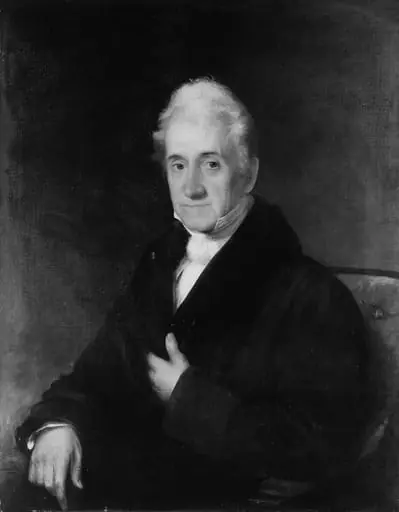
Judge Edward Hutchinson Robbins
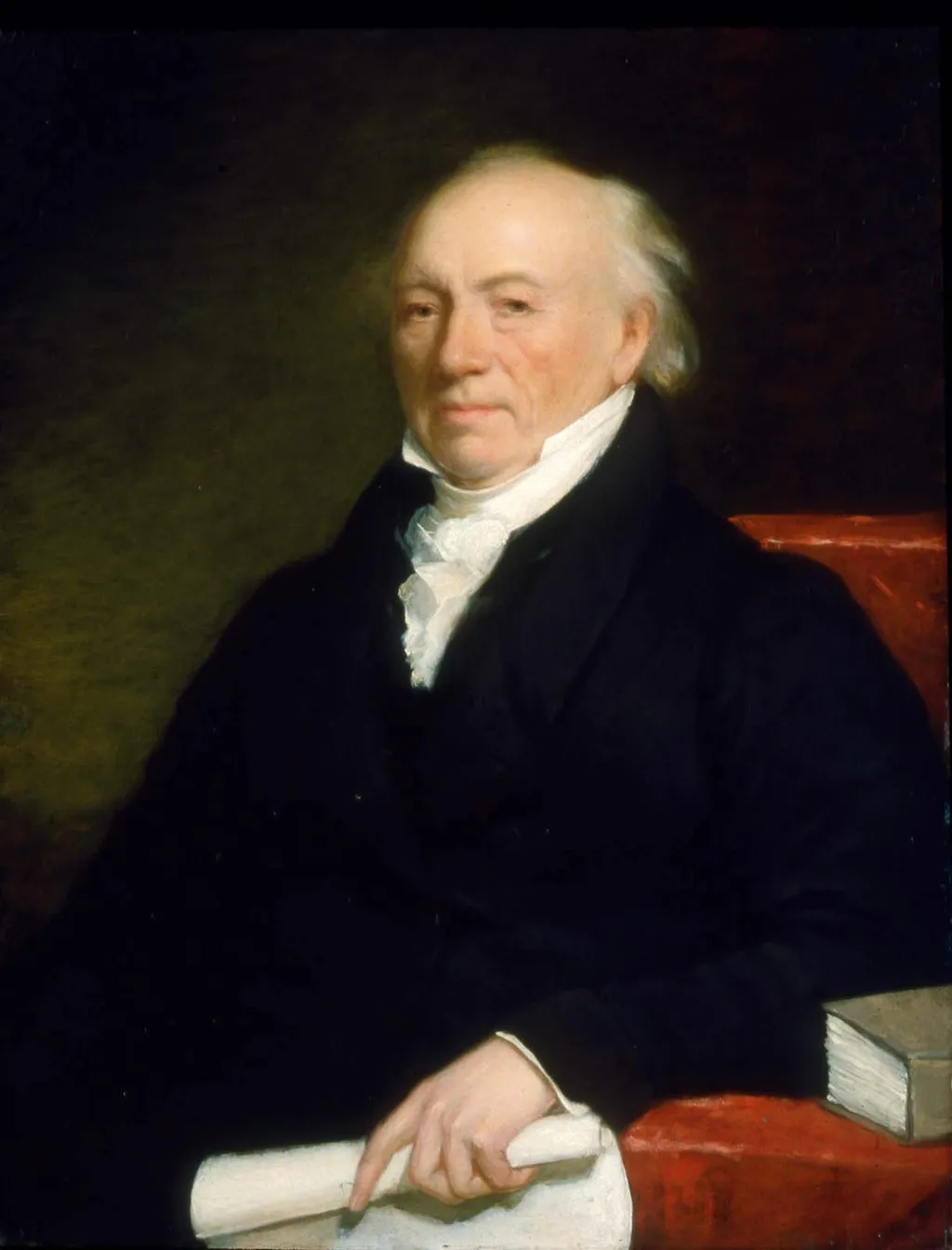
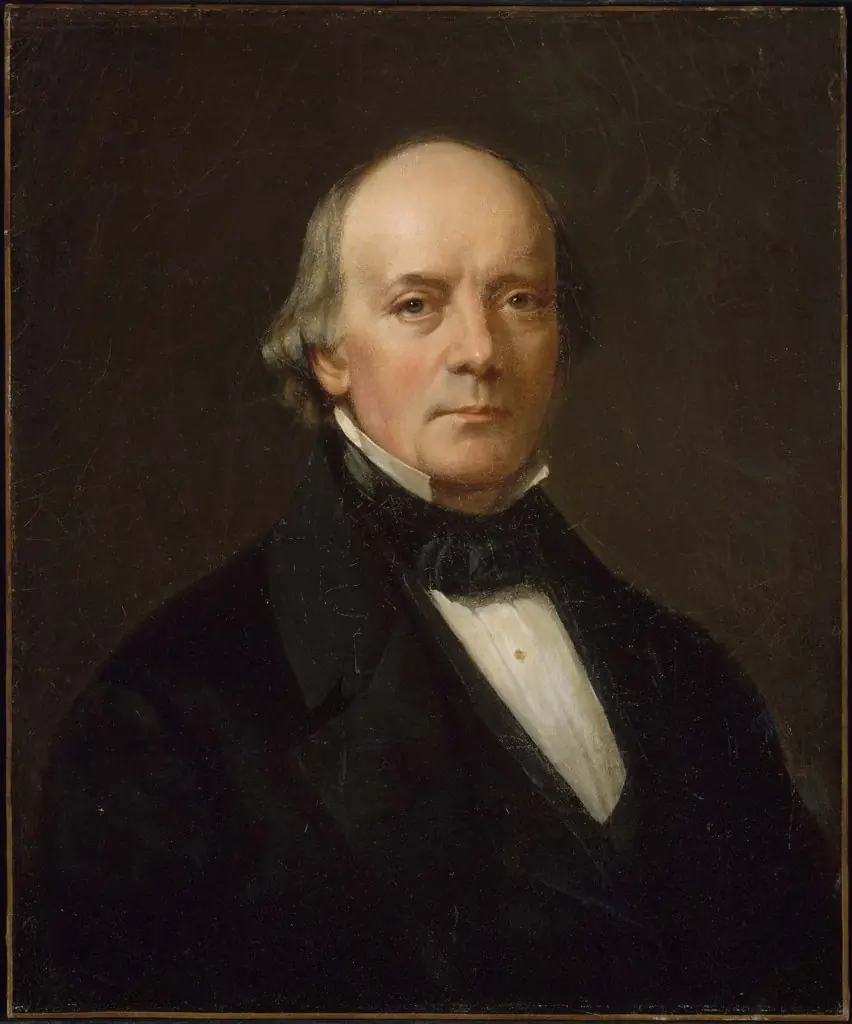
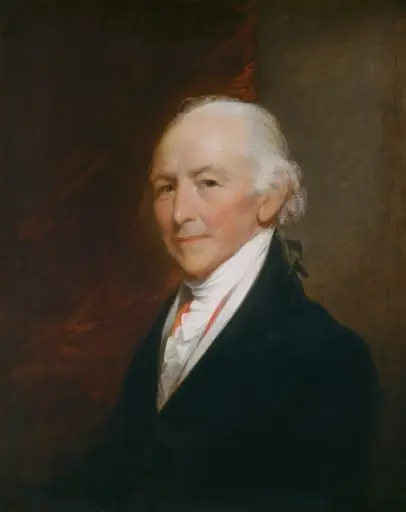
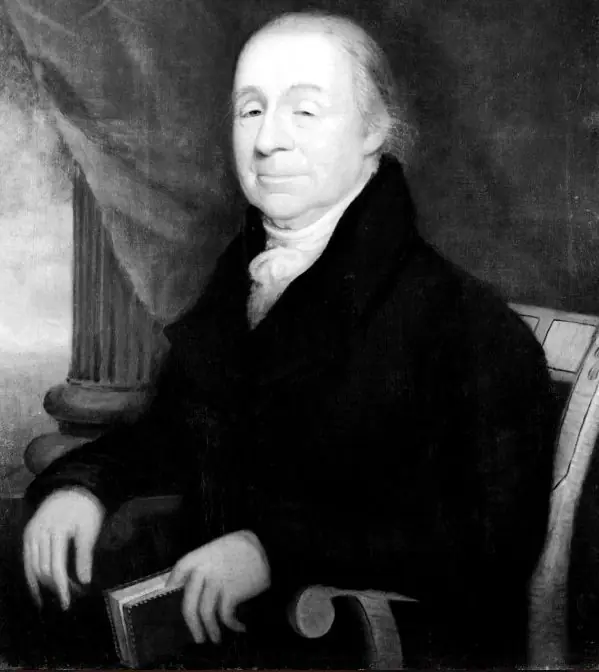
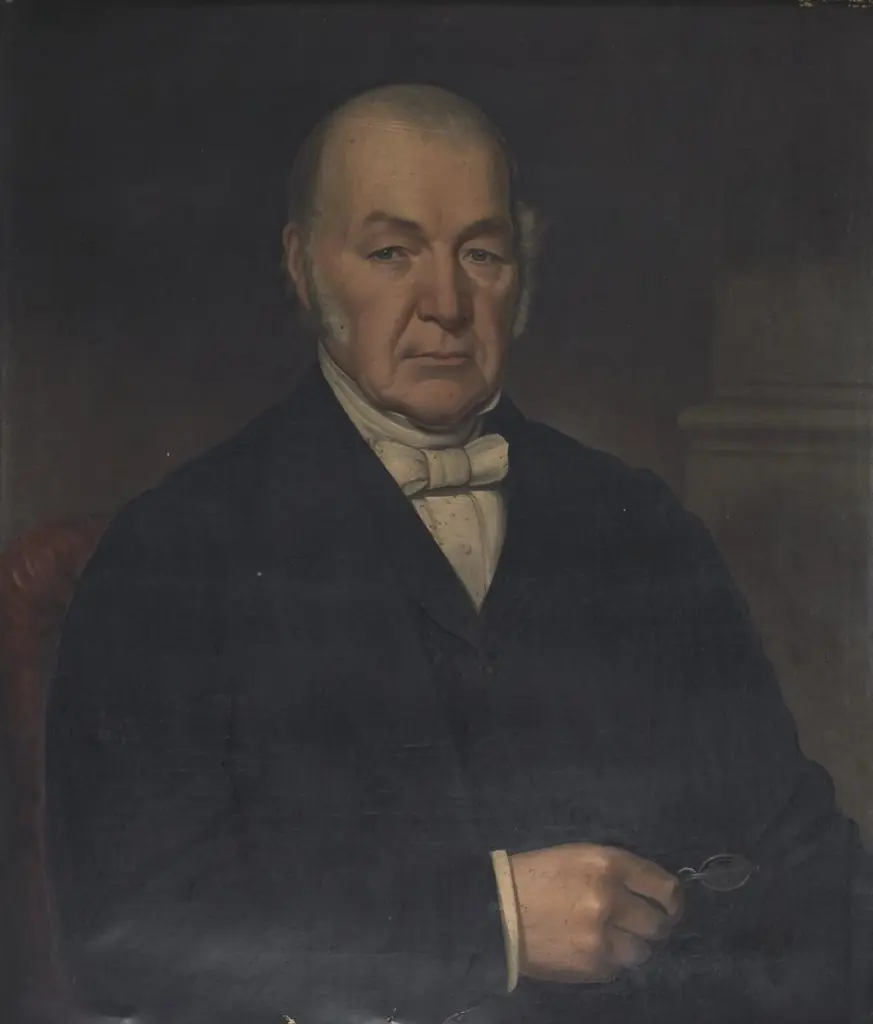
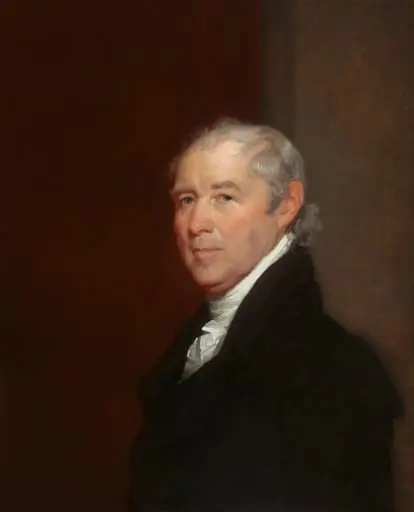
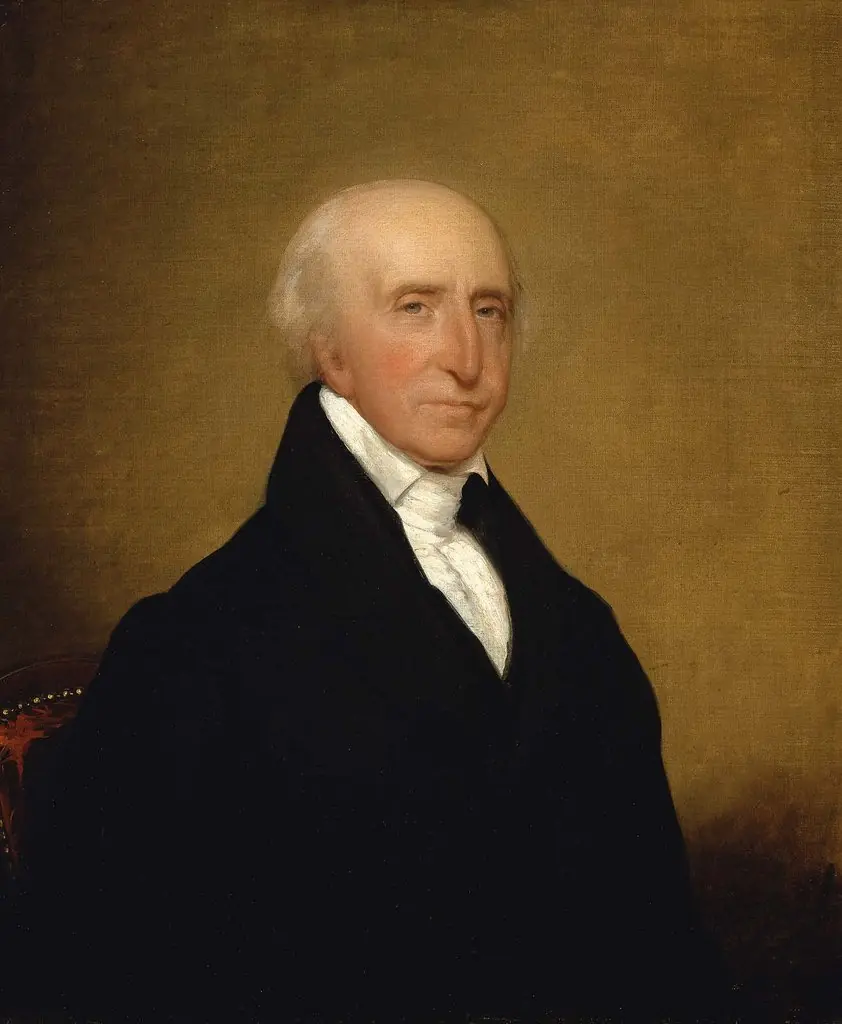
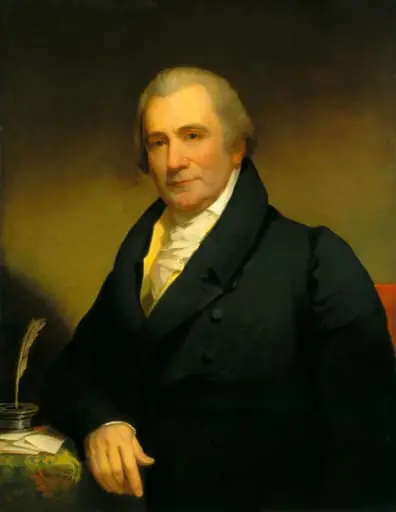
Judge Edward Hutchinson Robbins is an oil painting by the American Folk Art artist Chester (Charles) Harding. It dates from 1827 and is held in the collection of the Museum of Fine Arts Boston.
About this work
Overview
Chester Harding completed this oil portrait in 1827, depicting Judge Edward Hutchinson Robbins, a respected legal figure in early 19th-century Massachusetts.
Chester Harding completed this oil portrait in 1827, depicting Judge Edward Hutchinson Robbins, a respected legal figure in early 19th-century Massachusetts. Harding, primarily known for his portraiture of public figures in the United States and Britain, rendered Robbins with careful attention to presence and dignity. The painting is part of the Museum of Fine Arts, Boston’s permanent collection, reflecting its significance in American visual culture of the period.
Subject & Meaning
Judge Robbins is portrayed in formal attire—a black coat and white shirt—suggesting his judicial role and social standing. His serious expression and the rolled document in his right hand imply authority and engagement with legal matters. The book resting on the chair arm hints at scholarly habits, reinforcing his identity as a man of law and learning. The composition avoids ornamentation, focusing attention on the sitter’s character and composure.
Technique & Style
Harding employed oil paint to model form with subtle gradations of light and shadow, creating a three-dimensional presence against a dark, neutral background. The texture of fabric, the sheen of skin, and the softness of white hair are rendered with restrained precision. The red chair provides a muted contrast, grounding the figure without distracting from his stillness. The style reflects a blend of academic training and the direct observation characteristic of American portraiture of the era.
History & Provenance
The portrait was commissioned shortly after Robbins’ service on the Massachusetts Supreme Judicial Court. It remained in family hands until entering the Museum of Fine Arts, Boston’s collection in the 20th century. Its preservation reflects enduring interest in the visual record of early American legal figures. No major alterations or restorations are documented, and the painting retains its original frame and surface integrity.
Context
In the 1820s, American portraiture was shifting from colonial conventions toward more individualized representations. Harding, trained in Europe and active in Boston and Washington, D.C., helped bridge this transition. His portraits of judges, politicians, and military leaders contributed to a growing national archive of civic identity. This work aligns with efforts to visually define the nation’s emerging professional class.
Legacy
Harding’s portrait of Robbins stands as a quiet but enduring record of judicial authority in antebellum America. It contributes to the broader understanding of how civic leaders were visually represented during a formative period in U.S. history. While not widely exhibited, it remains a reference point for scholars studying the intersection of law, identity, and portraiture in early 19th-century New England.
Own this work as a print
Artist & collection
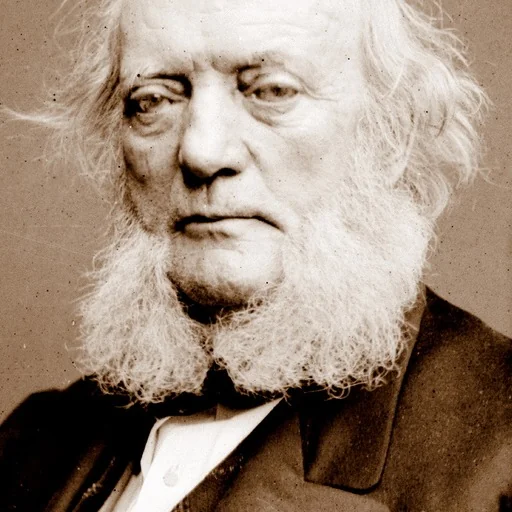
Artist
Chester Harding (September 1, 1792 – April 1, 1866) was an American portrait painter known for his paintings of prominent figures in the United States and England.