Artwork
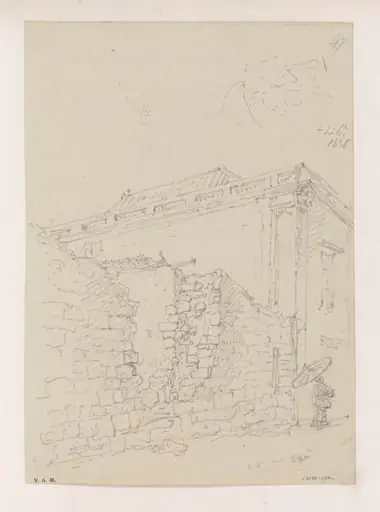
The church of San Domingos, Macau, seen from behind the precinct wall
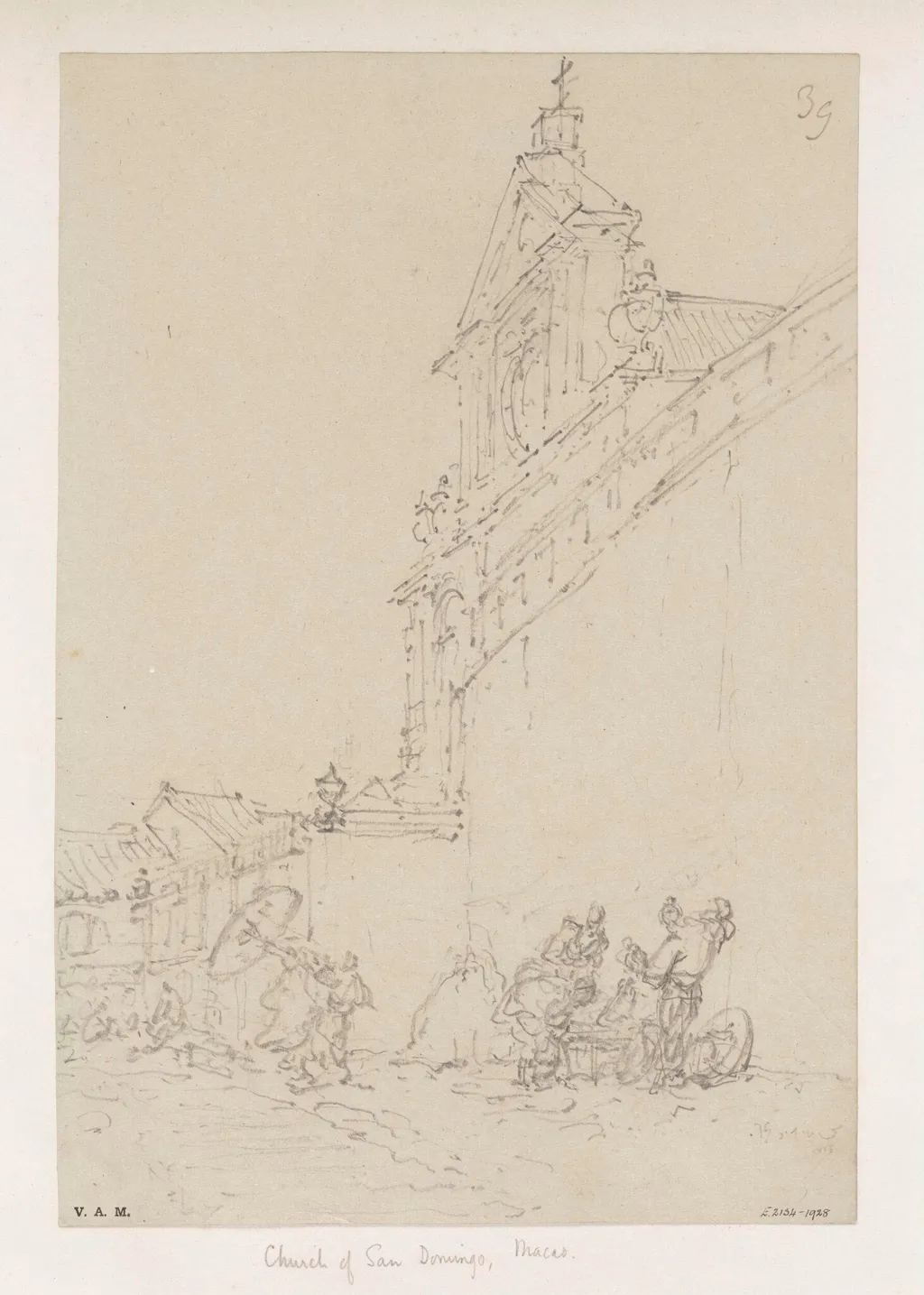
The church of San Domingos, Macau, seen from behind the precinct wall is a drawing by the Romanticist artist George Chinnery. It dates from 19 and is held in the collection of the Victoria and Albert Museum.
About this work
Overview
This pencil drawing captures a quiet moment in Macau’s urban landscape, framing the upper facade of the Church of San Domingos as it rises above a substantial brick wall. Below, the street bustles with ordinary activity: a food stall draws a small crowd, while two Macanese women walk beneath a parasol held by a man, their movement subtly anchoring the scene in daily life.
Subject & Meaning
The composition juxtaposes sacred architecture with secular commerce and domestic routine. The church, partially obscured, suggests spiritual presence as a backdrop to earthly life. The figures—vendors, patrons, and the parasol-bearer—reflect Macau’s multicultural society, where Portuguese, Chinese, and mixed-heritage communities coexisted in shared public spaces.
Technique & Style
George Chinnery employs swift, fluid lines to convey motion and texture: the roughness of the wall, the folds of clothing, the dappled shadows under the parasol. His loose, observational approach avoids idealization, favoring immediacy. The drawing’s spontaneity reflects his habit of sketching outdoors, capturing fleeting moments with minimal correction.
History & Provenance
Chinnery resided in Macau from the early 1820s until his death in 1852, producing hundreds of sketches documenting local life. This work likely dates to the 1830s or 1840s, when he frequently recorded street scenes around the church district. The drawing survives as part of a private collection, passed down through family or acquired by collectors interested in colonial-era Asia.
Context
San Domingos Church, built by Dominican friars in the 16th century, stood as a landmark in Macau’s Portuguese quarter. By Chinnery’s time, the area was a nexus of trade and cultural exchange. His drawings offer rare visual records of daily life in a port city where East met West, often overlooked in official histories of the period.
Legacy
Chinnery’s sketches of Macau remain among the most detailed visual accounts of 19th-century urban life in the region. Though not widely exhibited during his lifetime, his work has since become a key resource for historians studying cross-cultural interaction, urban morphology, and the everyday aesthetics of colonial Asia.
Artist & collection
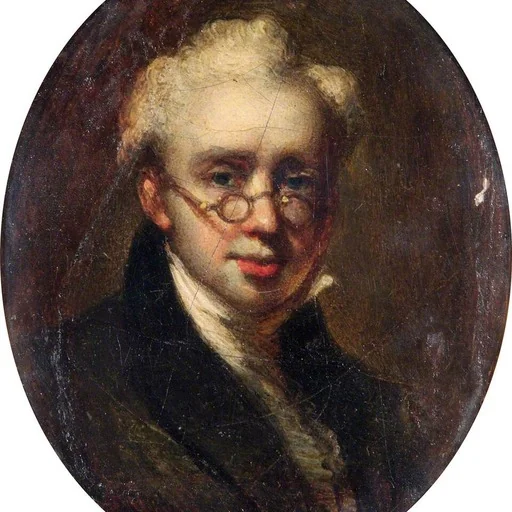
Artist
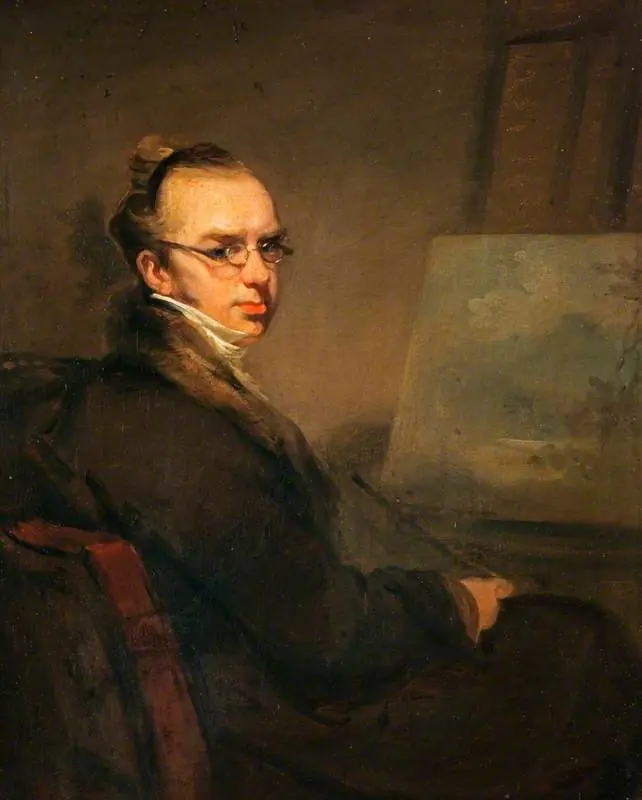
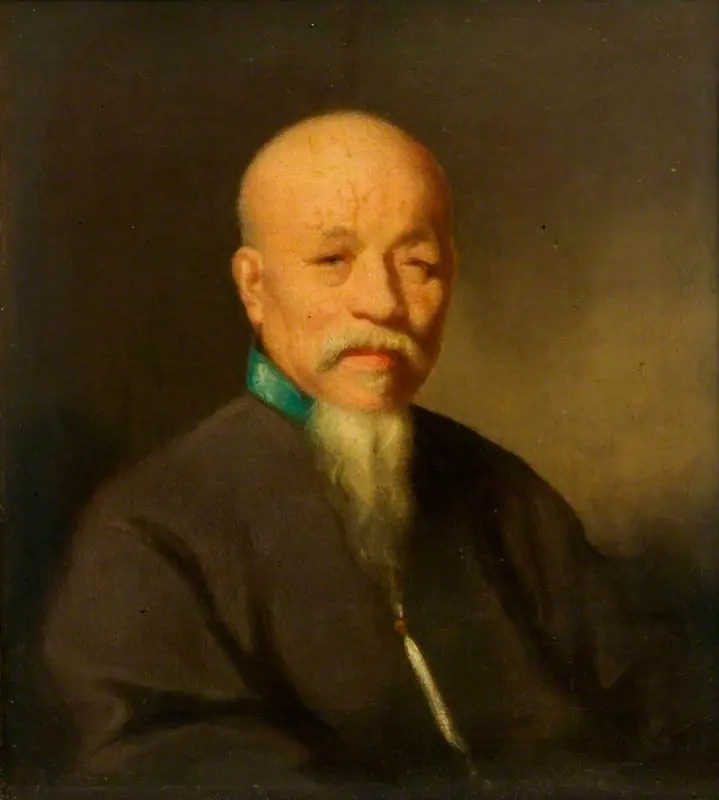
George Chinnery (Chinese: 錢納利; 5 January 1774 – 30 May 1852) was an English painter who spent most of his life in Asia, especially India and southern China.

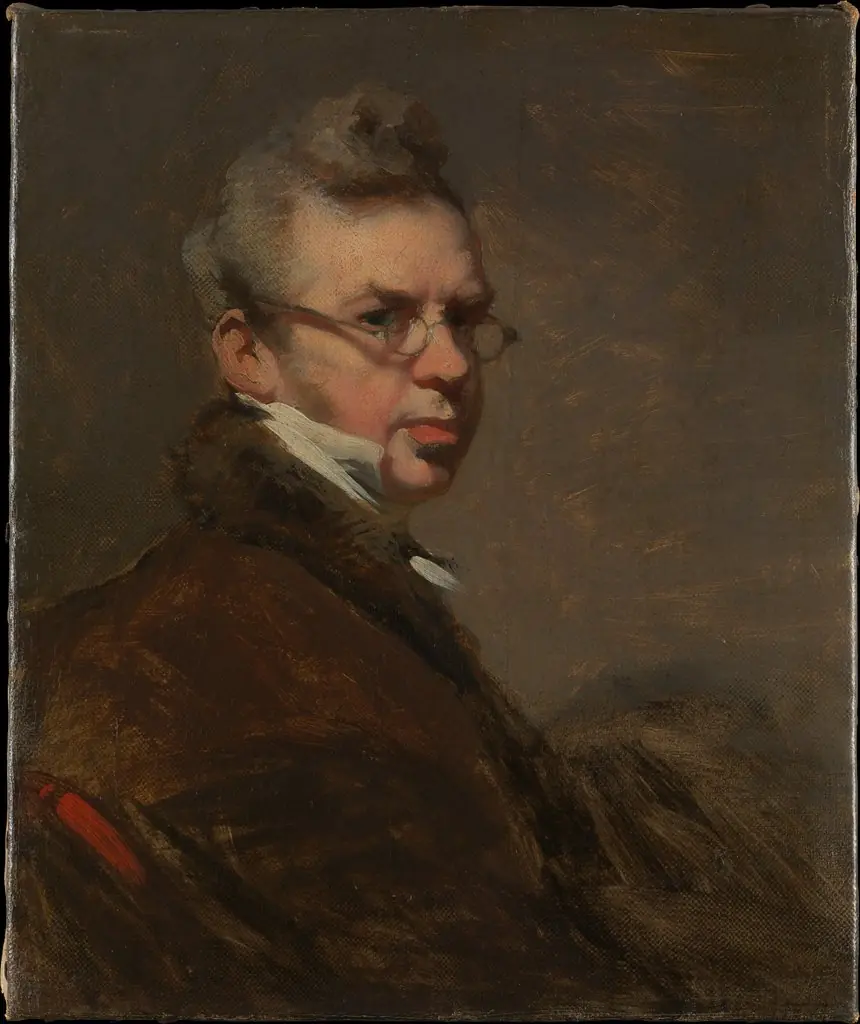
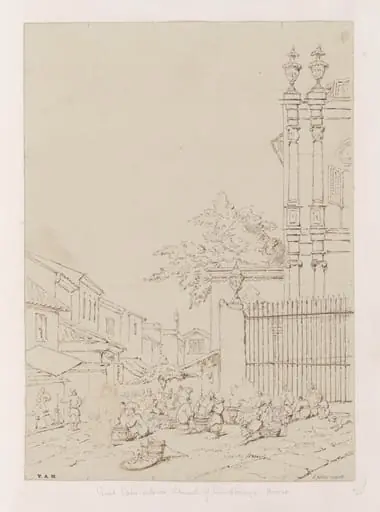 The market outside the church of S. Domingos, Macau
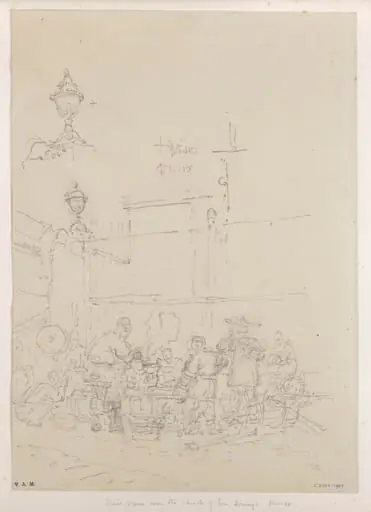 Market stalls outside S. Domingos Church, Macau
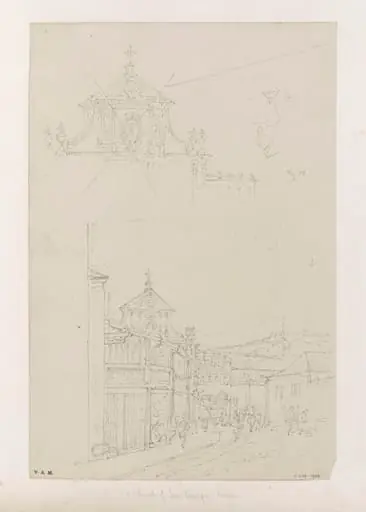 The church of San Domingos, Macau
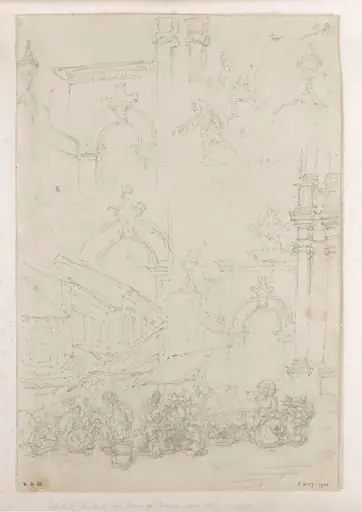 The market by the Church of S. Domingos, Macau, with other architecture
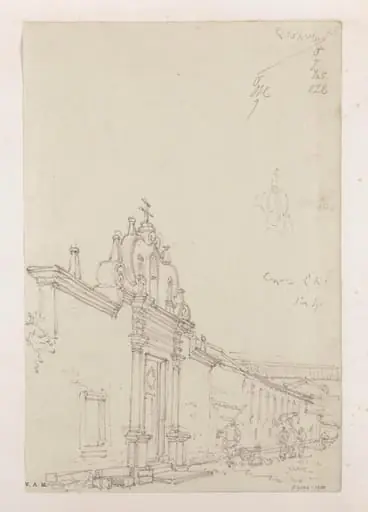 The gateway to the convent of Santa Clara, Macau
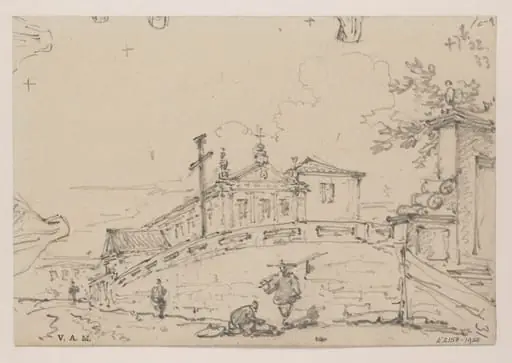 A church in Macau
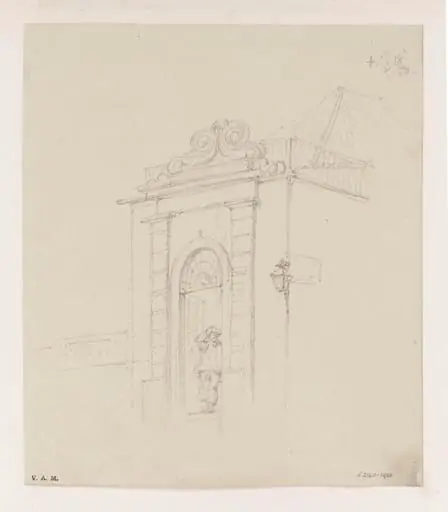 A figure in a doorway, Macau
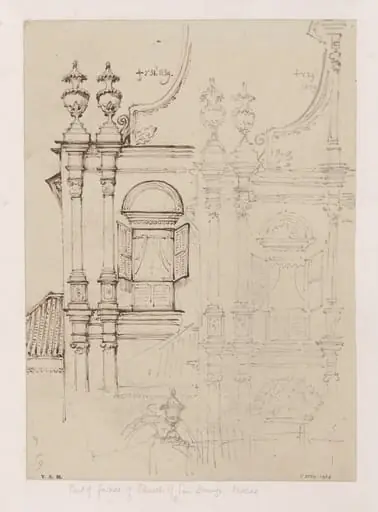 The church of S. Domingos, Macau
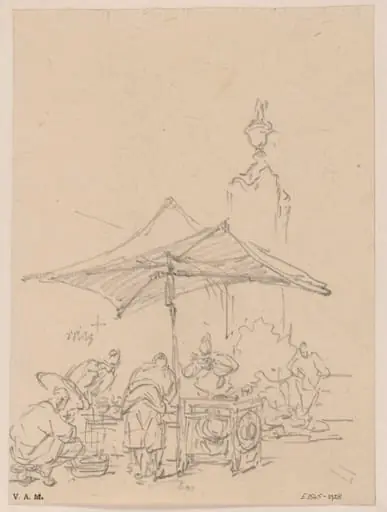 Chinese figures at a food stall
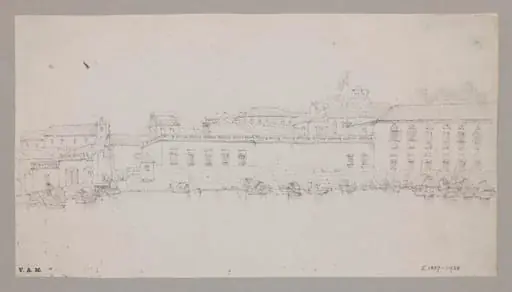 Buildings flanking the Inner Harbour, Macau
 A street with a damaged stone wall, Macau