Artwork
Jysk landskab. Klar dag i maj
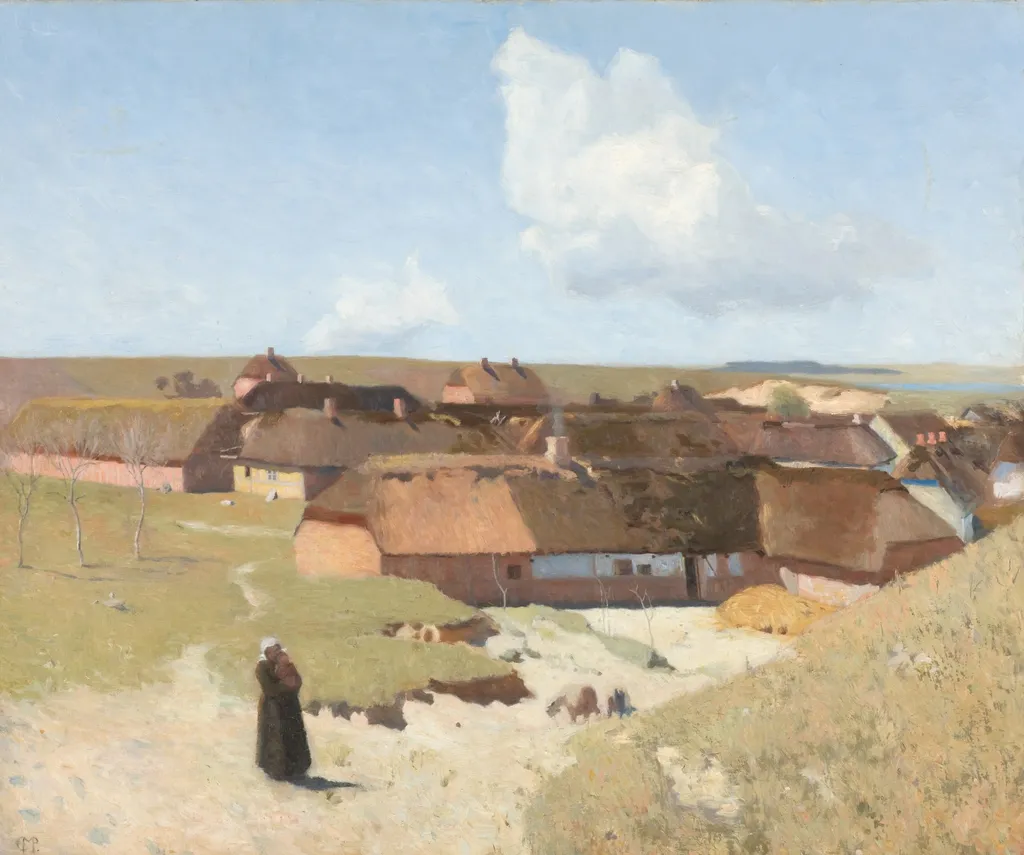
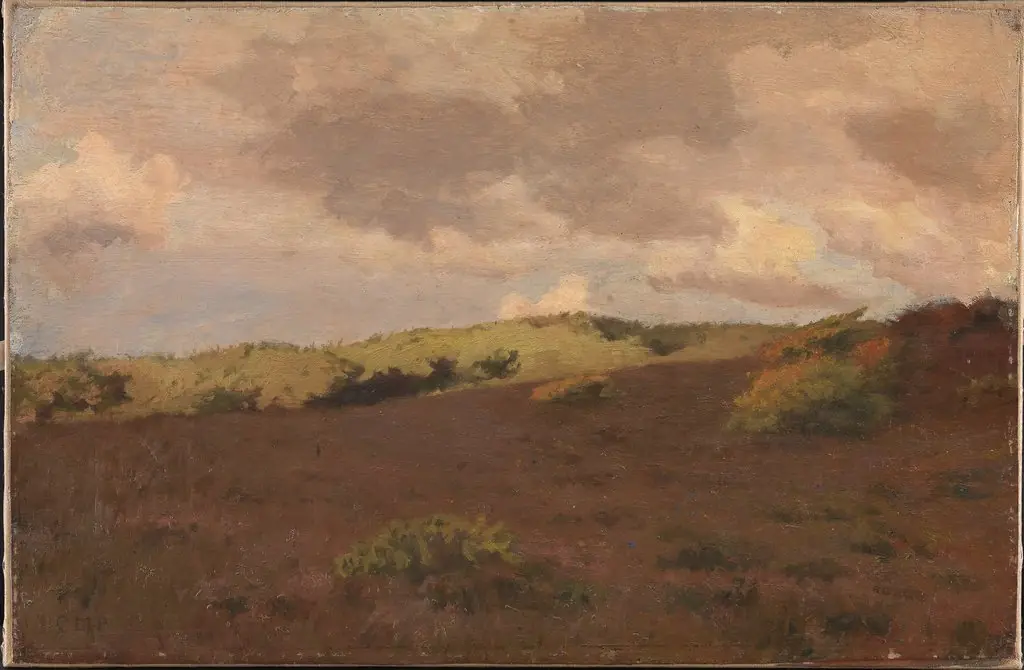
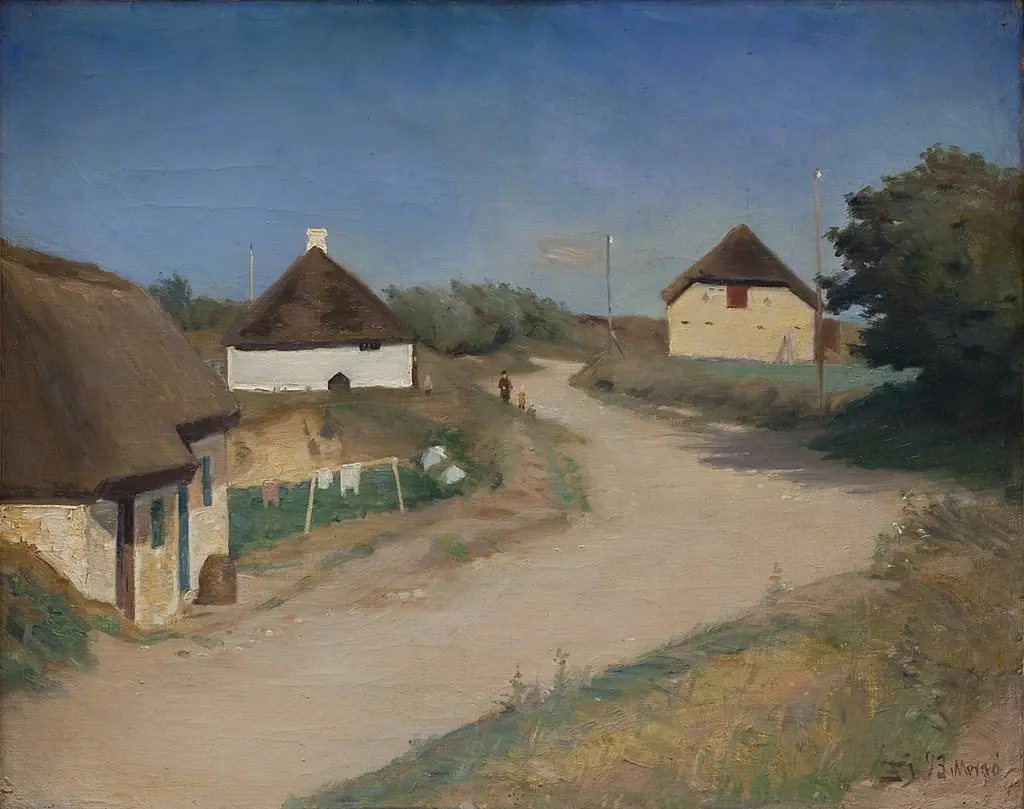
Jysk landskab. Klar dag i maj is an oil painting by the Impressionist artist Christian Mourier-Petersen. It dates from 1896 and is held in the collection of the Statens Museum for Kunst. Jysk landskab.
About this work
Overview
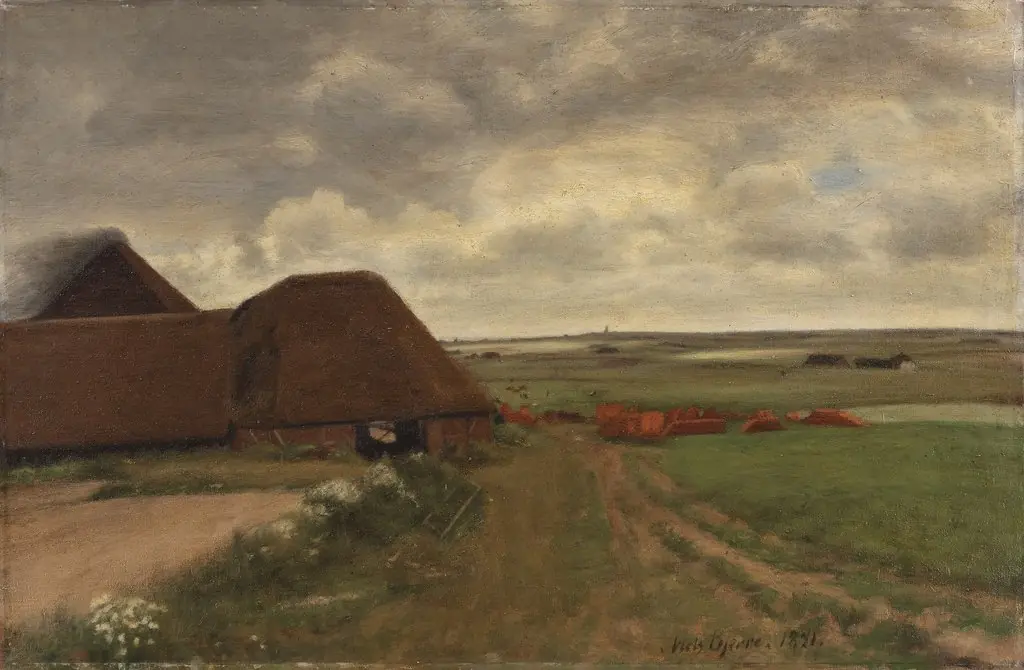
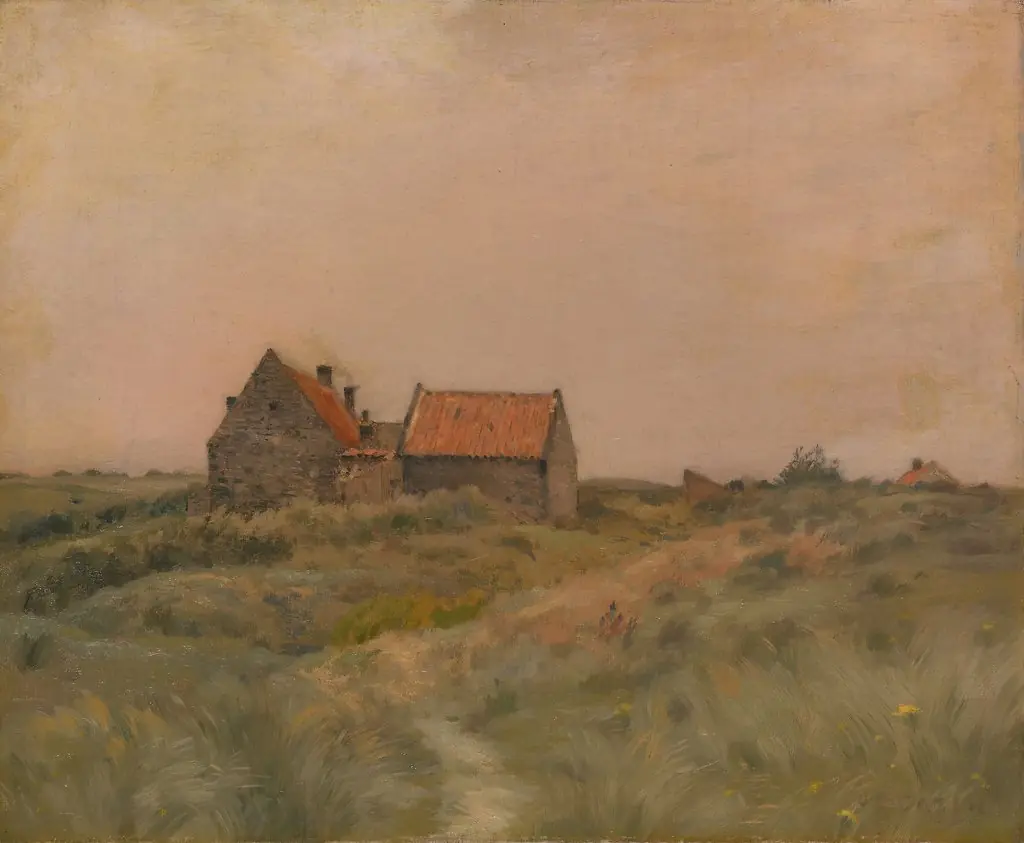
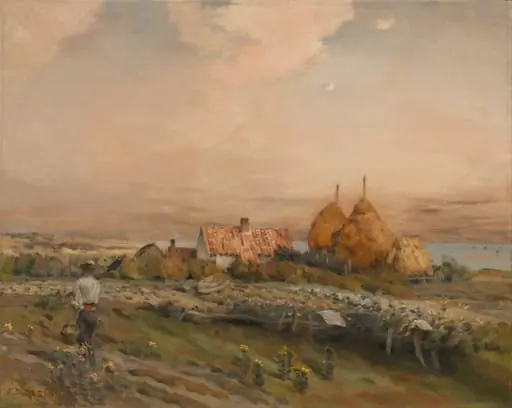
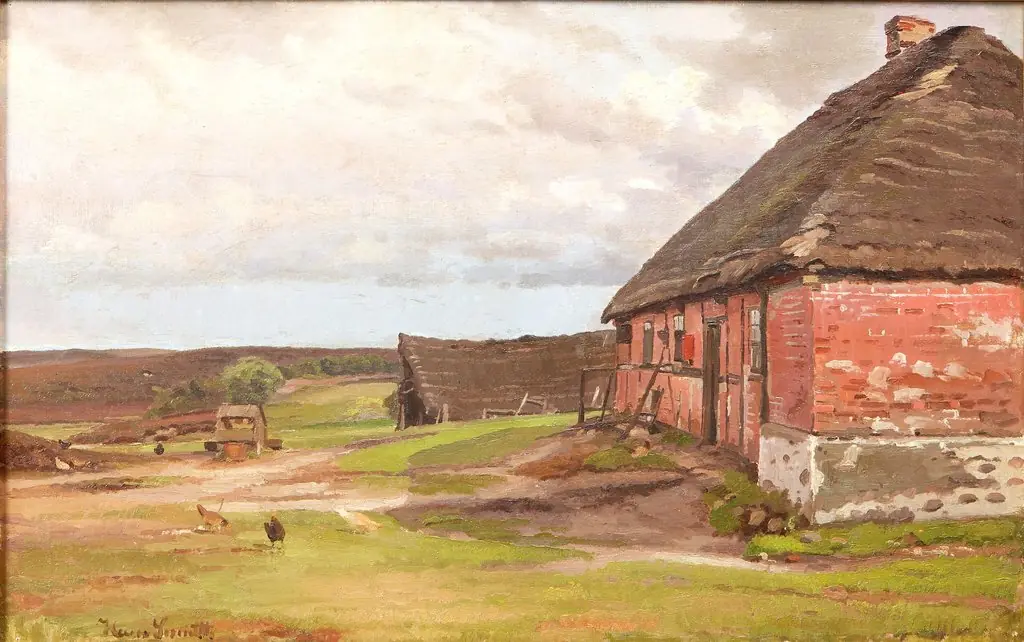
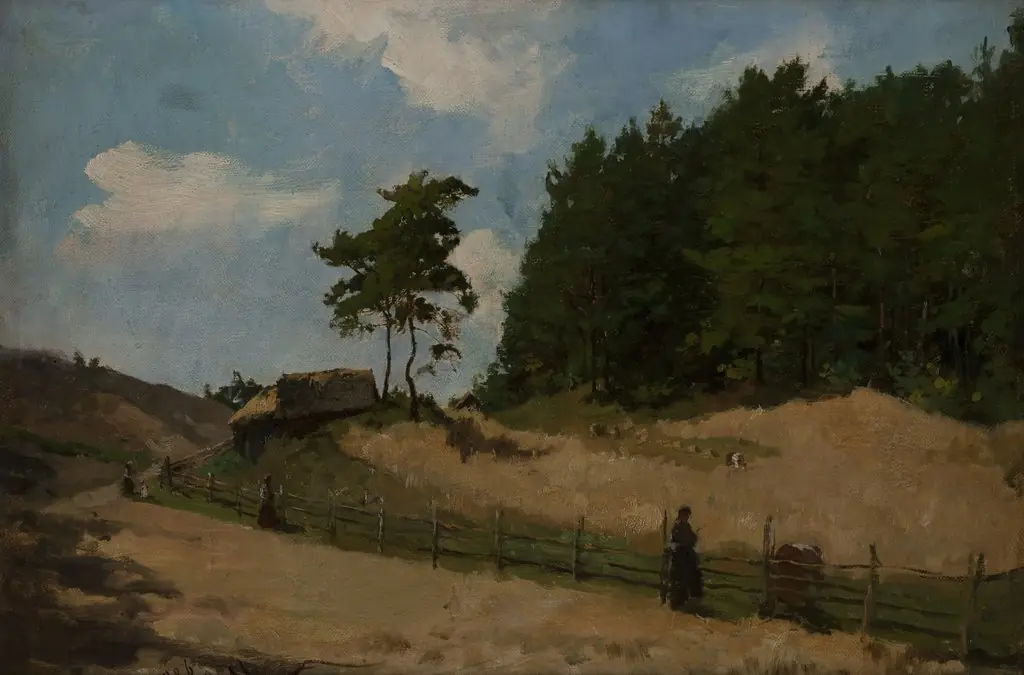
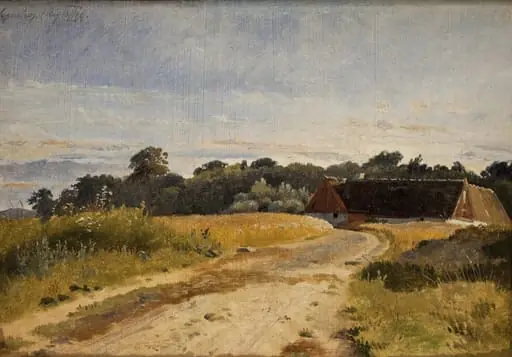
Jysk landskab. Klar dag i maj is an 1896 oil painting by Danish artist Christian Mourier-Petersen. It depicts a rural scene in Jutland on a bright spring day. The work is part of the permanent collection at Statens Museum for Kunst in Copenhagen. Its composition balances quiet naturalism with expressive brushwork, reflecting late 19th-century Danish landscape traditions.
Subject & Meaning
The painting presents a modest village nestled among gentle hills, with scattered trees and buildings suggesting rural life.
The painting presents a modest village nestled among gentle hills, with scattered trees and buildings suggesting rural life. A solitary figure in the foreground anchors the viewer’s perspective, emphasizing solitude and scale. The clear May daylight evokes a moment of stillness, not narrative. The absence of human activity invites contemplation of the land itself, rather than its use or occupation.
Technique & Style
Mourier-Petersen employs thick, deliberate brushstrokes to convey texture in grass, foliage, and distant structures. Color is applied with sensitivity to natural light, using cool greens and soft blues to suggest atmospheric depth. The paint surface retains visible motion, avoiding smooth blending in favor of energetic, tactile marks that animate the landscape without overwhelming its calm.
History & Provenance
Completed in 1896, the painting entered the collection of Statens Museum for Kunst shortly after its creation. It remained within Danish public collections without significant public exhibition or sale history. Its preservation reflects institutional interest in regional landscape painting from the period, though Mourier-Petersen’s broader oeuvre received limited attention outside Denmark.
Context
Created during a time when Danish artists were increasingly turning to rural subjects, the work aligns with the national trend of documenting everyday landscapes. Unlike urban or historical themes, this scene embraces quietude and local topography. It reflects a broader cultural shift toward valuing the ordinary, influenced by both naturalism and emerging national identity in art.
Legacy
The painting remains a representative example of late 19th-century Danish landscape painting, though Mourier-Petersen is not widely recognized beyond national circles. Its presence in the national museum underscores its role as a quiet document of regional scenery. It contributes to the understanding of how Danish artists interpreted their own land without romanticism or grandeur.
Own this work as a print
Artist & collection
Artist
Christian Mourier-Petersen painted quiet, realistic portraits and landscapes in late-19th-century Denmark.