Artwork
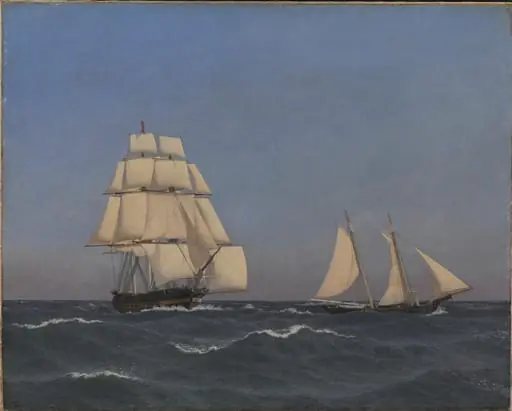
A Privateer Outsailing a Pursuing Frigate
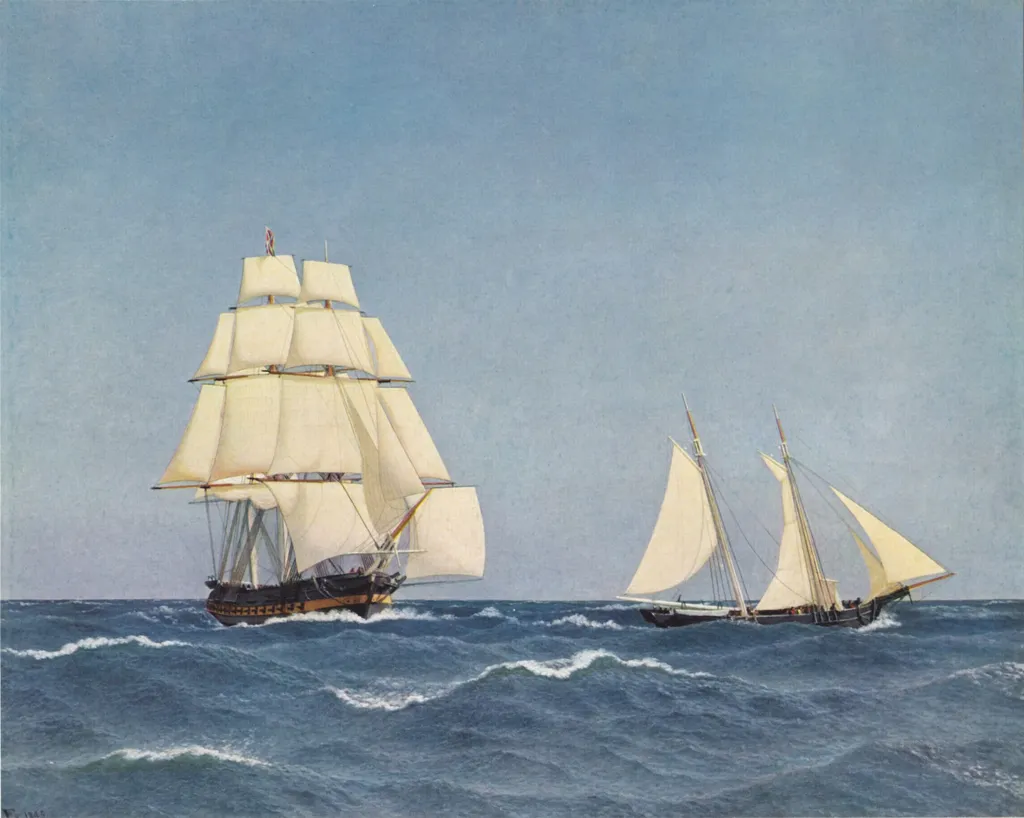
A Privateer Outsailing a Pursuing Frigate is an oil painting by Christoffer Wilhelm Eckersberg. It dates from 1845 and is held in the collection of the Statens Museum for Kunst.
About this work
Overview
Painted in 1845 by Christoffer Wilhelm Eckersberg, this oil-on-canvas work captures a moment of naval pursuit off the open sea.
Painted in 1845 by Christoffer Wilhelm Eckersberg, this oil-on-canvas work captures a moment of naval pursuit off the open sea. As a leading figure in Danish art, Eckersberg turned to maritime subjects with precision and restraint. The painting belongs to the marine tradition and is part of the permanent collection at Statens Museum for Kunst in Copenhagen, reflecting his sustained interest in naval dynamics and atmospheric realism.
Subject & Meaning
The scene portrays a privateer vessel, armed and swift, attempting to escape a larger naval frigate. The privateer, with three masts and a flag raised, represents commerce-driven warfare, while the frigate symbolizes state power. The absence of battle, focusing instead on evasion, suggests a narrative of survival and strategy. The tension lies not in combat but in the race across water, emphasizing speed, skill, and the unpredictability of the sea.
Technique & Style
Eckersberg employs precise draftsmanship and controlled chiaroscuro to define the ships’ forms against the sea. The sails, rendered in crisp white, catch the light with subtle gradations, while the choppy waves are suggested through swift brushwork and foreshortened crests. The pale, cloudless sky provides a neutral backdrop, heightening the contrast between vessel and element. No extraneous detail distracts from the motion and spatial relationship between the two ships.
History & Provenance
Created late in Eckersberg’s career, the painting reflects his lifelong engagement with maritime themes, developed through years of study in France and Italy and later teaching at the Royal Danish Academy. It entered the collection of Statens Museum for Kunst shortly after its completion, where it has remained as part of Denmark’s national artistic heritage, documenting the country’s naval and commercial history through visual precision.
Context
In the mid-19th century, Denmark’s naval identity was shaped by its role in global trade and the legacy of privateering during the Napoleonic Wars. Though formal privateering had declined by 1845, its memory persisted in cultural memory. Eckersberg’s depiction aligns with broader European trends in marine painting, yet his focus on quiet tension rather than spectacle distinguishes it as a distinctly Danish interpretation of maritime drama.
Legacy
Eckersberg’s work helped establish a national school of painting grounded in observation and technical discipline. This painting exemplifies his influence on later Danish artists who turned to everyday maritime scenes with clarity and restraint. Its quiet intensity, devoid of heroism or spectacle, contributed to a more introspective tradition in Nordic marine art, valued for its fidelity to natural conditions and human endeavor at sea.
Own this work as a print
Artist & collection
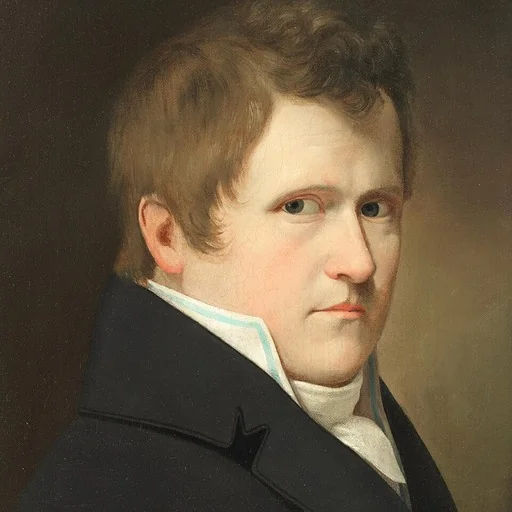
Artist
Christoffer Wilhelm Eckersberg
Christoffer Wilhelm Eckersberg (2 January 1783 – 22 July 1853) was a Danish painter.

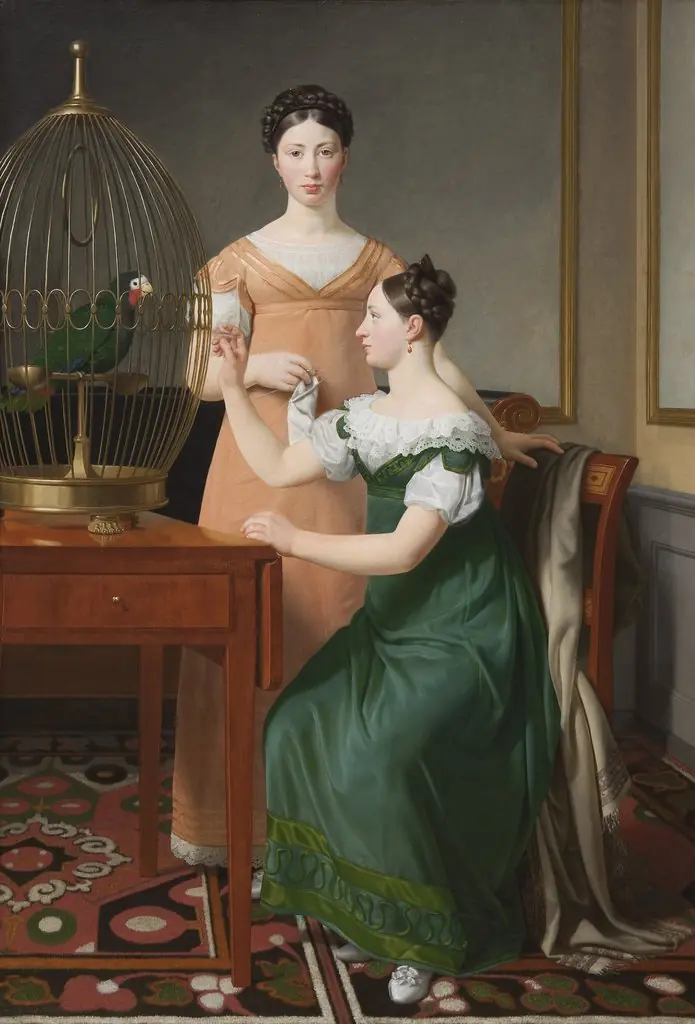 Bella and Hanna. The Eldest Daughters of M. L. Nathanson
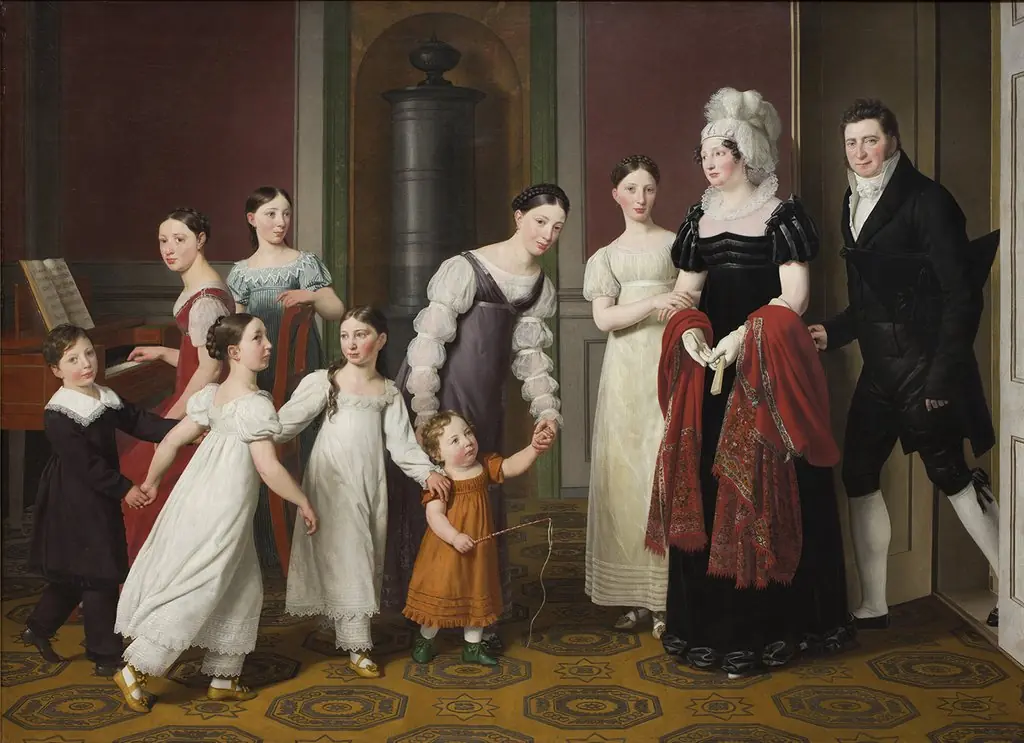 Familien Nathanson
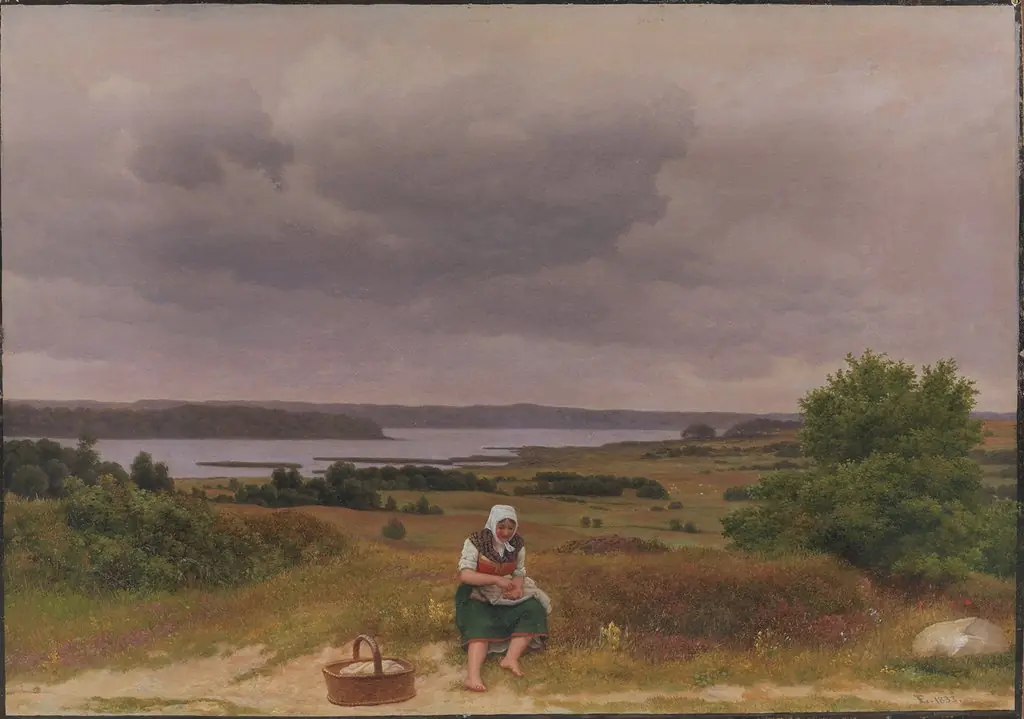 View of Lake Fure near Rudersdal, North Sealand.
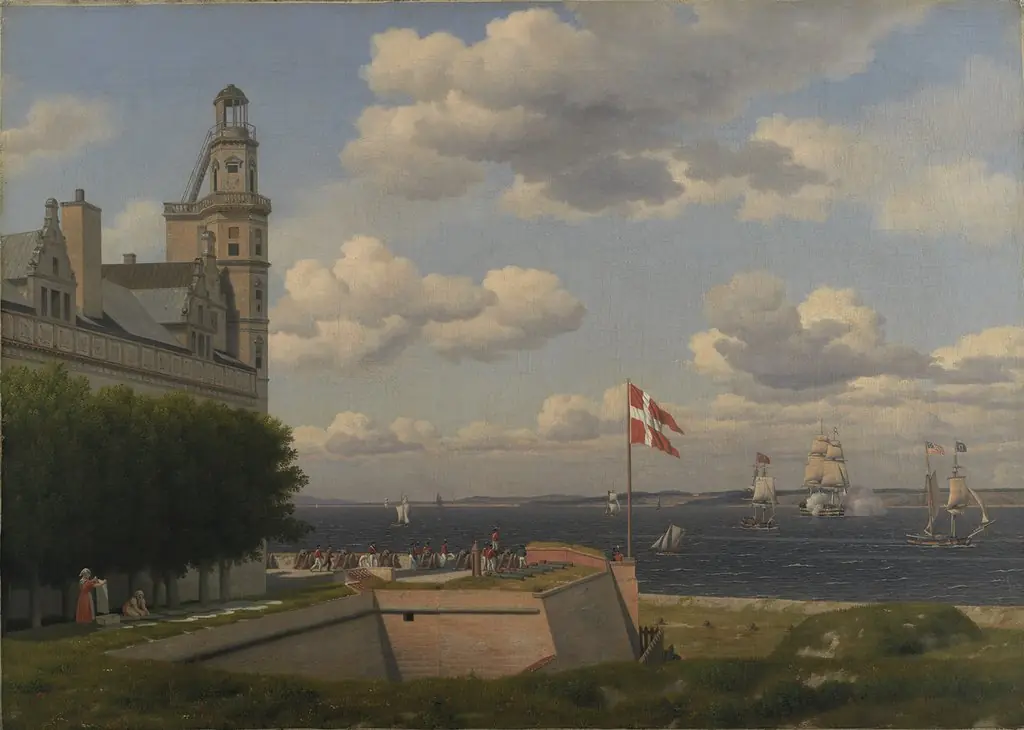 A View towards the Swedish Coast from the Ramparts of Kronborg Castle
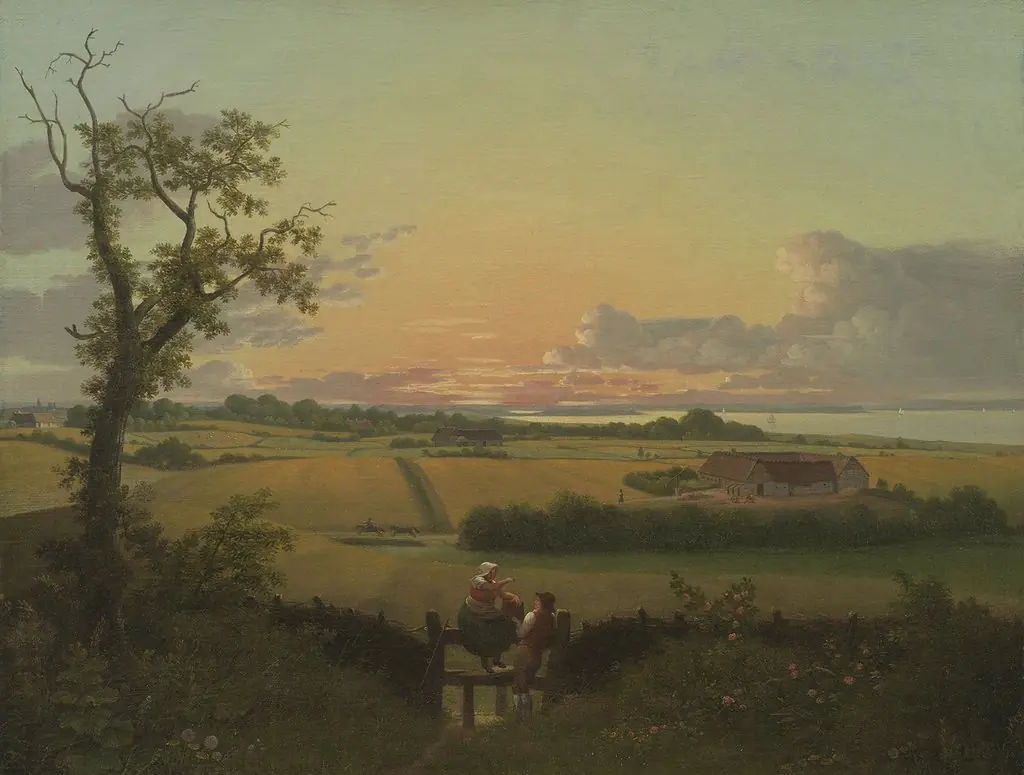 Landscape with a Stile. The Isle of Møn
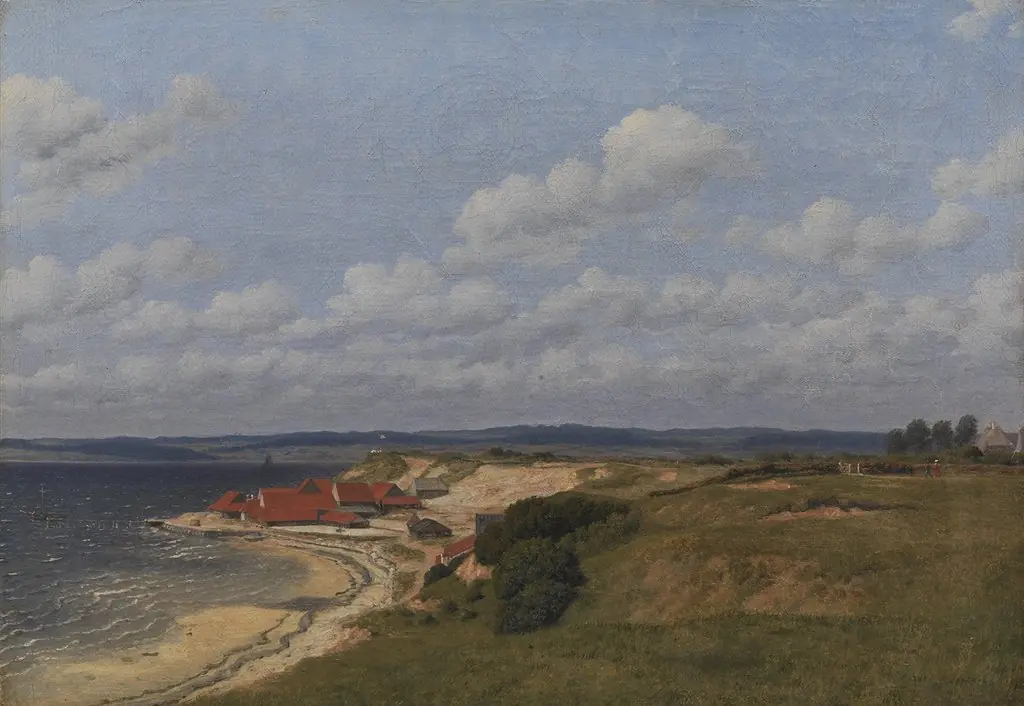 Renbjærg Tileworks by Flensburg Fiord
 View of the Cloaca Maxima, Rome
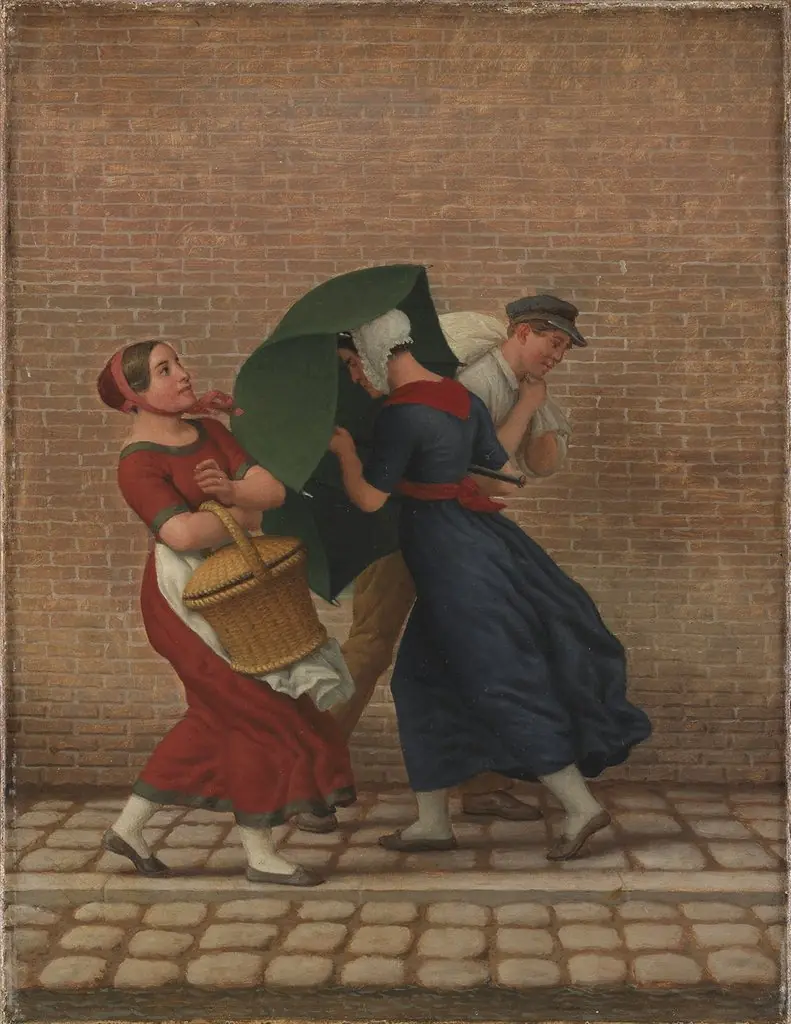 Street Scene in Windy and Rainy Weather