Artwork
Study of Clouds over the Sound
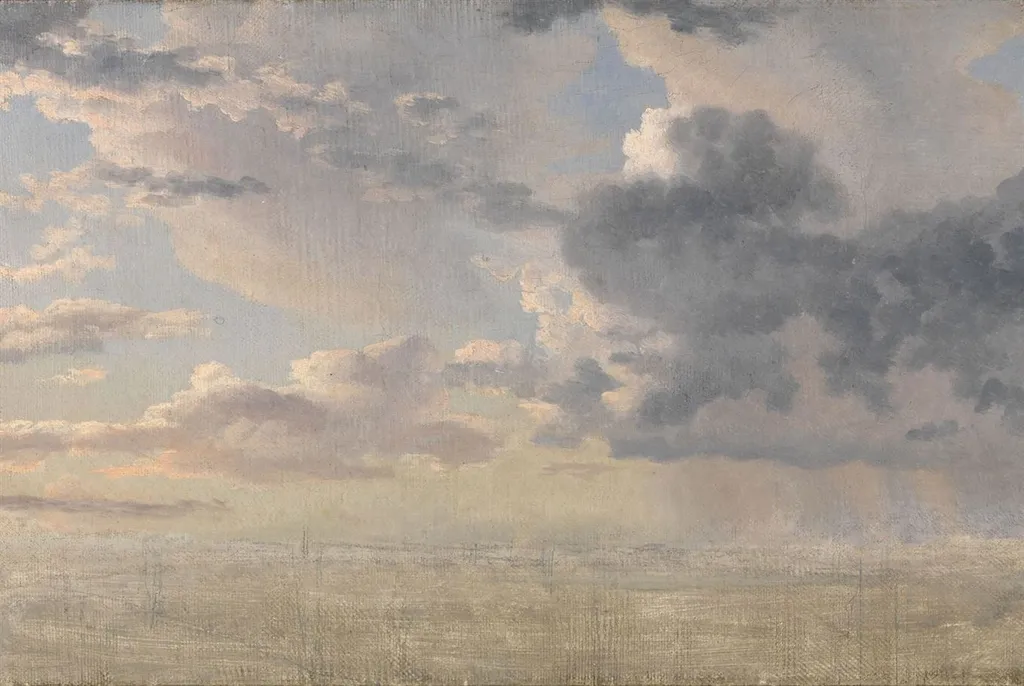
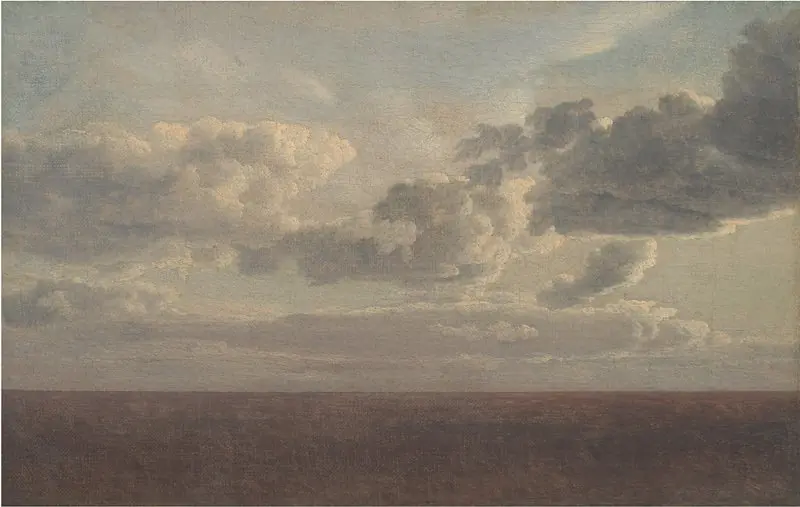
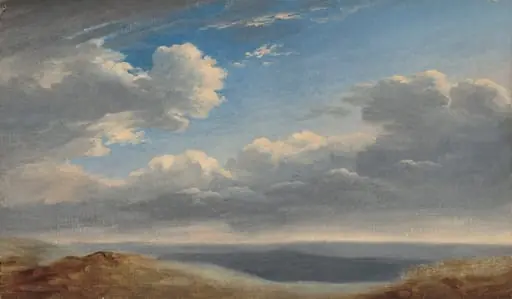
Study of Clouds over the Sound is an oil painting by Christoffer Wilhelm Eckersberg. It dates from 1826 and is held in the collection of the Statens Museum for Kunst.
About this work
Overview
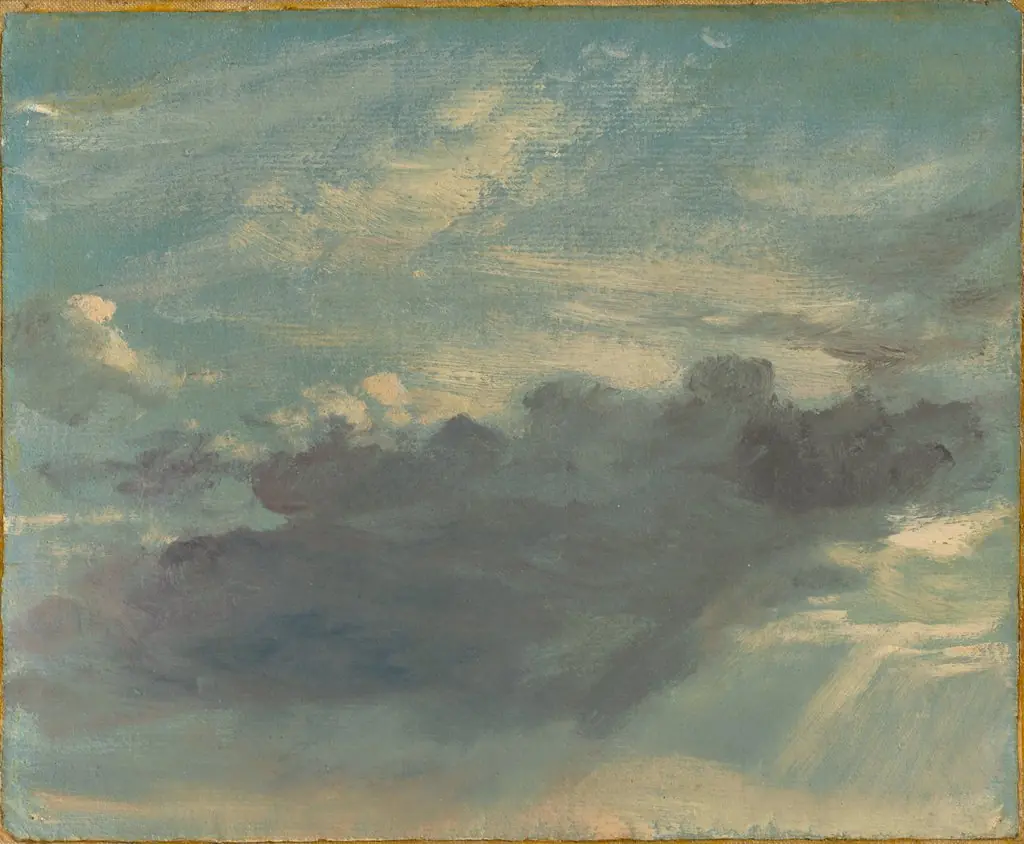
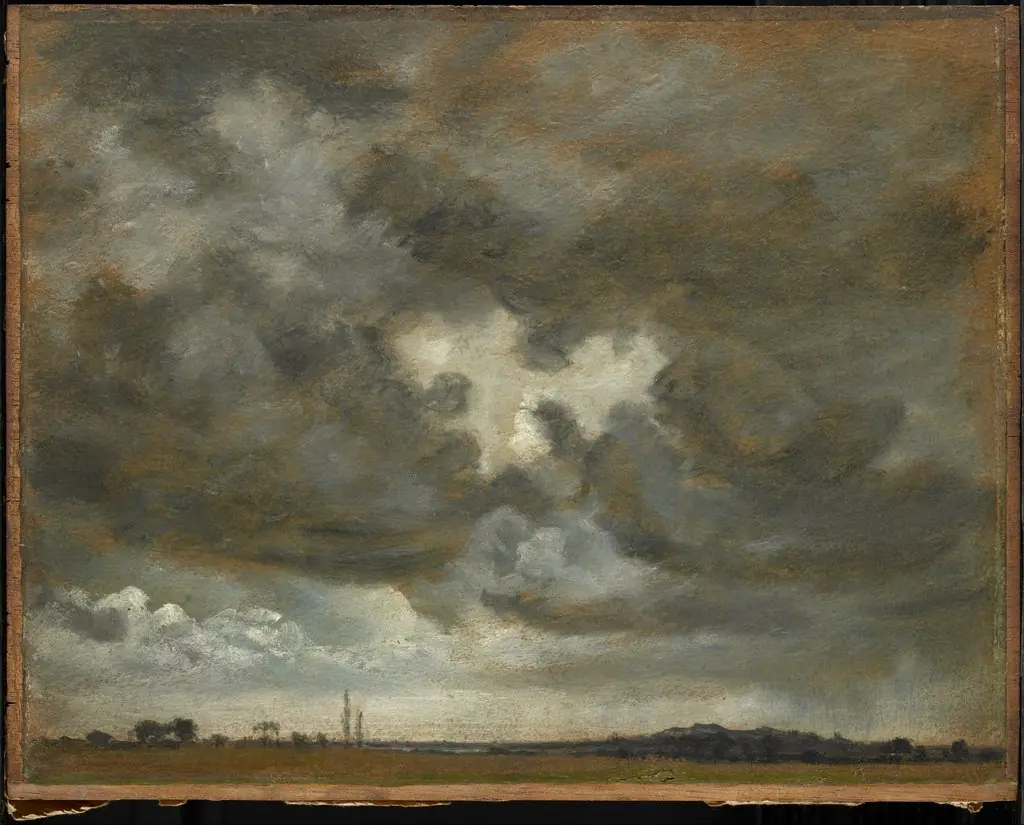
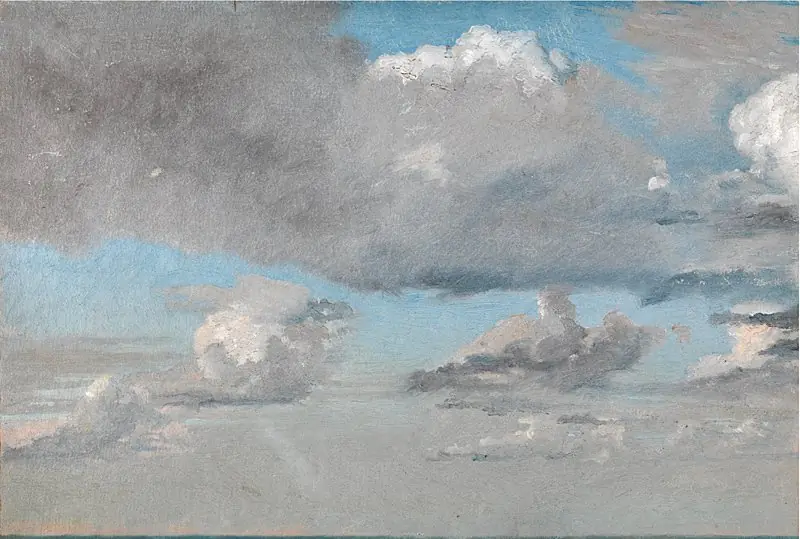
Christoffer Wilhelm Eckersberg’s 1826 canvas entitled *Study of Clouds over the Sound* presents a tranquil aerial scene. The composition is dominated by a broad expanse of sky where light, billowy clouds drift across a pale horizon. Rendered in a restrained palette of whites, grays and soft blues, the work conveys a sense of atmospheric stillness that invites quiet contemplation.
Subject & Meaning
The painting captures a fleeting moment of weather, focusing solely on the interplay of light and form within the clouds. By omitting detailed landscape or human activity, Eckersberg emphasizes the natural transience of the sky, suggesting a meditation on the ever‑changing yet timeless qualities of the Danish coastal environment.
Technique & Style
Eckersberg employs rapid, loose brushstrokes that convey the movement of clouds as they shift across the heavens. The subtle gradations of tone are achieved through smooth blending, reminiscent of sfumato, creating a soft, hazy atmosphere. The limited color range and delicate handling reinforce the airy, almost tactile quality of the sky.
History & Provenance
Created during the early phase of the Danish Golden Age, the canvas entered the collection of Statens Museum for Kunst, Denmark’s national gallery, where it remains on public view. Its acquisition reflects the museum’s commitment to preserving works by artists central to the development of 19th‑century Danish art.
Context
Eckersberg, often called the “Father of Danish painting,” played a pivotal role in establishing a national artistic identity. *Study of Clouds over the Sound* exemplifies his interest in plein‑air observation and his influence on students who would continue the realist and naturalist traditions that defined the period’s visual culture.
Artist & collection
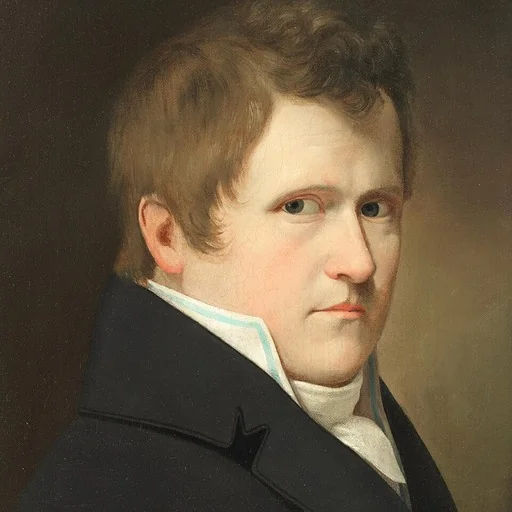
Artist
Christoffer Wilhelm Eckersberg
Christoffer Wilhelm Eckersberg (2 January 1783 – 22 July 1853) was a Danish painter.

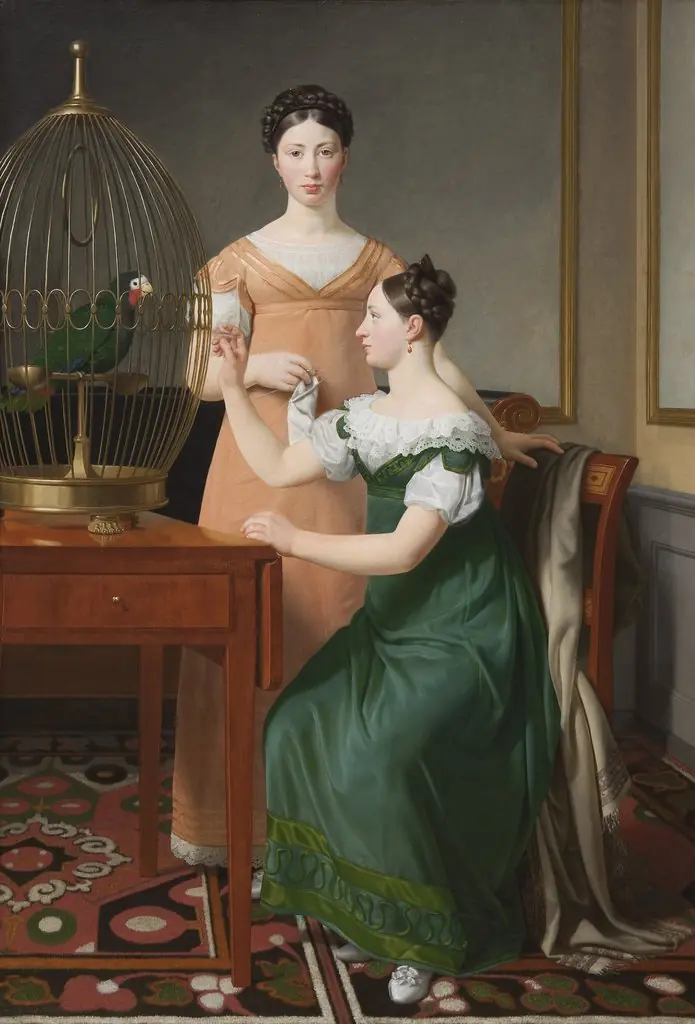 Bella and Hanna. The Eldest Daughters of M. L. Nathanson
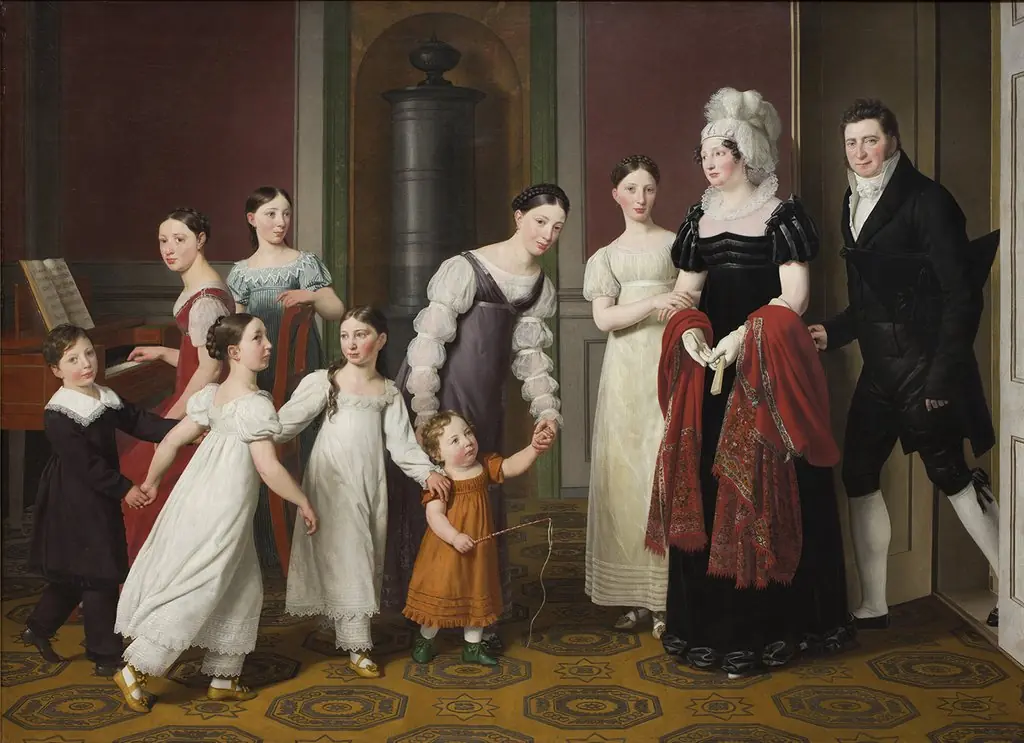 Familien Nathanson
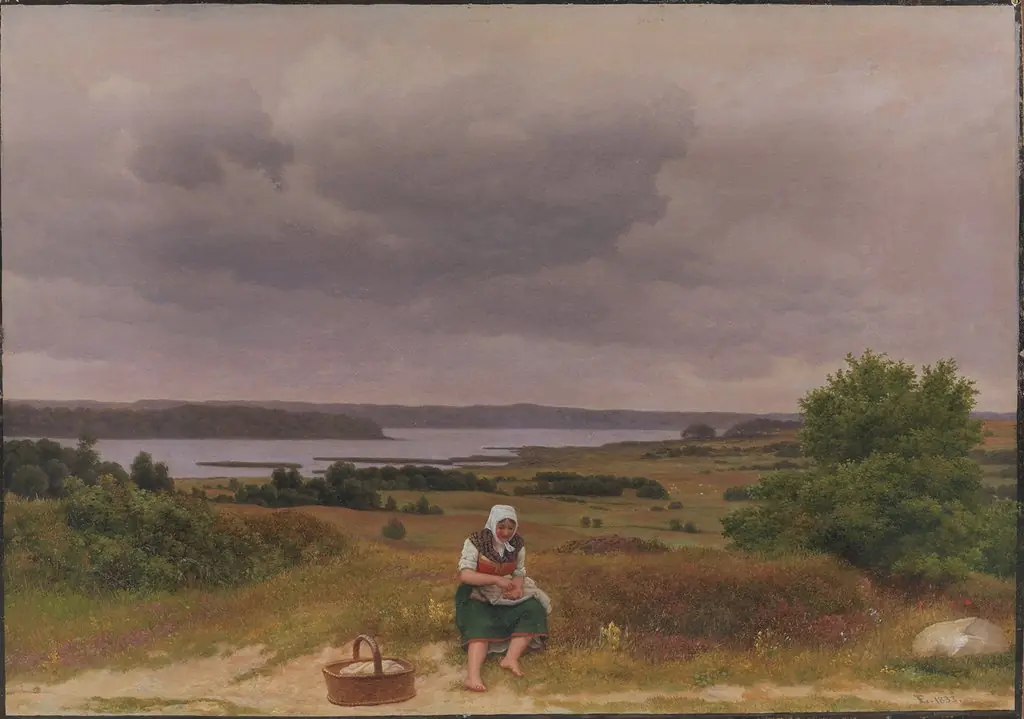 View of Lake Fure near Rudersdal, North Sealand.
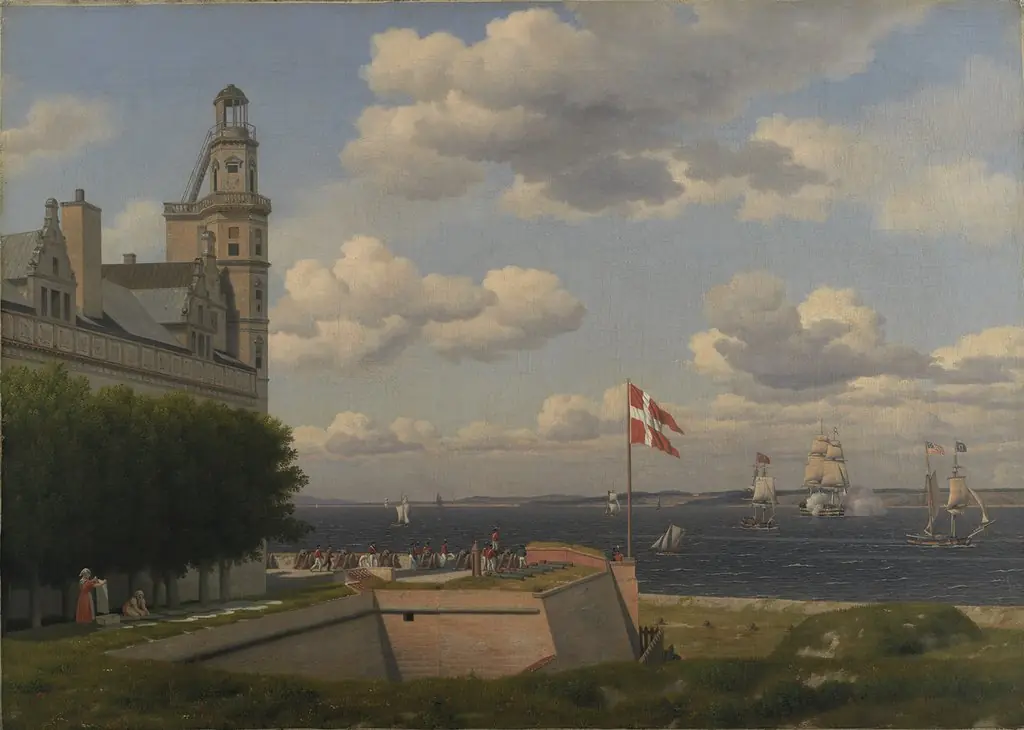 A View towards the Swedish Coast from the Ramparts of Kronborg Castle
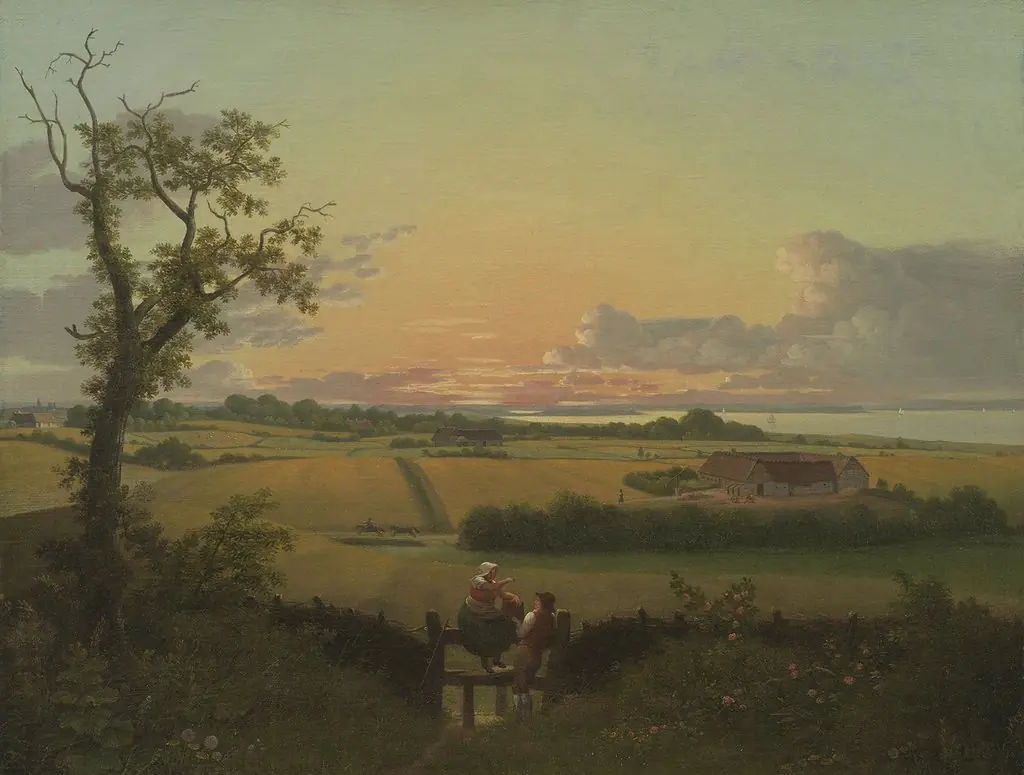 Landscape with a Stile. The Isle of Møn
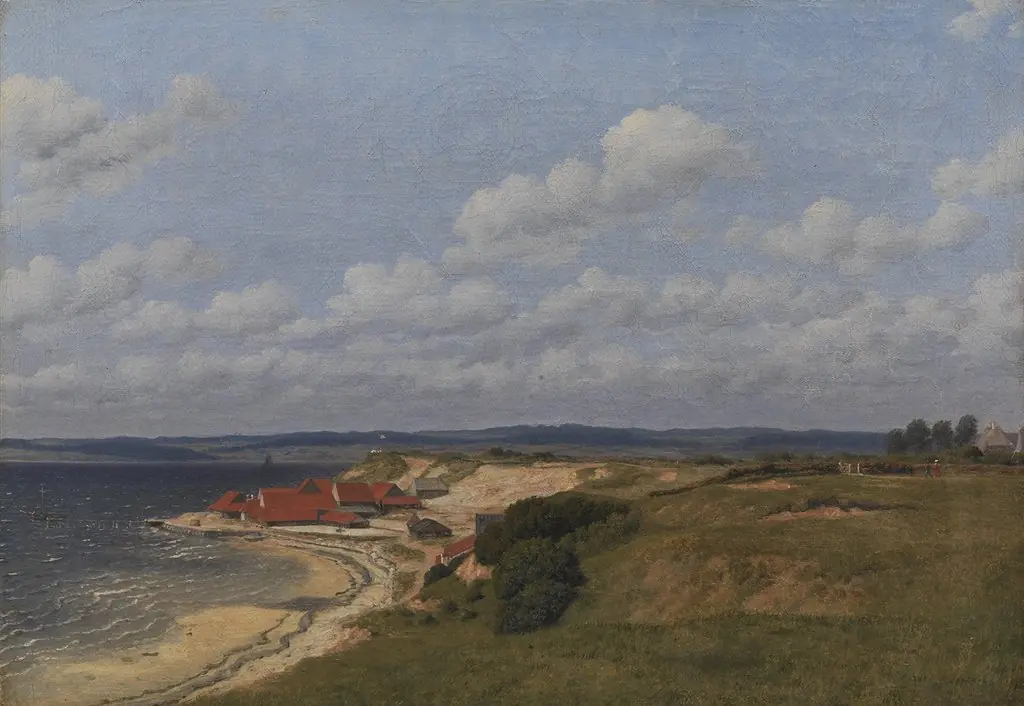 Renbjærg Tileworks by Flensburg Fiord
 View of the Cloaca Maxima, Rome
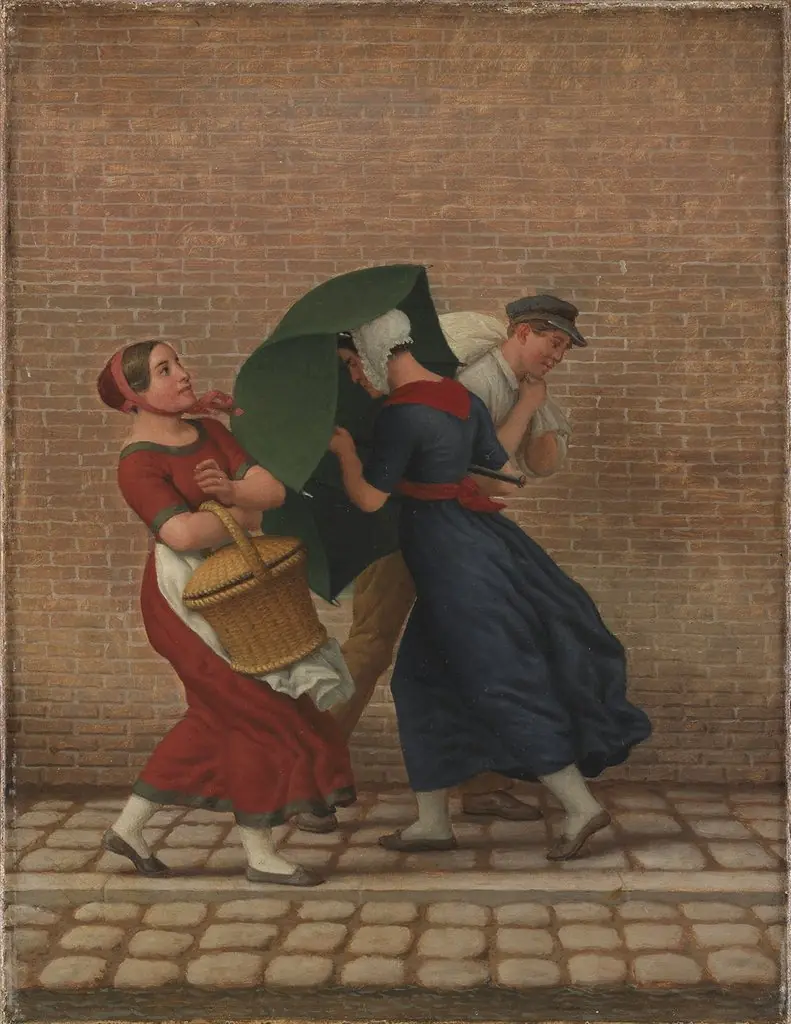 Street Scene in Windy and Rainy Weather