Artwork
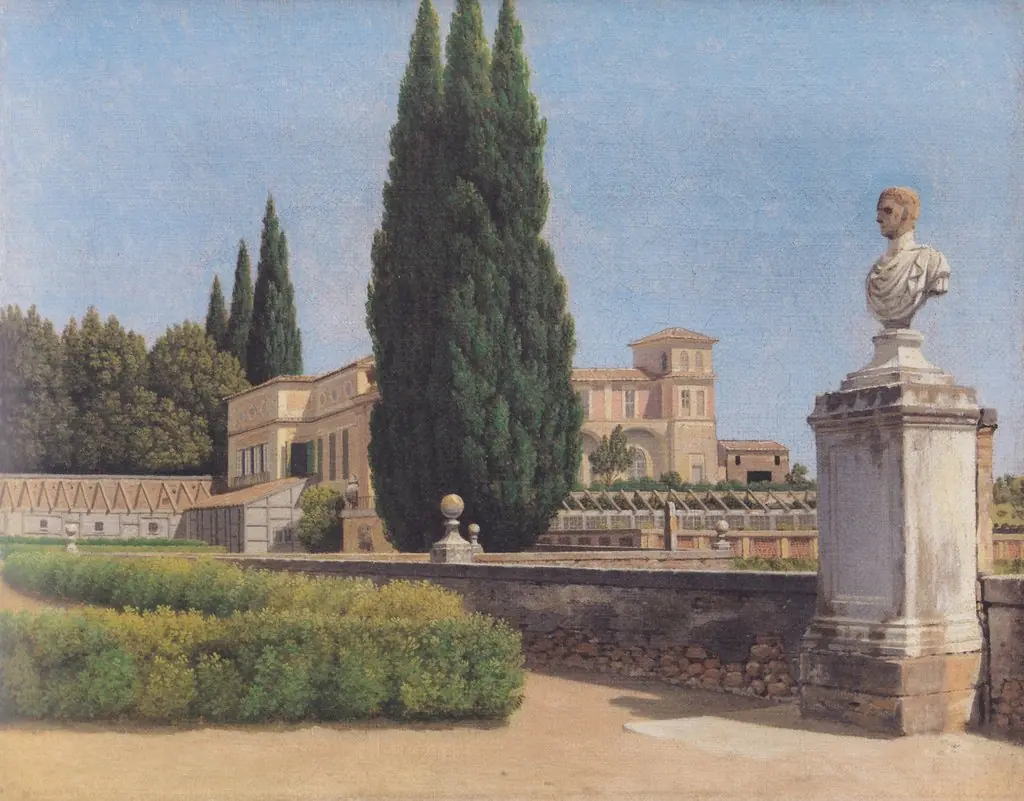
The Gatehouse in the Park of Villa Borghese, Rome
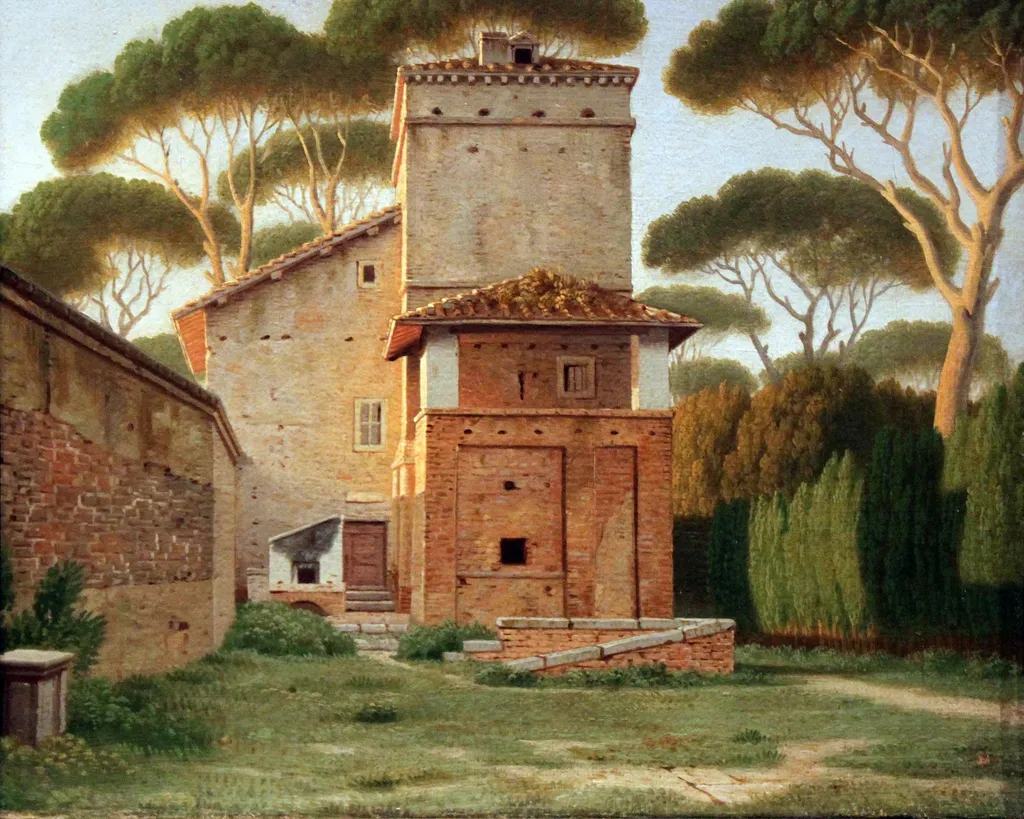
The Gatehouse in the Park of Villa Borghese, Rome is an unspecified painting by Christoffer Wilhelm Eckersberg. It dates from 1816 and is held in the collection of the Hamburger Kunsthalle.
About this work
Overview
Created during Eckersberg’s extended stay in Italy, the work reflects his engagement with classical architecture and natural light.
Painted in 1816 by Danish artist Christoffer Wilhelm Eckersberg, this landscape captures a modest gatehouse nestled within the grounds of Villa Borghese in Rome. Created during Eckersberg’s extended stay in Italy, the work reflects his engagement with classical architecture and natural light. It is now part of the Hamburger Kunsthalle’s collection, representing a pivotal moment in his development as a painter committed to observed reality over idealized composition.
Subject & Meaning
The gatehouse, constructed of brick with a tiled tower and modest openings, stands quietly amid dense foliage. Rather than emphasizing grandeur, the painting focuses on the quiet dignity of a functional structure integrated into its environment. The absence of human figures and the calm sky suggest a contemplative mood, aligning with Eckersberg’s interest in the harmony between architecture and nature.
Technique & Style
Eckersberg employed precise brushwork and a restrained palette to render the brickwork, foliage, and sky with clarity. The composition is balanced, with the gatehouse centered and framed by tall trees that guide the viewer’s eye upward. Light is rendered subtly, enhancing the texture of surfaces without dramatic contrast. This approach reflects his training under Jacques-Louis David and his commitment to direct observation over romantic embellishment.
History & Provenance
Eckersberg painted this work during his years in Rome, supported by a Danish stipend that enabled study of classical and Renaissance art. After returning to Denmark, he became a central figure in the nation’s artistic revival. The painting remained in private hands until entering the Hamburger Kunsthalle’s collection, where it has been preserved as an example of Nordic engagement with Italian landscapes in the early 19th century.
Context
In early 19th-century Europe, artists increasingly turned to realist landscapes as a counter to historical and mythological themes. Eckersberg’s focus on unadorned architecture within a natural setting aligned with broader trends in Northern European art. His Italian works, including this one, helped shift Danish painting toward empirical observation, laying groundwork for the nation’s Golden Age.
Legacy
This painting exemplifies Eckersberg’s influence on Danish art education and aesthetic values. His emphasis on accurate depiction of light, structure, and environment became foundational in Danish academies. Though modest in scale, works like this gatehouse study helped redefine landscape painting in Scandinavia, prioritizing quiet observation over theatricality.
Own this work as a print
Artist & collection
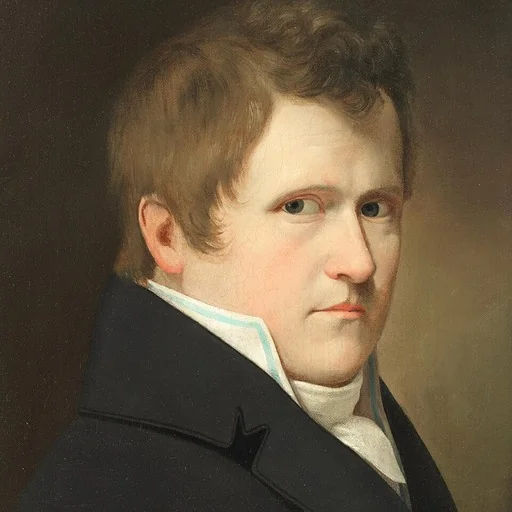
Artist
Christoffer Wilhelm Eckersberg
Christoffer Wilhelm Eckersberg (2 January 1783 – 22 July 1853) was a Danish painter.

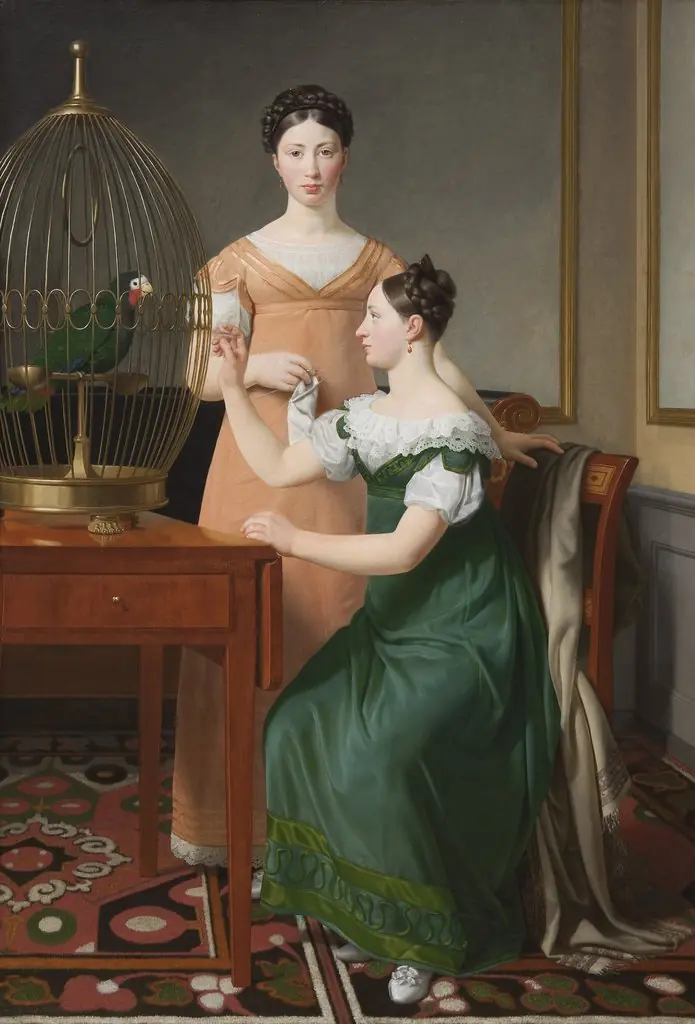 Bella and Hanna. The Eldest Daughters of M. L. Nathanson
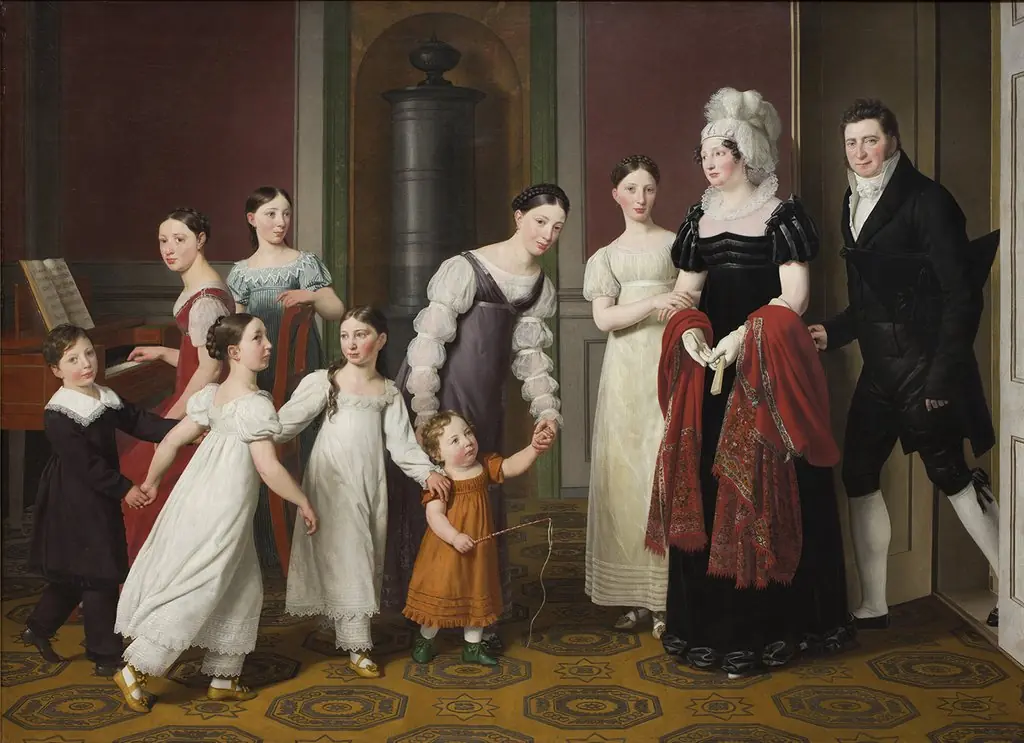 Familien Nathanson
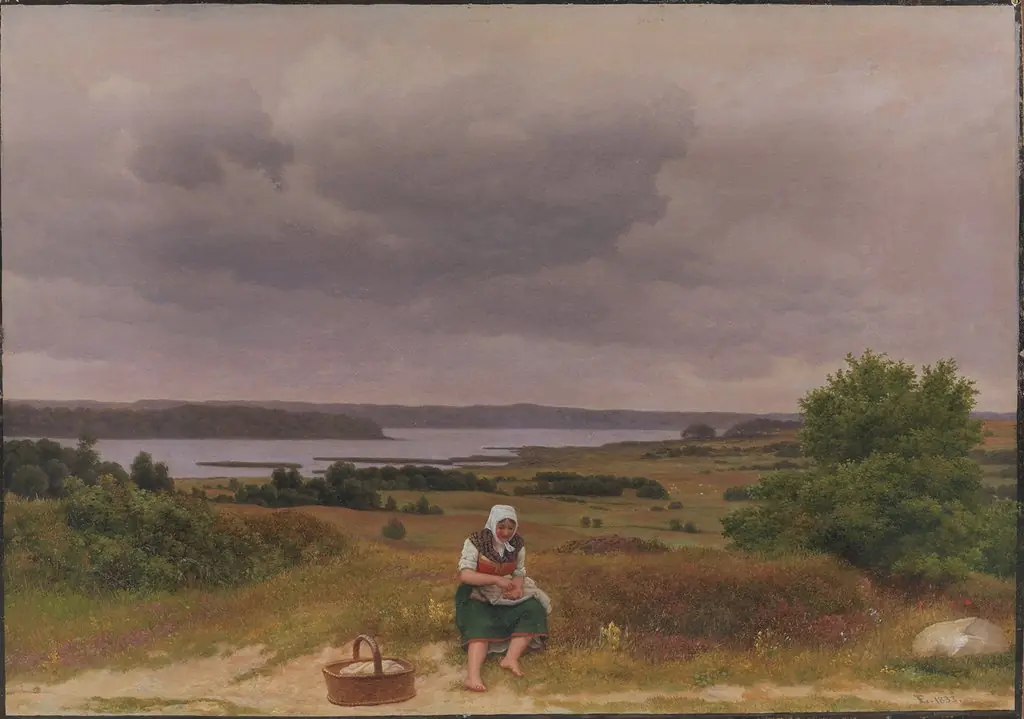 View of Lake Fure near Rudersdal, North Sealand.
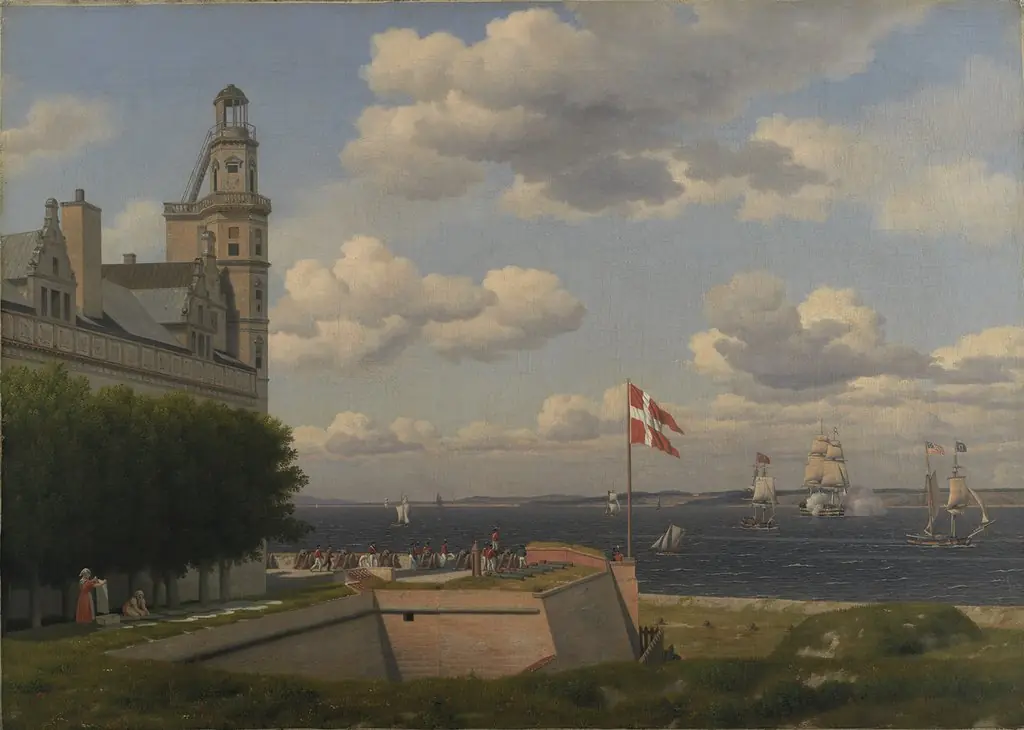 A View towards the Swedish Coast from the Ramparts of Kronborg Castle
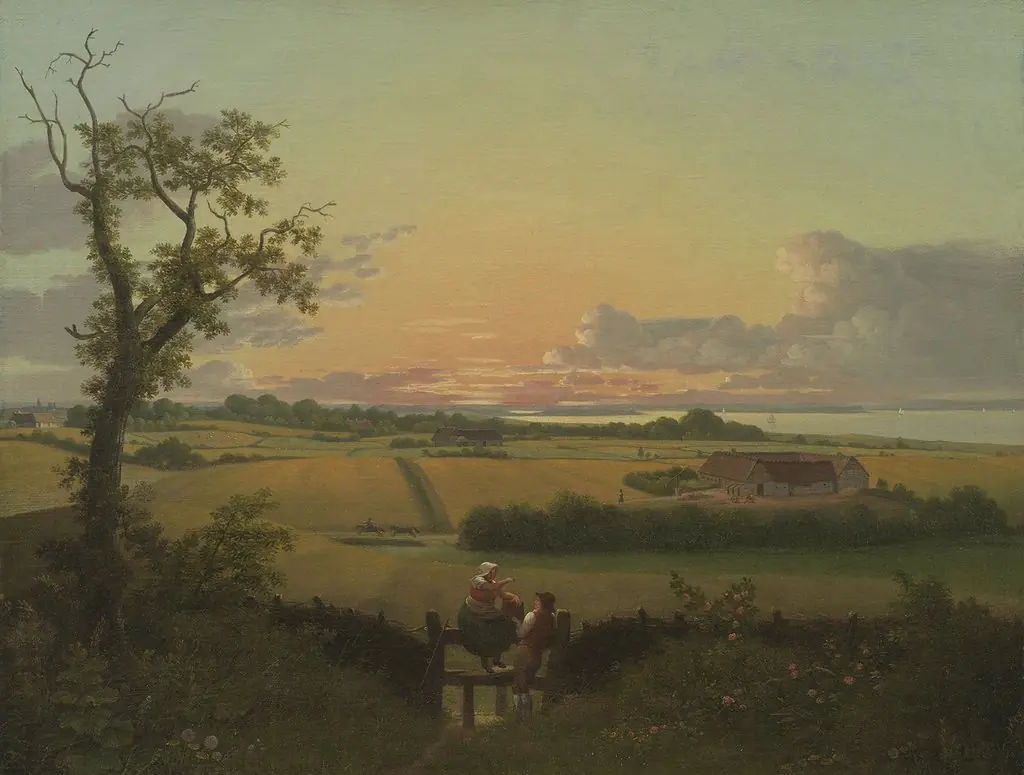 Landscape with a Stile. The Isle of Møn
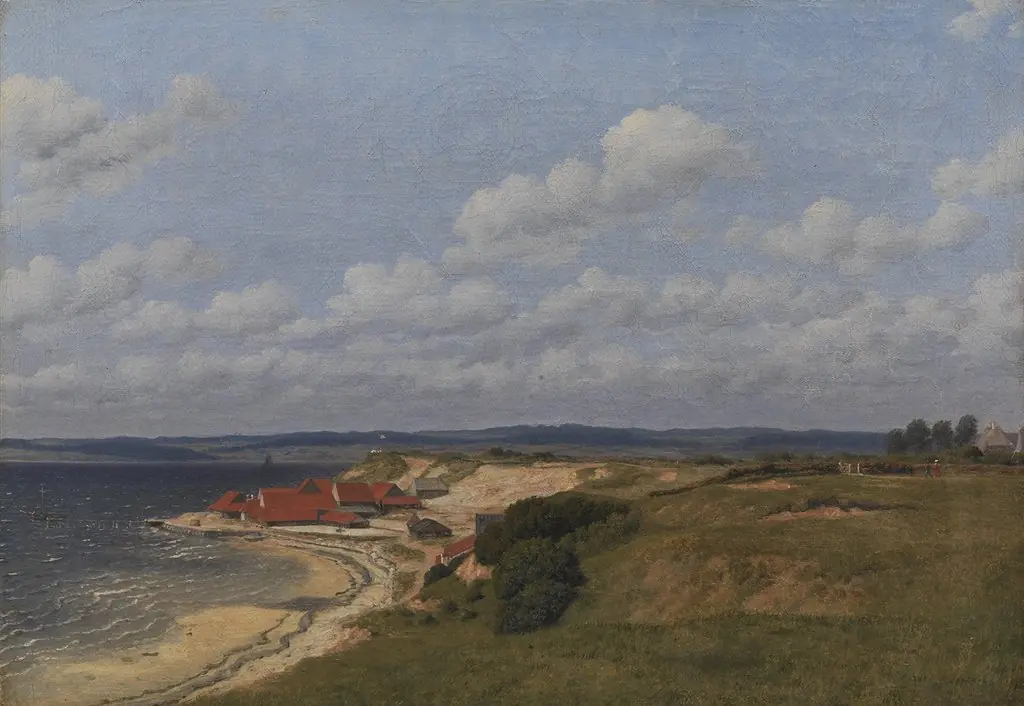 Renbjærg Tileworks by Flensburg Fiord
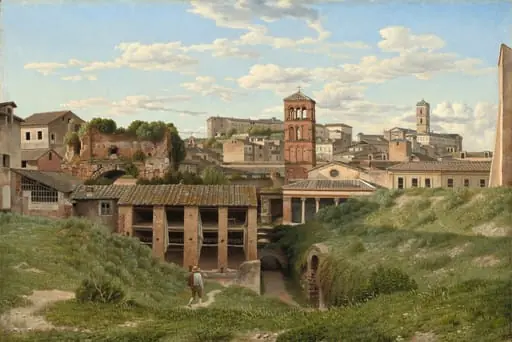 View of the Cloaca Maxima, Rome
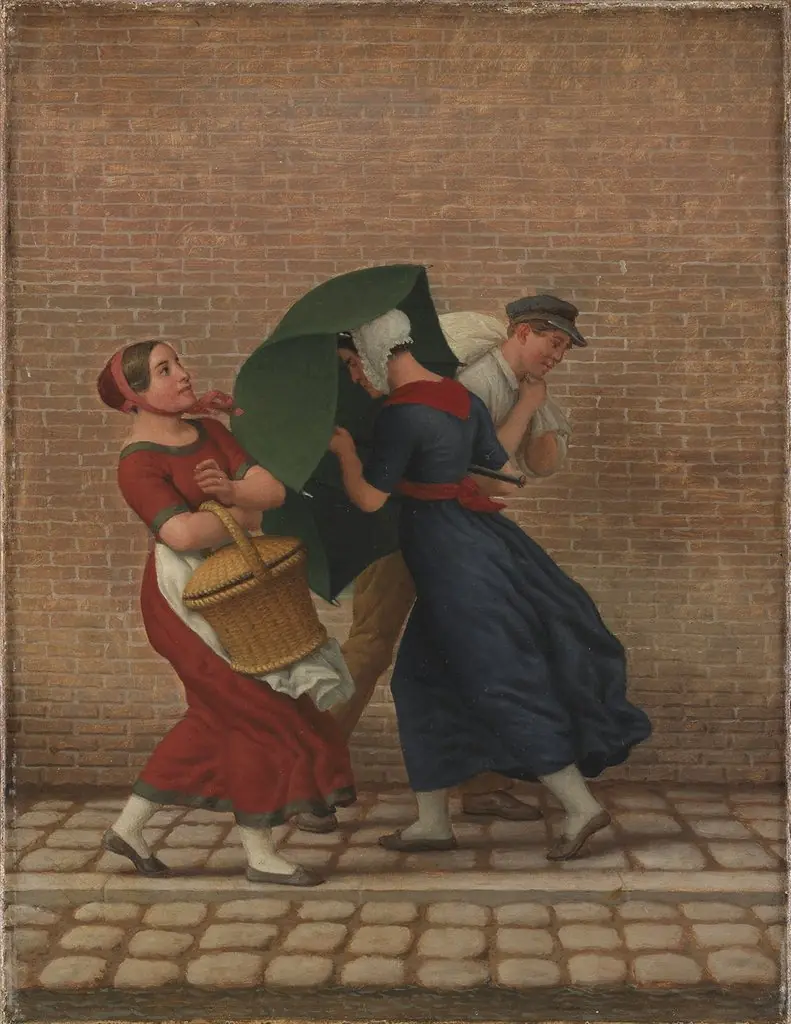 Street Scene in Windy and Rainy Weather