Artwork
Letitia Felix
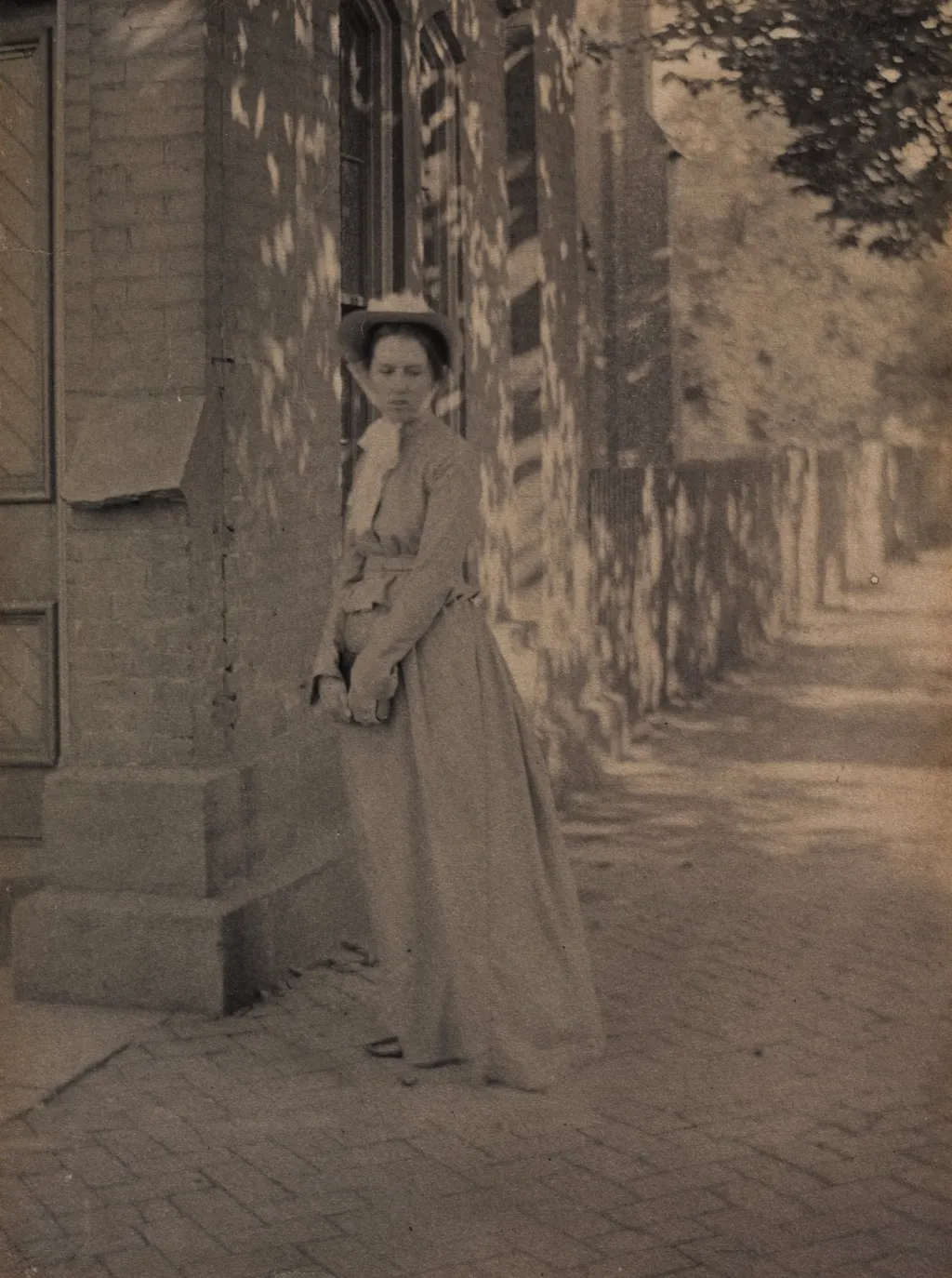
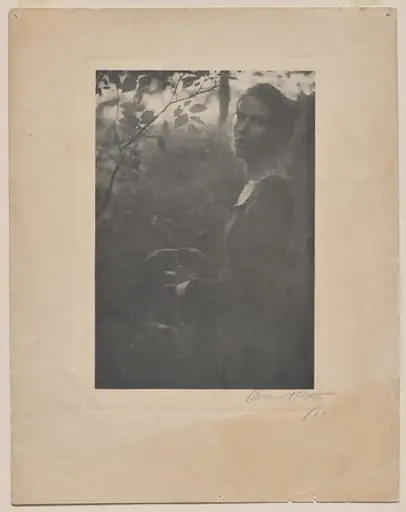
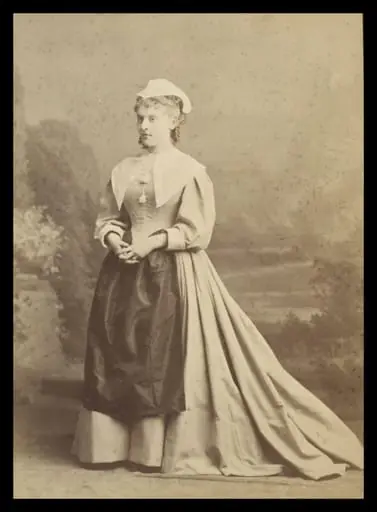
Letitia Felix is a photography by the Impressionist artist Clarence H. White. It dates from 1898 and is held in the collection of the Cleveland Museum of Art.
About this work
Overview
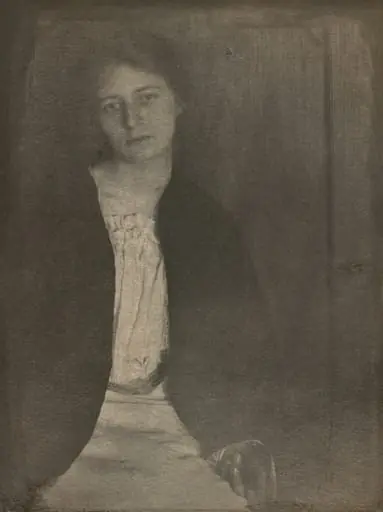
Letitia Felix is a photographic portrait created around 1898 by Clarence H. White. The image depicts a woman standing near a brick structure on a cobblestone street, framed by trees. It is part of the collection at The Cleveland Museum of Art and exemplifies White’s early commitment to photography as a fine art medium, distinct from mere documentation.
Subject & Meaning
The subject, Letitia Felix, is portrayed with quiet composure, her figure grounded in a modest urban setting. Her attire—a long dress and wide-brimmed hat—reflects late 19th-century women’s fashion. The image conveys a sense of stillness and introspection, inviting contemplation rather than narrative, aligning with Pictorialist ideals that valued mood over literal representation.
Technique & Style
White employed careful lighting to sculpt form through subtle contrasts of light and shadow, a hallmark of chiaroscuro adapted to photography. The interplay of daylight across the woman’s face and fabric enhances texture and volume. The composition avoids sharp focus in the background, directing attention to the figure while preserving atmospheric depth.
History & Provenance
Created during White’s formative years as a photographer, the work predates his founding of the Photo-Secession movement. It entered The Cleveland Museum of Art’s collection through documented acquisition, reflecting the institution’s early interest in photographic art. The photograph’s survival and preservation underscore its significance in the transition of photography into fine art.
Context
In the late 1890s, photography struggled for artistic legitimacy. White, alongside peers like Stieglitz, sought to elevate the medium through tonal nuance and poetic composition. Letitia Felix reflects this effort, situated within a broader cultural shift where photographers rejected mechanical reproduction in favor of expressive, hand-crafted imagery.
Legacy
The photograph stands as an early example of White’s influence on American Pictorialism. Its quiet dignity and technical refinement helped redefine photographic aesthetics, inspiring later generations to treat the camera as a tool for personal expression. It remains a touchstone in discussions of photography’s place within modern art.
Artist & collection

Artist
Clarence Hudson White was an American photographer, teacher and a founding member of the Photo-Secession movement.

 Guy Little Theatrical Photograph
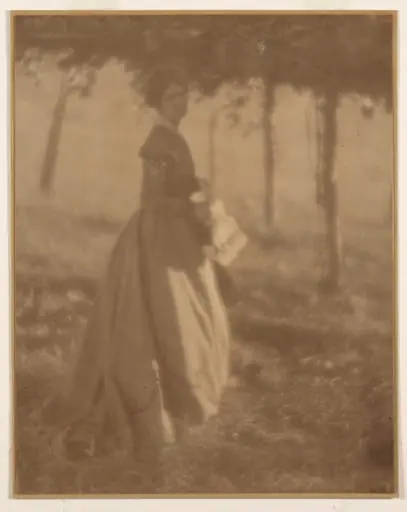 In the Arbor
 Guy Little Theatrical Photograph
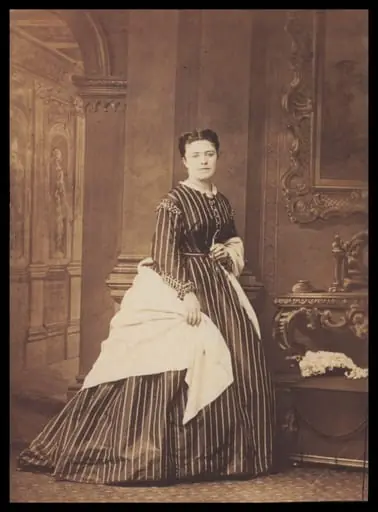 Guy Little Theatrical Photograph
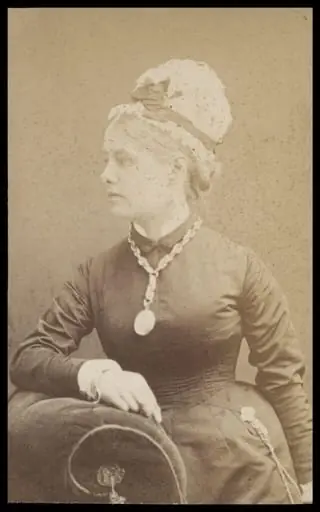 Guy Little Theatrical Photograph
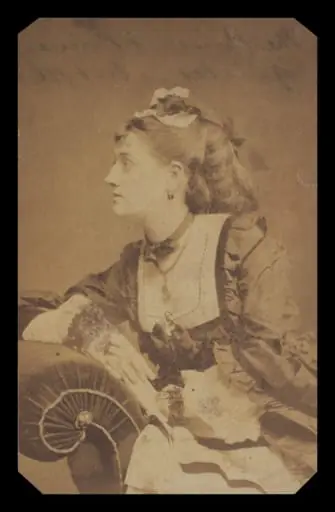 Guy Little Theatrical Photograph
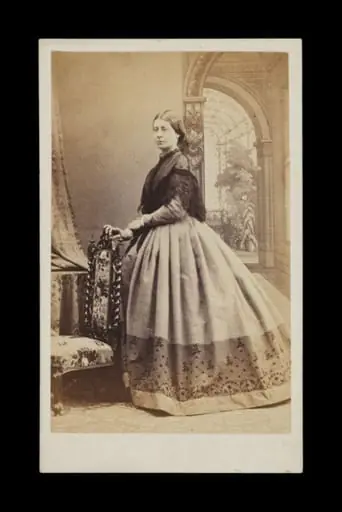 Mrs Alfred Wilsow
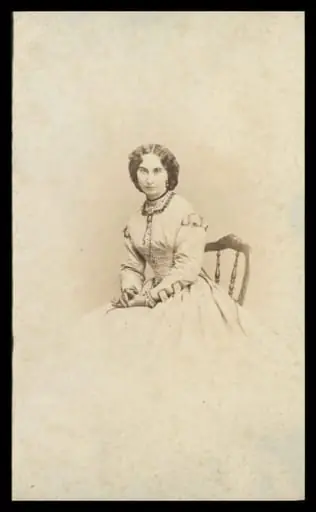 Guy Little Theatrical Photograph
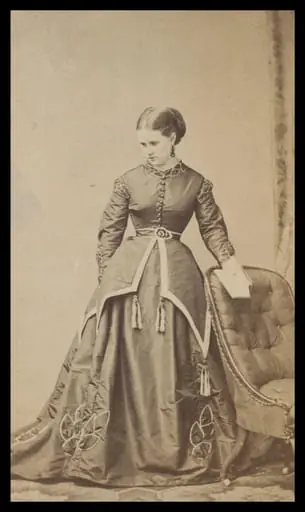 Guy Little Theatrical Photograph
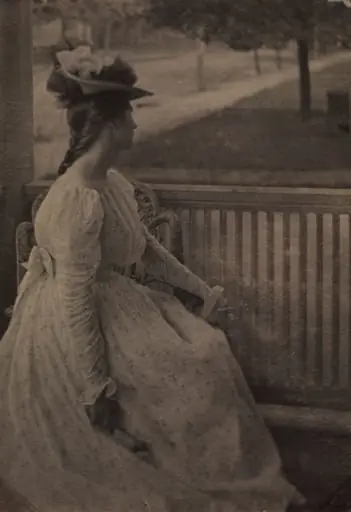 On the Porch (Julia Hall McCune)
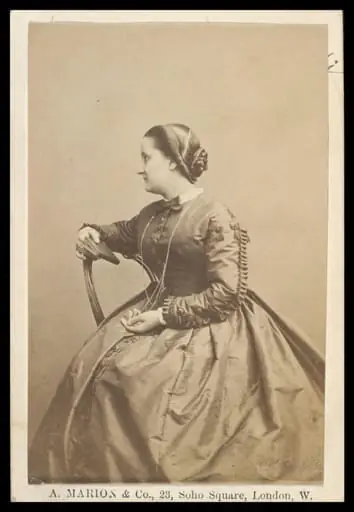 Guy Little Theatrical Photograph
 Guy Little Theatrical Photograph