Artwork
The Azalea Plant (Julia Hall McCune)
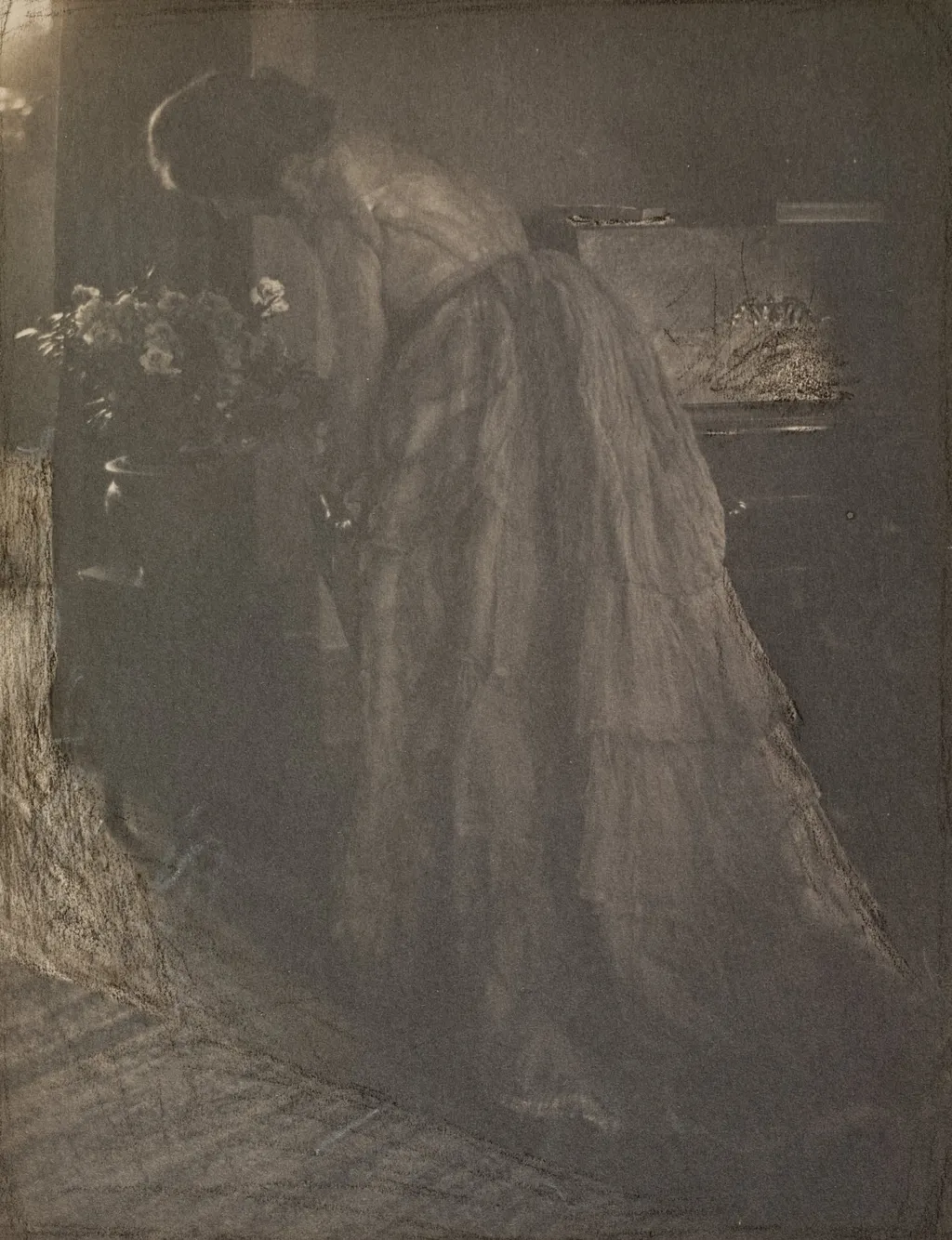
The Azalea Plant (Julia Hall McCune) is a photography by the Impressionist artist Clarence H. White. It dates from 1900 and is held in the collection of the Cleveland Museum of Art.
About this work
Overview
The image is part of the collection at The Cleveland Museum of Art and exemplifies White’s early exploration of photography as a fine art medium.
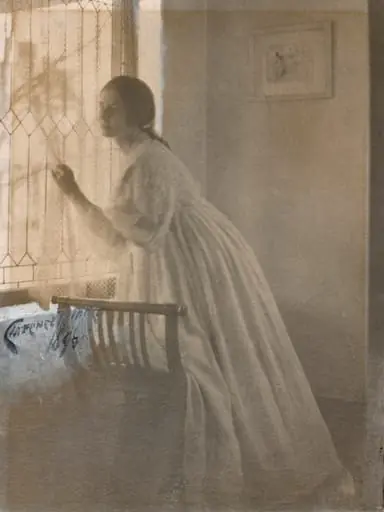
The Azalea Plant (Julia Hall McCune) is a photographic work by Clarence H. White, dated around 1900. It depicts a woman in a long, high-necked dress standing beside a table bearing a potted azalea. Her face is turned away, obscured from view, and the scene is rendered in soft, controlled lighting. The image is part of the collection at The Cleveland Museum of Art and exemplifies White’s early exploration of photography as a fine art medium.
Subject & Meaning
The figure, identified as Julia Hall McCune, is engaged in quiet contemplation of the azalea, her posture suggesting introspection rather than direct interaction. The absence of her face invites interpretation, shifting focus to the plant and the atmosphere of stillness. The azalea, with its vibrant blooms, may symbolize transient beauty or domestic serenity, while the dim interior evokes a private, intimate moment removed from public view.
Technique & Style
White employed careful lighting to sculpt form through subtle gradations of light and shadow, a technique rooted in chiaroscuro. The texture of the fabric, the glossy leaves of the azalea, and the sheen of the ceramic vase are rendered with precision. The composition is deliberately restrained, using negative space and muted tones to emphasize quietude. The photograph’s tonal range and soft focus reflect Pictorialist ideals, prioritizing mood over documentary clarity.
History & Provenance
Created circa 1900, the photograph was made during White’s formative years as a photographer, before his later teaching career at the Clarence H. White School of Photography. It entered The Cleveland Museum of Art’s collection through documented acquisition, likely from the artist’s estate or early collectors of Pictorialist work. Its preservation reflects its significance in the transition of photography from technical craft to artistic expression in early 20th-century America.
Context
This work emerged amid the Pictorialist movement, which sought to elevate photography to the status of painting through compositional harmony and emotional resonance. White, alongside figures like Alfred Stieglitz, rejected sharp mechanical realism in favor of atmospheric, painterly effects. The Azalea Plant aligns with contemporary interests in domestic femininity and natural beauty, themes prevalent in both fine art and illustrated periodicals of the era.
Legacy
The photograph remains a representative example of White’s early aesthetic, influencing later generations of photographers who valued tonal subtlety and emotional nuance. It is frequently cited in studies of American Pictorialism and is included in exhibitions tracing the evolution of photographic art. Its quiet composition continues to inform discussions on the relationship between subject, light, and stillness in photographic practice.
Artist & collection

Artist
Clarence Hudson White was an American photographer, teacher and a founding member of the Photo-Secession movement.


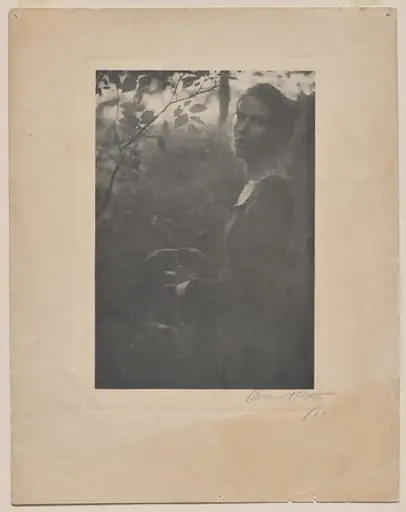
![Unpublished illustration [Julia Hall McCune] for Clara Morris, "Beneath the Wrinkle", by Clarence H. White](https://artifactworldgallery.com/img/clarence-h-white--unpublished-illustration-julia-hall-mccune-for-clara-morris--a86e790489bcf254-w320.webp)