Artwork
Rest on the Flight into Egypt
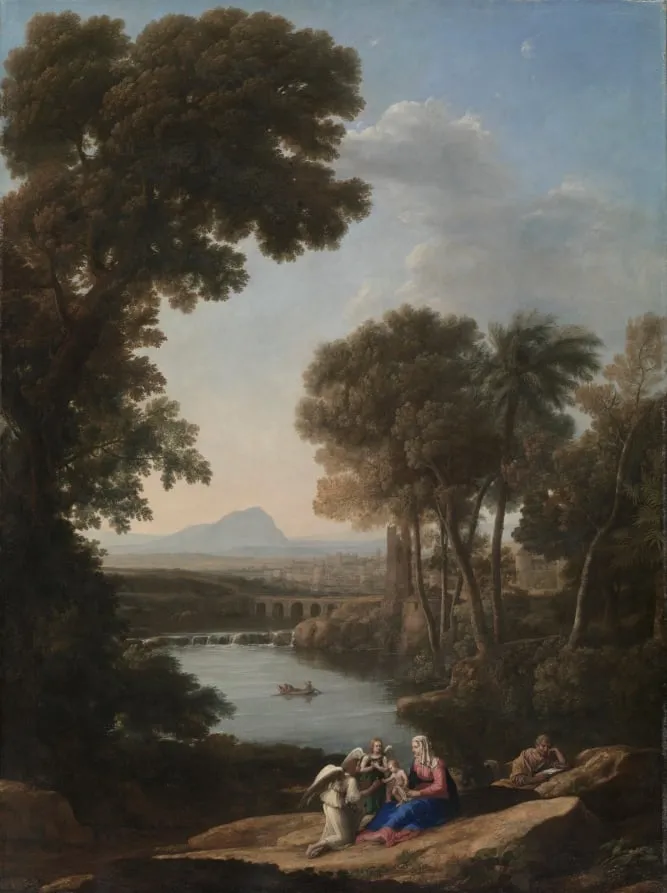
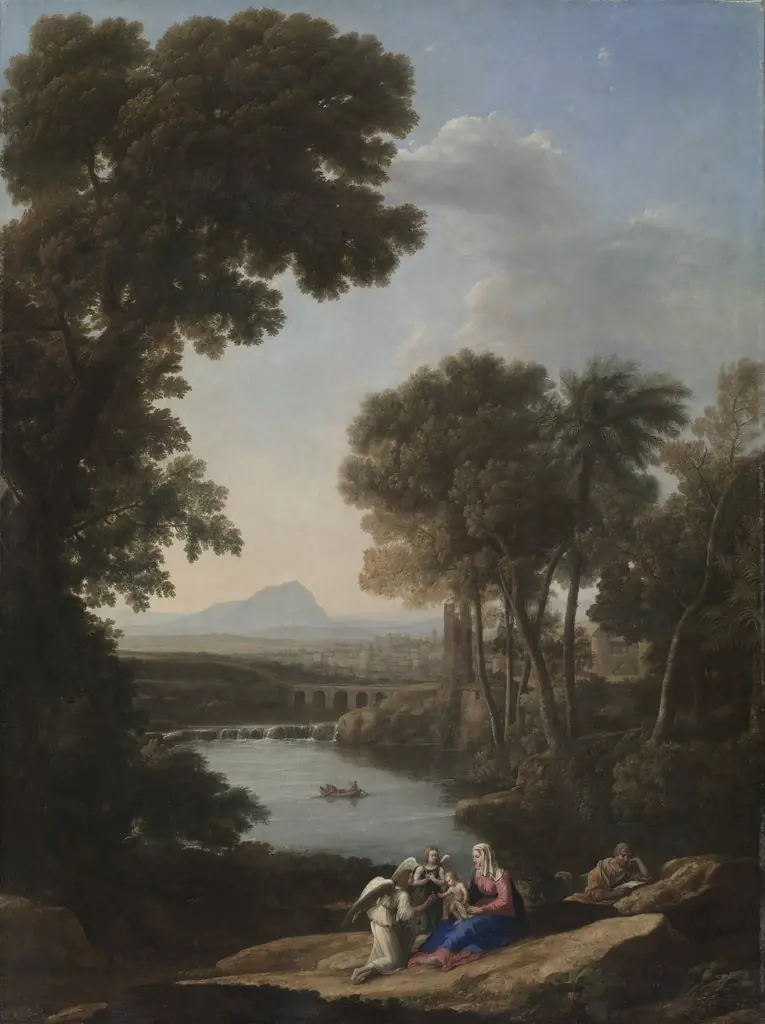
Rest on the Flight into Egypt is an unspecified painting by the Baroque artist Claude Lorrain. It dates from 1644 and is held in the collection of the Cleveland Museum of Art.
About this work
Overview
Claude Lorrain’s painting depicts a moment from the biblical Flight into Egypt, rendered not as a historical event but as a serene, imagined landscape.
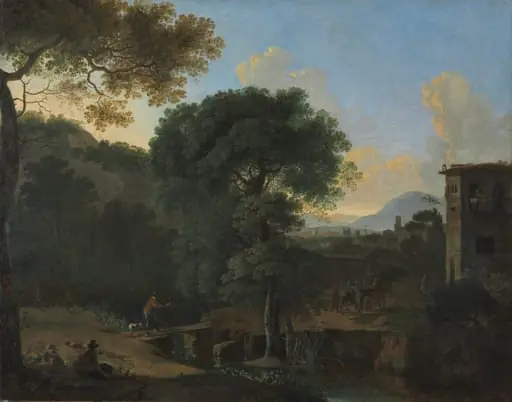
Claude Lorrain’s painting depicts a moment from the biblical Flight into Egypt, rendered not as a historical event but as a serene, imagined landscape. The scene unfolds in a vast, luminous valley under a soft twilight sky, where natural elements are arranged to evoke harmony rather than realism. Lorrain’s approach prioritized idealized beauty over topographical accuracy, crafting a world that felt both familiar and transcendent.
Subject & Meaning
The Holy Family—Mary, Joseph, and the infant Jesus—are shown in quiet repose amid nature, surrounded by kneeling angels offering fruit. Their presence is subtle, integrated into the landscape rather than dominating it. This composition suggests divine peace within the natural order, transforming a moment of flight into a meditation on tranquility and providence, aligning with contemporary spiritual ideals of harmony and grace.
Technique & Style
Lorrain employed subtle gradations of light and shadow to unify the scene, using chiaroscuro to model forms and deepen spatial recession. His brushwork is delicate, blending tones to create atmospheric perspective, where distant hills fade into hazy pink skies. Trees, ruins, and water are arranged with geometric balance, each element contributing to a composed, timeless rhythm that feels neither chaotic nor artificial.
History & Provenance
Painted in the mid-17th century, the work was commissioned by a European collector seeking an escape from urban life through idealized nature. It entered private collections across Italy and France before being acquired by major institutions. Its enduring appeal lay in its ability to evoke emotional calm, making it a sought-after object among aristocratic patrons who valued aesthetic refinement over narrative drama.
Context
During this period, landscape painting emerged as a distinct genre, moving beyond mere background to become a vehicle for philosophical and emotional expression. Lorrain’s work responded to a growing taste among the elite for scenes that fused classical antiquity with pastoral serenity. His compositions reflected broader cultural yearnings for order, beauty, and a lost golden age, resonating with humanist ideals of the time.
Legacy
Lorrain’s approach influenced generations of landscape painters, from Turner to the Barbizon school, by establishing a visual language where light and composition conveyed mood over literal representation. His idealized vistas became a benchmark for how nature could be structured to evoke contemplation. Though rooted in religious narrative, his work’s lasting impact lies in its quiet, universal sense of peace.
Artist & collection
Artist
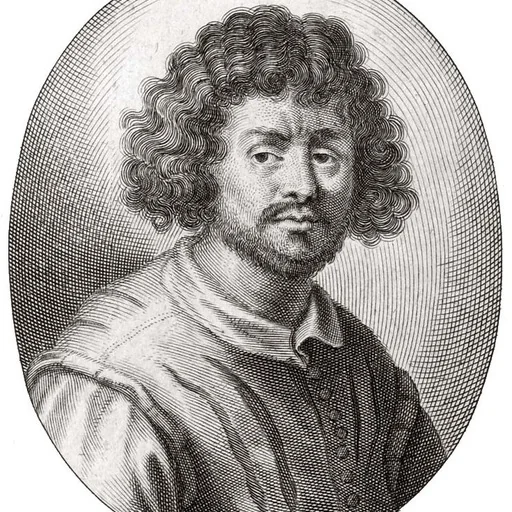
Claude Lorrain (French: ; born Claude Gellée , called le Lorrain in French; traditionally just Claude in English; c.

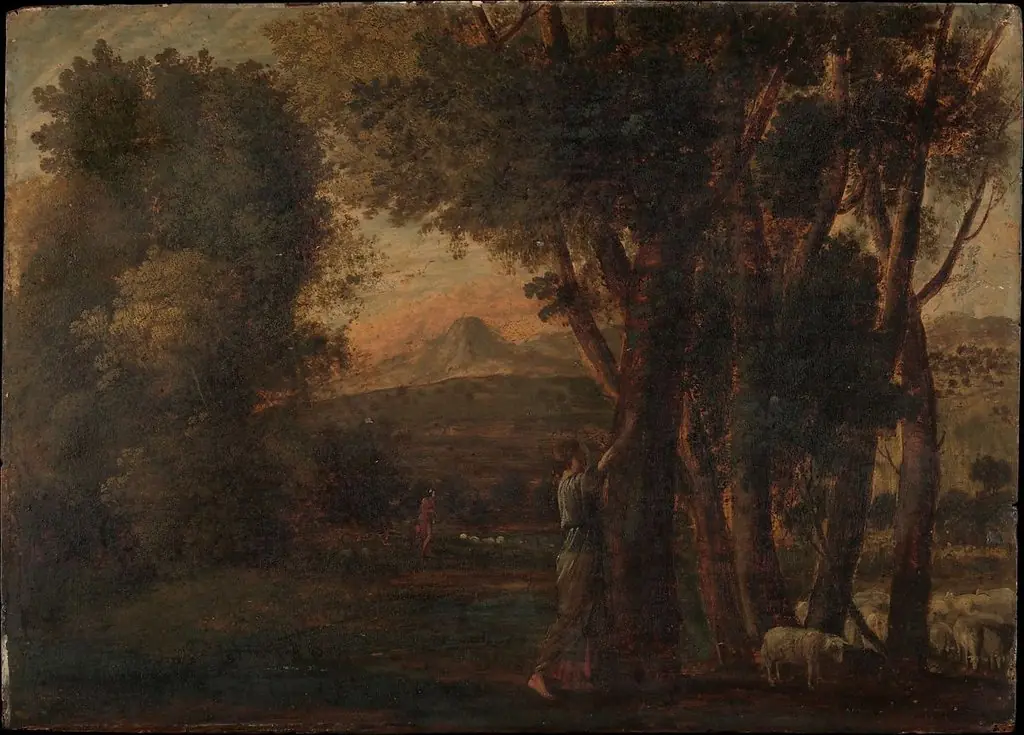
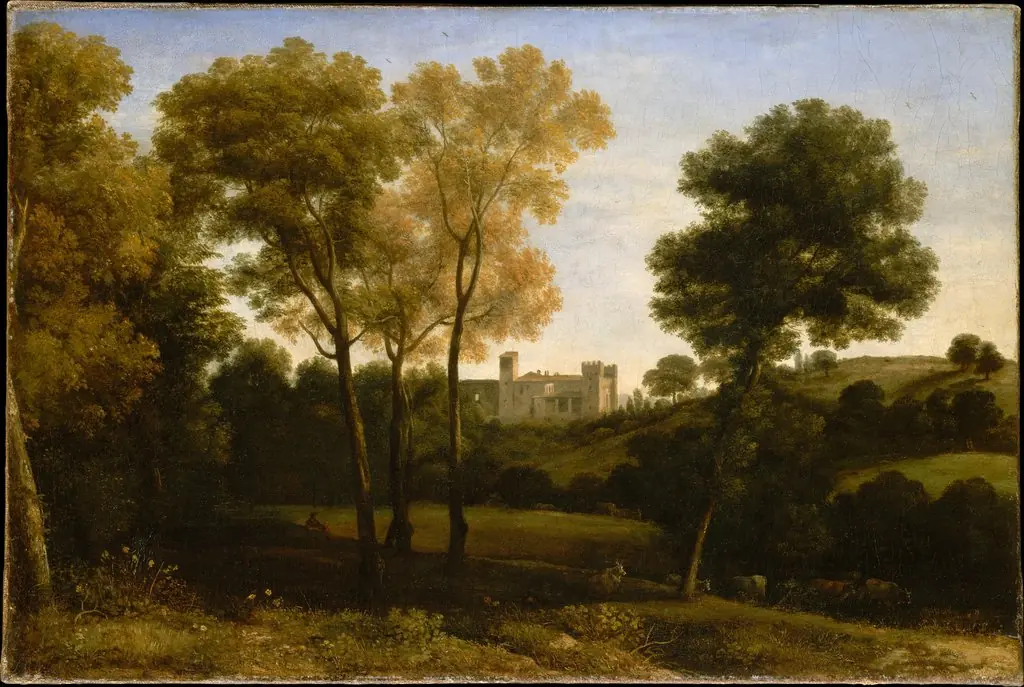
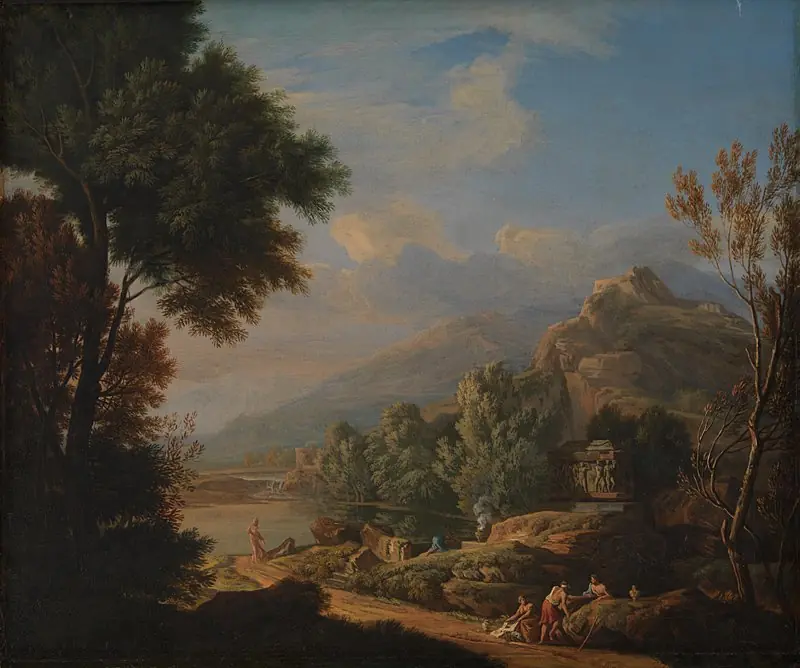 Arcadian Landscape
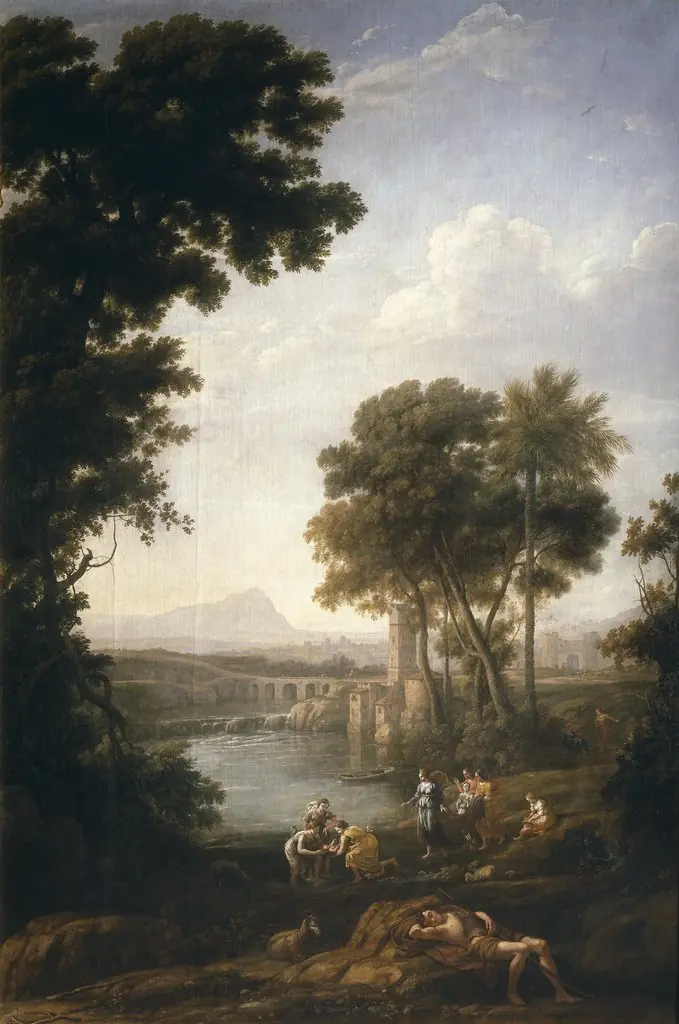 Landscape with the Finding of Moses
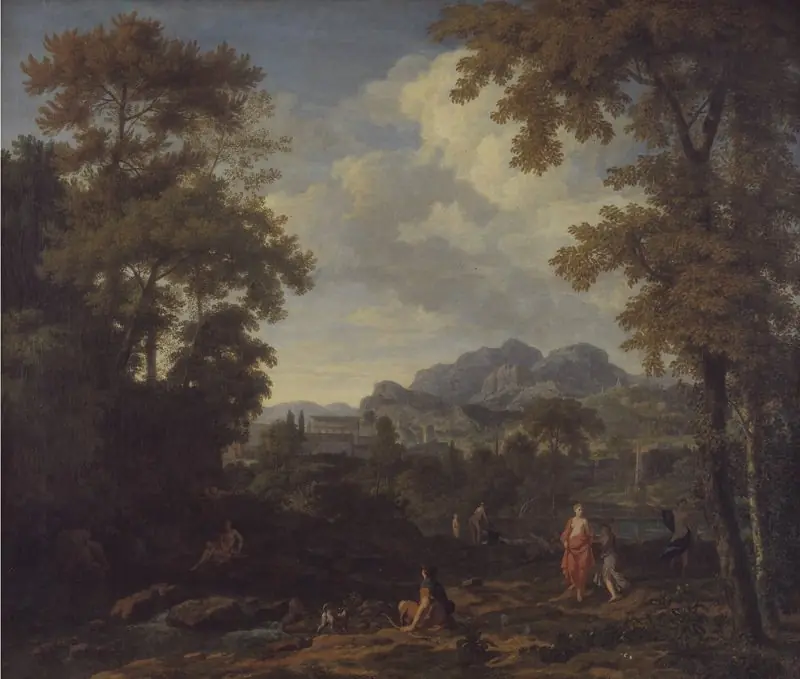 Classical Landscape with Diana (?) and her Nymphs
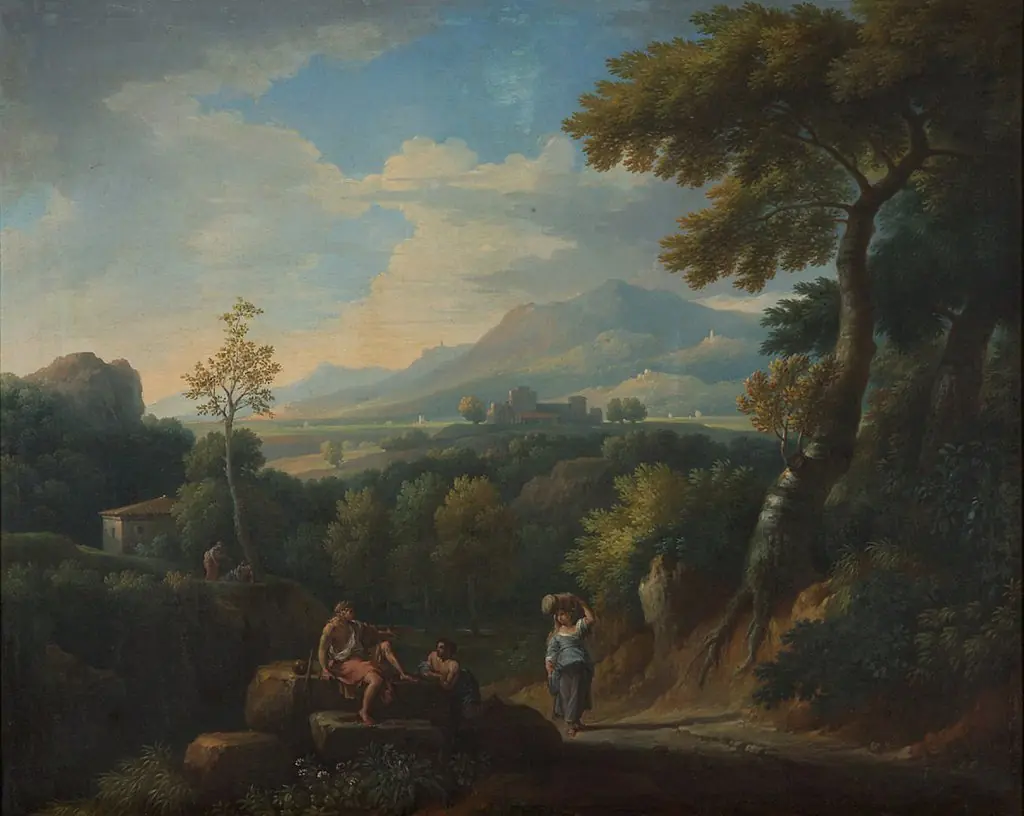 Italian Landscape
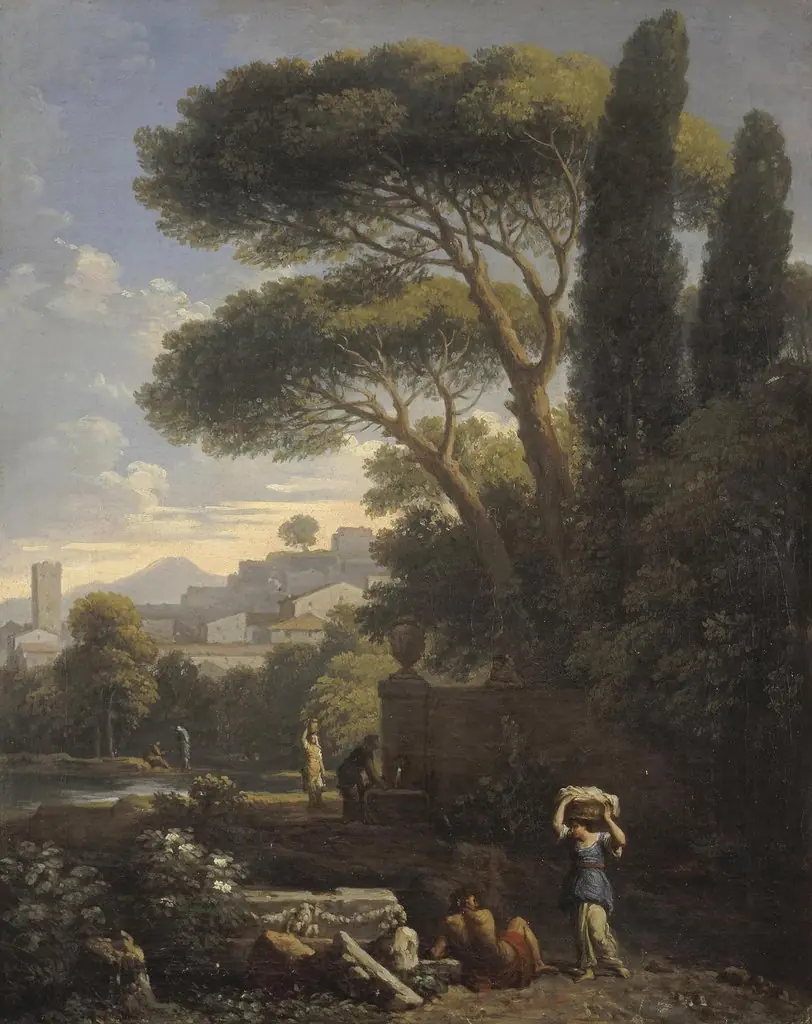 Landscape in Latium with Three Female Figures by a Fountain
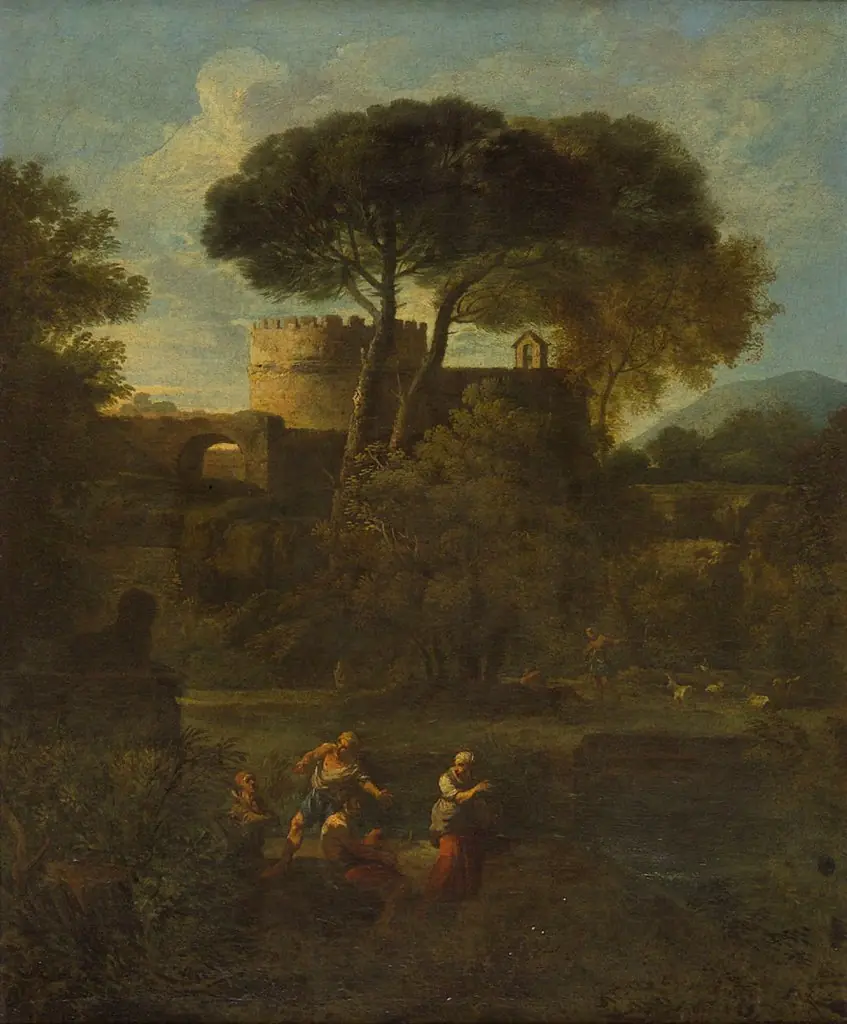 Grabmal der Cecilia Metella
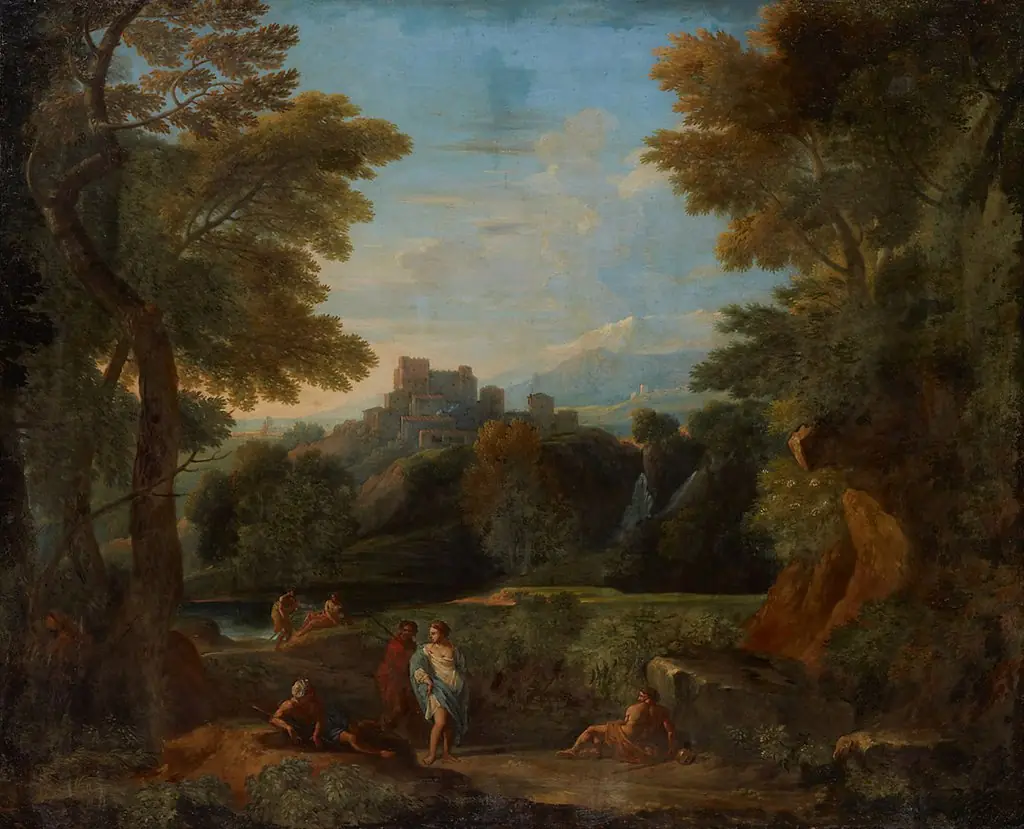 Italian Landscape
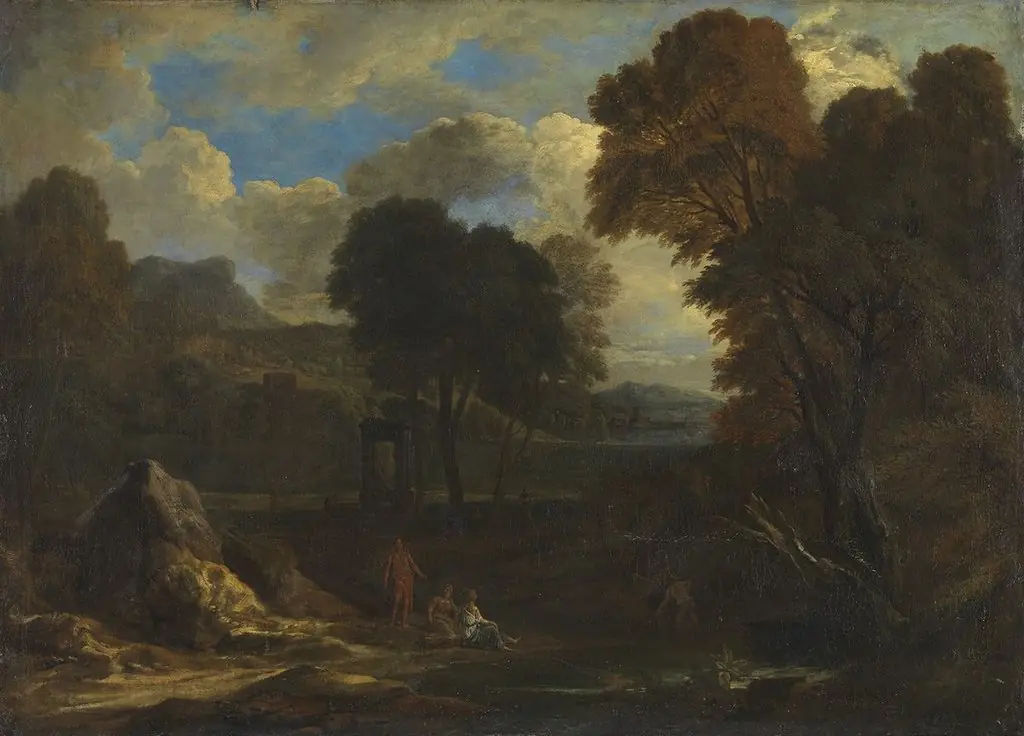 Landschaft
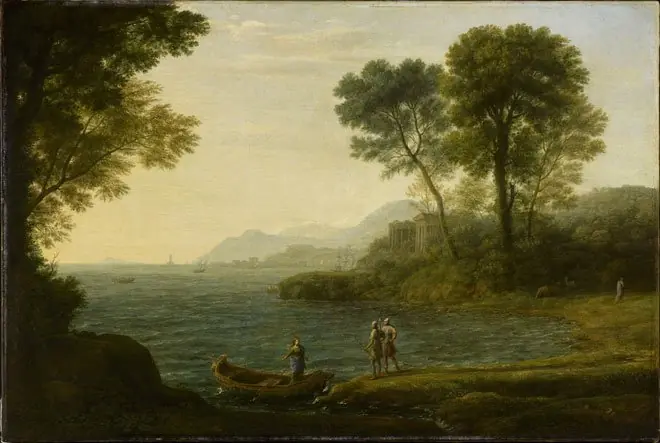 Marine avec l'embarquement de Carlo et Ubaldo
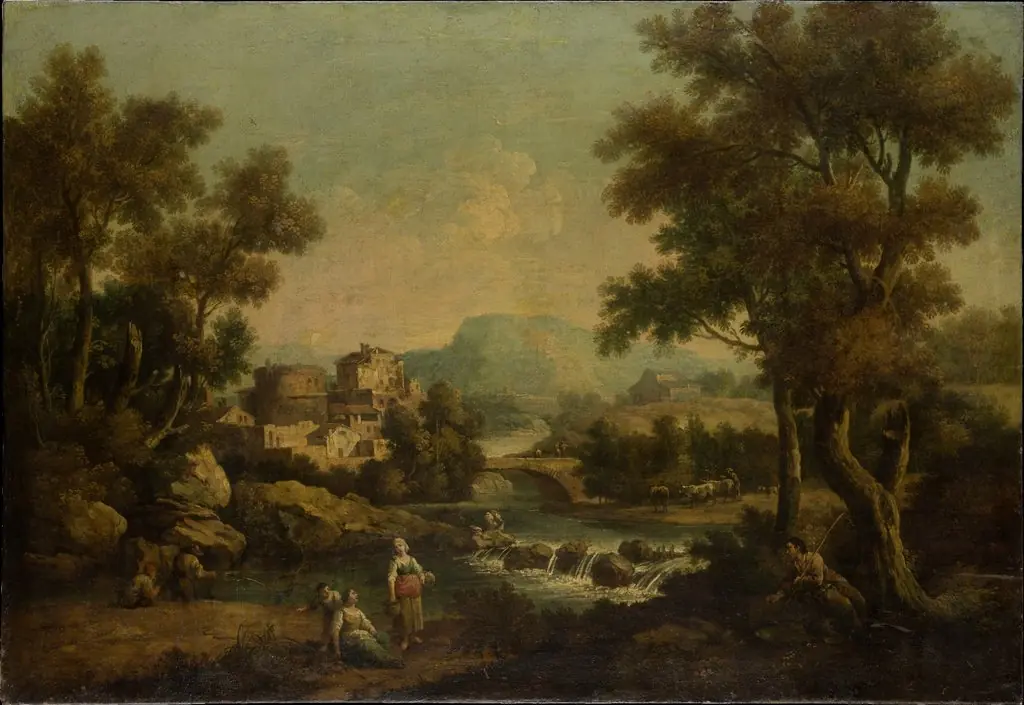 Italian Landscape with a Mountain Stream
 Landscape with Travelers