Artwork
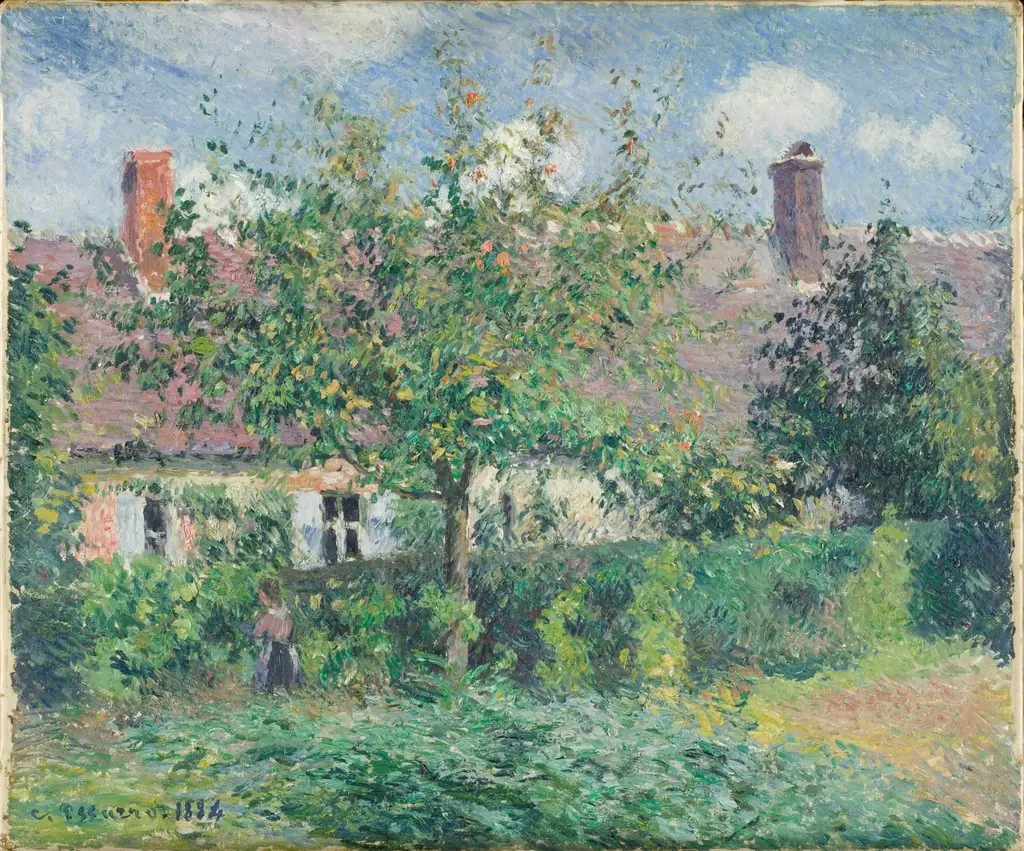
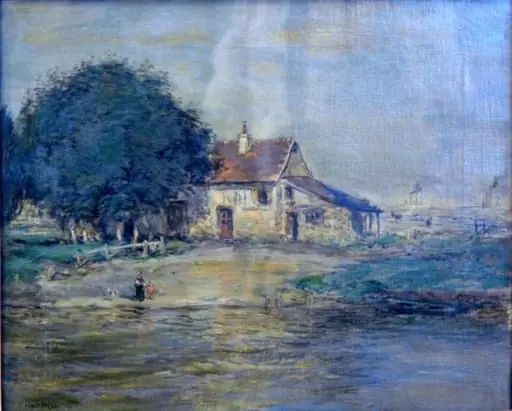
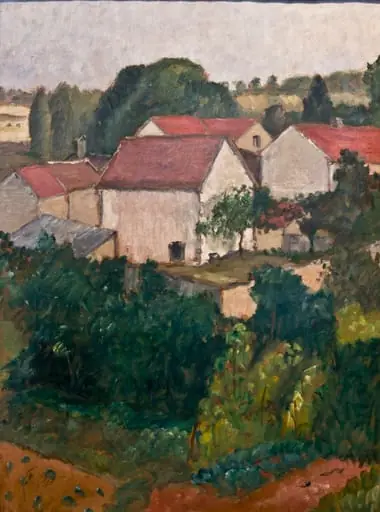
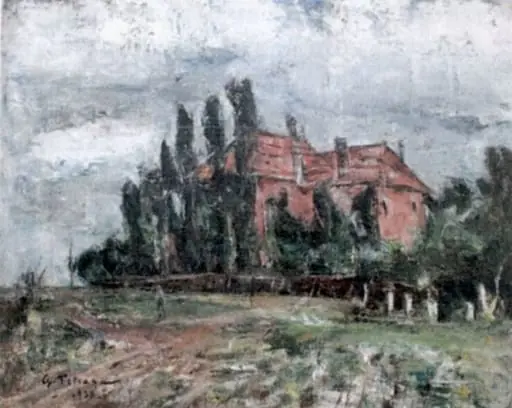
Chaumière normande
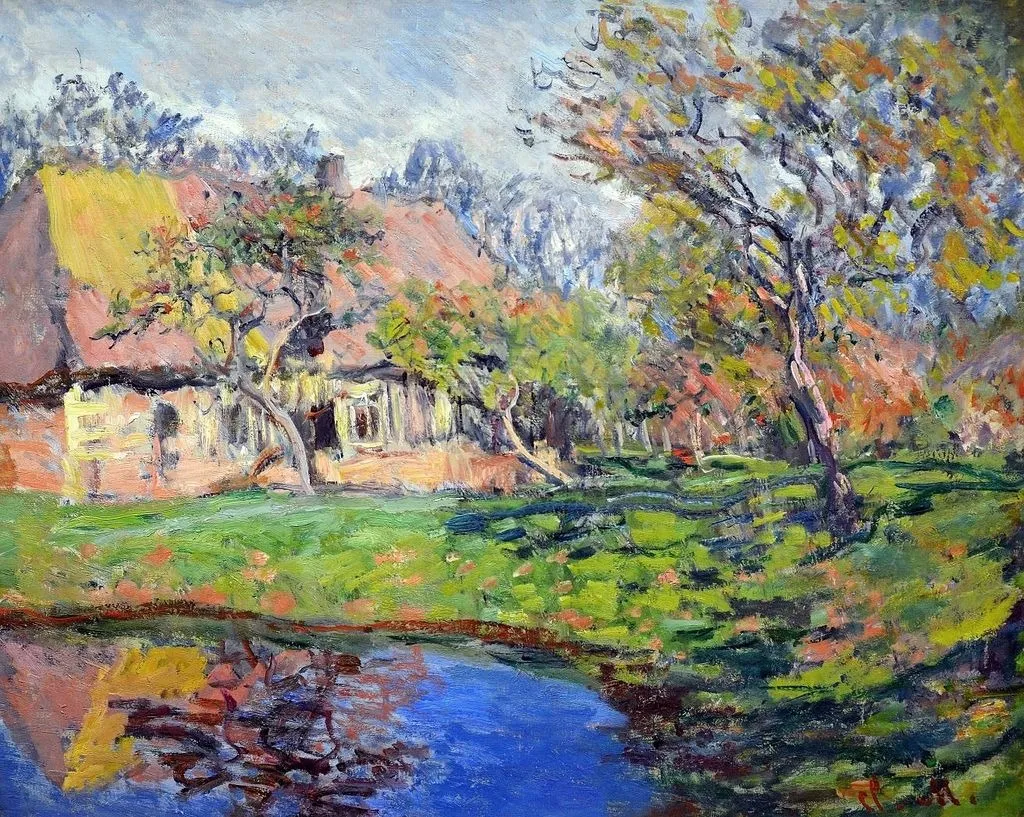
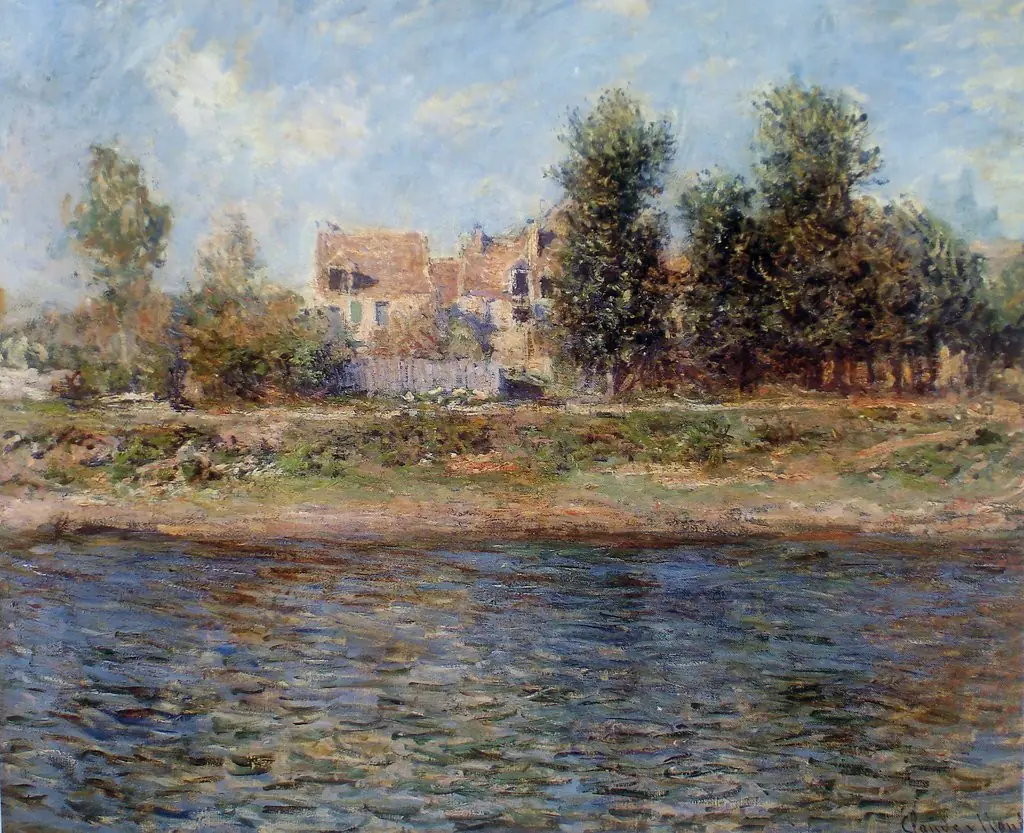
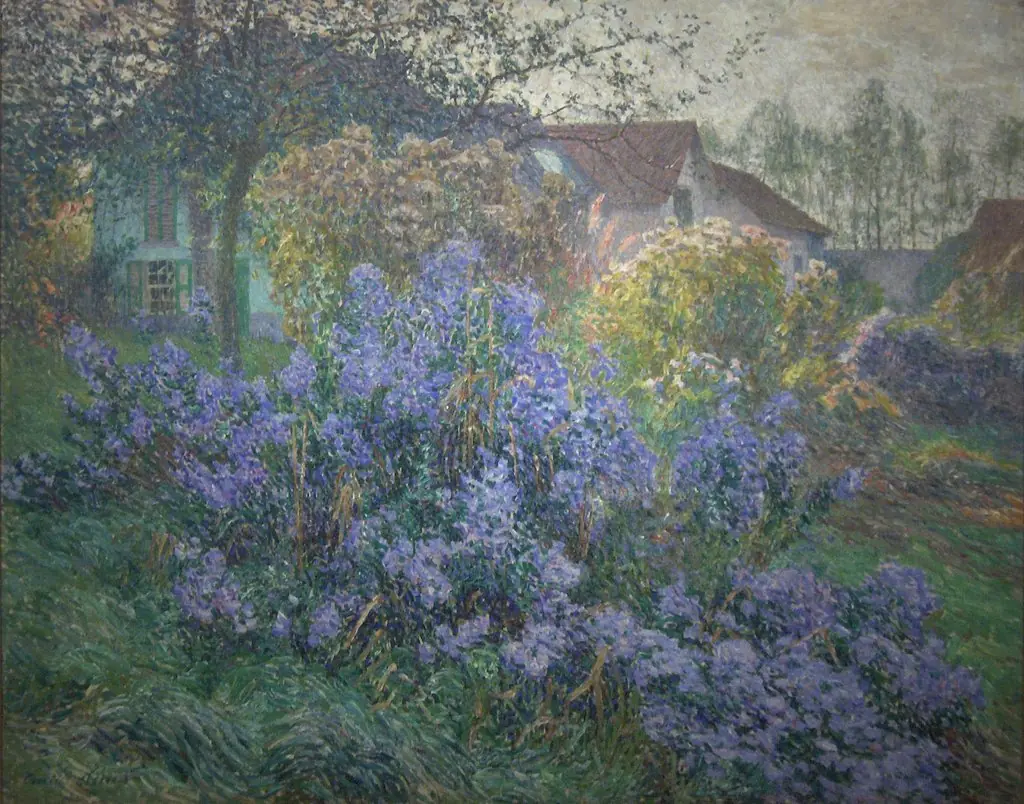
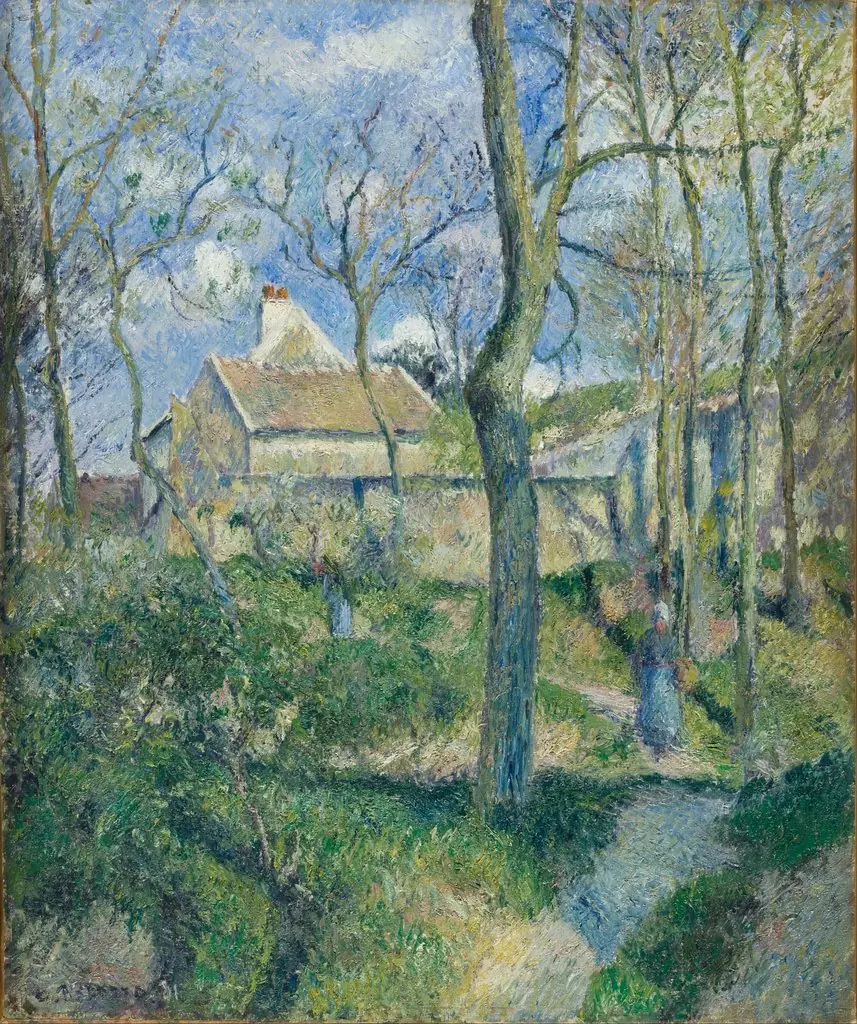
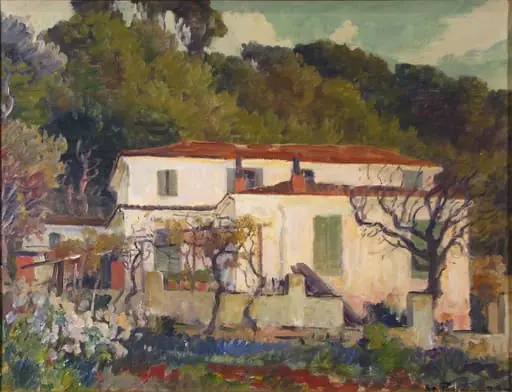
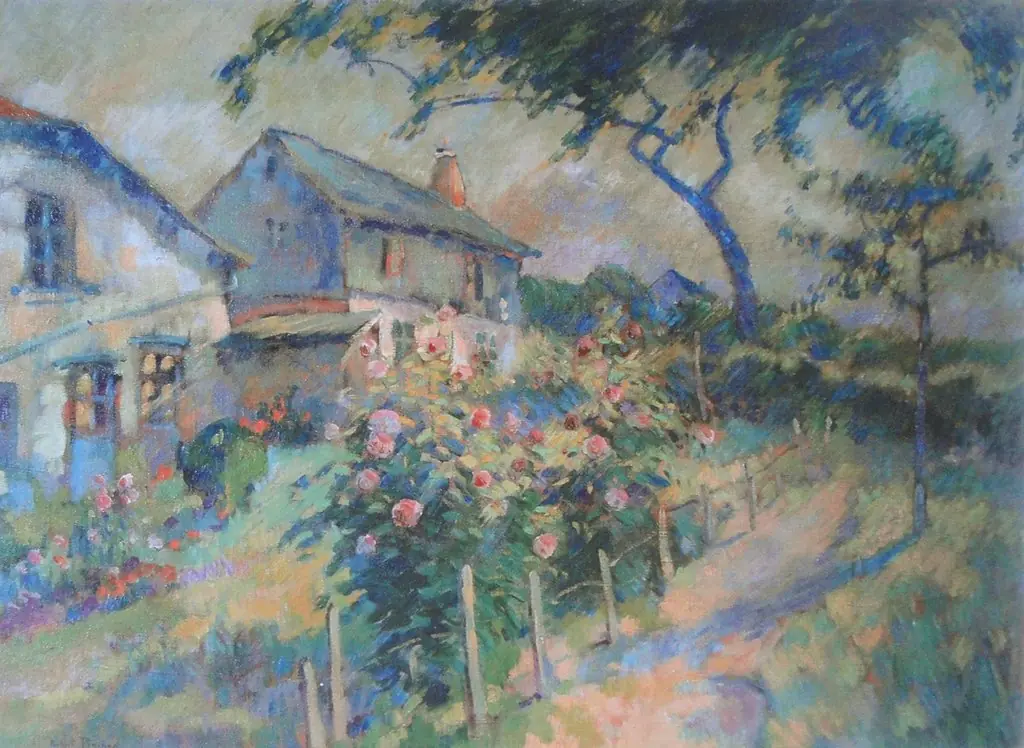
Chaumière normande is an oil painting by the Impressionist artist Claude Monet. It dates from 1893 and is held in the collection of the Kunsthaus Zürich.
About this work
Overview
Painted in 1893, Chaumière normande is an oil on canvas landscape by Claude Monet, depicting a quiet rural scene in Normandy.
Painted in 1893, Chaumière normande is an oil on canvas landscape by Claude Monet, depicting a quiet rural scene in Normandy. The work is part of the collection at Kunsthaus Zürich and reflects Monet’s sustained interest in capturing the subtle shifts of natural light across everyday environments. Its composition centers on a modest thatched cottage nestled among trees and water, rendered with loose, attentive brushwork.
Subject & Meaning
The painting portrays a humble Norman farmhouse surrounded by dense vegetation and a winding stream. Rather than emphasizing architectural detail, Monet focuses on the harmony between human habitation and the natural world. The absence of figures reinforces a sense of stillness, suggesting a quiet, unspoiled rural life. The scene evokes continuity and tranquility, characteristic of Monet’s later rural studies.
Technique & Style
Monet employed rapid, broken brushstrokes to convey the texture of foliage and the shimmer of water. Colors—predominantly greens, blues, and soft yellows—are applied in layered tones that respond to changing light conditions. Shadows are not defined by outline but by cooler hues, while highlights on leaves and water are suggested through dabs of brighter pigment, creating a sense of atmospheric depth without linear perspective.
History & Provenance
Created during Monet’s frequent stays in Normandy, the painting was likely made during a period when he was exploring similar subjects across the region. It entered the Kunsthaus Zürich collection in the early 20th century, possibly through a private acquisition or gallery sale. Its presence in Zurich reflects the growing international appreciation for Impressionist works during that era.
Context
In the early 1890s, Monet was deeply engaged in series paintings, examining the same scenes under varying light and weather. Chaumière normande aligns with this practice, though it stands as a singular composition rather than part of a numbered series. It reflects his move away from urban subjects toward the pastoral landscapes of northern France, where he sought to capture the essence of place through direct observation.
Legacy
The painting contributes to the broader understanding of Monet’s late 19th-century output, illustrating his commitment to observing nature without idealization. While less famous than his water lilies or haystacks, works like this demonstrate his consistent focus on light, atmosphere, and the quiet beauty of ordinary landscapes. It remains a quiet testament to his enduring engagement with the natural world.
Artist & collection
Artist
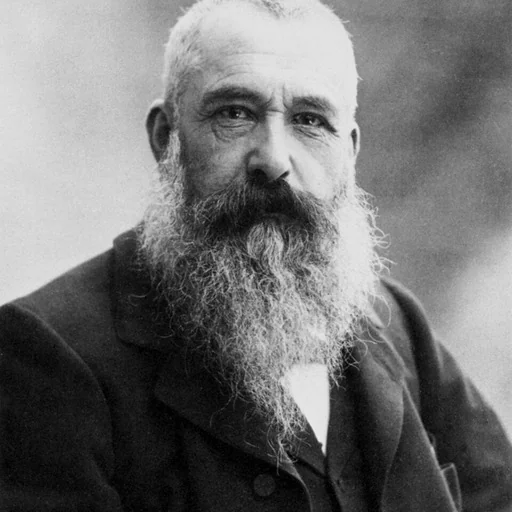
Oscar-Claude Monet was born in Paris on November 14, 1840, and raised from the age of five in Le Havre, where he began selling charcoal caricatures as a teenager.