Artwork
Nympheas, effect in the evening
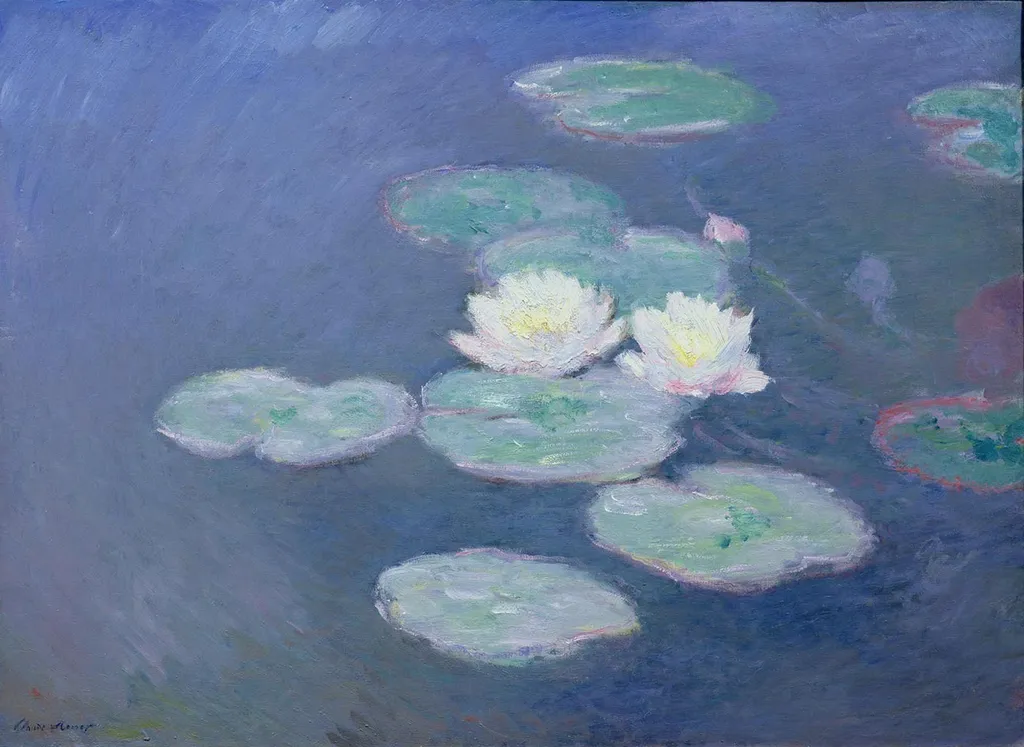
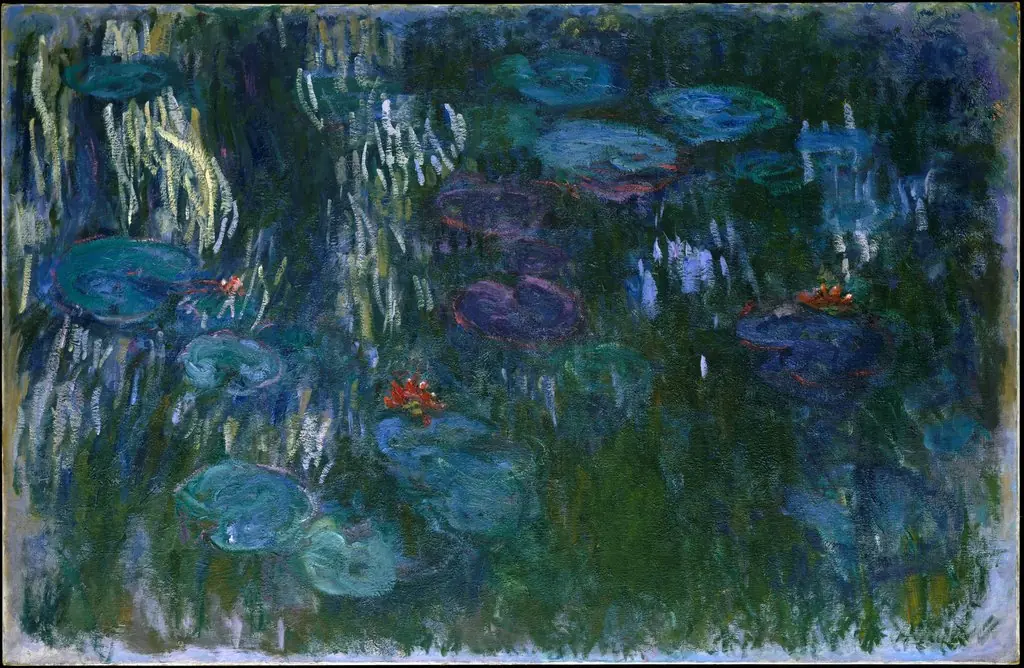
Nympheas, effect in the evening is an oil painting by the Impressionist artist Claude Monet. It dates from 1899 and is held in the collection of the Musée Marmottan Monet.
About this work
Overview
Claude Monet’s oil painting titled *Nympheas, effect in the evening* was completed in 1899. The work belongs to the series of water‑lily studies that Monet produced at his garden in Giverny and is presently displayed in the Musée Marmottan Monet in Paris.
Subject & Meaning
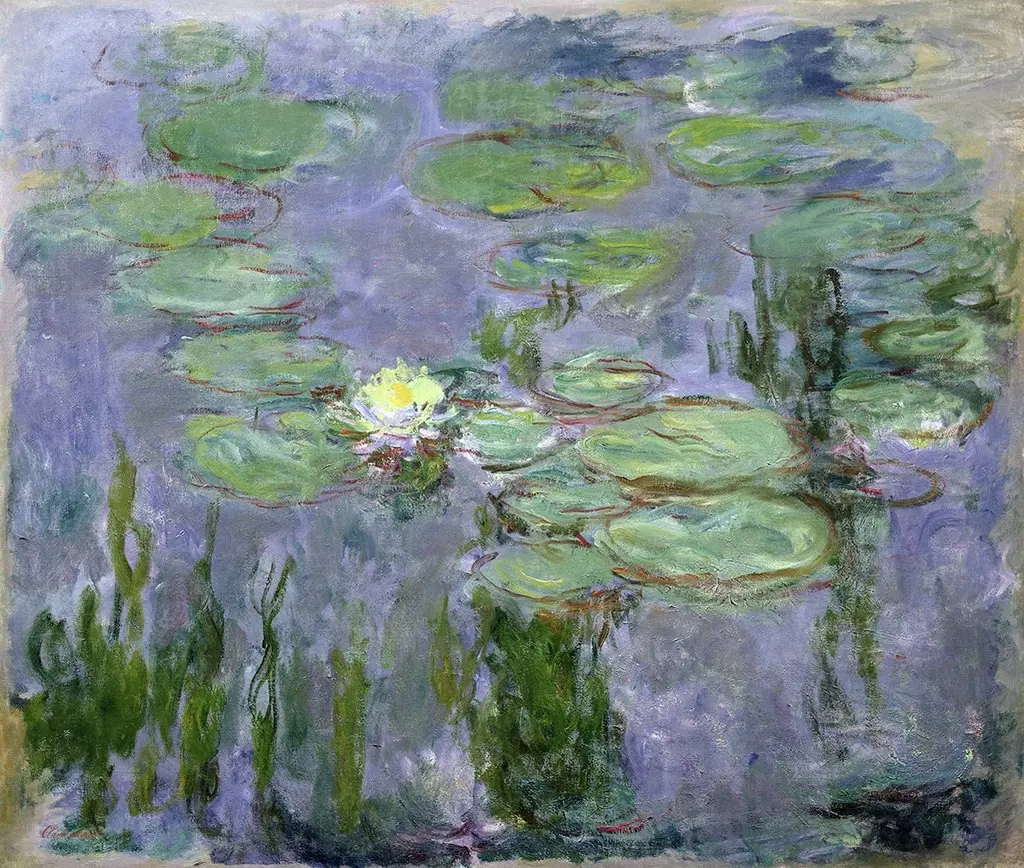
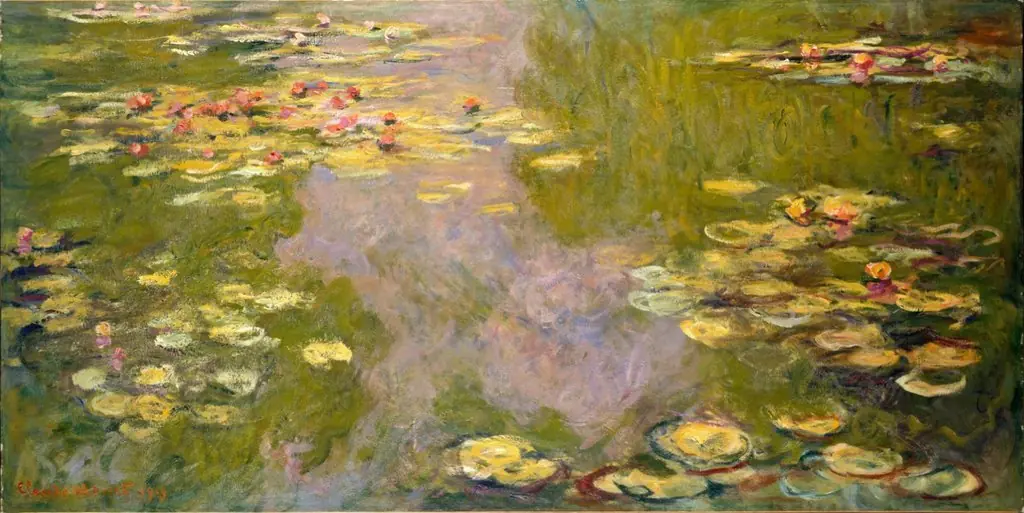
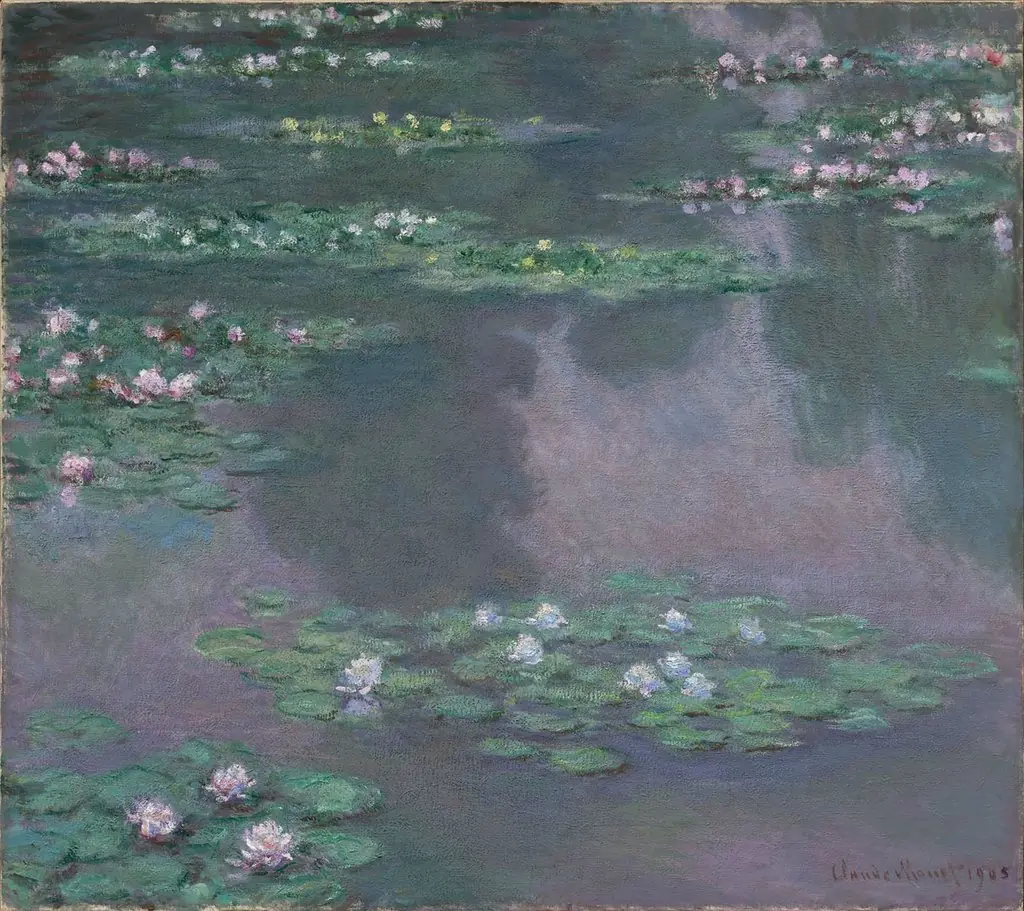
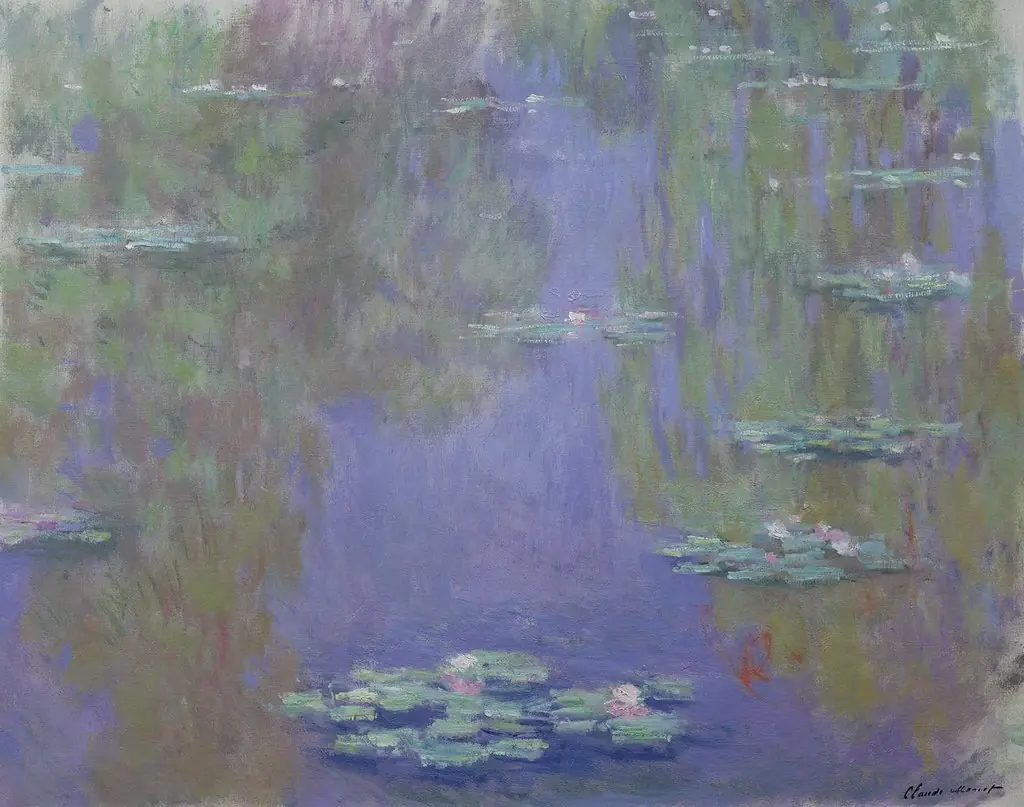
The canvas depicts a pond surface strewn with white and pink water‑lily blossoms. The flowers dominate the composition, appearing to float on a still body of water that mirrors the dim evening sky, creating a tranquil, meditative atmosphere.
Technique & Style
Monet employs loose, feathery brushstrokes to render the delicate petals and the reflective water, allowing color and light to blend softly. The background is rendered in deep blues that verge on black, emphasizing the luminous quality of the lilies against the evening gloom.
History & Provenance
Created at the close of the 19th century, the painting remained in private hands before being acquired by the Musée Marmottan Monet, where it forms part of the museum’s extensive collection of Monet’s late works.
Artist & collection
Artist
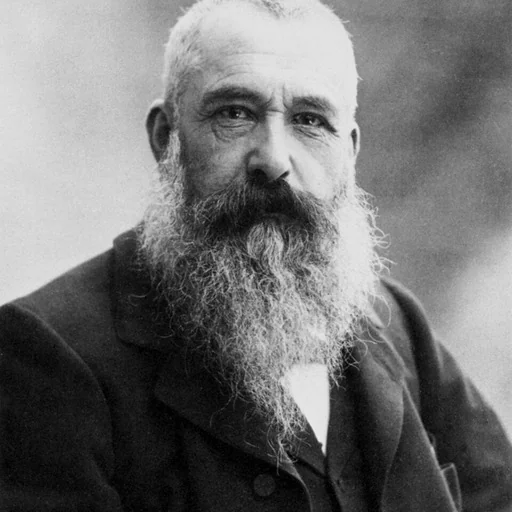
Oscar-Claude Monet was born in Paris on November 14, 1840, and raised from the age of five in Le Havre, where he began selling charcoal caricatures as a teenager.