Artwork
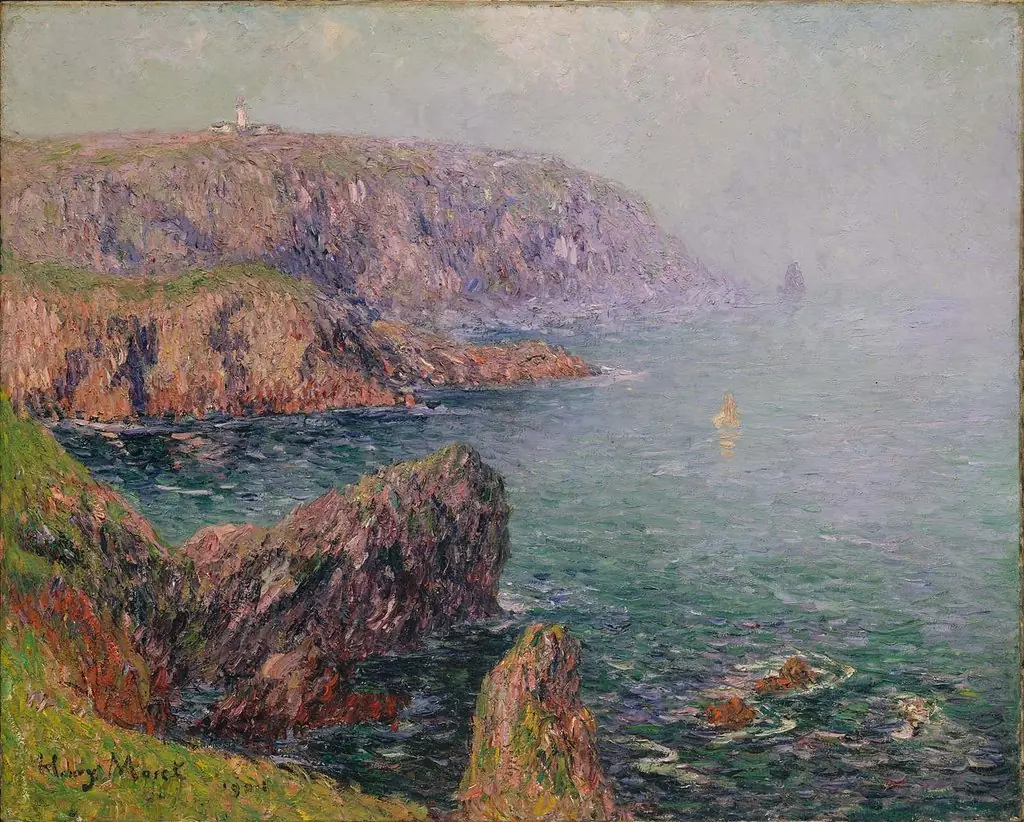
Port-Goulphar, Belle-Île
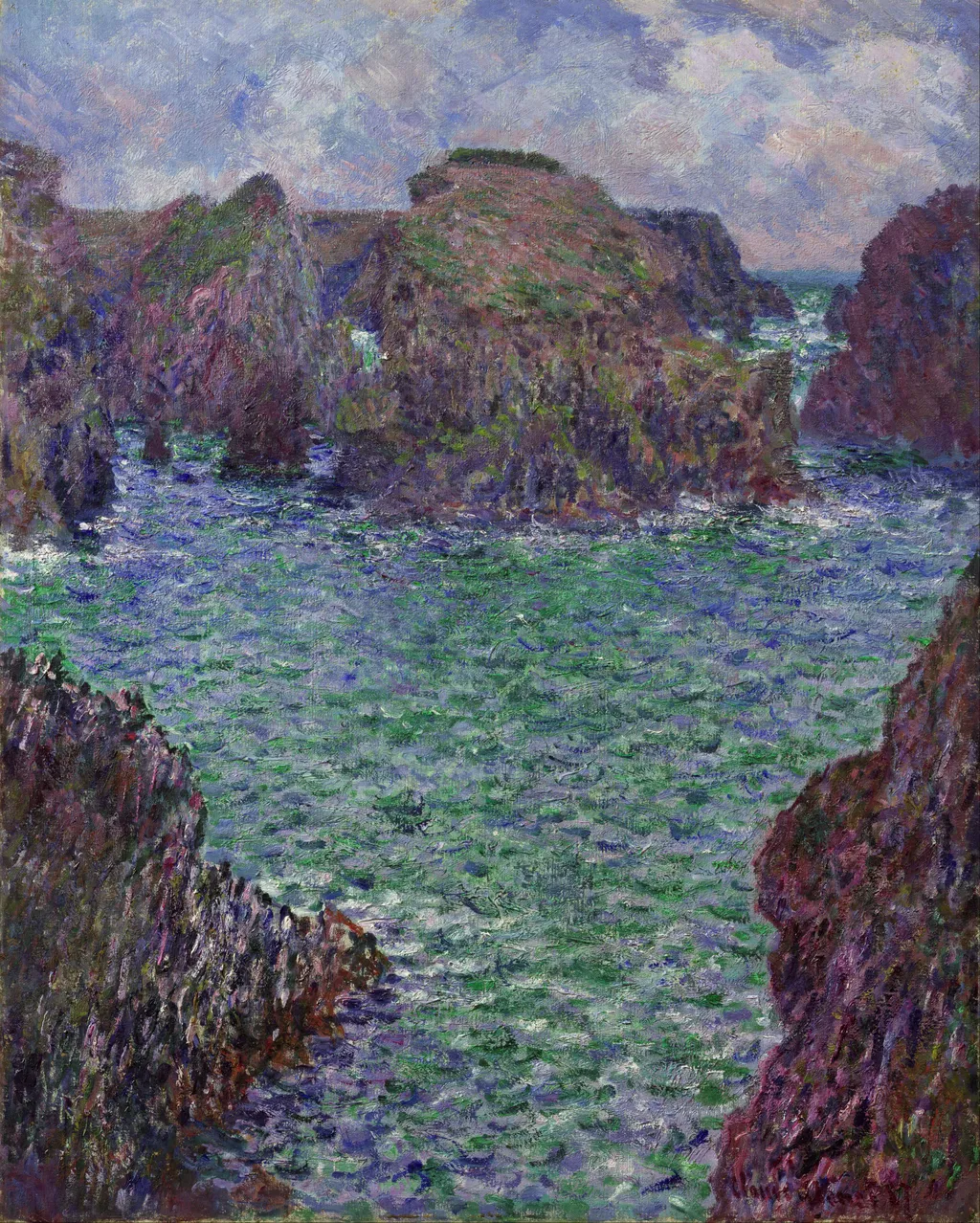
Port-Goulphar, Belle-Île is an oil painting by the Impressionist artist Claude Monet. It dates from 1894 and is held in the collection of the Art Gallery of New South Wales.
About this work
Overview
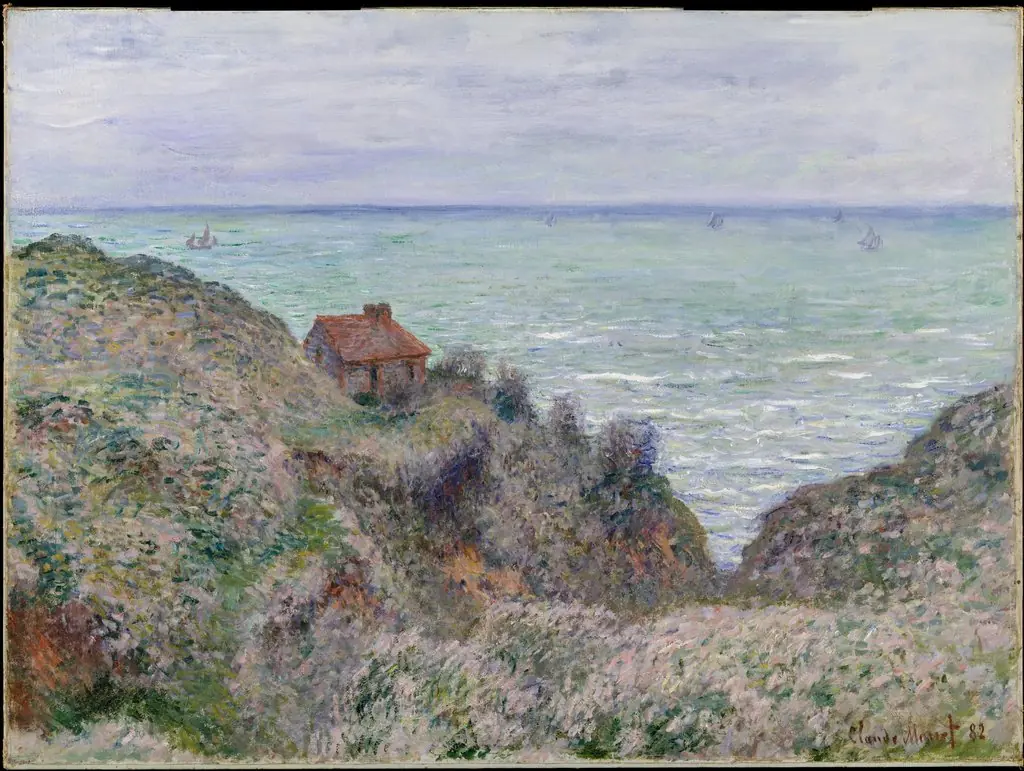
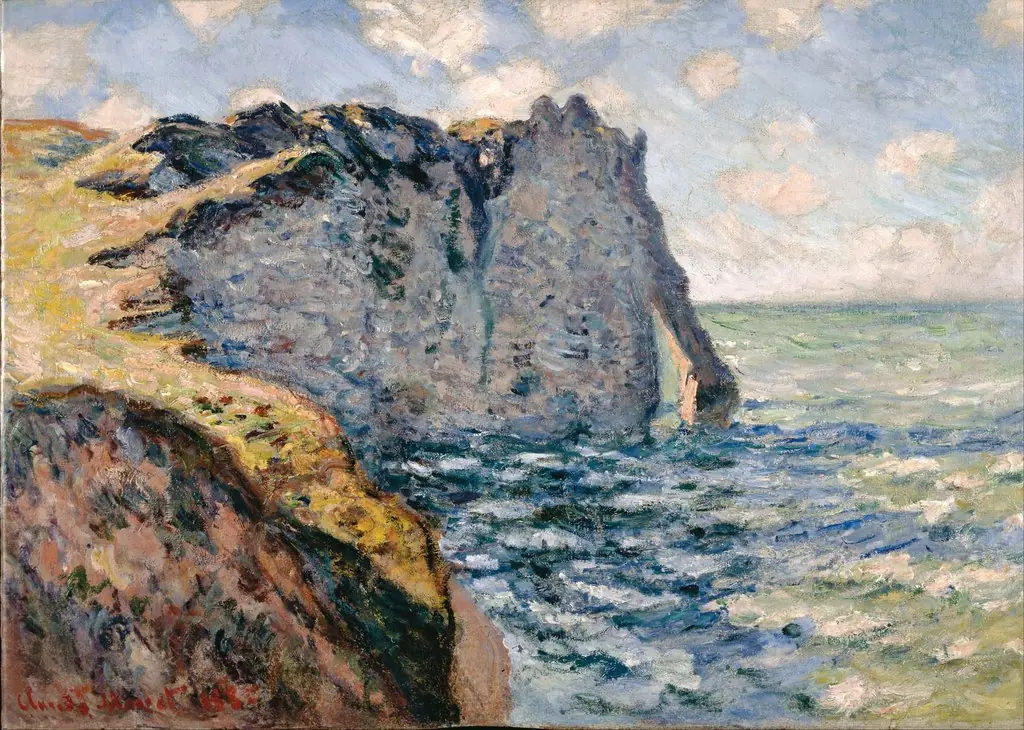
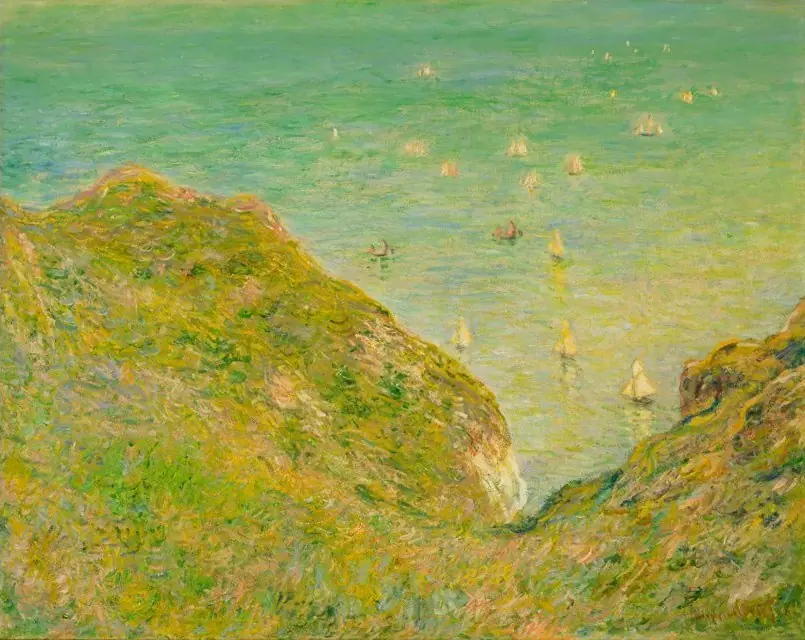
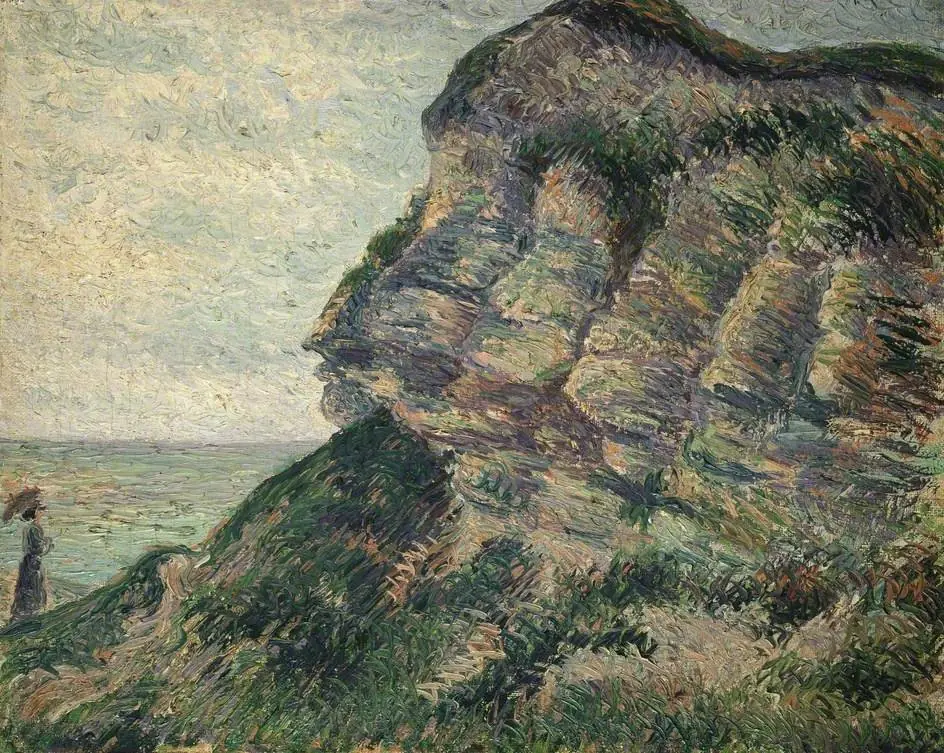
Painted in 1894, Port-Goulphar, Belle-Île is an oil on canvas work by Claude Monet, capturing the rugged coastline of the Breton island of Belle-Île. The painting belongs to a series Monet produced during his stay on the island, where he explored the interplay of land, sea, and sky. It is currently held in the collection of the Art Gallery of New South Wales, Sydney.
Subject & Meaning
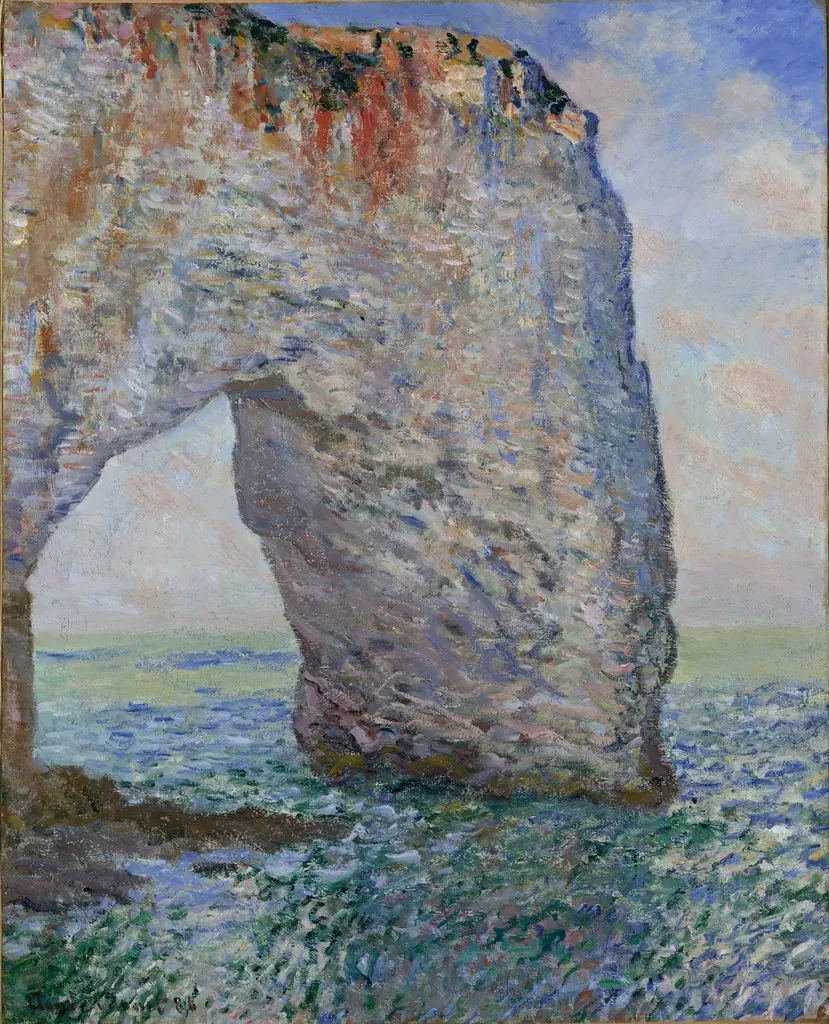
The scene portrays the natural harbor of Port Goulphar, characterized by jagged granite formations rising from the water. Monet avoids human presence, focusing instead on the quiet endurance of the landscape. The absence of figures and vessels emphasizes the solitude and elemental power of the coast, reflecting his interest in nature’s quiet rhythms over narrative content.
Technique & Style
The contrast between the dense rocks and the smooth water enhances the painting’s spatial depth without relying on traditional perspective.
Monet applied thick, tactile brushwork to the rocky foreground, creating a sense of texture and weight, while the sea and sky are rendered with looser, more fluid strokes. His palette leans on muted blues, greens, and purples, with subtle shifts in tone to suggest changing light. The contrast between the dense rocks and the smooth water enhances the painting’s spatial depth without relying on traditional perspective.
History & Provenance
Monet painted this work during a three-month stay on Belle-Île in 1886, returning to the site in 1894 to complete several canvases. Port-Goulphar was among the final works from this period, likely finished in his studio. It entered the Art Gallery of New South Wales in 1948 through the Felton Bequest, a major donation of European art to Australian public collections.
Context
This painting emerged during Monet’s mature phase, when he increasingly turned to isolated coastal sites to study light and form without urban distractions. Belle-Île’s wild terrain offered a counterpoint to his earlier work in Normandy and the Mediterranean. His focus on unpopulated shores aligned with broader late-19th-century interests in nature as a subject of contemplative observation.
Legacy
Port-Goulphar, Belle-Île exemplifies Monet’s late commitment to capturing transient atmospheric conditions through direct observation. While less widely known than his water lilies or haystacks, the work influenced later landscape painters seeking to convey emotional resonance through color and texture rather than detail. Its presence in Australia underscores the global reach of Impressionist collections in the 20th century.
Own this work as a print
Artist & collection
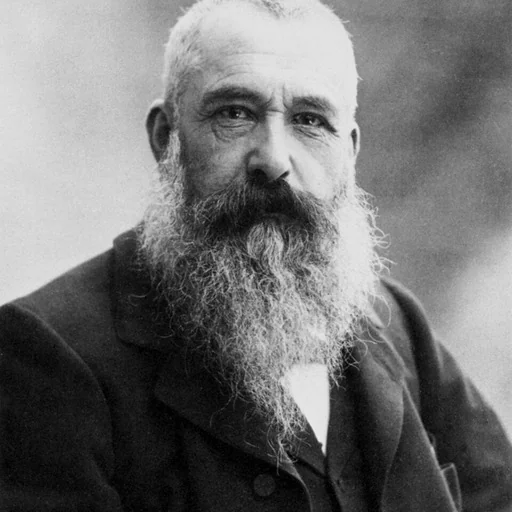
Artist
Oscar-Claude Monet was born in Paris on November 14, 1840, and raised from the age of five in Le Havre, where he began selling charcoal caricatures as a teenager.