Artwork
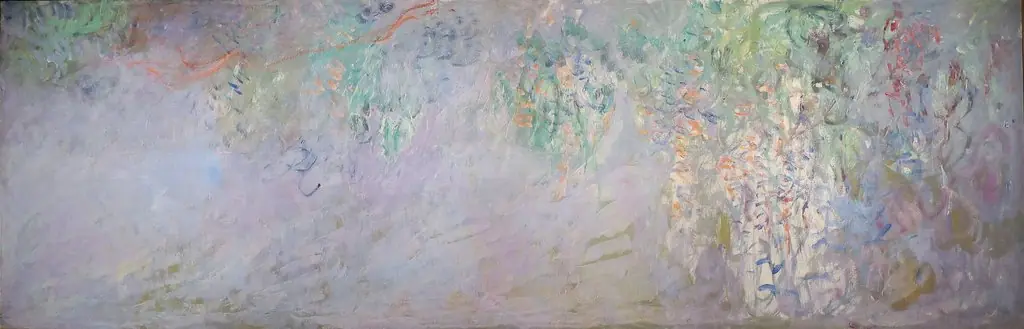
Nymphéas (Wildenstein 1902)

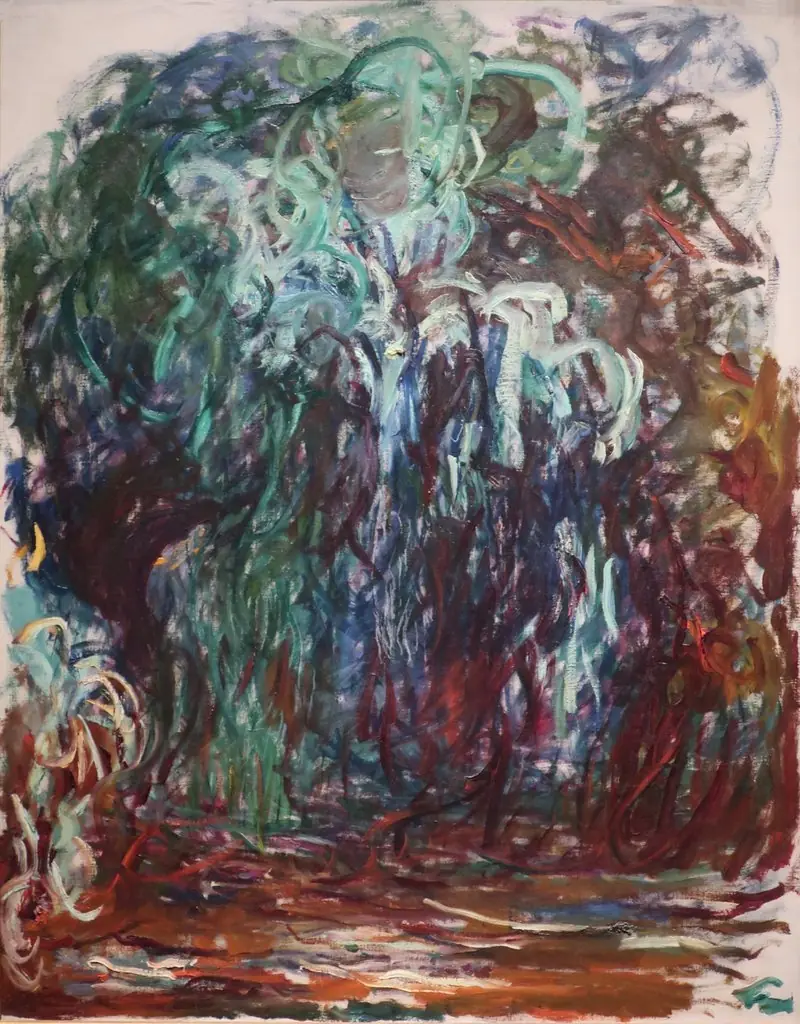
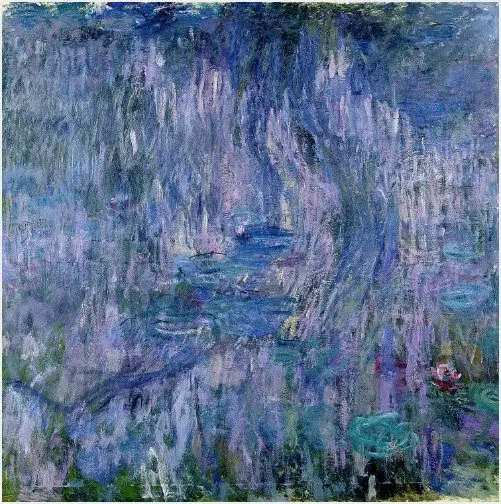
Nymphéas (Wildenstein 1902) is an oil painting by the Impressionist artist Claude Monet. It dates from 1918 and is held in the collection of the Musée Marmottan Monet.
About this work
Overview
Nymphéas (Wildenstein 1902) is an oil painting by Claude Monet, executed in 1918. It is part of the collection at the Musée Marmottan Monet.
Subject & Meaning
The title 'Nymphéas' refers to water lilies, a subject Monet frequently depicted, often exploring the interplay of light and color in his garden pond at Giverny.
Technique & Style
Characteristic of Monet's late Impressionist works, this painting likely features soft brushstrokes and an emphasis on capturing fleeting effects of natural light on the water's surface.
History & Provenance
Created in 1918, the painting's early ownership history is not detailed here, but by the time of cataloging (Wildenstein 1902, presumably a catalog raisonné reference with a typographical error in date), it was well-documented. It is now housed at the Musée Marmottan Monet in Paris.
Context
Painted during World War I, 'Nymphéas' reflects Monet's continued focus on serene natural themes amidst global turmoil, a common refuge for many artists of the time.
Legacy
As part of Monet's extensive series of water lily paintings, 'Nymphéas' contributes to the broader legacy of Impressionism, influencing subsequent movements in modern art with its dreamy, light-infused depiction of nature.
Artist & collection
Artist
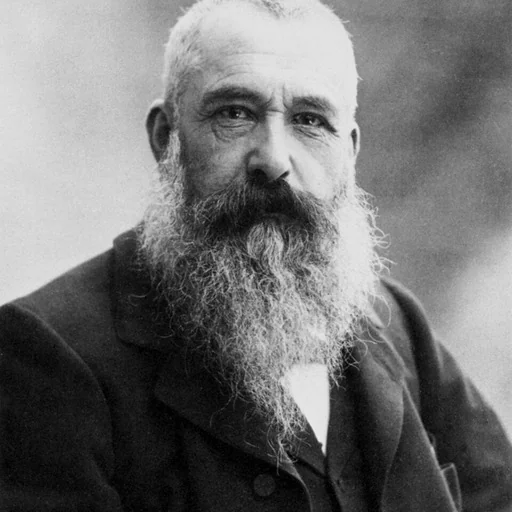
Oscar-Claude Monet was born in Paris on November 14, 1840, and raised from the age of five in Le Havre, where he began selling charcoal caricatures as a teenager.