Artwork
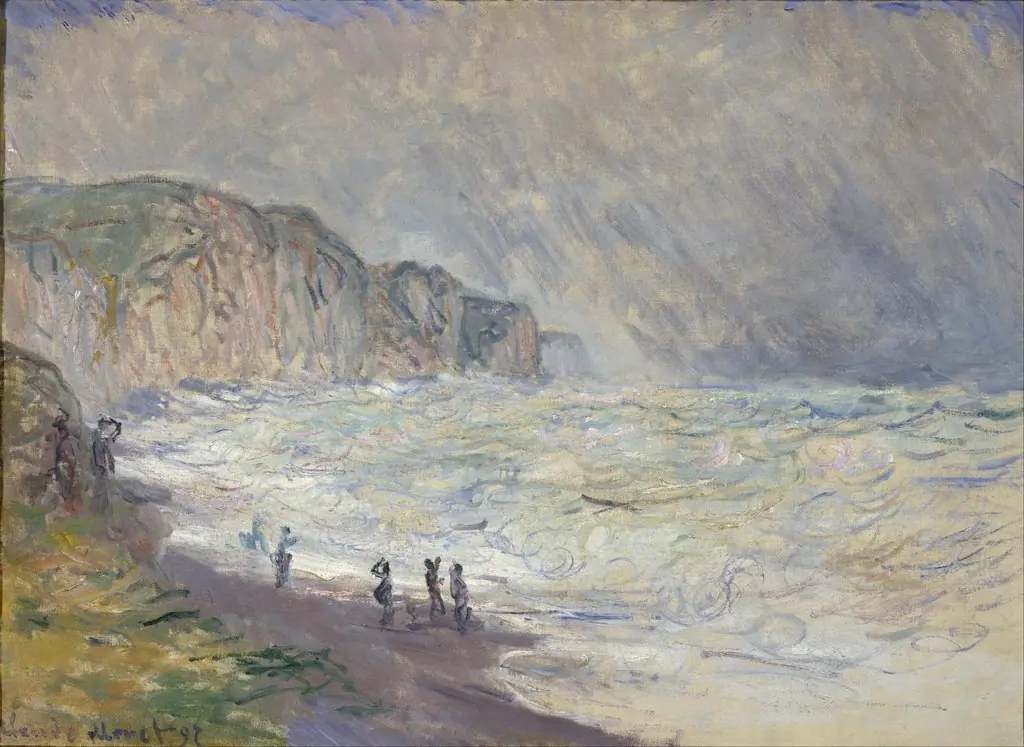
Rough weather at Étretat
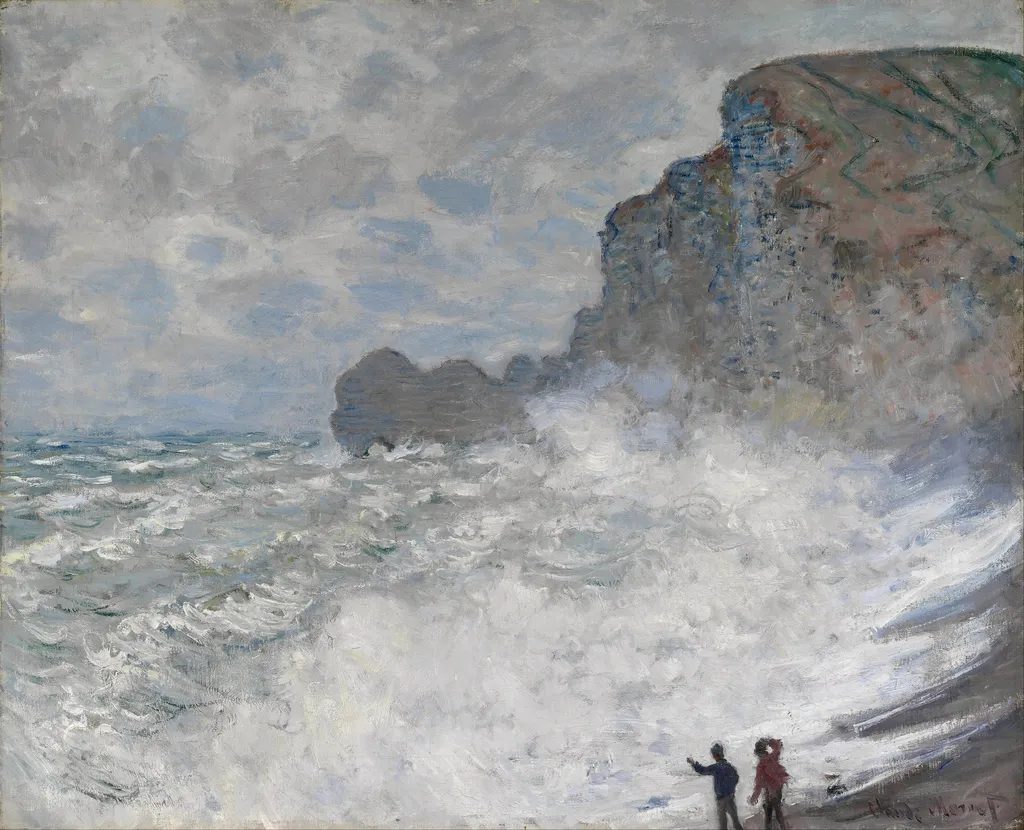
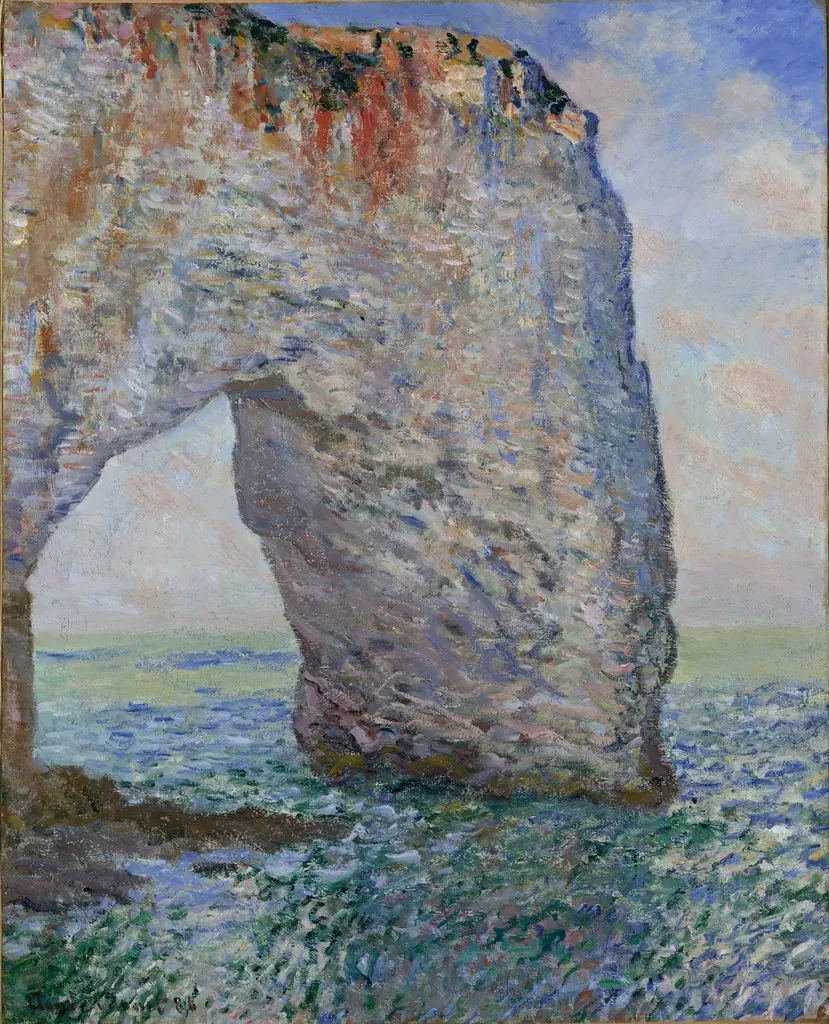
Rough weather at Étretat is an oil painting by Claude Monet. It dates from 1892 and is held in the collection of the National Gallery of Victoria.
About this work
Overview
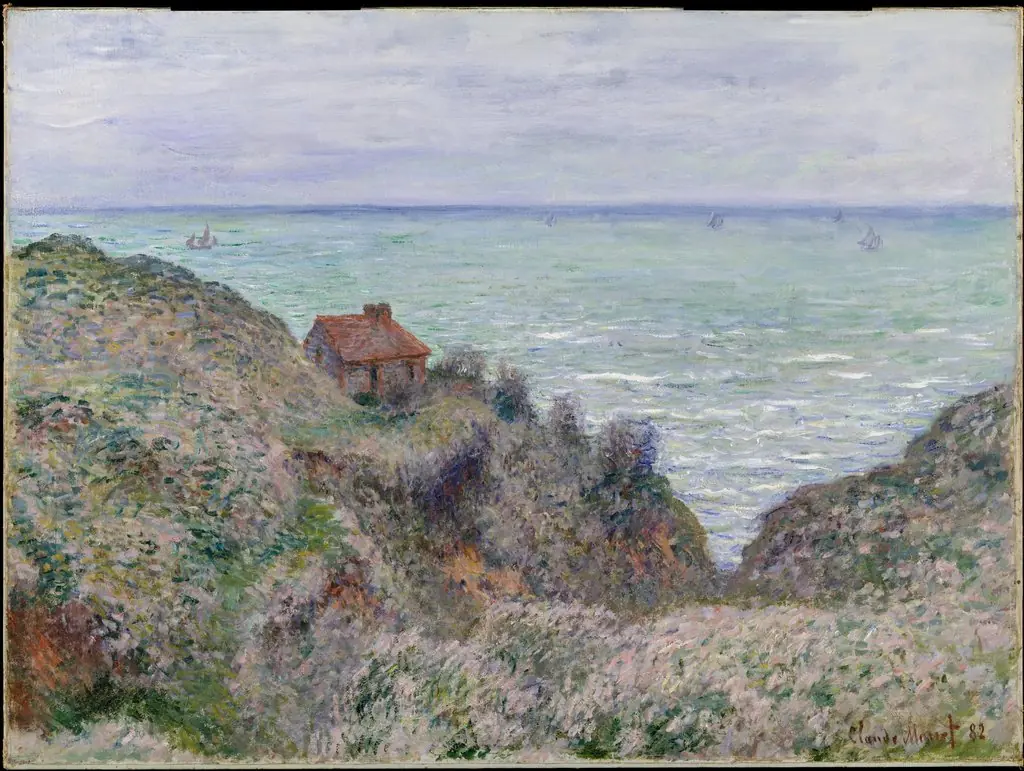
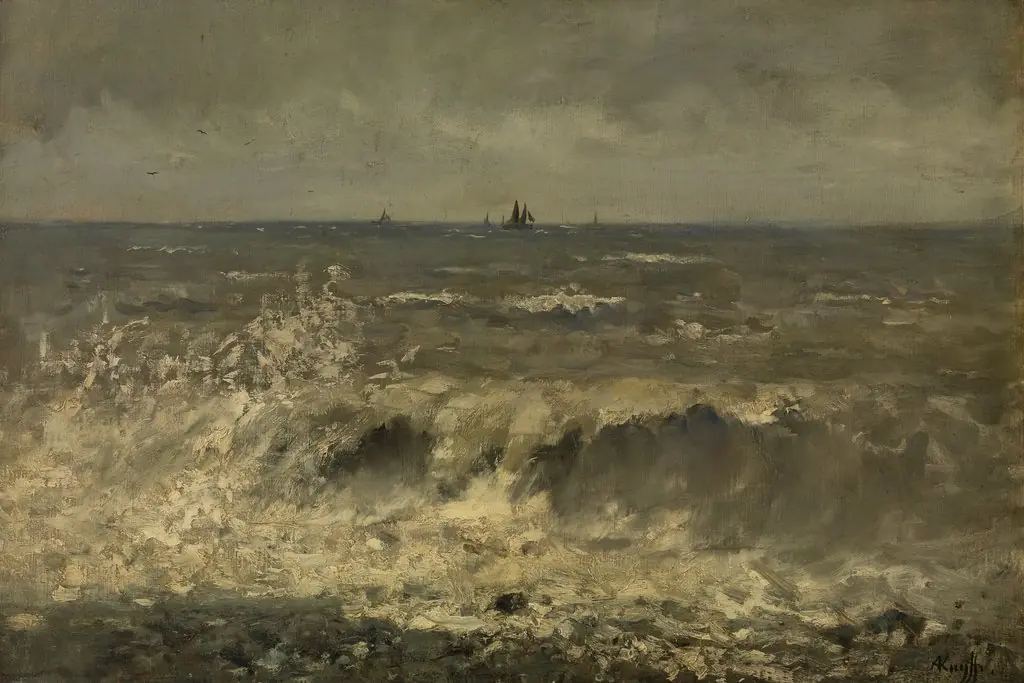
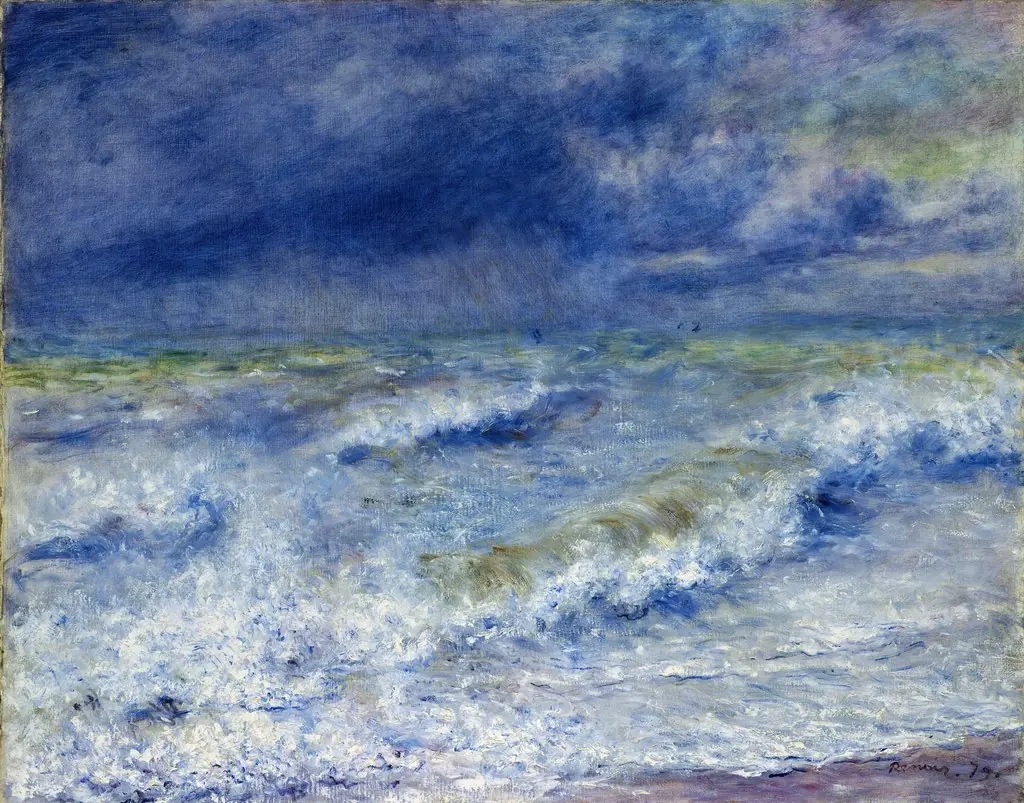
Rough weather at Étretat is an 1892 oil painting by Claude Monet, part of the National Gallery of Victoria's collection. It captures a dramatic coastal scene during turbulent weather.
Subject & Meaning
The painting depicts a rugged coastline with two figures on the shore, dressed in contrasting jackets (red and dark blue), intently observing the turbulent sea. The scene conveys a sense of turmoil and natural power.
Technique & Style
Monet employed bold, expressive brushstrokes with visible textures, creating depth and dimensionality. The palette features stark contrasts: white, foamy waves; deep blue-green water; and a dynamic, grey cloud-filled sky.
History & Provenance
Created in 1892, the work is now held in the National Gallery of Victoria's collection. Specific details about its creation context or earlier ownership are not provided.
Context
This painting reflects Monet's interest in capturing the fleeting effects of natural light and weather, characteristic of his Impressionist approach, though the emphasis on turmoil suggests a bridge towards more expressive, late-19th-century artistic tendencies.
Legacy
While specific legacy details are not provided, as part of Monet's oeuvre, it contributes to the broader appreciation of Impressionist and early 20th-century European art movements, highlighting the capture of dynamic natural phenomena.
Own this work as a print
Artist & collection
Artist
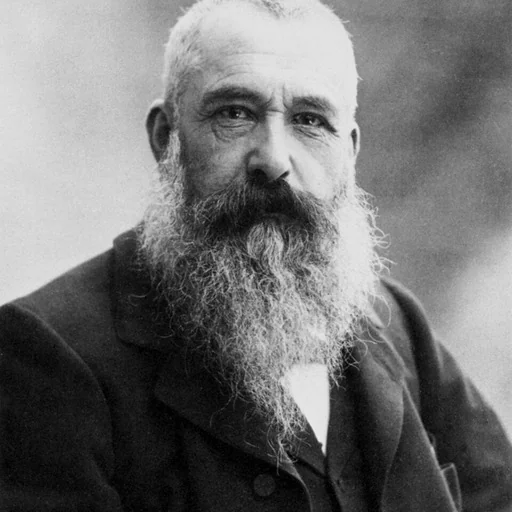
Oscar-Claude Monet was born in Paris on November 14, 1840, and raised from the age of five in Le Havre, where he began selling charcoal caricatures as a teenager.