Artwork
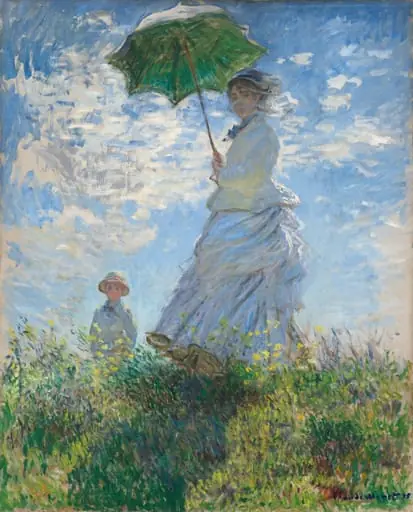
The Cliff Walk at Pourville
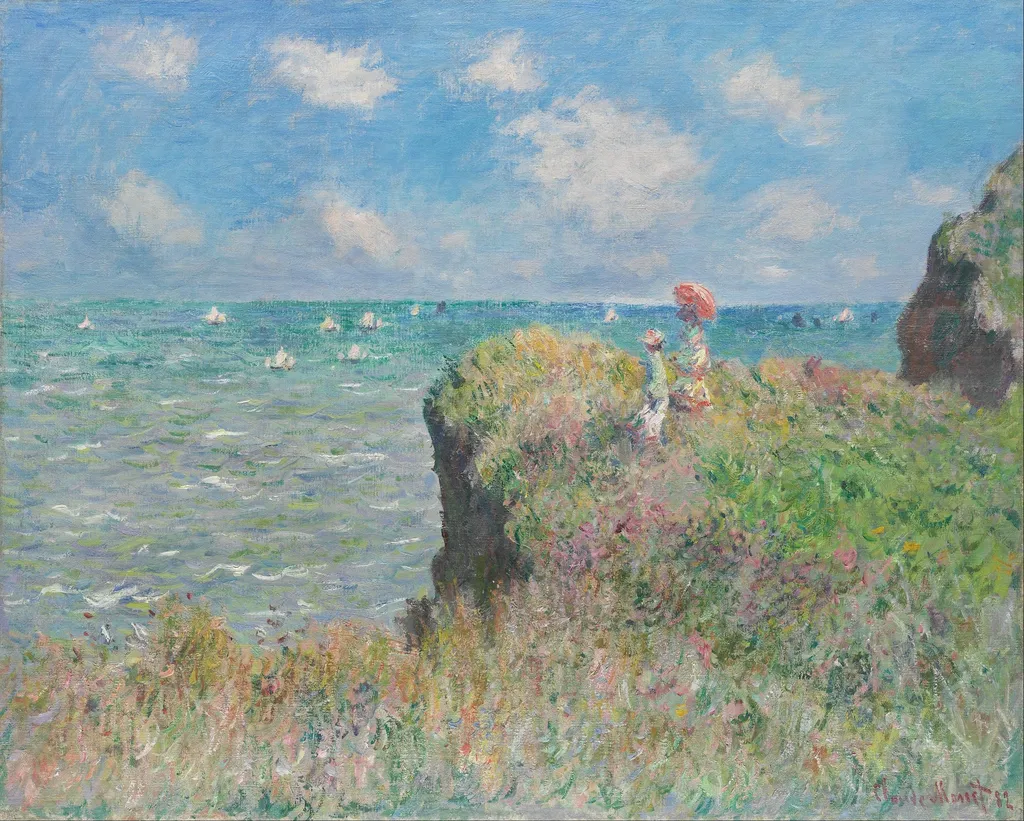
The Cliff Walk at Pourville is an oil painting by the Impressionist artist Claude Monet. It dates from 1892 and is held in the collection of the Art Institute of Chicago.
About this work
Claude Monet painted *The Cliff Walk at Pourville* in 1882. He used oil paint to show two girls on a cliff above the sea. The painting looks at leisure and work side by side.
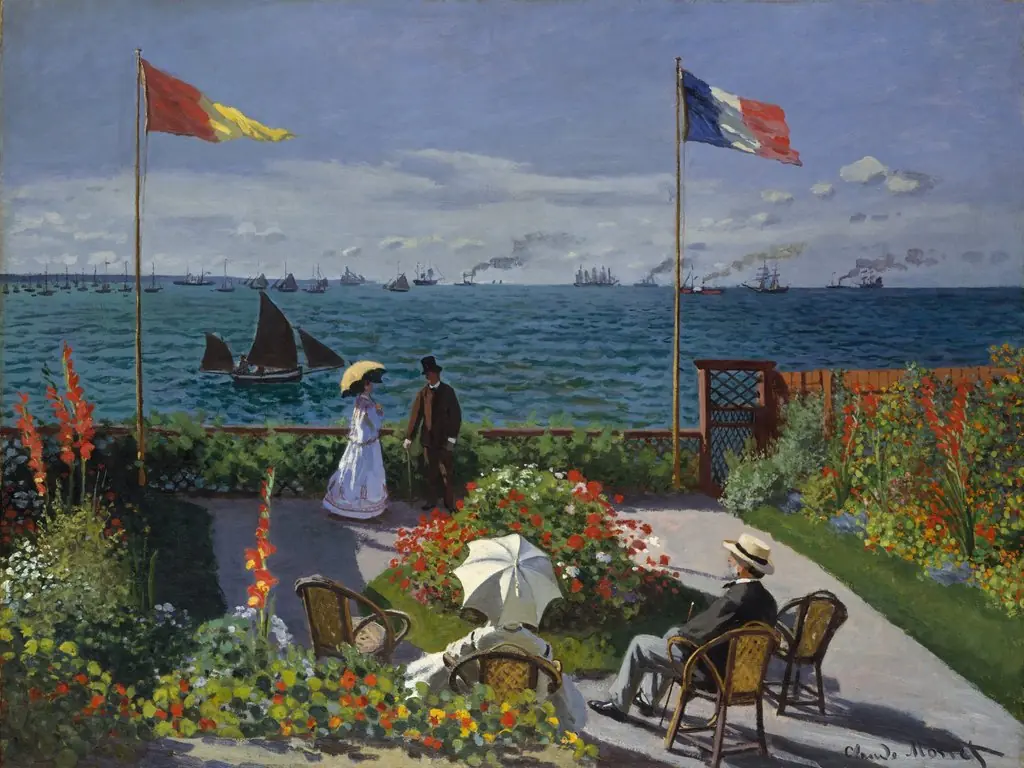
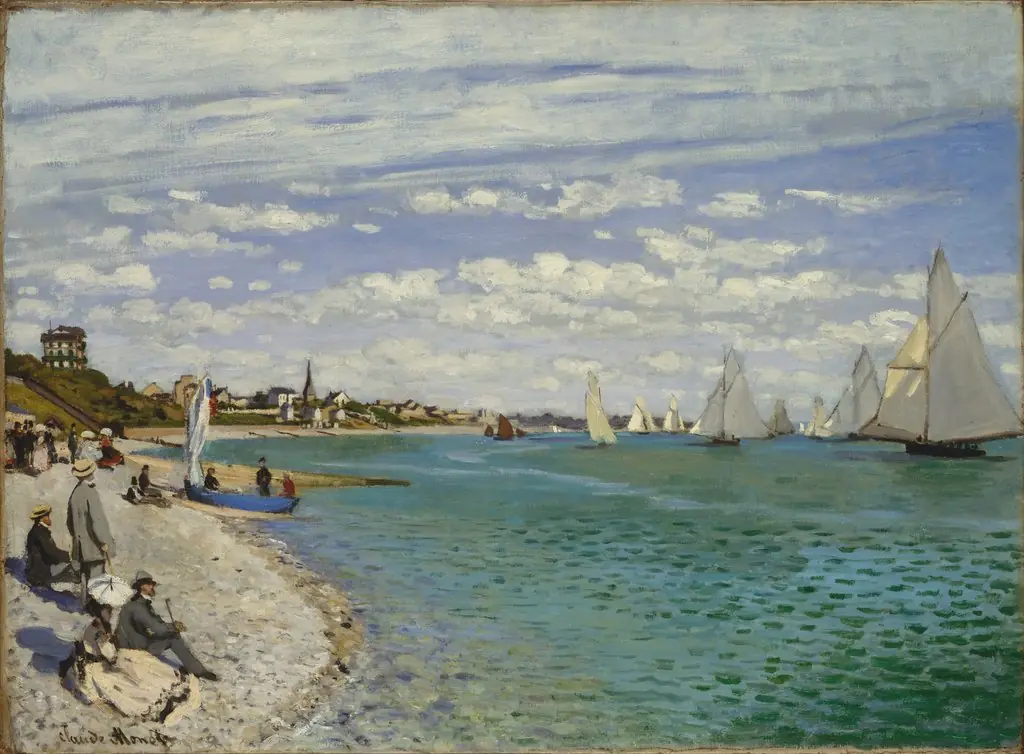
Monet made a series of these Normandy landscapes in summer. Fishing boats dot the horizon below the cliff. The breeze and sun feel light and quick.
Check out the Art Institute of Chicago.
Overview
Created in 1882, this oil painting by Claude Monet captures a coastal scene at Pourville, a fishing village in Normandy. The work is part of the Art Institute of Chicago’s collection and belongs to a series of landscapes Monet produced during his summer stays in the region. The composition centers on two young women positioned on a cliff, with the sea and distant boats extending below.
Subject & Meaning
The figures, dressed in contemporary attire, suggest a leisurely promenade, while the modest fishing vessels on the horizon reference the village’s working life. This contrast between the genteel presence of the women and the labor of the fishermen underscores a subtle commentary on class and the coexistence of recreation and industry along the French coast.
Technique & Style
Monet employs the loose brushwork and vibrant palette characteristic of Impressionism, rendering the bright summer light and the fleeting sensation of a sea breeze. The atmospheric effects are achieved through broken color and rapid strokes, which dissolve precise detail in favor of overall impression and movement across the sky, water, and cliff edge.
History & Provenance
After its completion, the painting entered private collections before being acquired by the Art Institute of Chicago, where it has been displayed since the early 20th century. Its provenance reflects the growing appreciation for Monet’s Normandy series among American institutions during that period.
Context
The work belongs to a broader group of Monet’s coastal studies made during his 1882 stay in Normandy, a time when the artist explored the interplay of light, atmosphere, and everyday life along the French shoreline. These paintings collectively document the region’s varied topography and social landscape, contributing to the development of plein‑air painting in the Impressionist movement.
Own this work as a print
Artist & collection
Artist
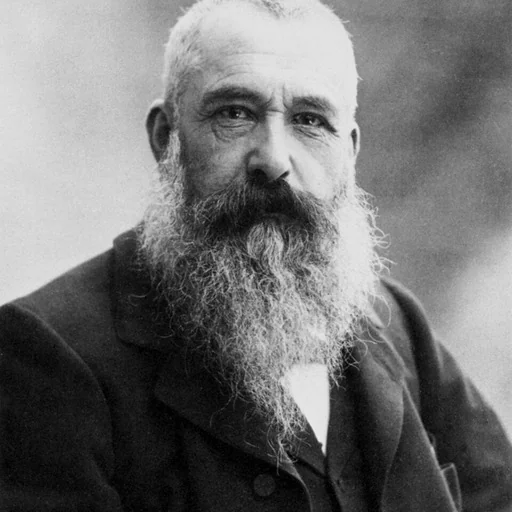
Oscar-Claude Monet was born in Paris on November 14, 1840, and raised from the age of five in Le Havre, where he began selling charcoal caricatures as a teenager.