Artwork
Water-Lilies
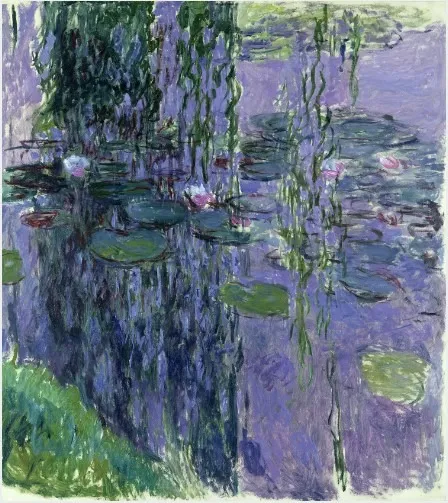
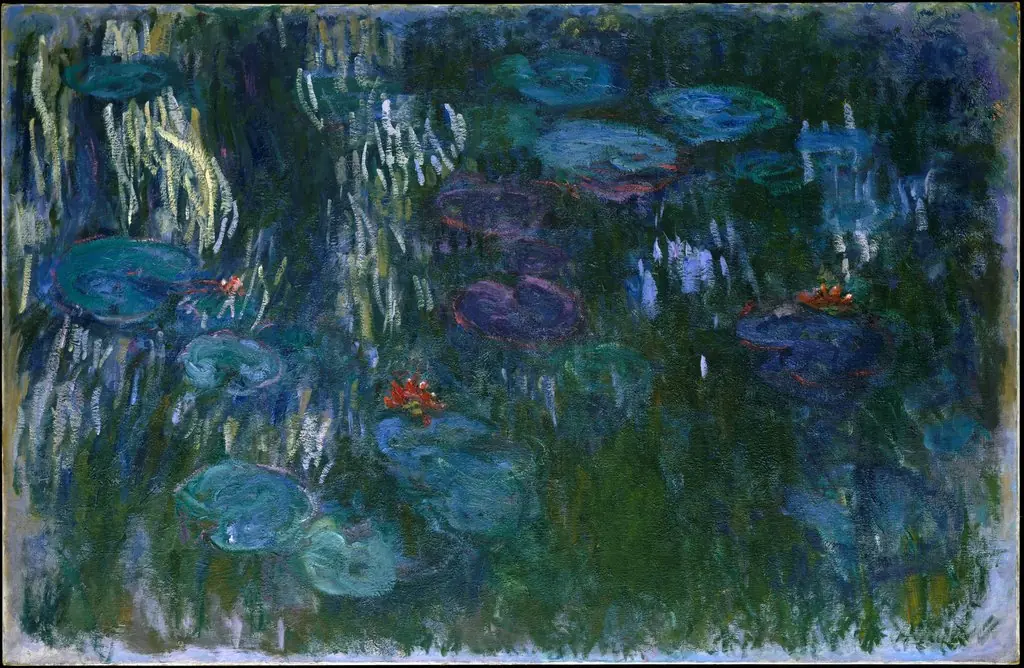
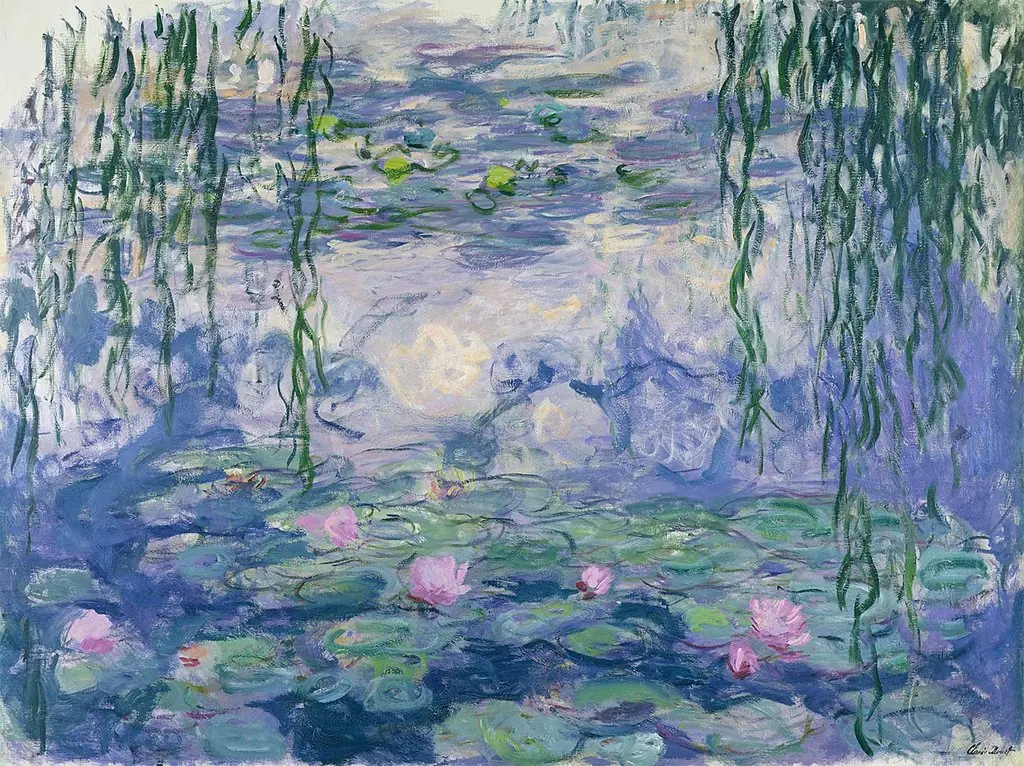
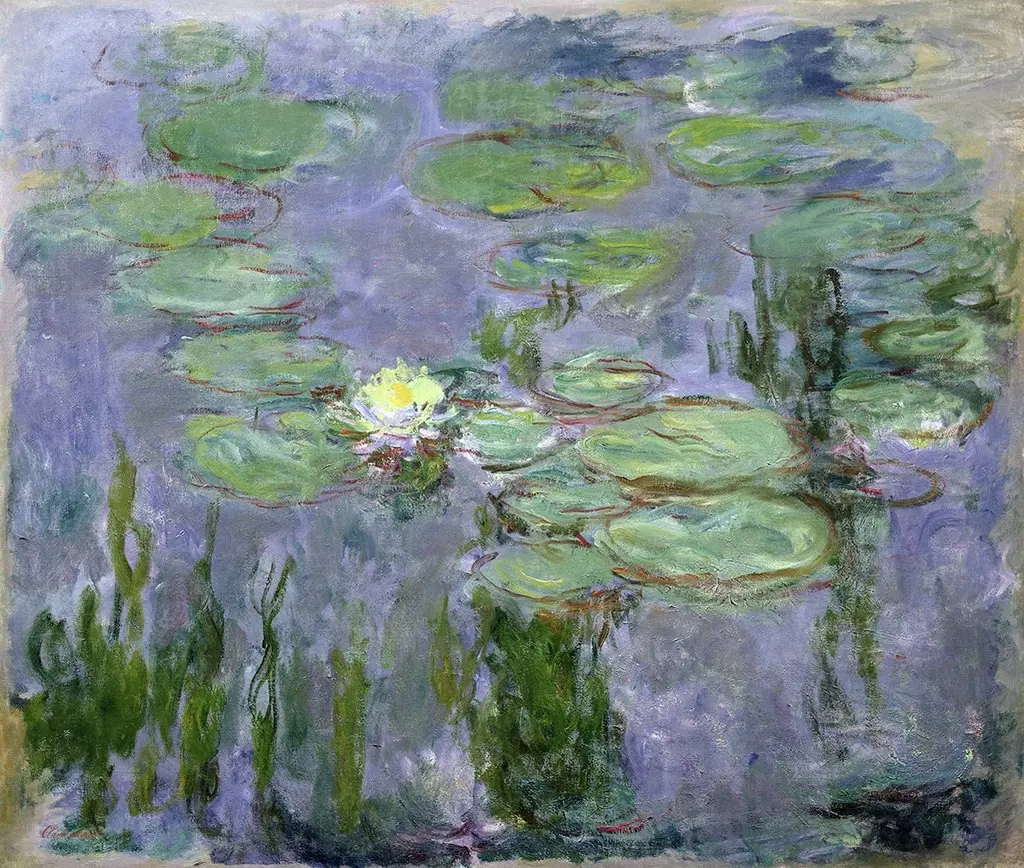
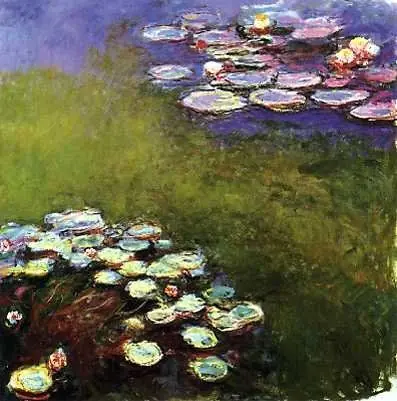
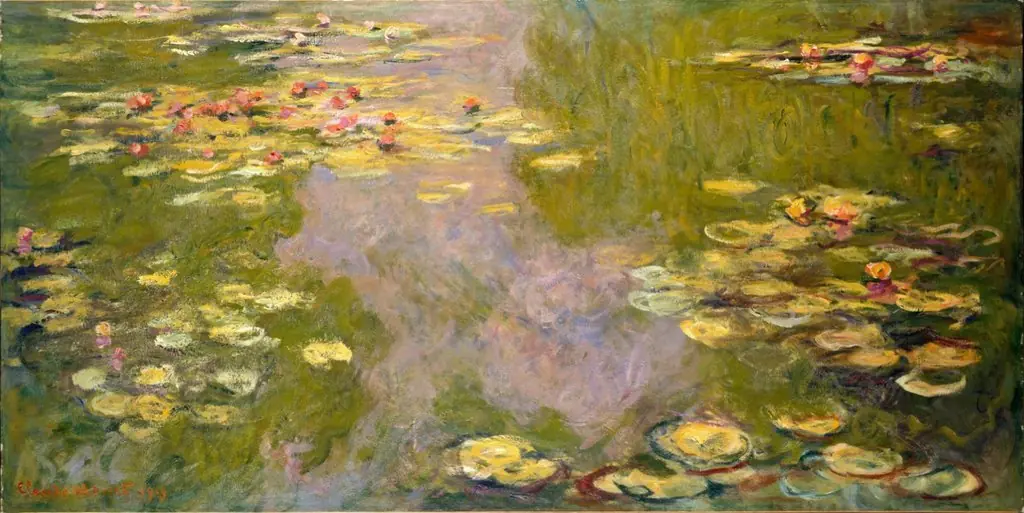
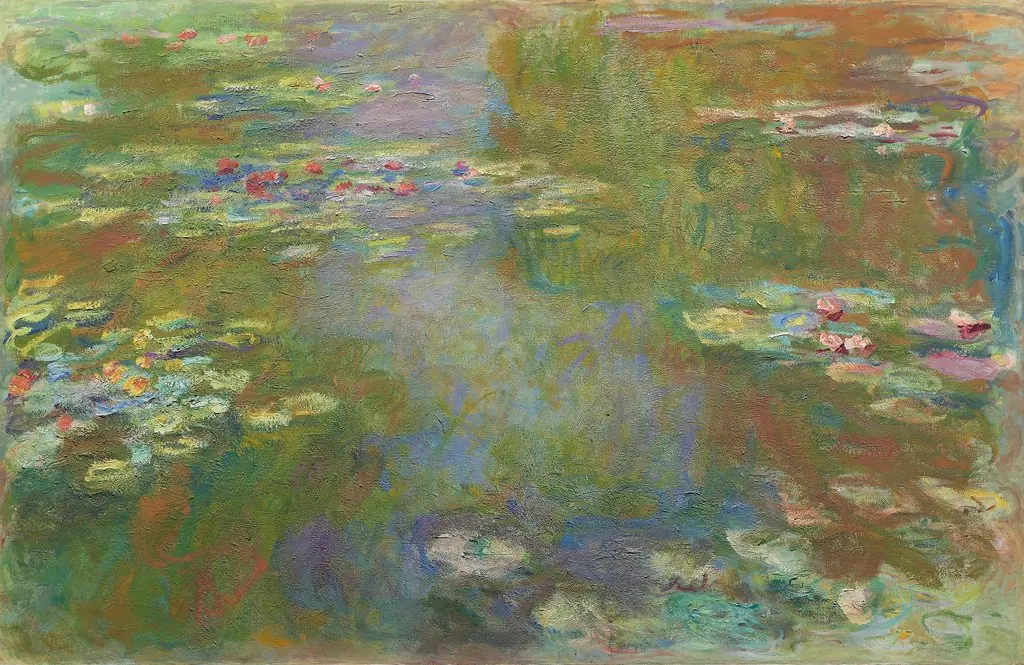
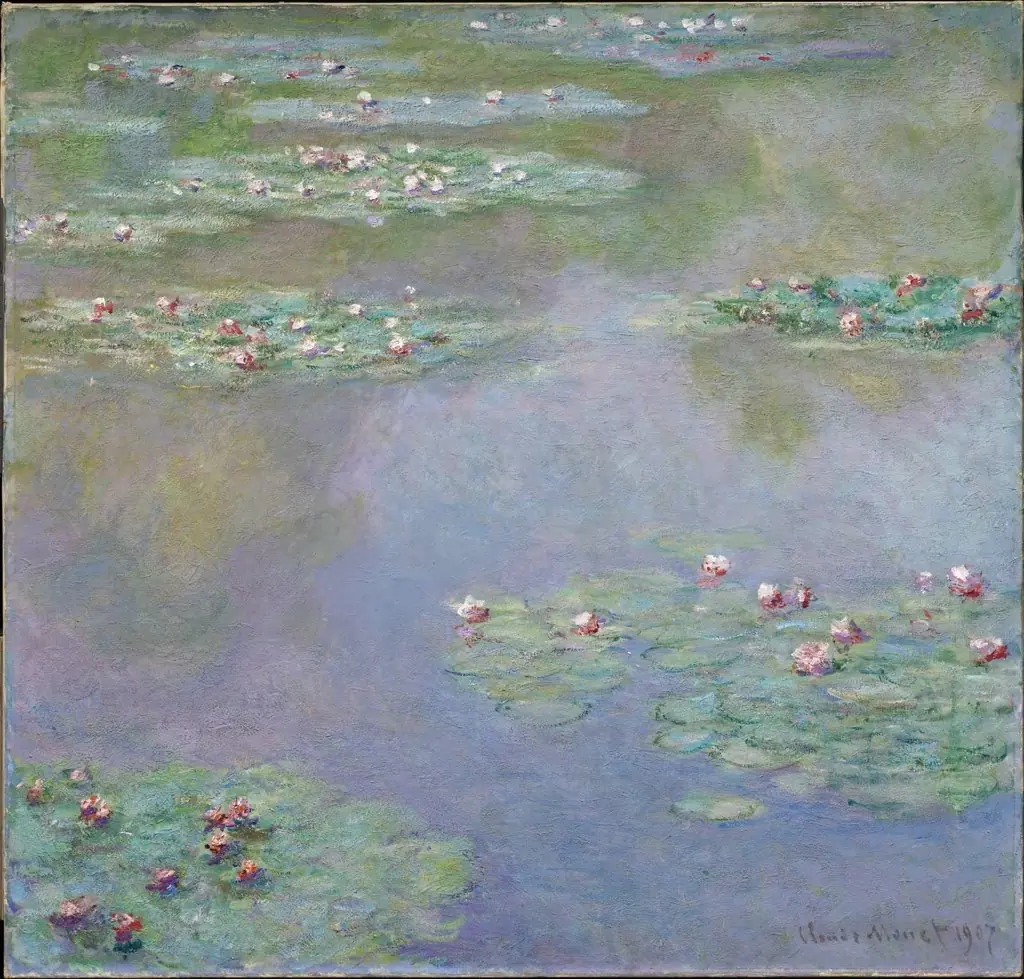
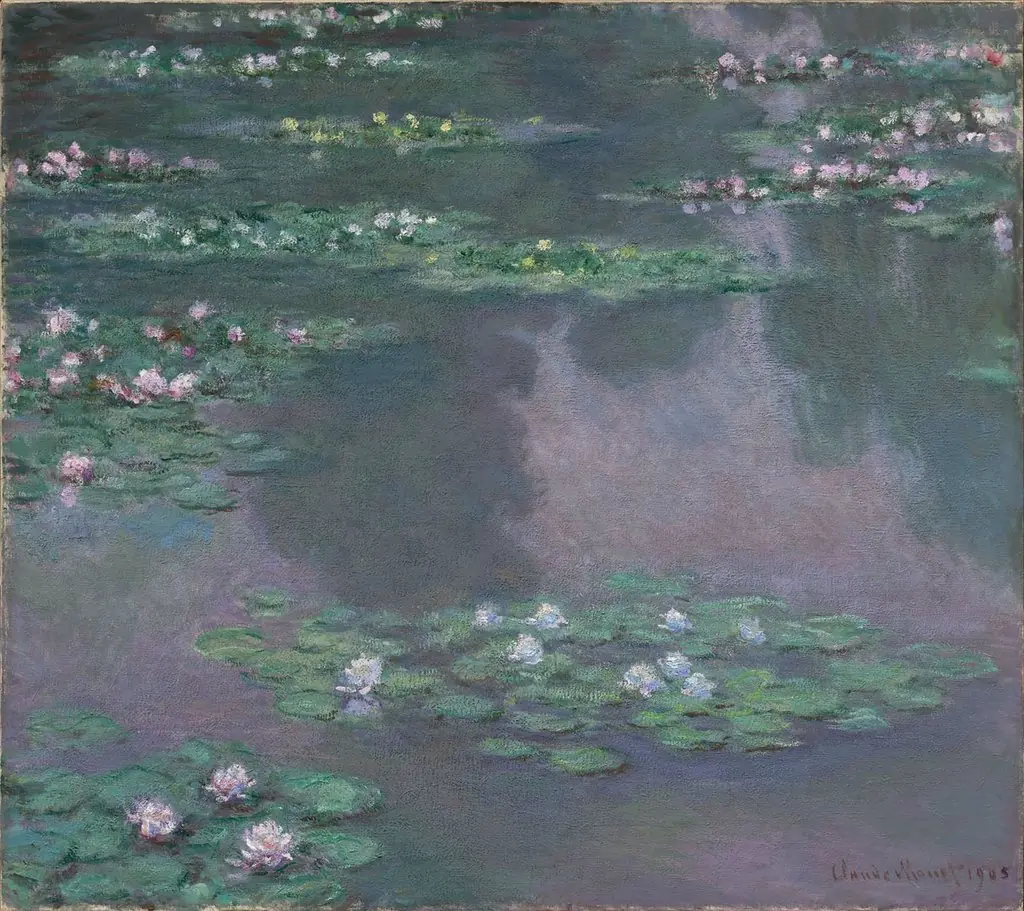
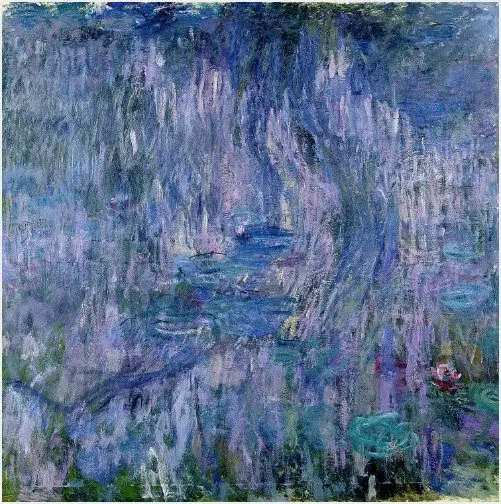
Water-Lilies is an oil painting by Claude Monet. It dates from 1917 and is held in the collection of the Musée Marmottan Monet.
About this work
Overview
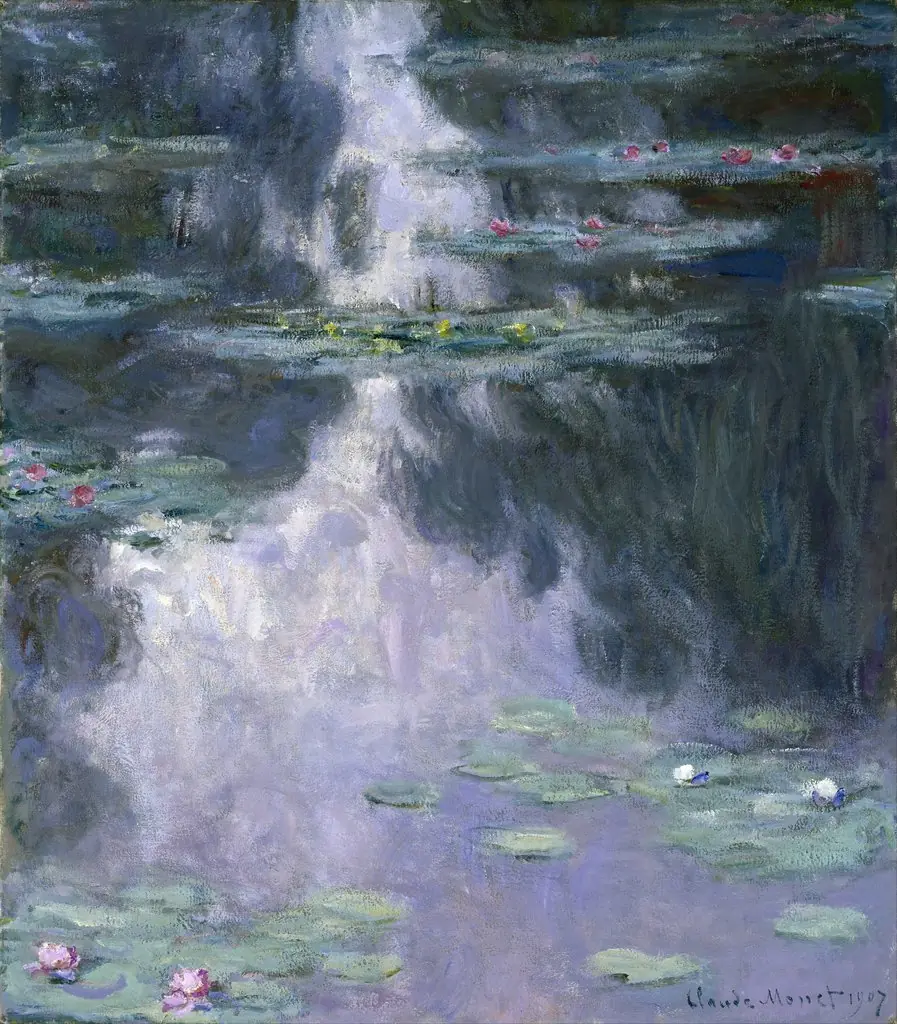
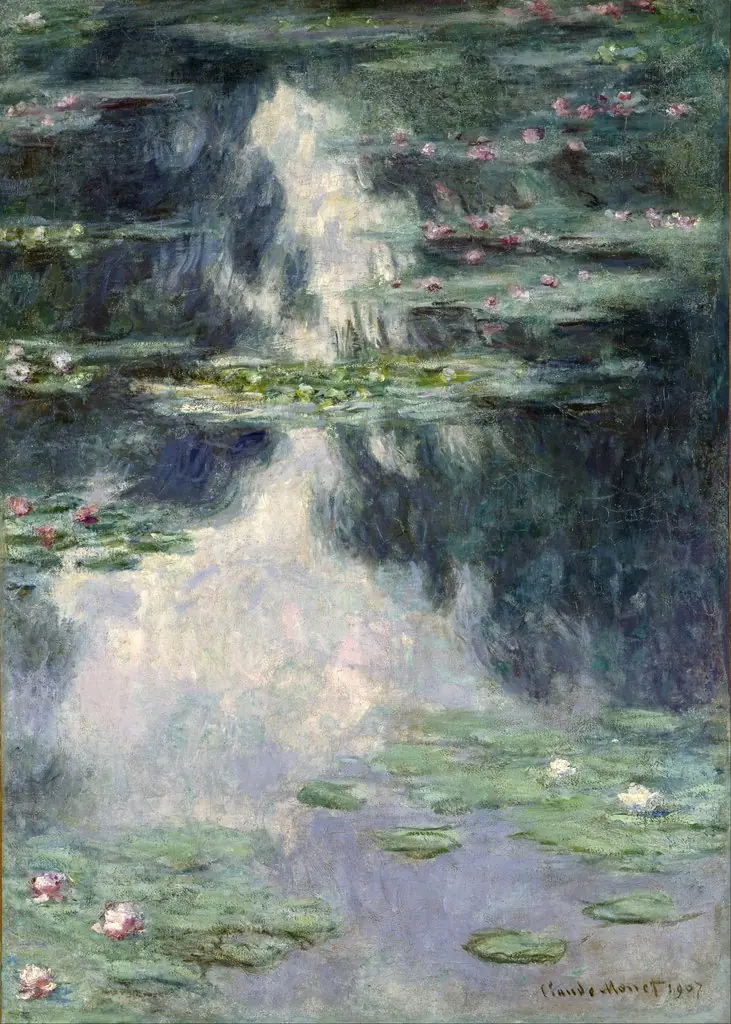
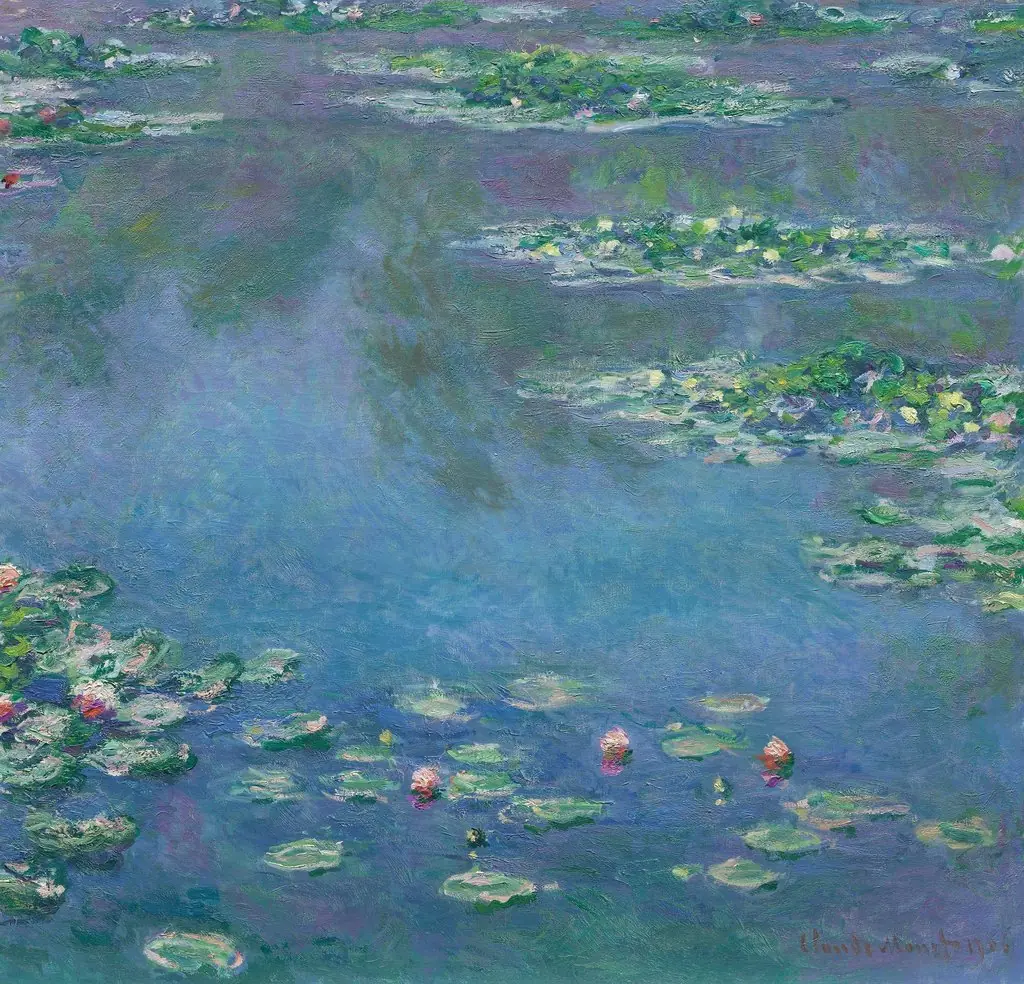
Painted in 1917, Water-Lilies is an oil work by Claude Monet, part of his extensive series depicting his garden pond at Giverny.
Painted in 1917, Water-Lilies is an oil work by Claude Monet, part of his extensive series depicting his garden pond at Giverny. It resides in the Musée Marmottan Monet in Paris. The composition lacks a horizon or clear boundary, immersing the viewer in a surface of water and vegetation. Monet’s focus here is on light, reflection, and the fluidity of natural forms rather than literal representation.
Subject & Meaning
The subject is Monet’s water garden, observed closely over years. Lily pads, blossoms, and reflections merge into a single plane, dissolving distinctions between sky, water, and flora. The absence of land or sky suggests a meditative immersion in nature’s rhythms. The work reflects Monet’s late preoccupation with perception, memory, and the transient qualities of light and color.
Technique & Style
Monet applied thick layers of oil paint using impasto, allowing pigment to build texture across the canvas. Brushstrokes are loose and varied, blending hues directly on the surface—purples, greens, and soft pinks—without sharp outlines. This technique captures the shimmer and instability of water, emphasizing sensory experience over detail. The lack of defined forms invites the eye to wander across the surface.
History & Provenance
Created during Monet’s later years, this painting belongs to a series he produced after constructing his water garden in 1893. It remained in his possession until his death in 1926. His son Michel later donated it, along with other works, to the Musée Marmottan Monet, where it has been held since the mid-20th century, preserving its connection to the artist’s personal legacy.
Context
Monet painted Water-Lilies amid declining eyesight and the aftermath of World War I. His focus on the pond became a refuge from external turmoil. The series marked a shift from traditional landscape to near-abstract immersion, anticipating later developments in modern art. These works were not intended as decorative but as evolving studies of perception and atmosphere.
Legacy
The Water-Lilies series influenced generations of abstract painters by prioritizing color and texture over representation. Monet’s dissolution of form challenged conventions of perspective and subject matter. While not immediately recognized as revolutionary, these works are now seen as pivotal in the transition from Impressionism to modern abstraction, reshaping how nature is rendered in paint.
Artist & collection
Artist
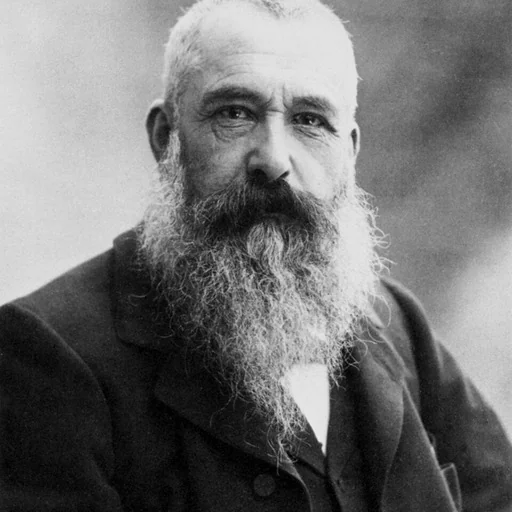
Oscar-Claude Monet was born in Paris on November 14, 1840, and raised from the age of five in Le Havre, where he began selling charcoal caricatures as a teenager.