Artwork
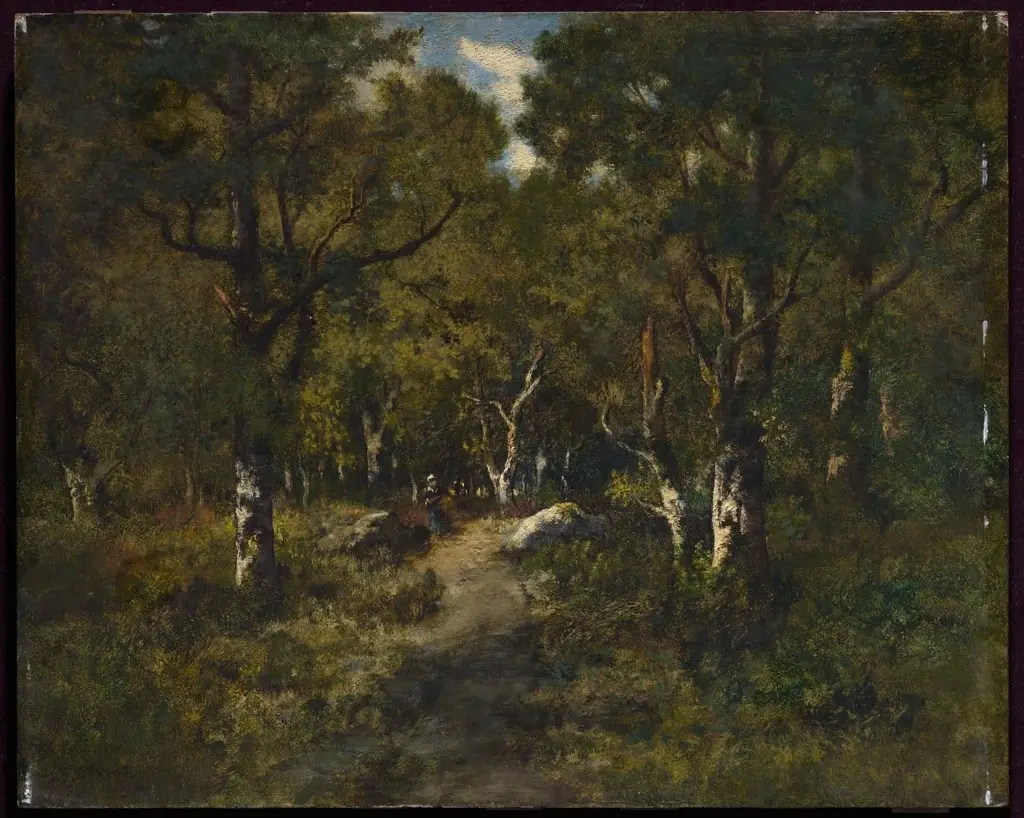
Woodgatherers at the Edge of the Forest
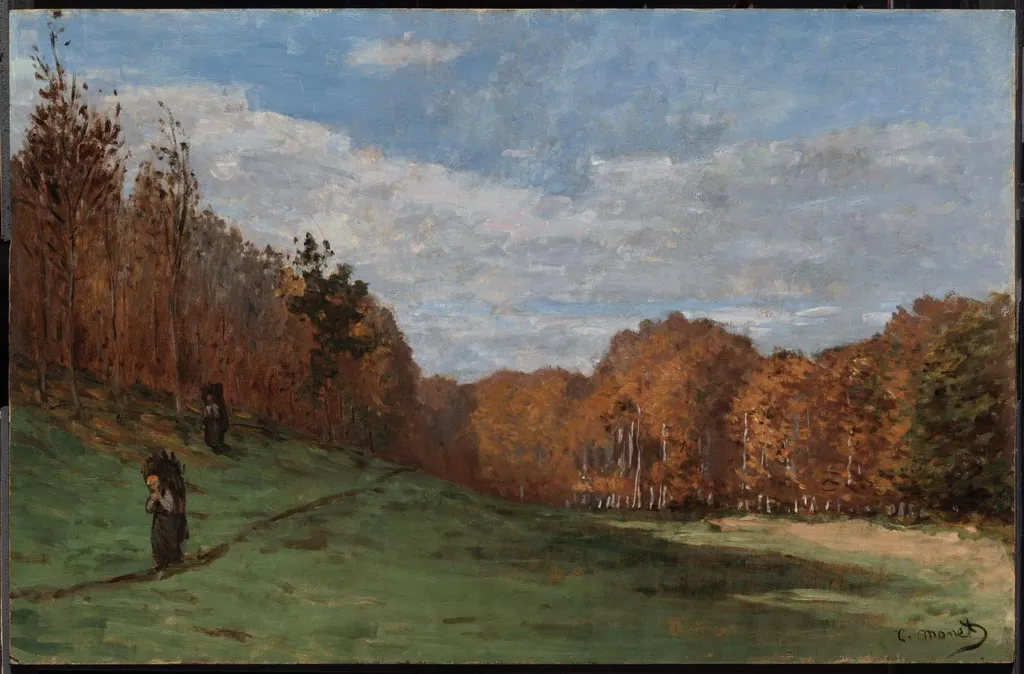
Woodgatherers at the Edge of the Forest is an oil painting by the Realist artist Claude Monet. It dates from 1863 and is held in the collection of the Museum of Fine Arts Boston.
About this work
Overview
The work is part of the Museum of Fine Arts, Boston’s collection, where it remains a quiet example of Monet’s evolving approach to landscape and everyday labor.
Painted in 1863, this oil on canvas by Claude Monet captures a quiet rural moment at the forest’s edge. It belongs to his early period, before his full embrace of Impressionism, yet already shows a sensitivity to natural light and informal composition. The work is part of the Museum of Fine Arts, Boston’s collection, where it remains a quiet example of Monet’s evolving approach to landscape and everyday labor.
Subject & Meaning
Two women, dressed in simple, dark garments, collect firewood in a wooded clearing. Their postures suggest routine labor, not theatrical drama. Their faces are softened by distance and brushwork, emphasizing action over identity. The scene reflects rural life in mid-19th century France, where gathering wood was a necessary, often daily task. Monet presents it without sentimentality, focusing instead on the rhythm of work within nature.
Technique & Style
Monet uses loose, visible brushstrokes to suggest foliage, sky, and movement rather than define them precisely. The palette favors muted earth tones—ochres, browns, and greens—contrasted with pale sky blues and cloud whites. Light filters unevenly through the trees, creating patches of warmth and shadow. The lack of sharp detail in the figures reinforces the painting’s atmospheric intent, prioritizing mood over narrative clarity.
History & Provenance
Created during Monet’s formative years, the painting was likely made in the countryside near Paris, possibly in the Forest of Fontainebleau region. It remained in private hands until acquired by the Museum of Fine Arts, Boston in the early 20th century. Its early date places it among Monet’s lesser-known works from before his breakthrough exhibitions, offering insight into his development as a landscape painter.
Context
In 1863, Monet was experimenting with plein air painting alongside other young artists who would later form the Impressionist group. While academic art favored idealized scenes, Monet turned to ordinary rural life and transient light. This painting aligns with a broader shift toward depicting labor and nature without romanticization, reflecting both artistic innovation and social observation in post-revolutionary France.
Legacy
Though not among Monet’s most celebrated works, this painting illustrates his early commitment to capturing fleeting natural effects and everyday subjects. It anticipates the tonal and compositional strategies he would refine in later decades. As a bridge between academic tradition and emerging modernism, it contributes to understanding the gradual evolution of Impressionist aesthetics.
Artist & collection
Artist
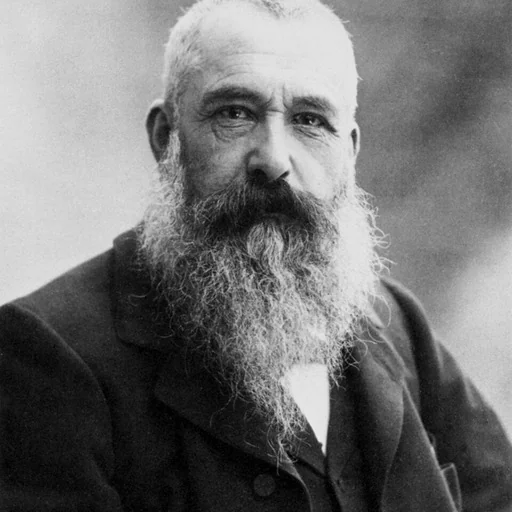
Oscar-Claude Monet was born in Paris on November 14, 1840, and raised from the age of five in Le Havre, where he began selling charcoal caricatures as a teenager.

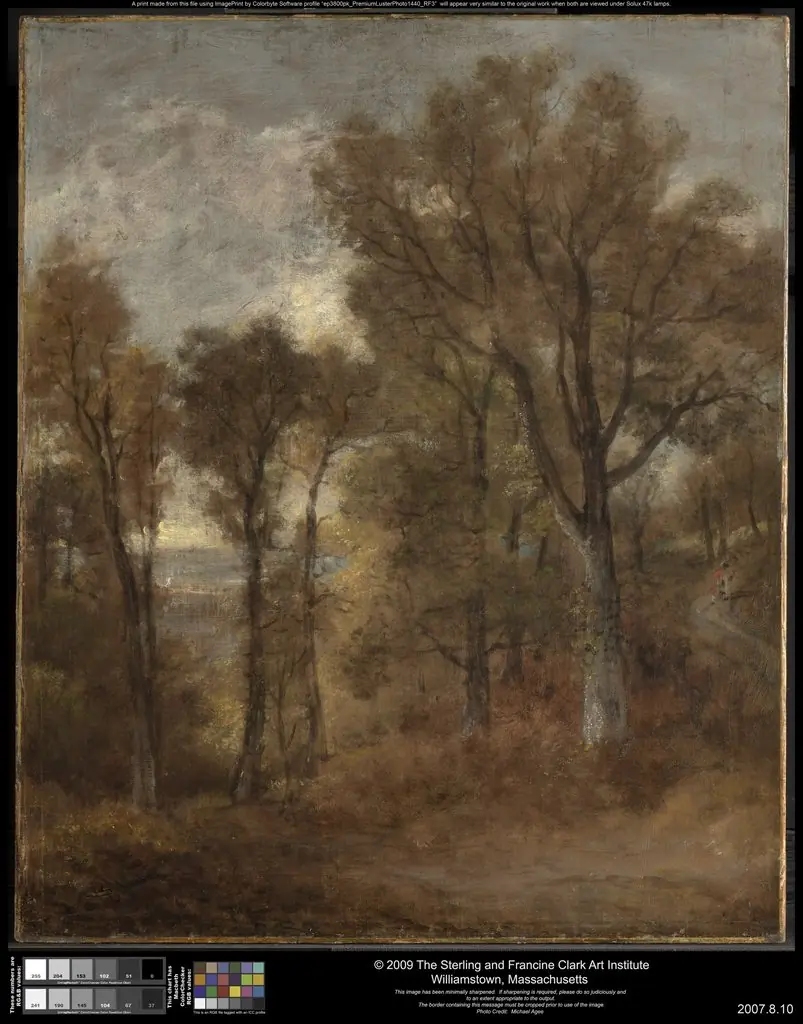 Woodland Scene Overlooking Dedham Vale
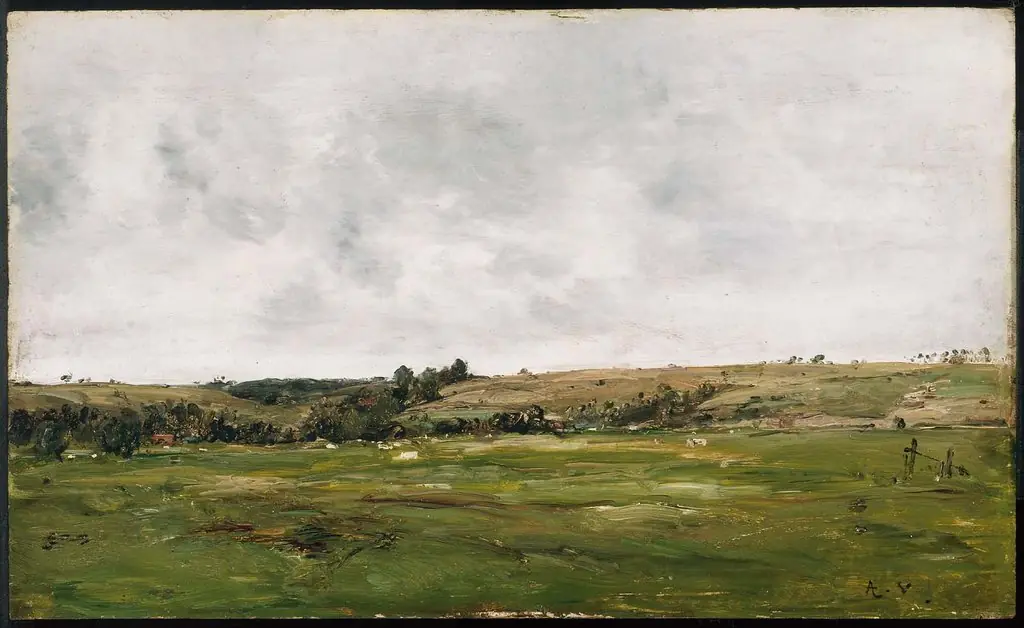 Meadows and Low Hills
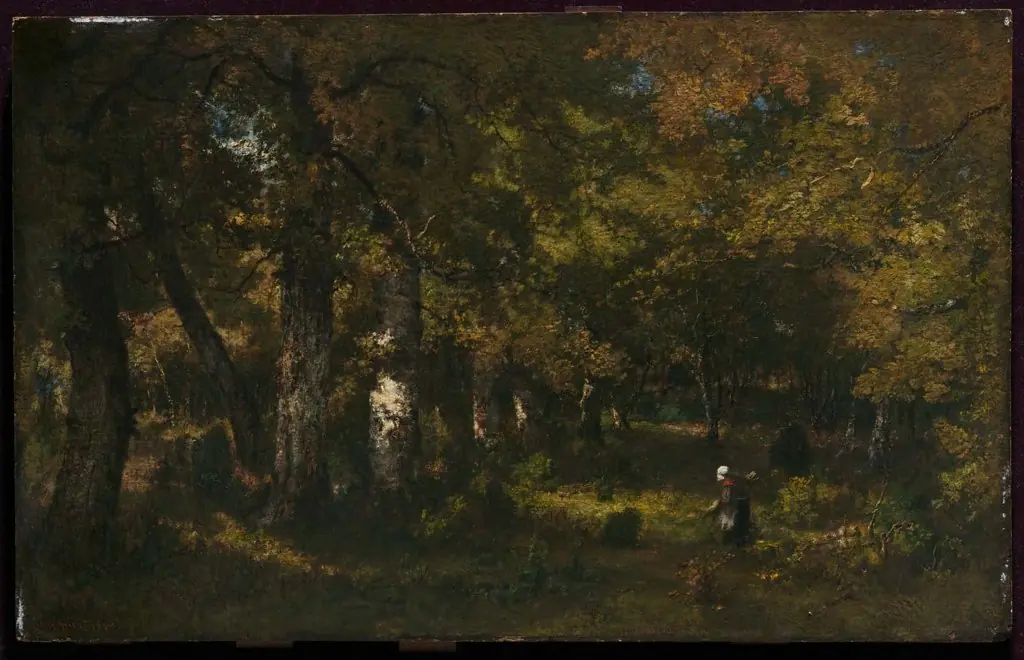 Forest Interior
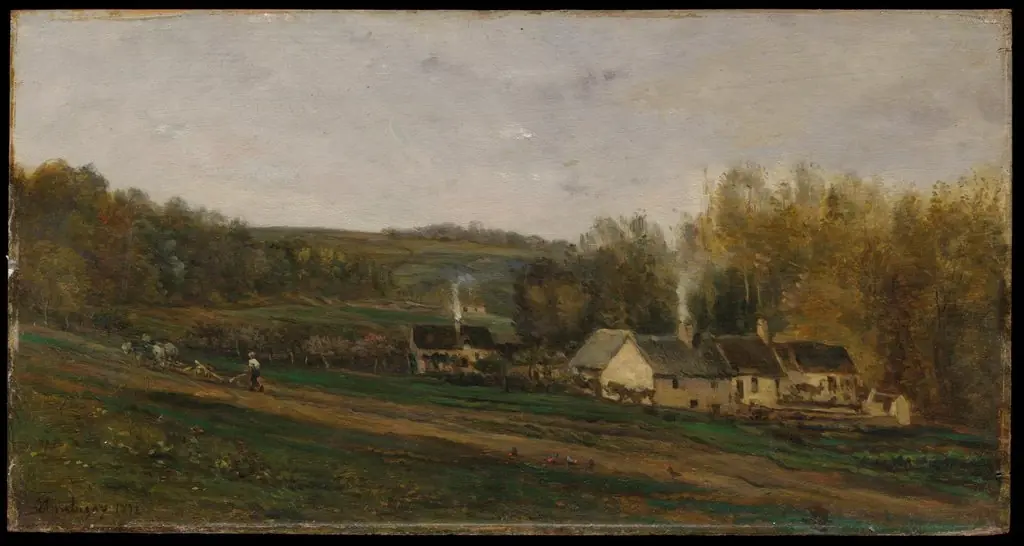 House of Mere Bazot, Valmandois
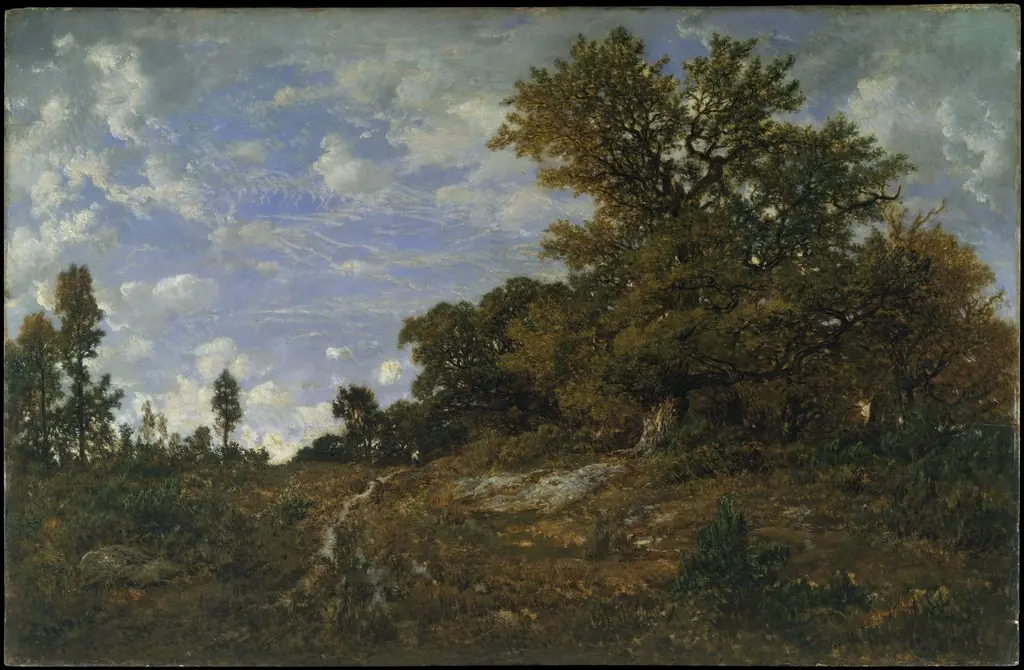 The Edge of the Woods at Monts-Girard, Fontainebleau Forest
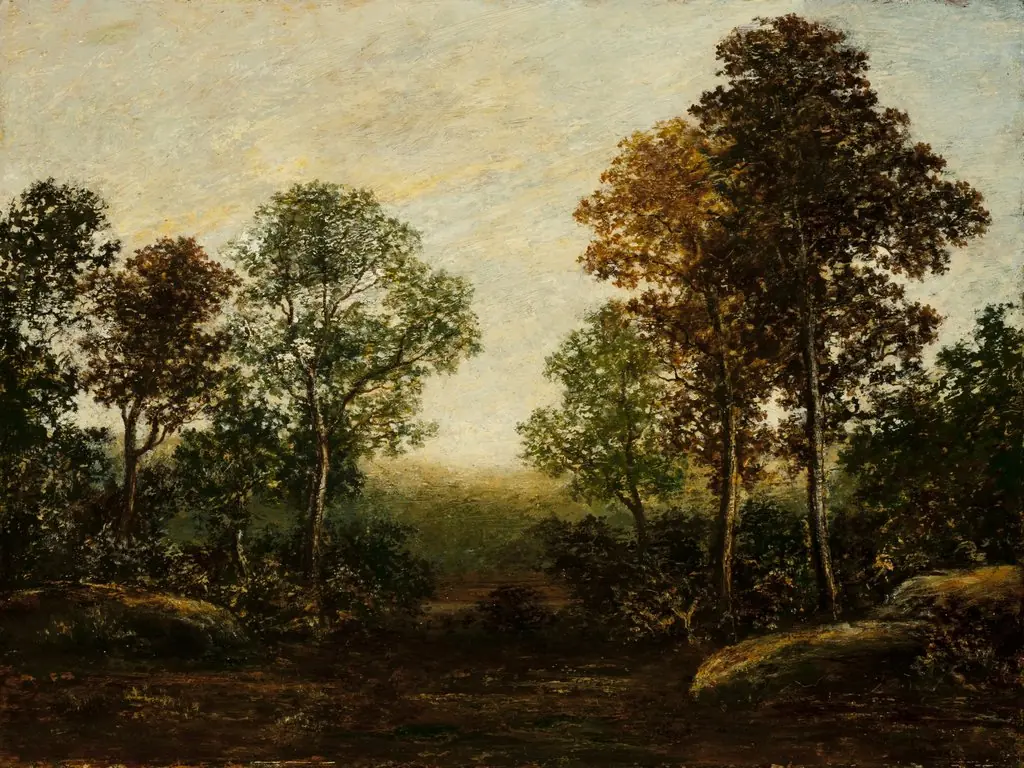 Landscape with Trees
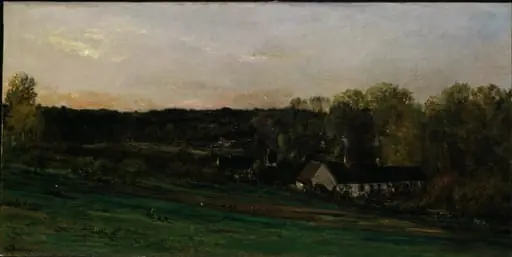 House of Mère Bazot
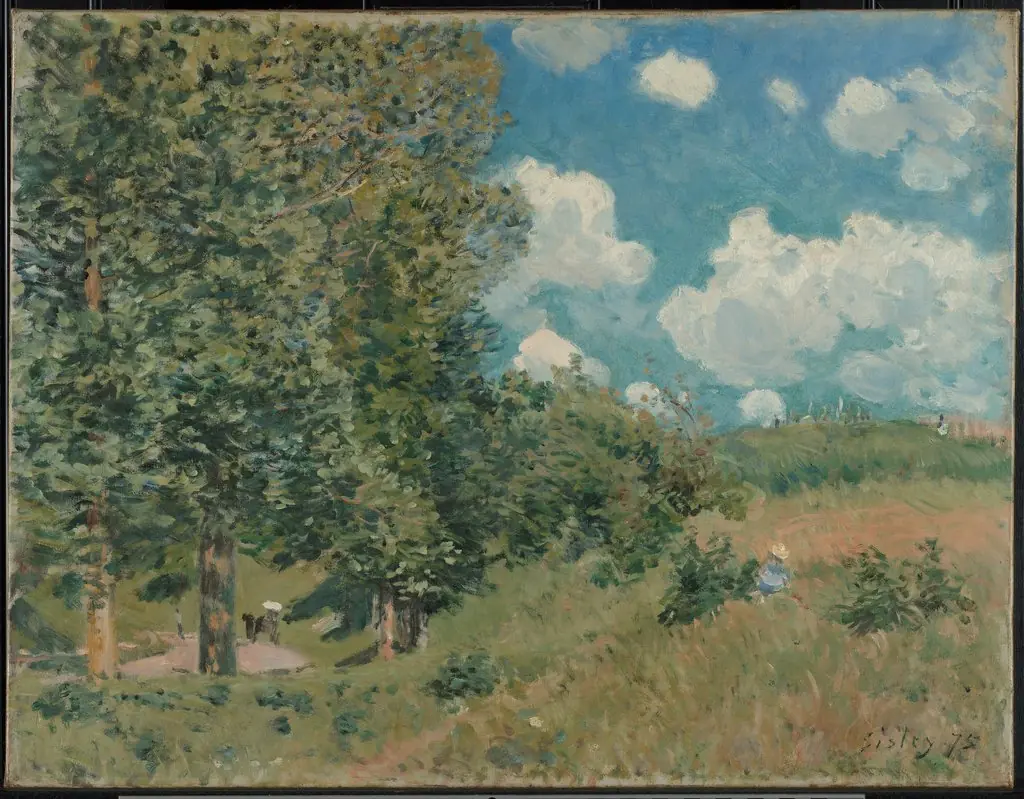 The Road from Versailles to Saint-Germain
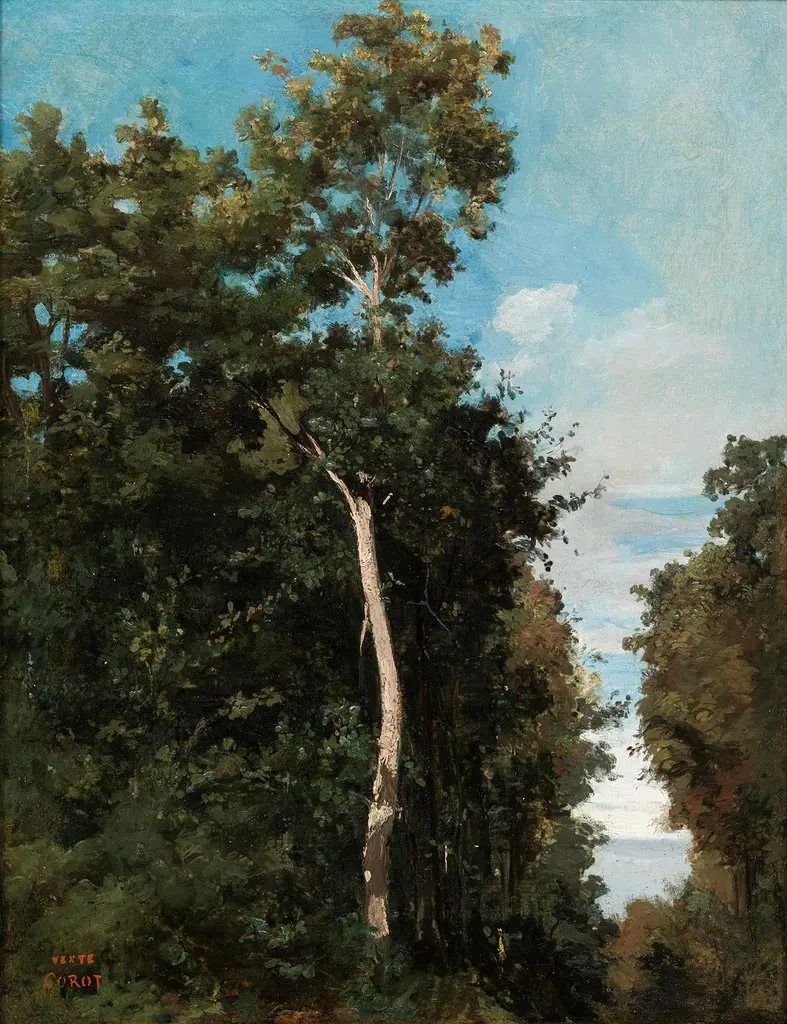 Le Bois sur la côte de Grâce à Honfleur
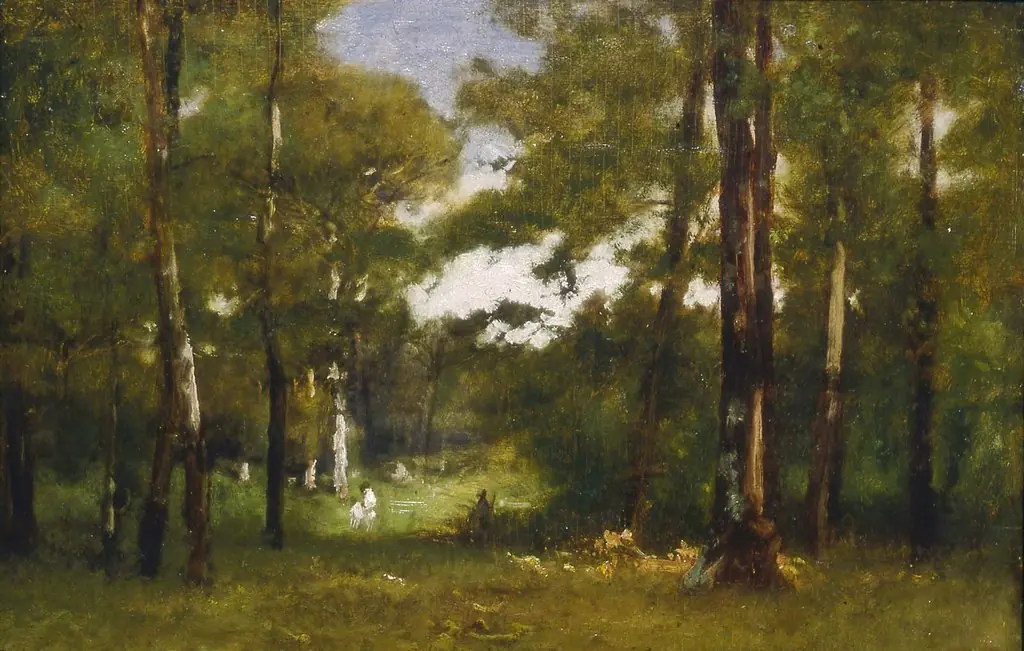 Eagleswood, New Jersey
 Path through the Forest near Fontainebleau
 In the Forest