Artwork
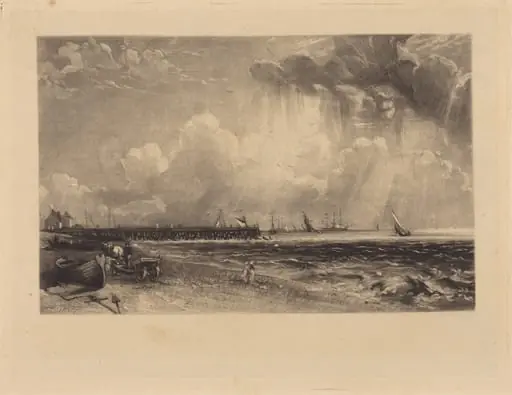
A SEABEACH
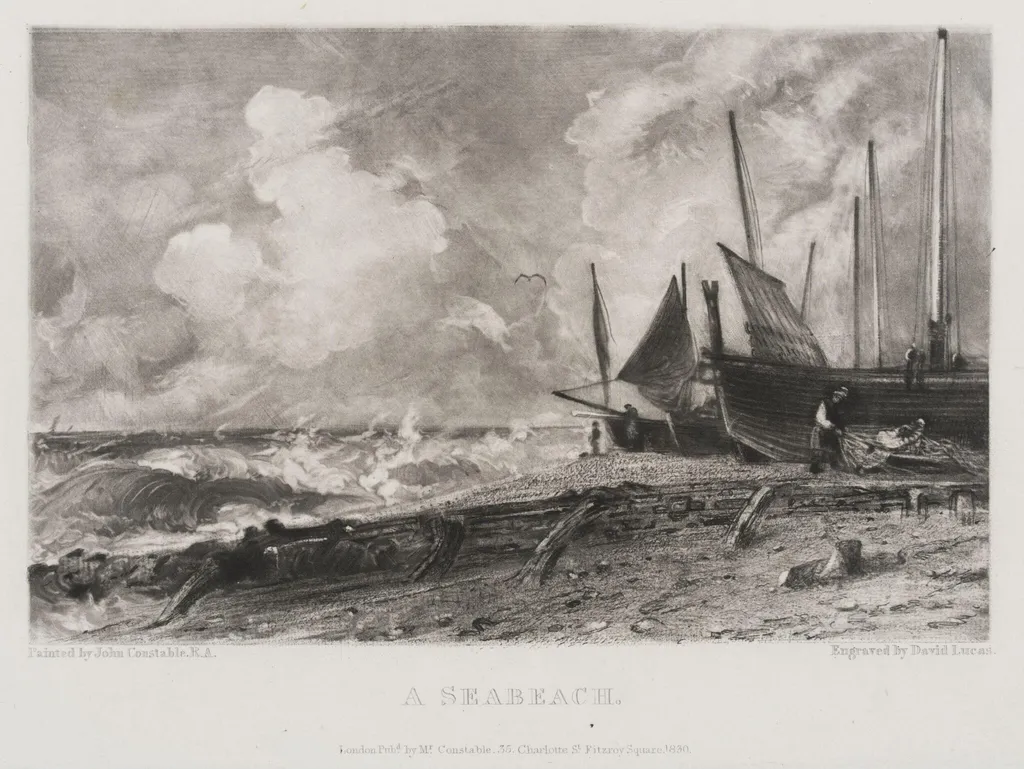
A SEABEACH is a print by the Romanticist artist John Constable. It dates from 1830 and is held in the collection of the Victoria and Albert Museum.
About this work
This print is titled A SEABEACH.
It was created by John Constable in 1830.
The print is part of a series of mezzotints based on Constable's oil sketches and paintings, which is interesting because it shows how he worked with other artists, like David Lucas, to produce these prints.
You can learn more about this style by looking into Romanticism.
Overview
A Seabeach is one of twenty-two mezzotints published between 1830 and 1832 as part of John Constable’s series English Landscape.
A Seabeach is one of twenty-two mezzotints published between 1830 and 1832 as part of John Constable’s series English Landscape. Created in collaboration with engraver David Lucas, the prints were drawn from Constable’s own oil sketches and paintings, reflecting his lifelong dedication to capturing the English countryside. Though mezzotint was traditionally used for portraiture, Constable adapted it to convey the subtle tonal shifts of natural light, making this series a unique experiment in printmaking.
Subject & Meaning
A Seabeach depicts a coastal scene, likely inspired by Constable’s visits to the Suffolk and Essex shores. Rather than idealizing the landscape, he focused on ordinary, working coastal environments—fishermen, boats, and shifting skies. The image carries personal resonance, echoing his childhood memories and his belief that nature’s emotional power lay in its unembellished reality. Through this work, he aimed to elevate landscape as a subject worthy of serious artistic attention.
Technique & Style
Constable and Lucas employed mezzotint, a labor-intensive process using a rocker to texture copper plates, to achieve rich gradations of tone. Unlike traditional mezzotints that emphasized dramatic contrasts, this series used soft transitions to mimic the atmospheric effects Constable painted in oils. The result is a print that feels painterly, with hazy horizons and nuanced light—qualities that aligned with his Romantic sensibility and rejection of rigid academic conventions.
History & Provenance
The English Landscape series was published in six installments between 1830 and 1832, with Constable overseeing every stage. After his death in 1837, Lucas continued to reprint and expand the set using original plates. Some plates were completed posthumously, and new images were added based on Constable’s earlier studies. The series remained in circulation through the 19th century, though few complete original editions survive, making individual prints like A Seabeach historically significant.
Context
In the 1830s, landscape painting was still undervalued in Britain compared to historical or portrait subjects. Constable, then in his fifties and largely unappreciated by the Royal Academy, turned to printmaking as a means to reach a wider audience and assert the legitimacy of his vision. Drawing on the tonal harmony of Claude Lorrain and the emotional intensity of Turner, he sought to position English scenery as a subject of universal artistic value.
Legacy
English Landscape marked a turning point in British printmaking, demonstrating that mezzotint could convey the subtleties of natural light and mood. Though commercially unsuccessful in its time, the series influenced later generations of printmakers and landscape artists. Constable’s collaboration with Lucas set a precedent for artist-engraver partnerships, and the prints remain key documents in understanding his artistic philosophy and the evolving status of landscape in 19th-century art.
Artist & collection
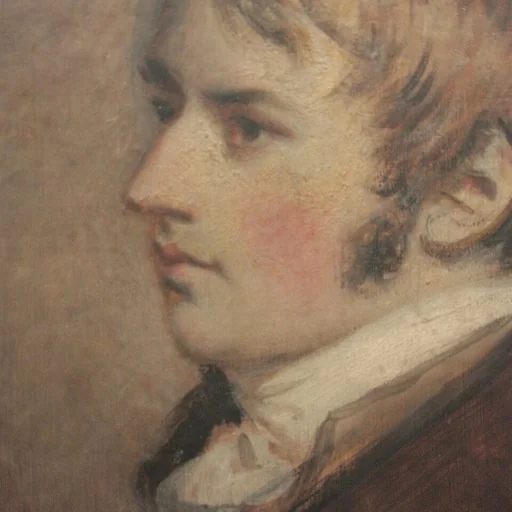
Artist
John Constable (; 11 June 1776 – 31 March 1837) was an English landscape painter in the Romantic tradition.