Artwork
Stone Henge
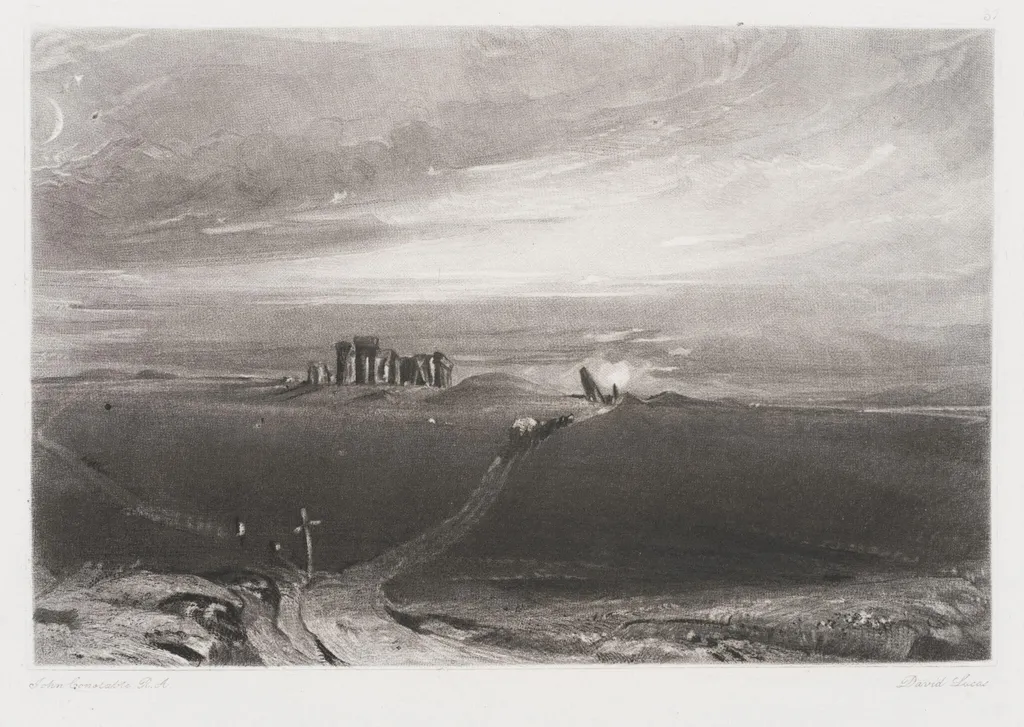
Stone Henge is a print by the Impressionist artist John Constable. It is held in the collection of the Victoria and Albert Museum.
About this work
It’s an example of his later work in landscape art, blending Impressionism and Realism.
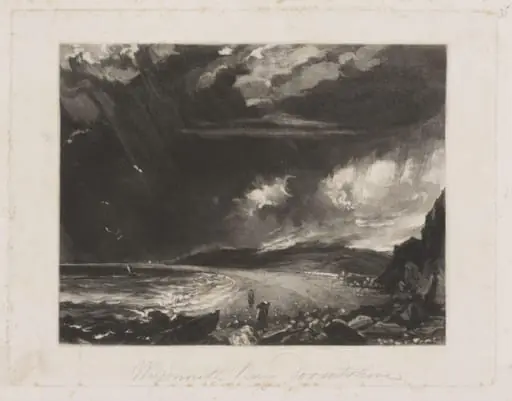
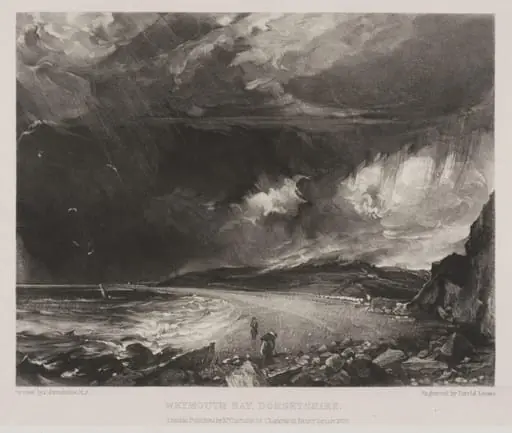
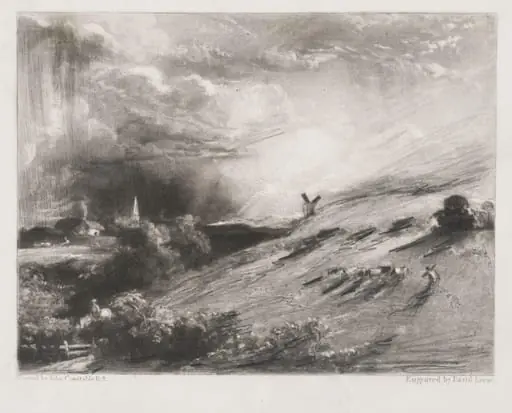
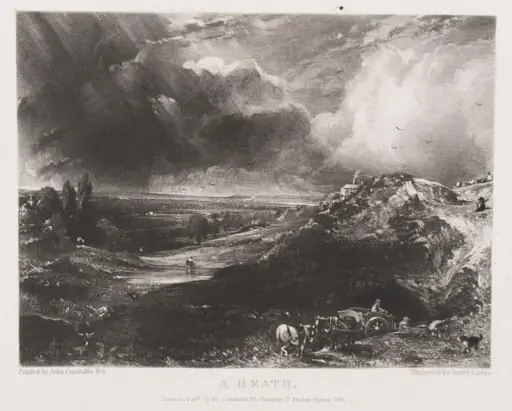
This print, titled *Stone Henge*, was made by John Constable in 1855. It’s an example of his later work in landscape art, blending Impressionism and Realism. The piece is part of a famous mezzotint series called *English Landscape*.
Constable supervised the whole project. He picked scenes from his own earlier paintings to turn into prints.
If you like this, check out more from the Victoria and Albert Museum.
Overview
This mezzotint, titled Stone Henge, is one of twenty-two plates in John Constable’s series English Landscape, published between 1830 and 1832 under his direct supervision. Though dated 1855 in some records, the print derives from plates engraved by David Lucas during Constable’s lifetime, with later reissues occurring after his death. The series represents Constable’s final major effort to define his artistic legacy through reproductive printmaking.
Subject & Meaning
Stone Henge depicts the ancient monument set within a broad, atmospheric English landscape. Constable selected this subject not merely for its antiquity but as a symbol of enduring natural order. He framed it with careful attention to light and weather, aligning the site with his broader belief that landscape embodied spiritual and emotional truths, shaped by the play of shadow and illumination over time.
Technique & Style
Executed in mezzotint by David Lucas, the print captures the tonal richness and subtle gradations characteristic of the medium. Constable worked closely with Lucas to translate the texture and mood of his oil sketches into ink, emphasizing atmospheric depth over linear precision. The result is a quiet, luminous rendering that prioritizes emotional resonance over topographical accuracy, reflecting Constable’s evolving approach to landscape.
History & Provenance
The English Landscape series was published in six installments between 1830 and 1832, with a revised edition issued in 1833. After Constable’s death in 1837, Lucas continued to print from the original plates and added new ones. Stone Henge was among the subjects chosen during Constable’s lifetime; later reprints, including those dated 1855, were produced posthumously using the same copper plates, preserving the artist’s intended composition.
Context
Constable drew inspiration from the tonal landscapes of Claude Lorrain and the dramatic skies of J.M.W. Turner, yet sought to ground his vision in the specific character of English countryside. At a time when landscape painting was often dismissed as secondary to history or portraiture, he used the series to assert its intellectual and emotional weight, positioning nature as a subject worthy of serious artistic inquiry.
Legacy
English Landscape became a foundational reference for later generations of printmakers and landscape artists. Though commercially modest in its time, the series established a precedent for artists to control the reproduction of their work. Constable’s collaboration with Lucas demonstrated how printmaking could serve as a vehicle for personal expression, not merely replication, influencing how artists engaged with the medium in the decades that followed.
Artist & collection
Artist
John Constable (; 11 June 1776 – 31 March 1837) was an English landscape painter in the Romantic tradition.