Artwork
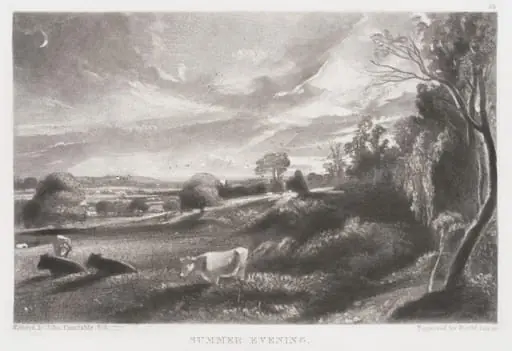
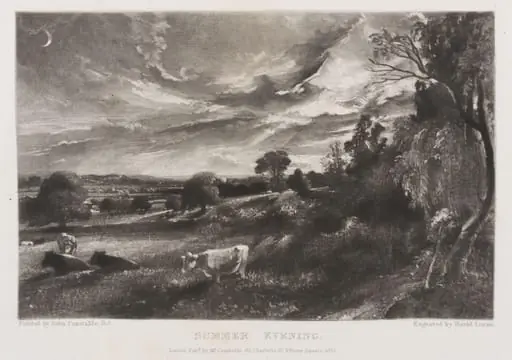
SUMMER EVENING
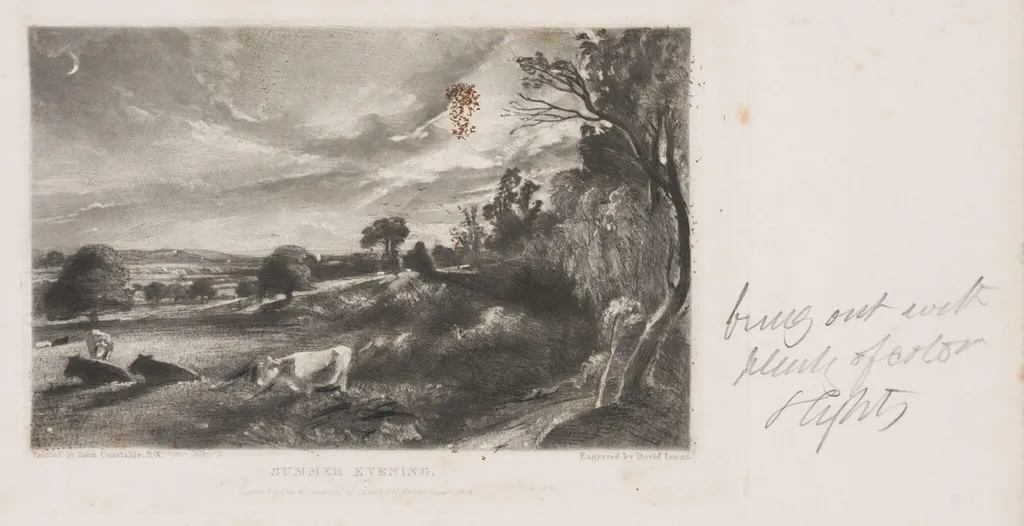
SUMMER EVENING is a print by John Constable. It is held in the collection of the Victoria and Albert Museum.
About this work
This print is titled SUMMER EVENING by John Constable.
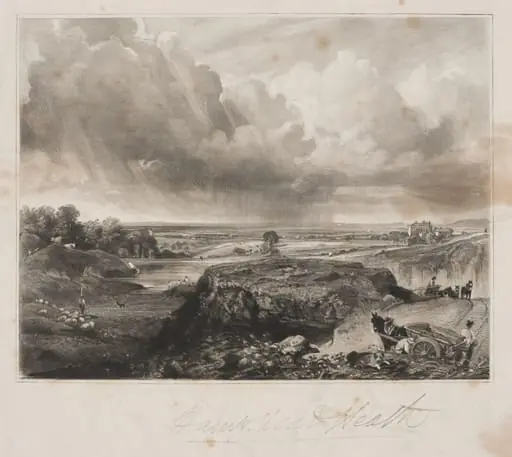
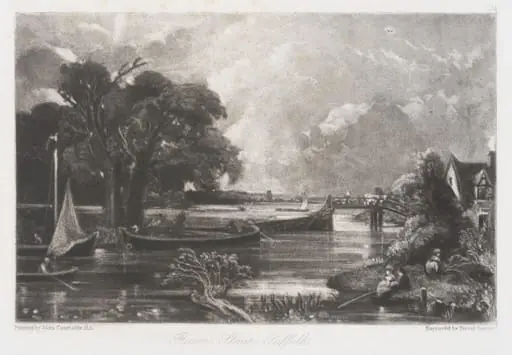
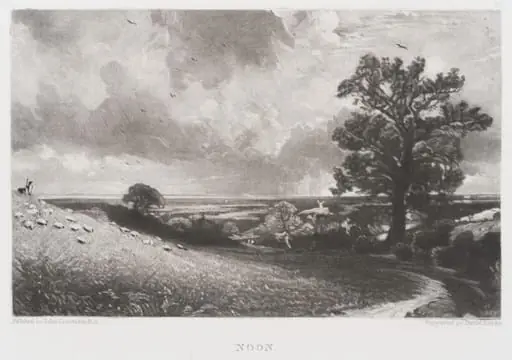
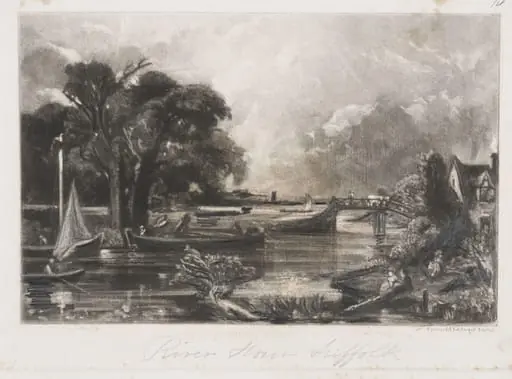
It's part of a series of mezzotints based on his oil sketches and paintings.
The series, published between 1830 and 1832, shows English landscapes, and Constable worked with David Lucas to create the mezzotints.
You can learn more about this print and others like it at the Victoria and Albert Museum.
Overview
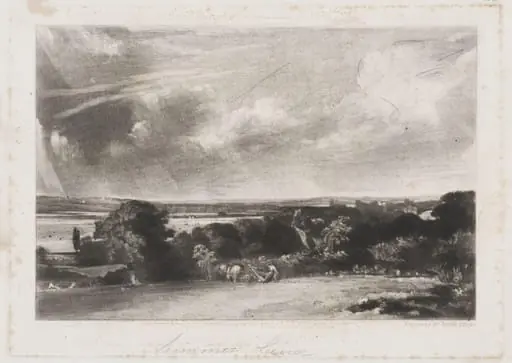
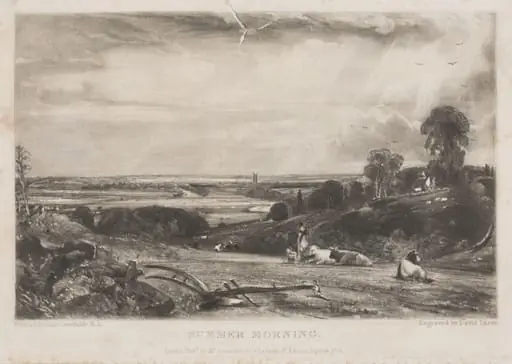
The series compiled scenes drawn from Constable’s oil sketches and finished works, aiming to preserve the tonal richness of his landscape studies in print form.
Summer Evening is one of twenty-two mezzotints in the series English Landscape, published between 1830 and 1832. Created under John Constable’s direct supervision, the prints were produced by David Lucas, a skilled engraver working in mezzotint. The series compiled scenes drawn from Constable’s oil sketches and finished works, aiming to preserve the tonal richness of his landscape studies in print form. It represents his final major artistic endeavor, undertaken as his reputation remained contested in his later years.
Subject & Meaning
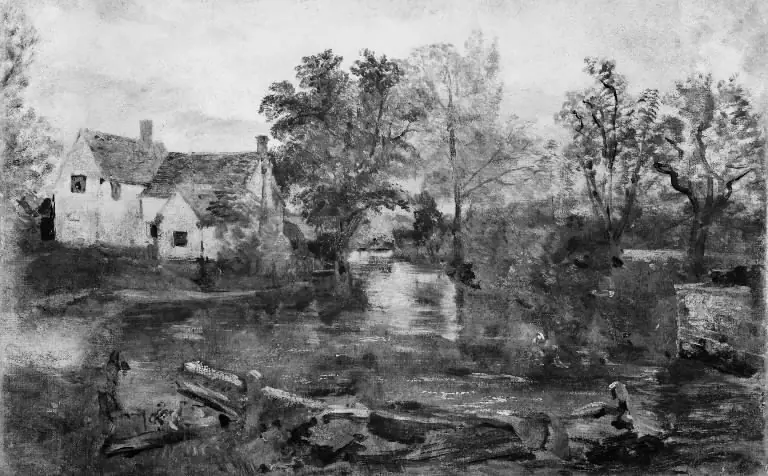
Summer Evening depicts a quiet rural scene at twilight, capturing the subtle interplay of light and dark across fields, trees, and sky. Constable selected such moments not for grandeur but for their emotional resonance and natural harmony. The image reflects his belief that landscape painting should convey the quiet rhythms of nature, particularly the way light shapes atmosphere. These scenes were chosen to affirm the dignity of English countryside, countering prevailing tastes for romanticized or exotic views.
Technique & Style
Mezzotint, a labor-intensive intaglio process, allowed Lucas to reproduce the soft gradations of tone that characterized Constable’s oil sketches. Rather than relying on line, the technique used textured plates to create rich blacks and delicate mid-tones, mimicking the atmospheric effects Constable prized. The result was a print that preserved the painterly quality of his originals, avoiding the hard outlines typical of other print methods. Constable closely guided Lucas to ensure fidelity to his vision.
History & Provenance
The English Landscape series was issued in six installments between 1830 and 1832, with a revised second edition published in 1833. Constable oversaw every stage, from selection to printing. After his death in 1837, Lucas continued to print from the original plates and even added new images. Many impressions were made over decades, but early states—especially those supervised by Constable—are rare. The Victoria and Albert Museum holds key examples, including this one, from the original run.
Context
In the 1830s, landscape painting was still considered secondary to history or portraiture in the British art establishment. Constable, long overlooked by the Royal Academy, used this series to assert the artistic legitimacy of everyday English scenery. He drew inspiration from Claude Lorrain’s compositional balance and Turner’s luminosity, yet his focus remained on observed reality rather than idealization. The project was both a personal testament and a quiet challenge to prevailing aesthetic hierarchies.
Legacy
Though initially met with limited commercial success, the English Landscape series later became a touchstone for artists and critics reevaluating Constable’s contribution. Its emphasis on natural light and emotional tone influenced the Barbizon School and, indirectly, Impressionism. The prints are now recognized as among the most sensitive translations of painting into print in British art history, preserving Constable’s vision in a medium uniquely suited to his atmospheric concerns.
Artist & collection
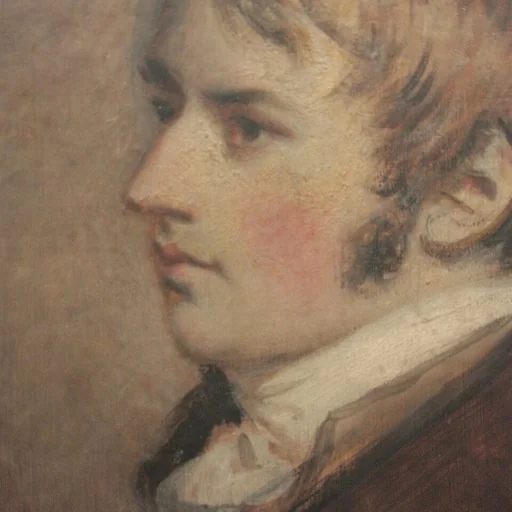
Artist
John Constable (; 11 June 1776 – 31 March 1837) was an English landscape painter in the Romantic tradition.