Artwork
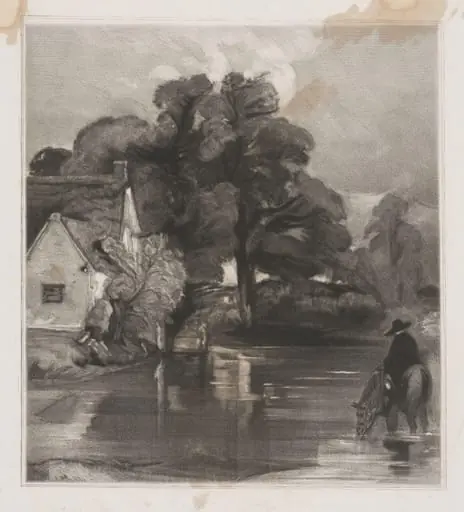
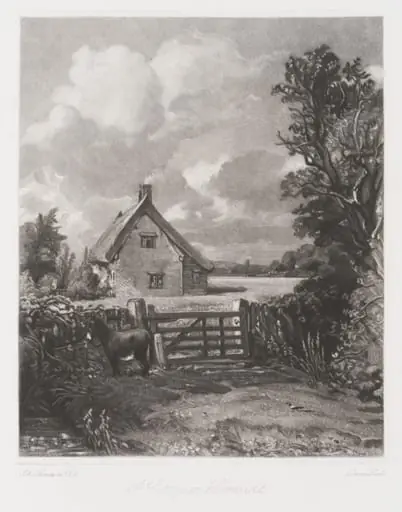
Willy Lott's House
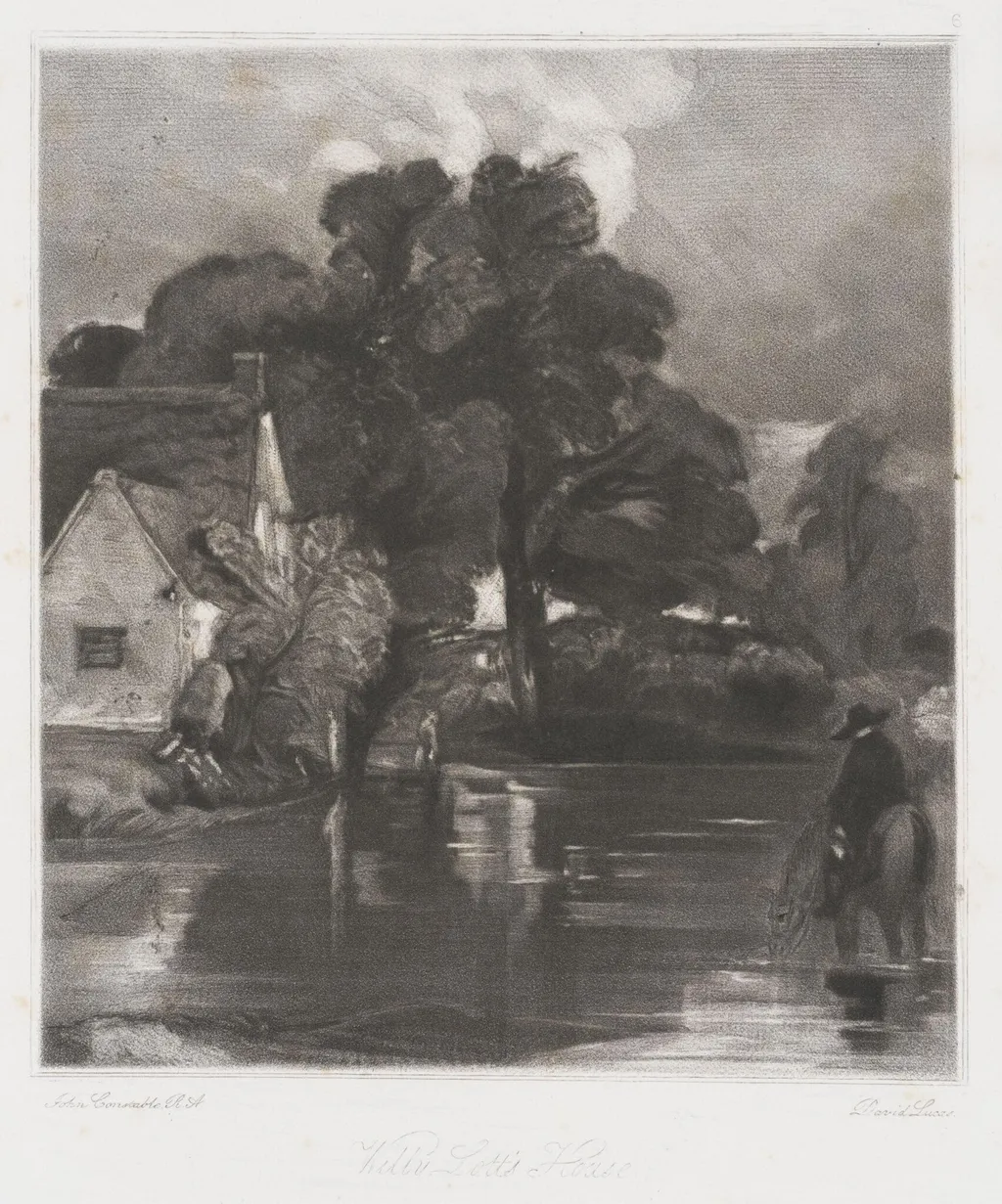
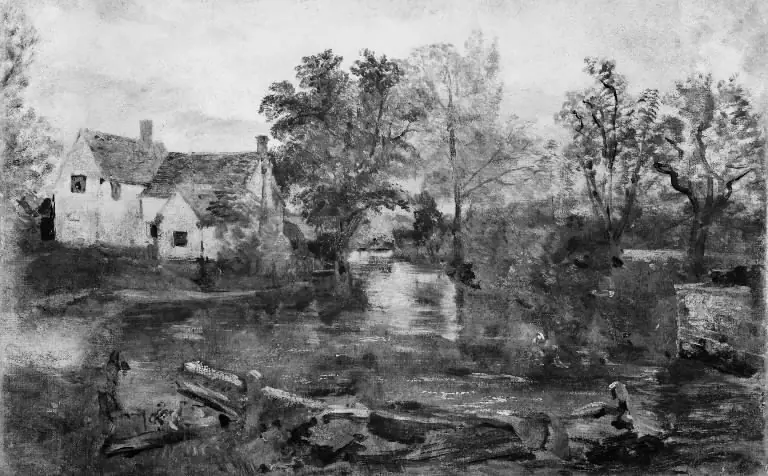
Willy Lott's House is a print by the Impressionist artist John Constable. It is held in the collection of the Victoria and Albert Museum.
About this work
John Constable made it late in his life, but the image comes from earlier work he loved.
This print shows Willy Lott’s House, a quiet cottage in the countryside. John Constable made it late in his life, but the image comes from earlier work he loved. The print uses mezzotint, a tricky technique that gives soft, deep shadows.
Constable didn’t just draw this himself. He guided another artist, David Lucas, to carve the plates. Together they published 22 such prints between 1830 and 1832.
Ever seen a mezzotint up close? Look for one at the Victoria and Albert Museum.
Overview
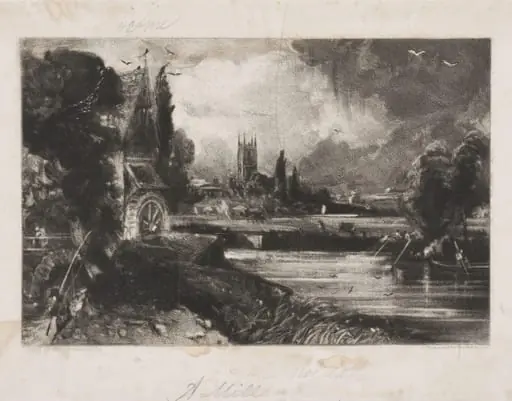
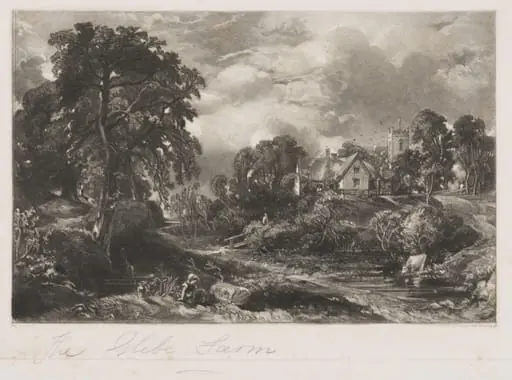
Willy Lott's House is a print from John Constable's English Landscape series, a collection of mezzotints based on his own paintings and sketches.
Subject & Meaning
The print depicts a rural cottage, Willy Lott's House, a subject drawn from Constable's earlier work. The image showcases the artist's interest in capturing the effects of light and shadow on the English landscape.
Technique & Style
The print is executed in mezzotint, a technique that allows for rich, nuanced shadows. David Lucas, a mezzotinter guided by Constable, created the plate.
History & Provenance
English Landscape was published in six parts between 1830 and 1832, with a second edition released in 1833. The series was Constable's attempt to promote his life's work and the appreciation of English scenery.
Artist & collection
Artist
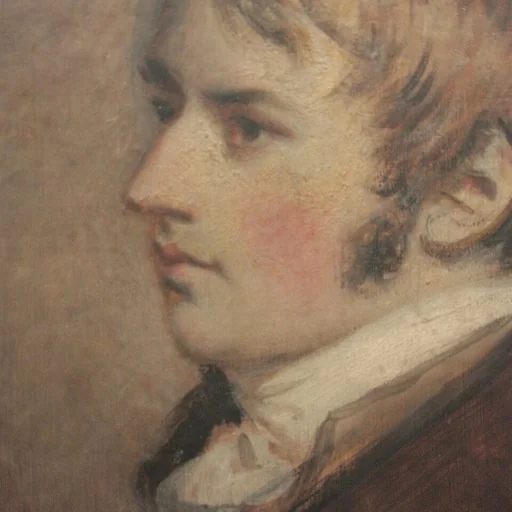
John Constable (; 11 June 1776 – 31 March 1837) was an English landscape painter in the Romantic tradition.