Artwork
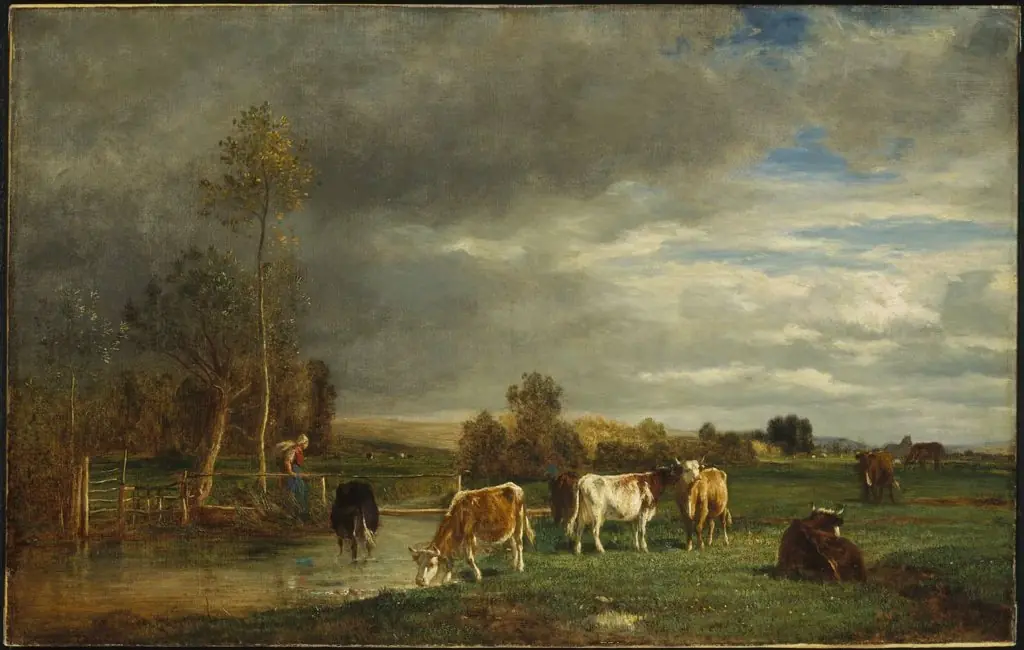
The Marsh
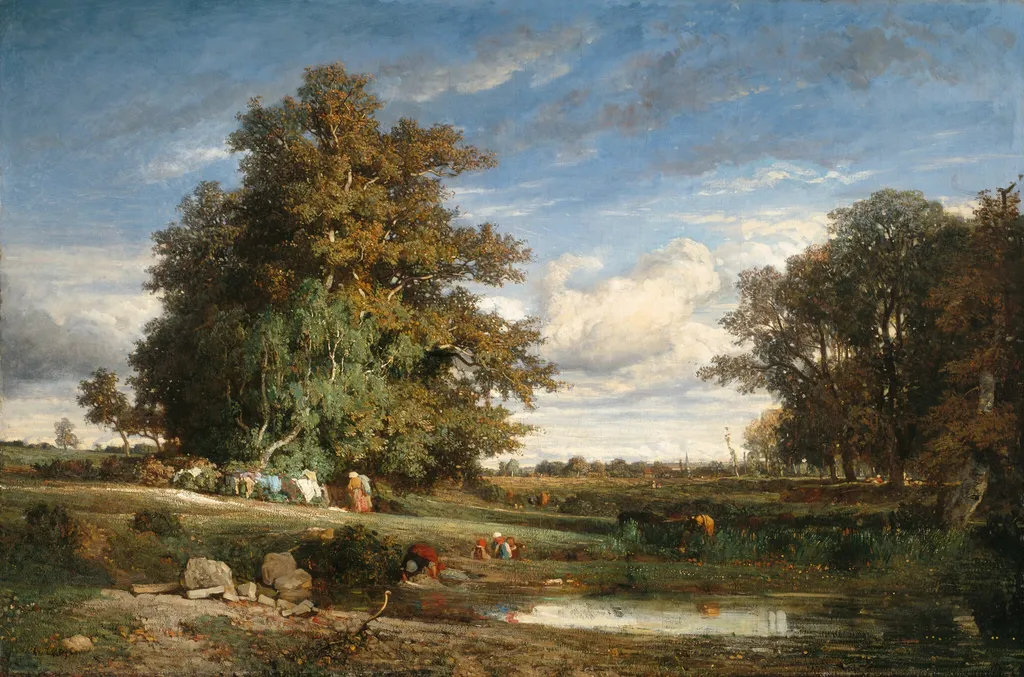
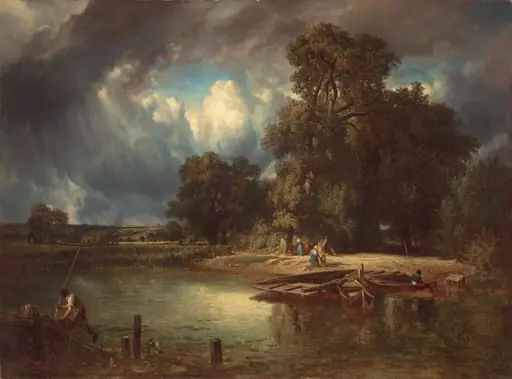
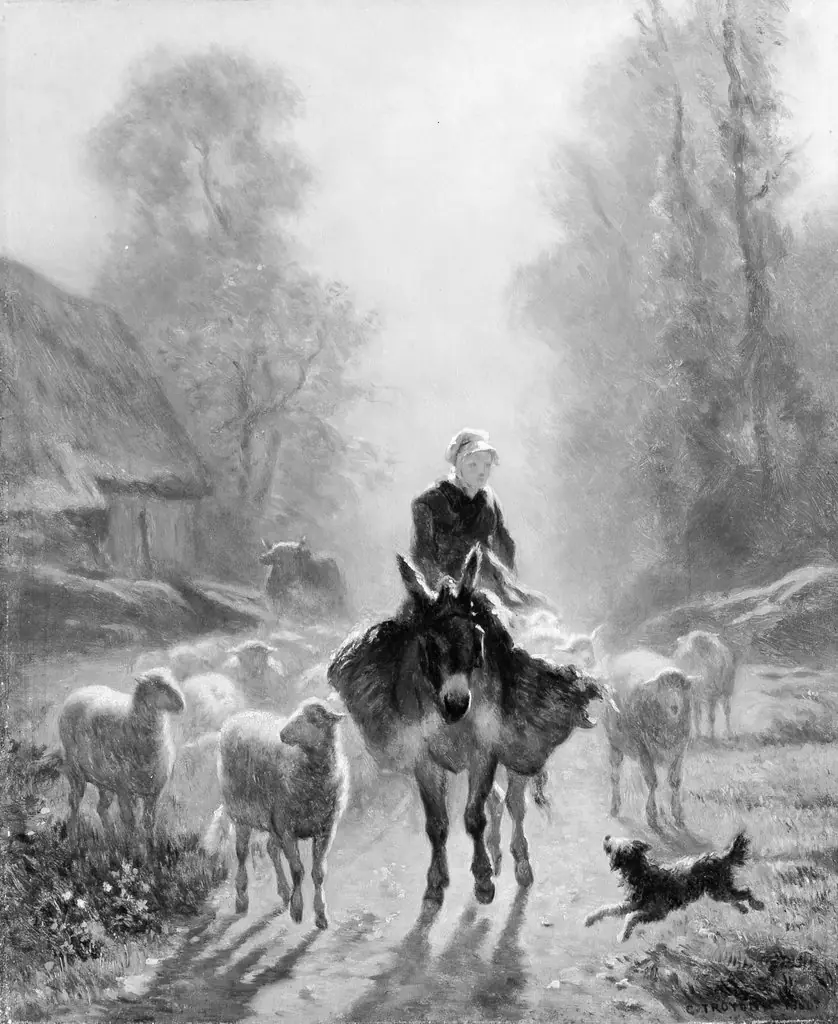
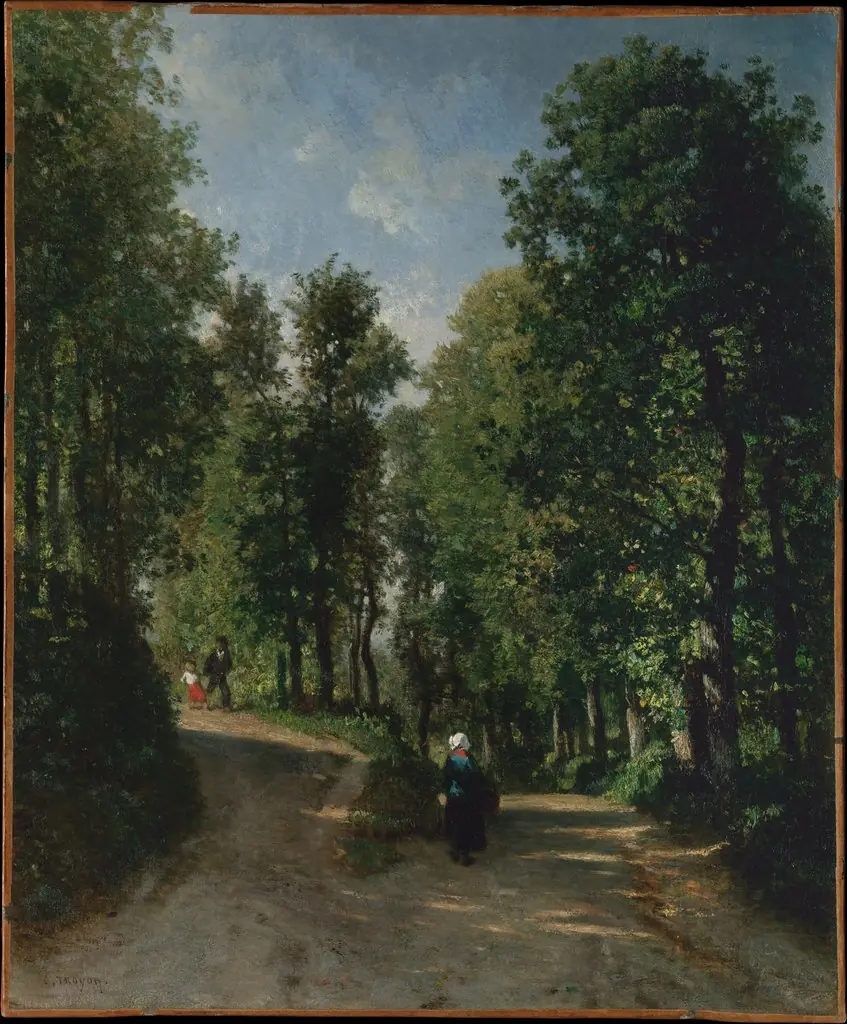
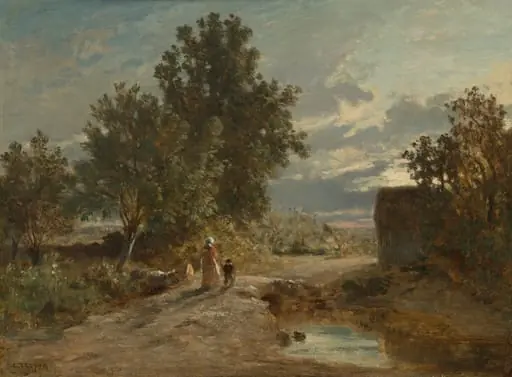
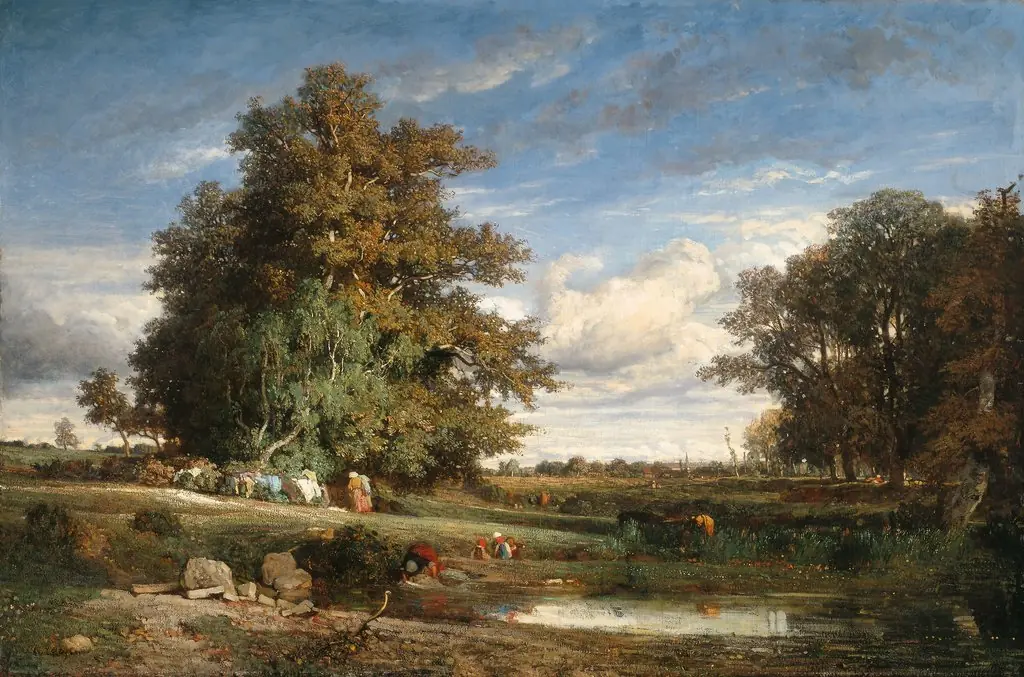
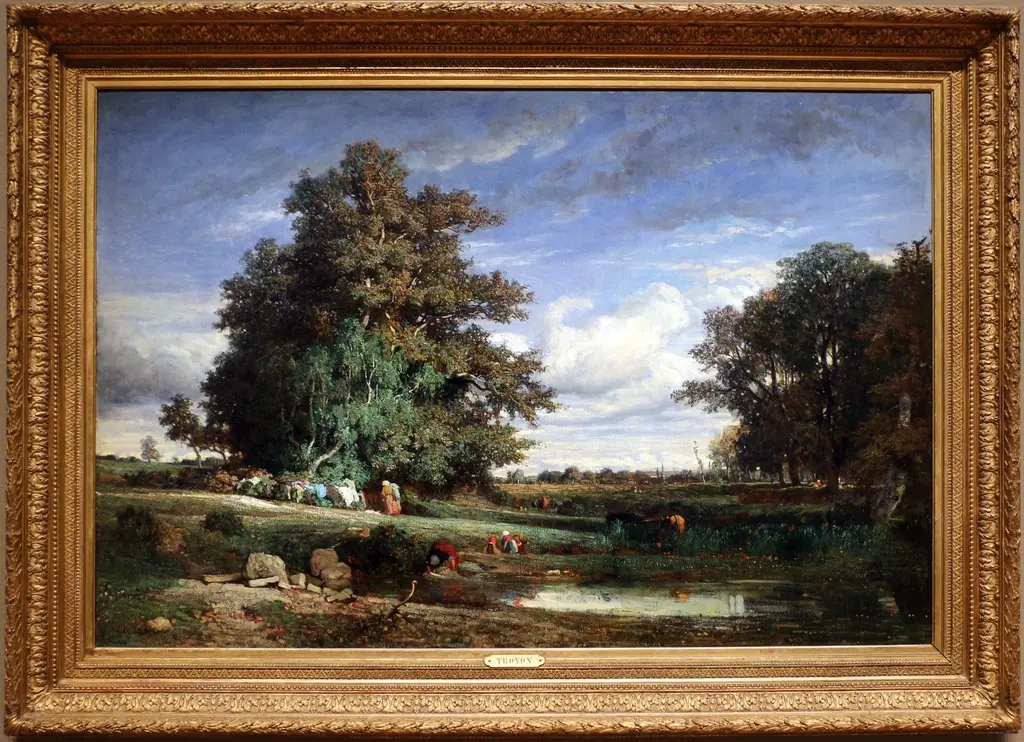
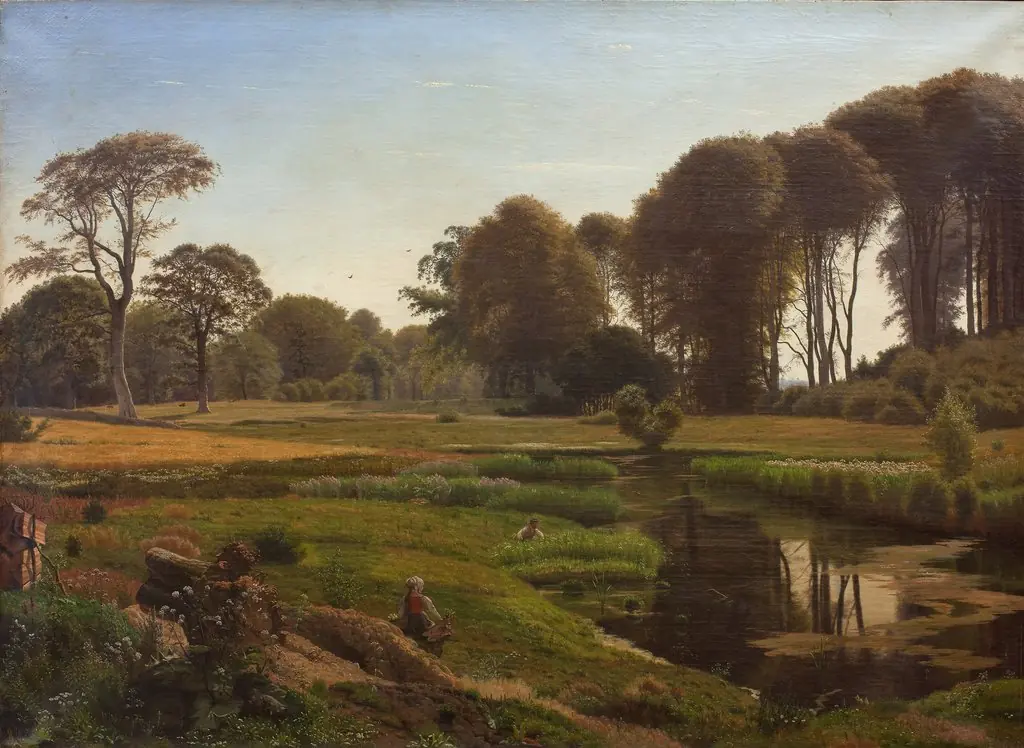
The Marsh is an oil painting by the Barbizon school artist Constant Troyon. It dates from 1840 and is held in the collection of the Art Institute of Chicago.
About this work
Overview
The composition balances human labor with natural elements, reflecting the Barbizon School’s commitment to observing ordinary life in the French countryside.
This oil painting by Constant Troyon depicts a quiet rural scene in a marshland, where washerwomen tend to their laundry amid grazing animals. The composition balances human labor with natural elements, reflecting the Barbizon School’s commitment to observing ordinary life in the French countryside. Troyon’s focus on atmospheric conditions and unidealized settings distinguishes his approach from academic traditions of the time.
Subject & Meaning
The washerwomen, engaged in routine domestic tasks, are integrated into the landscape rather than dominating it. Their presence underscores the harmony between labor and nature, a central theme for the Barbizon artists. The inclusion of livestock and the wet, open terrain suggests a rhythm of life dictated by seasonal cycles and environmental conditions, not urban or industrial forces.
Technique & Style
Troyon employed layered glazes and loose brushwork to render shifting light and moisture in the air. His skies, rendered with subtle tonal gradations, convey a sense of humidity and diffuse daylight. This painterly approach, prioritizing mood over detail, allowed him to evoke the transient qualities of the natural world—techniques that would later influence the observational methods of the Impressionists.
History & Provenance
Painted during Troyon’s active years in the mid-19th century, this work emerged from his frequent stays near Fontainebleau, where he and other Barbizon artists painted en plein air. While specific ownership records are not widely documented, the painting aligns with the group’s broader effort to establish rural realism as a legitimate subject for serious art, distinct from historical or mythological themes.
Context
The Barbizon School rejected the idealized landscapes of academic painting, instead turning to the forests and wetlands surrounding Paris for inspiration. Troyon’s focus on animals and rural labor reflected a growing interest in the dignity of peasant life and the emotional resonance of unspoiled nature. This movement laid groundwork for later shifts toward naturalism and impressionism in French art.
Legacy
Troyon’s atmospheric handling of light and weather influenced a generation of painters, including Claude Monet, who adopted similar techniques to capture fleeting environmental effects. Though less celebrated today than his contemporaries, his contributions helped redefine the role of landscape as a vehicle for emotional and sensory truth, bridging 19th-century realism and modernist observation.
Own this work as a print
Artist & collection

Artist
Constant Troyon (French pronunciation: ; August 28, 1810 – February 21, 1865) was a French painter of the Barbizon school.