Artwork
The Sands at Ryde : Sunset
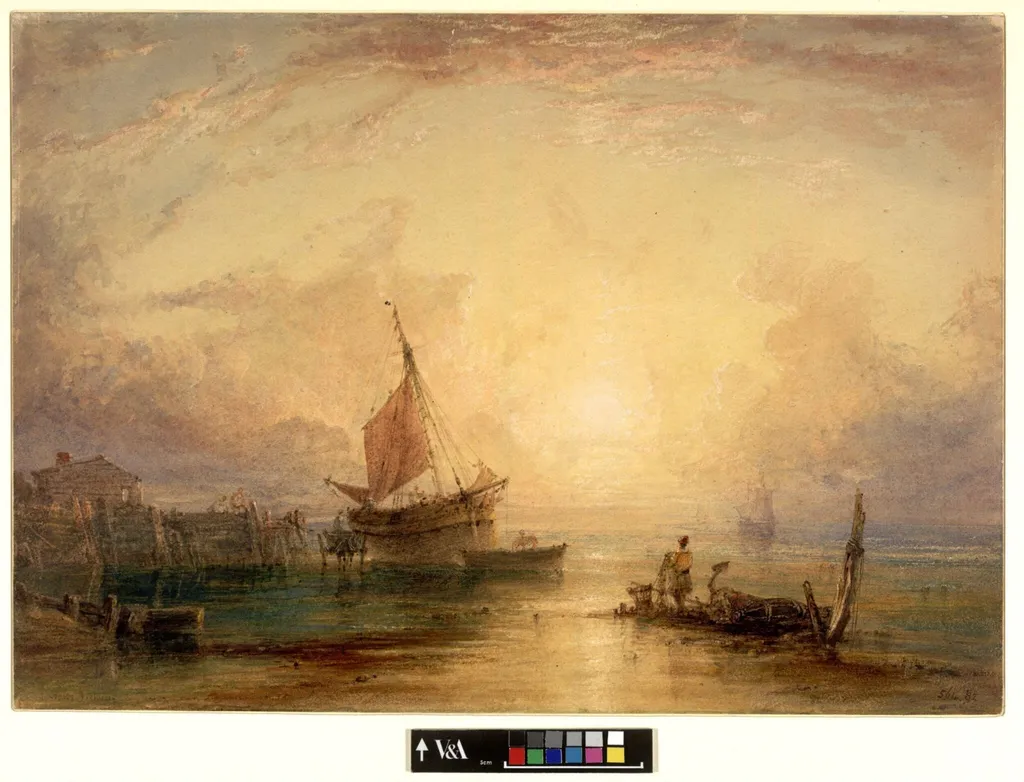
The Sands at Ryde : Sunset is a watercolor work on paper by the British Romanticist artist John Singleton Copley. It dates from 1810 and is held in the collection of the Victoria and Albert Museum. Painted in 1810 by Copley Fielding, this watercolour captures a tranquil evening at Ryde, a coastal town on the Isle of Wight.
About this work
Overview
Painted in 1810 by Copley Fielding, this watercolour captures a tranquil evening at Ryde, a coastal town on the Isle of Wight.
Painted in 1810 by Copley Fielding, this watercolour captures a tranquil evening at Ryde, a coastal town on the Isle of Wight. Signed with the artist’s full name and initials, the work exemplifies early 19th-century British watercolour practice. Its quiet composition and delicate handling reflect a growing interest in atmospheric landscape studies during the period, prioritizing mood over narrative detail.
Subject & Meaning
The scene portrays a quiet harbor at dusk, with a single red-sailed vessel near shore and a rowboat gliding just ahead. Low, simple buildings frame the left edge, grounding the view in a familiar coastal setting. The absence of human figures and the stillness of the water suggest contemplation, aligning with Romantic-era sensibilities that valued solitude and the subtle emotional resonance of nature at day’s end.
Technique & Style
Fielding employed loose, transparent washes to render the fading light, allowing the paper’s whiteness to suggest highlights. The sky blends pale pinks and blues with minimal brushwork, while the water reflects these tones with soft, horizontal strokes. The technique avoids sharp definition, favoring a hazy, evanescent quality that mirrors the transient nature of twilight—a hallmark of watercolour aesthetics in this era.
History & Provenance
Created in 1810, the work bears Fielding’s signature and initials, consistent with his practice of marking watercolours for private collectors. Though specific ownership records are sparse, the painting aligns with the growing market for amateur and professional watercolours in early Victorian Britain, where coastal views were popular subjects among collectors seeking serene, intimate landscapes.
Context
Fielding worked during a time when watercolour was gaining legitimacy as a fine art medium, distinct from mere sketching. Artists like him responded to Romantic ideals by emphasizing mood, light, and natural beauty over grand historical themes. Coastal scenes such as this one appealed to urban audiences seeking emotional respite through depictions of quiet, unspoiled nature.
Legacy
Though not widely exhibited in major institutions, Fielding’s watercolours contributed to the development of British landscape watercolour as a respected genre. His restrained approach to light and atmosphere influenced later artists who sought to capture fleeting moments in nature without overt drama, helping to shape the aesthetic foundations of 19th-century British watercolour traditions.
Own this work as a print
Artist & collection

Artist
John Singleton Copley (July 3, 1738 – September 9, 1815) was an American-born British painter active in both the Thirteen Colonies and England.


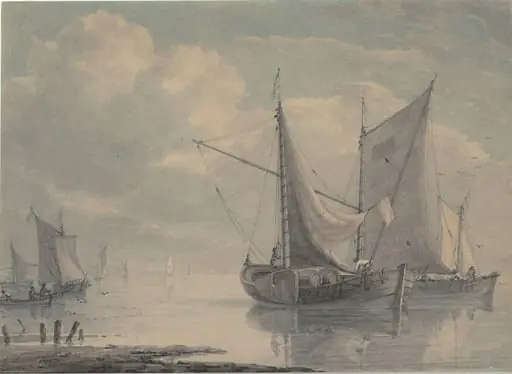 Shipping
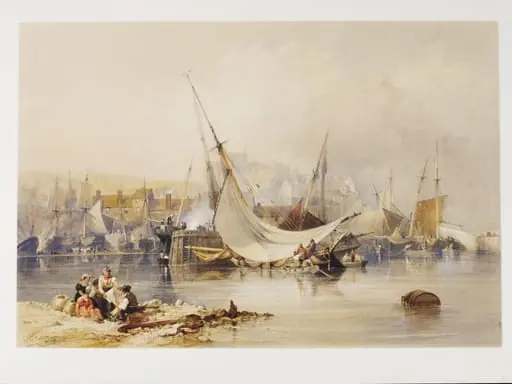 Whitby
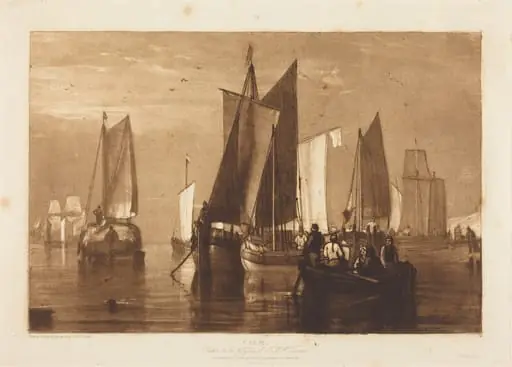 Calm
Calm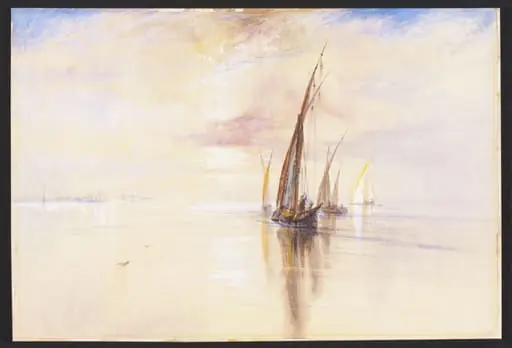 The Nile Delta (Sunset)
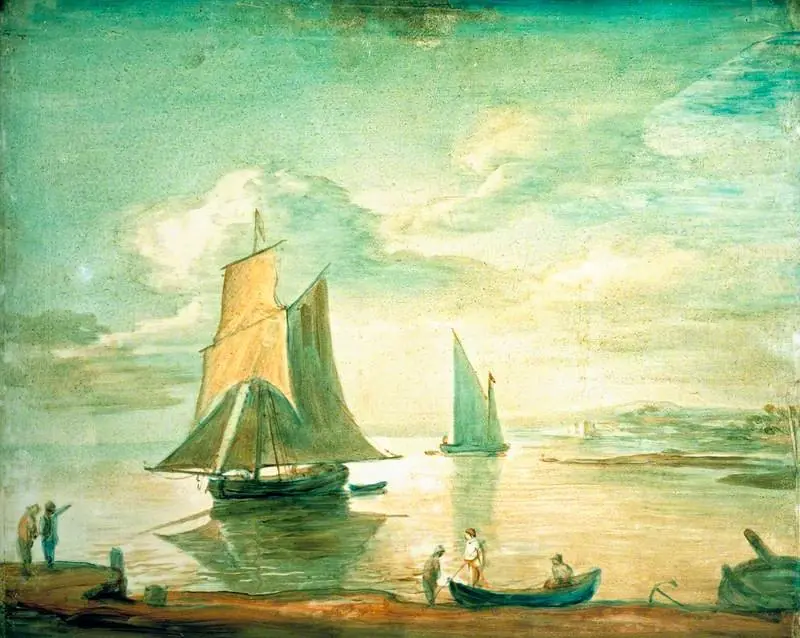 Coastal Scene with Sailing and Rowing Boats and Figures on the Shore
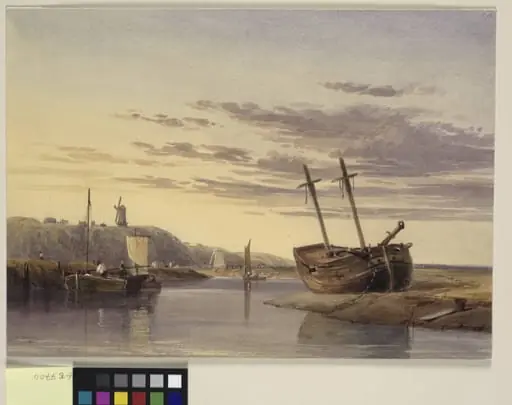 Fishing boats in Rye Harbour, with a windmill in the distance
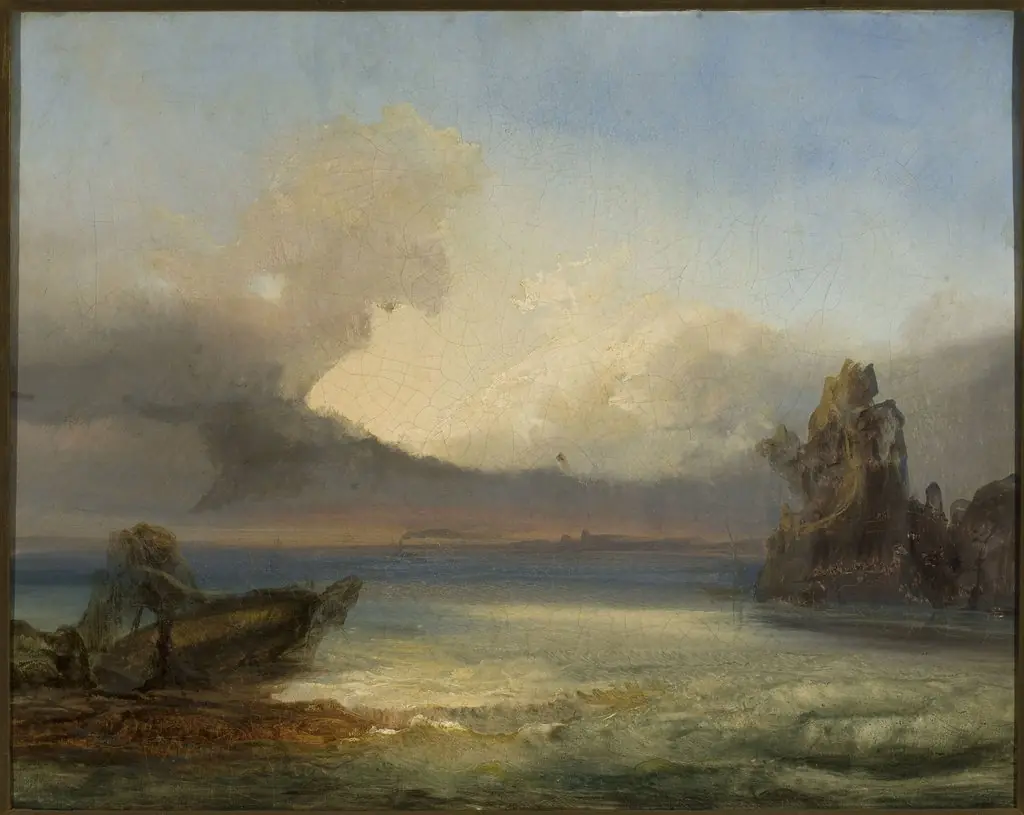 Marine landscape
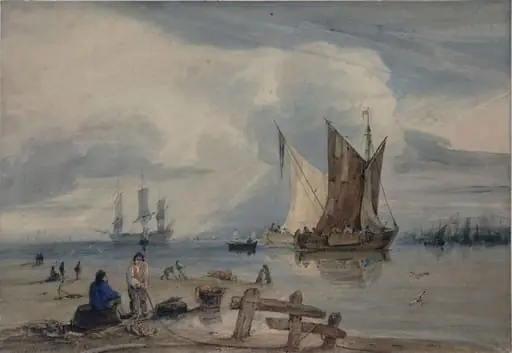 Shipping in a calm, with fishermen on the beach
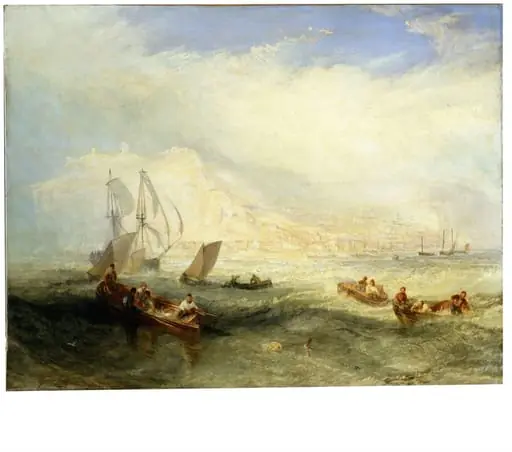 Line Fishing, Off Hastings
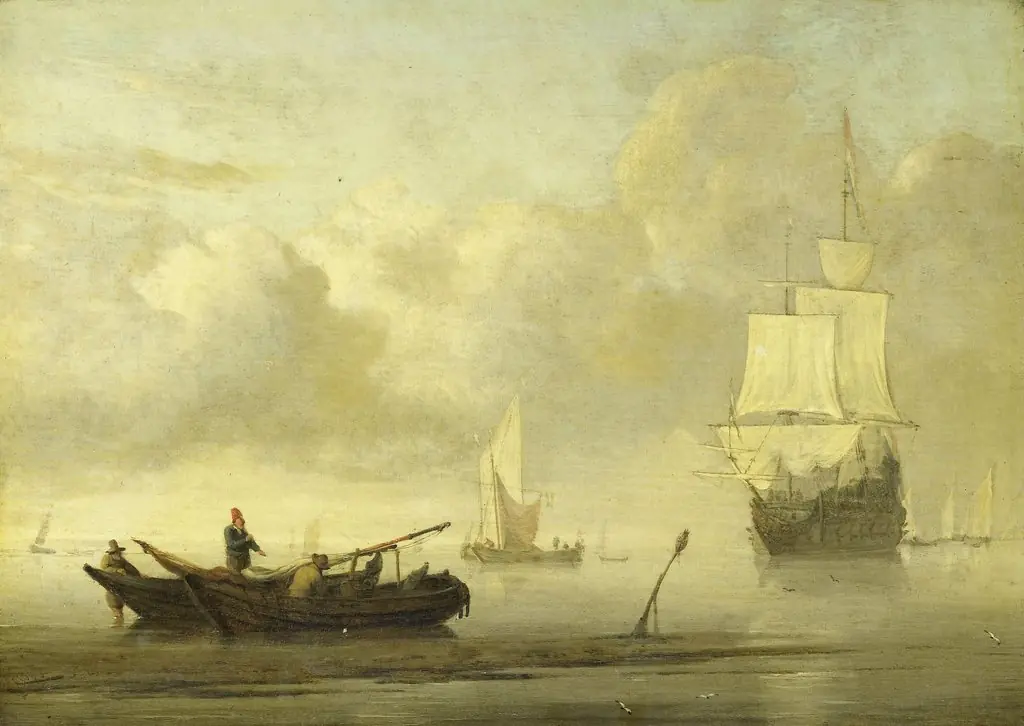 Ships off the coast in calm weather
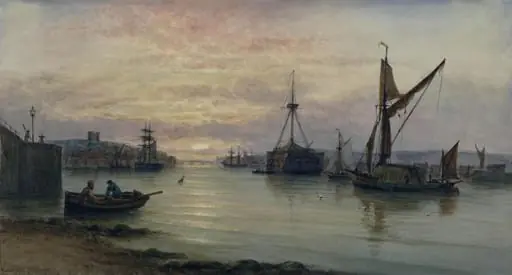 Rochester
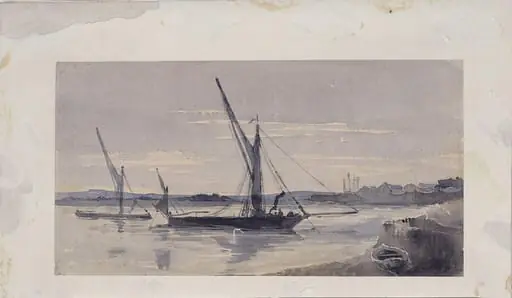 Coast Scene: Sunset