Artwork
Portrait of Barthélemy Aneau
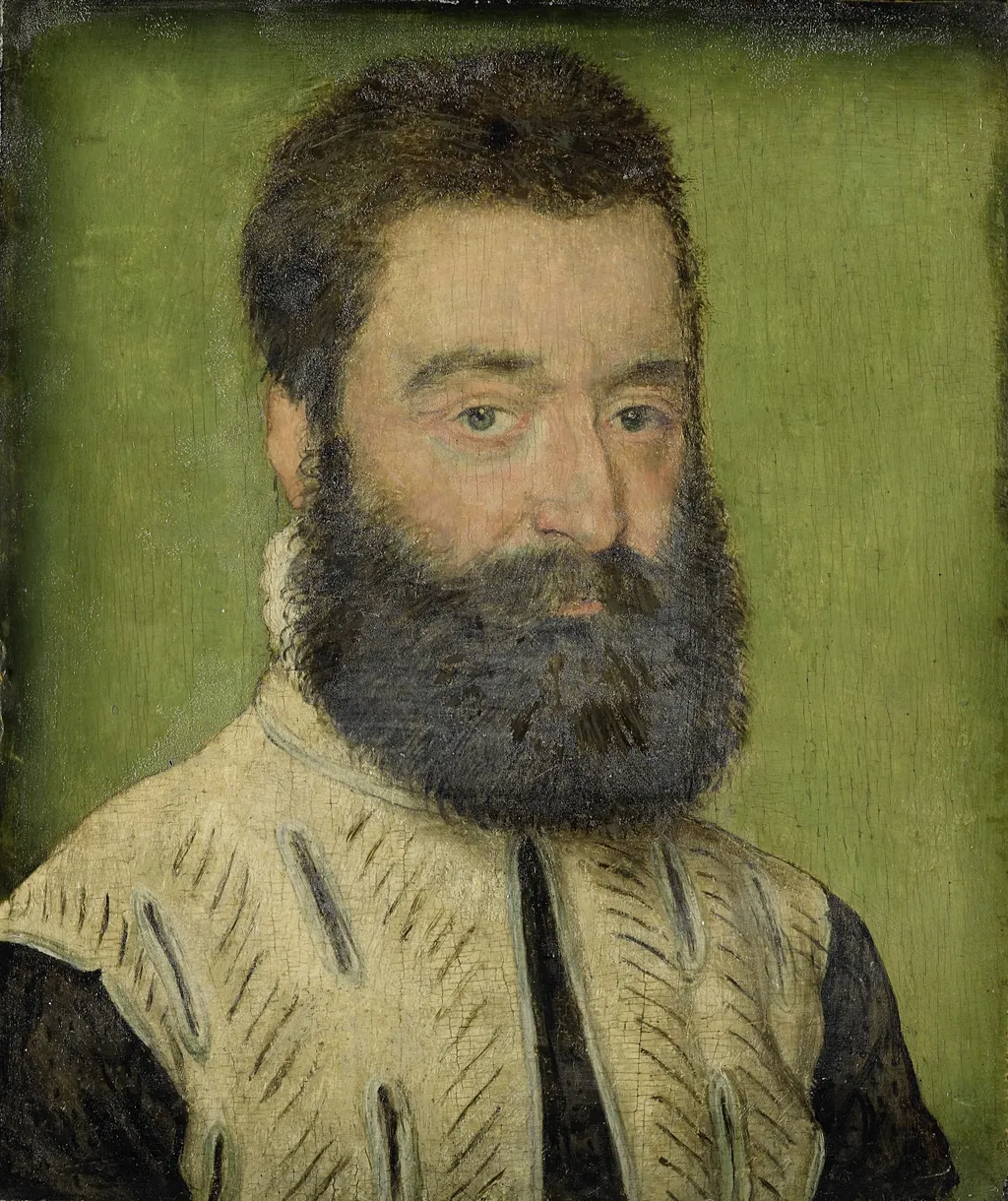
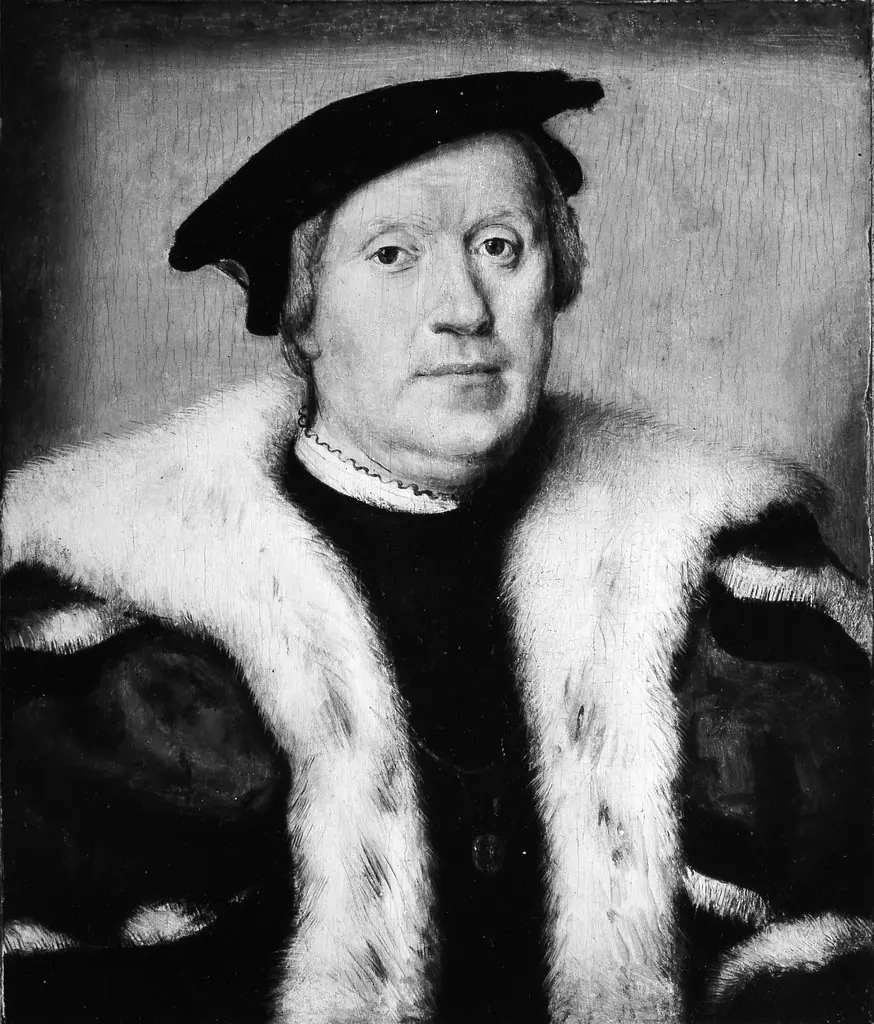
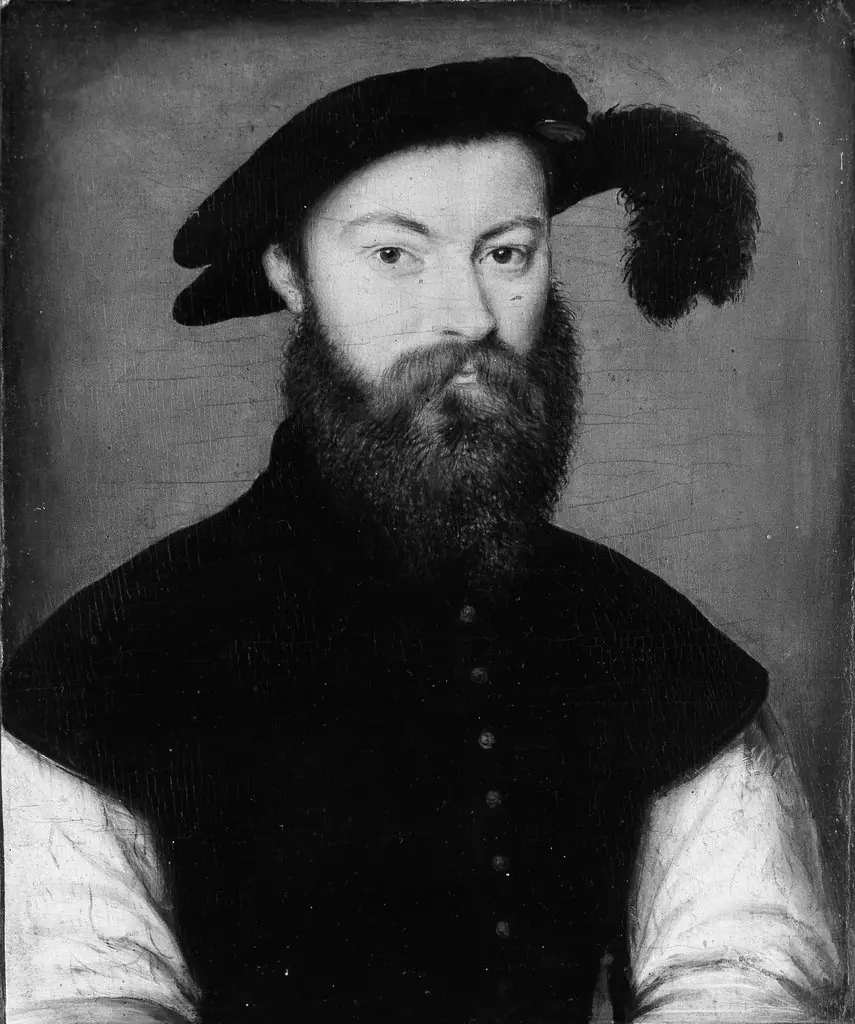
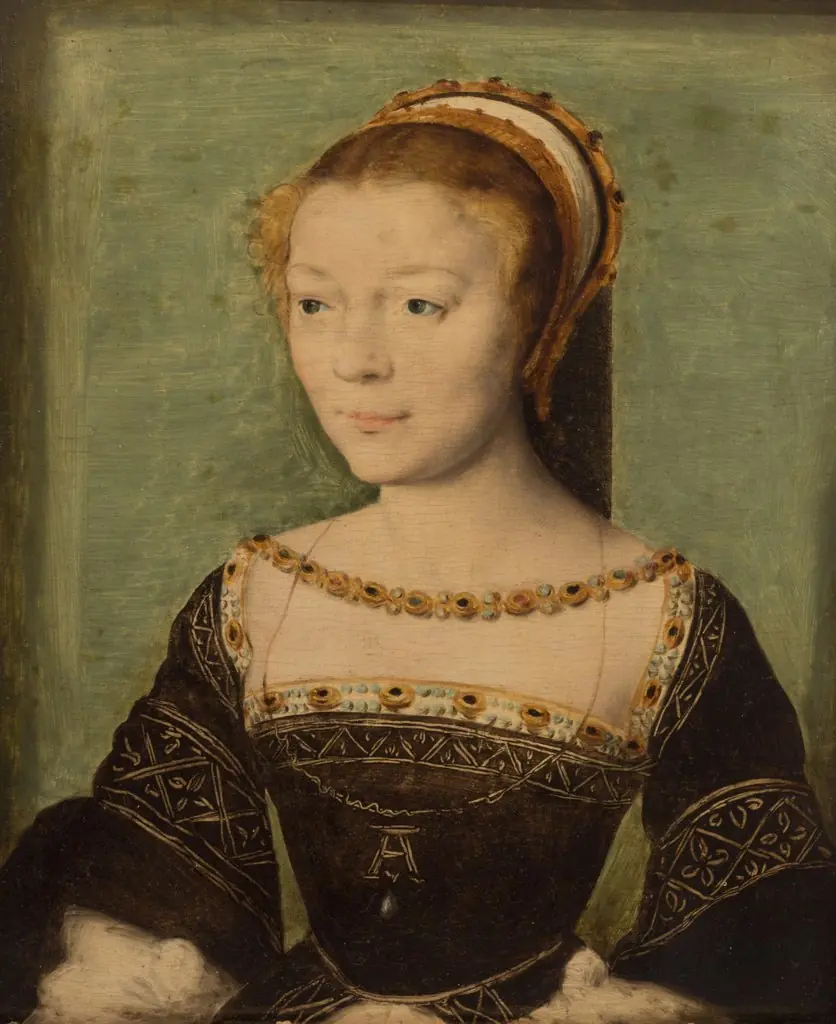
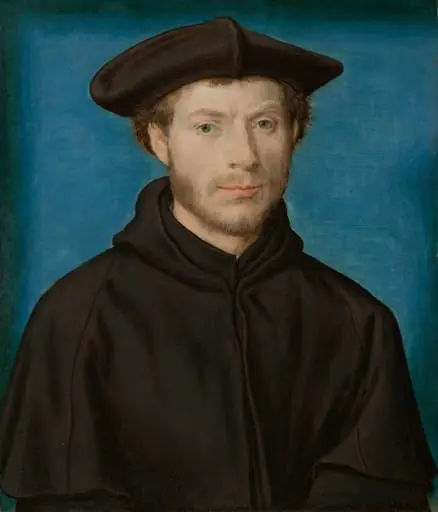
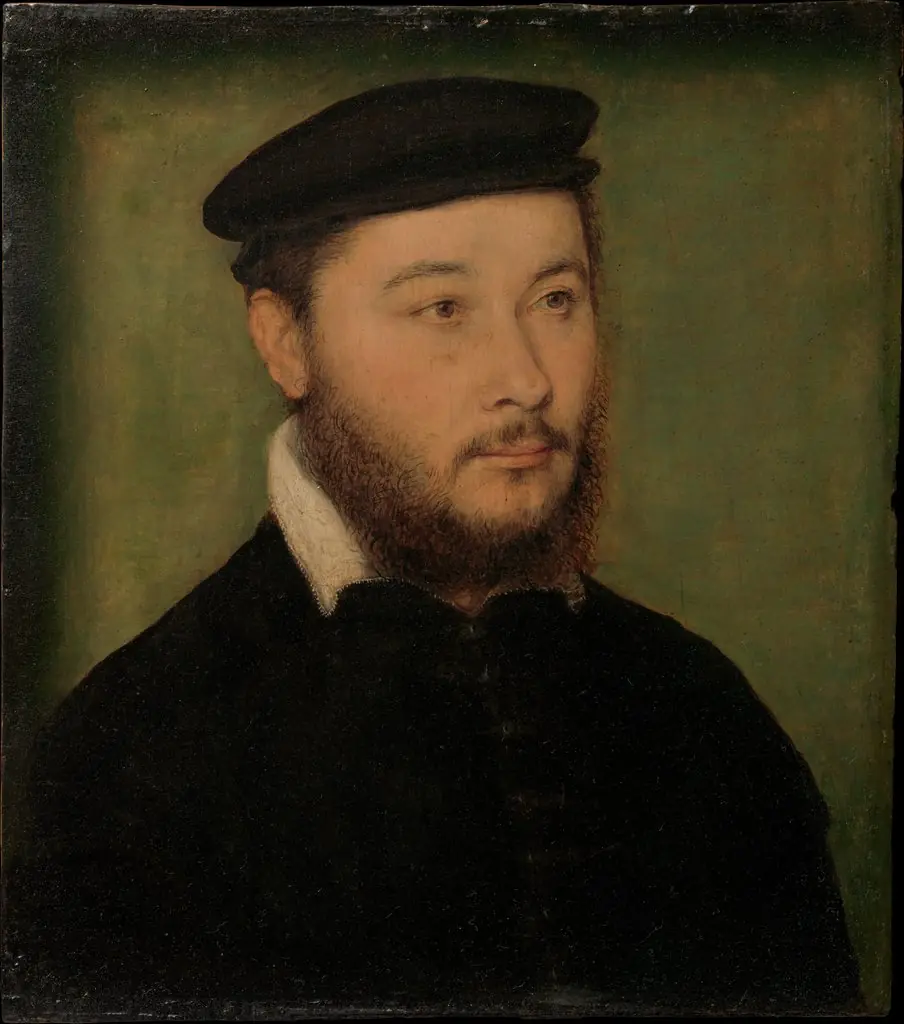
Portrait of Barthélemy Aneau is an oil painting by the Dutch Golden Age artist Corneille de Lyon. It dates from 1540 and is held in the collection of the Rijksmuseum.
About this work
Overview
Corneille de Lyon’s oil portrait of Barthélemy Aneau dates from the early 1540s and is part of the Rijksmuseum’s collection. The work presents a half‑length view of the sitter against a uniform green backdrop, emphasizing the figure’s facial features and attire without decorative distraction.
Subject & Meaning
The portrait depicts Barthélemy Aneau, a contemporary figure whose identity is recorded in the inscription. His slightly weathered complexion and modest, well‑crafted clothing suggest a man of respectable standing, perhaps engaged in scholarly or clerical pursuits, as was common among educated men of the period.
Technique & Style
Executed in oil on panel, the painting employs Corneille’s characteristic fine brushwork, especially evident in the rendering of the beard and moustache. Subtle chiaroscuro models the face, while the flat green field serves as a neutral plane that isolates the sitter, a hallmark of mid‑16th‑century portraiture in the Lyonnais school.
History & Provenance
Created circa 1540, the portrait entered the Rijksmuseum’s holdings through acquisition in the 20th century, though earlier ownership records are sparse. Its survival in good condition allows scholars to trace Corneille’s early output and to compare it with other contemporary portraits of French intellectuals.
Artist & collection
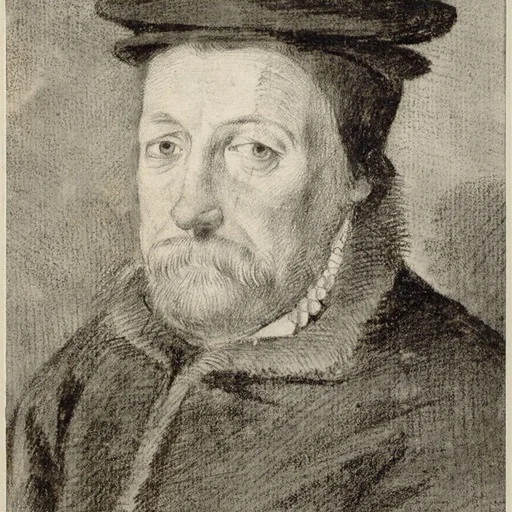
Artist
Corneille de Lyon was a Dutch painter of portraits who was active in Lyon, France, from 1533 until his death. In France and the Netherlands he is also still known as Corneille de La Haye after his birthplace, The Hague.