Artwork
Bathsheba
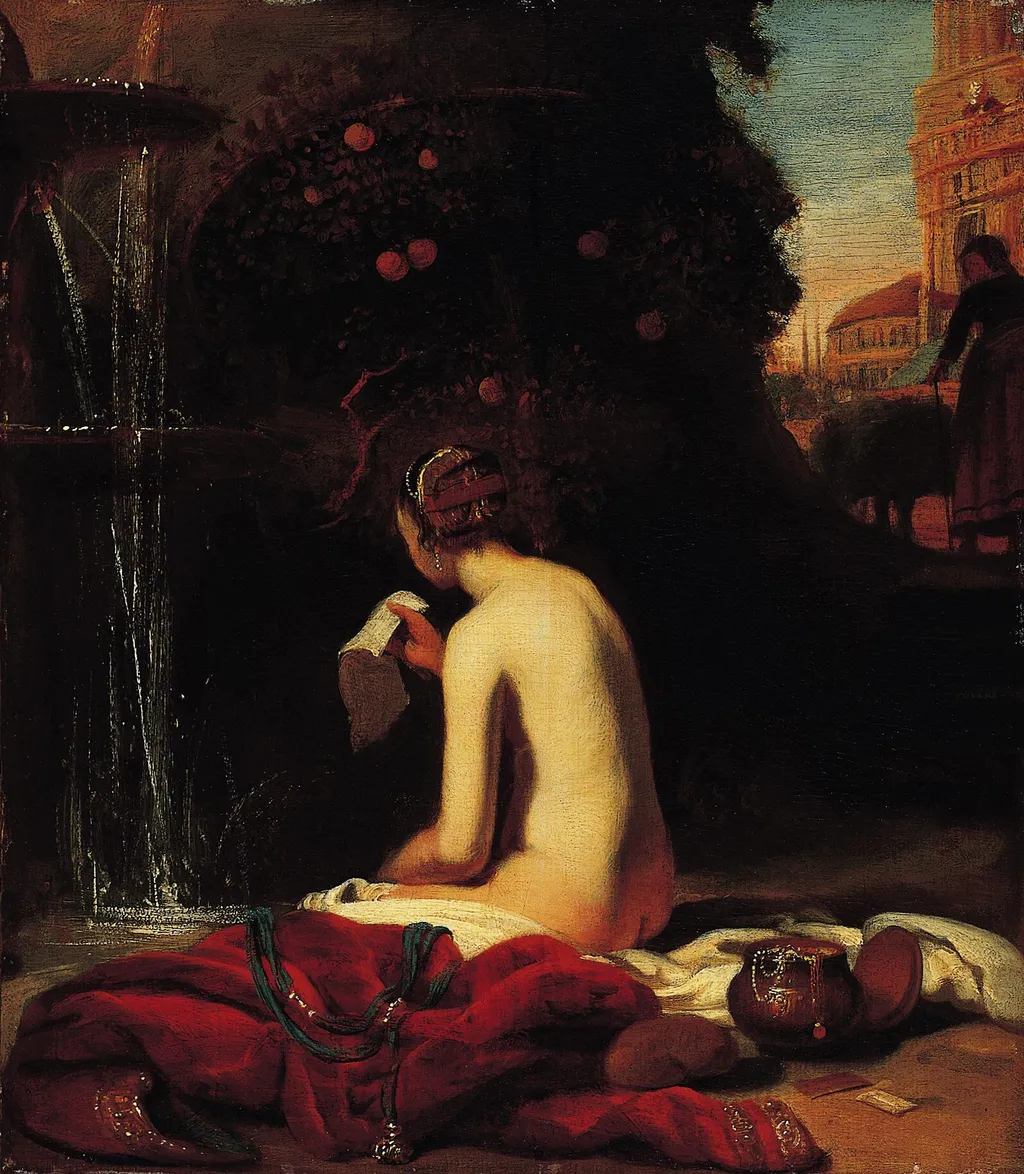
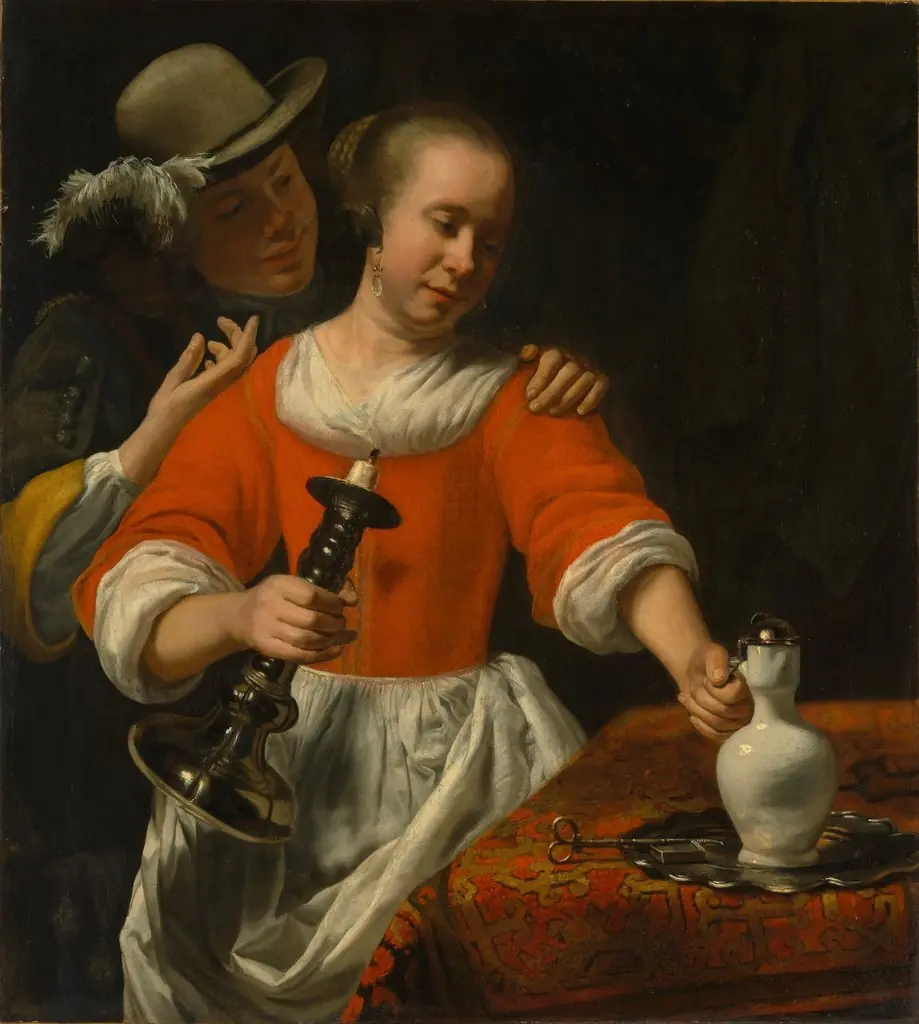
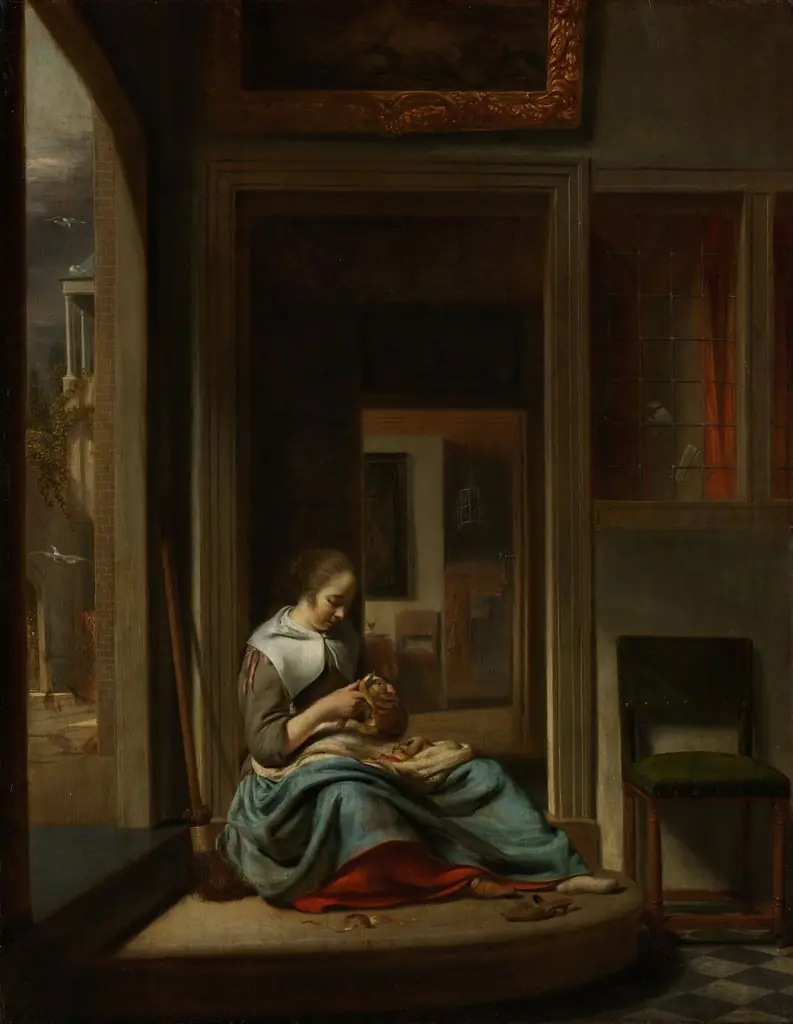
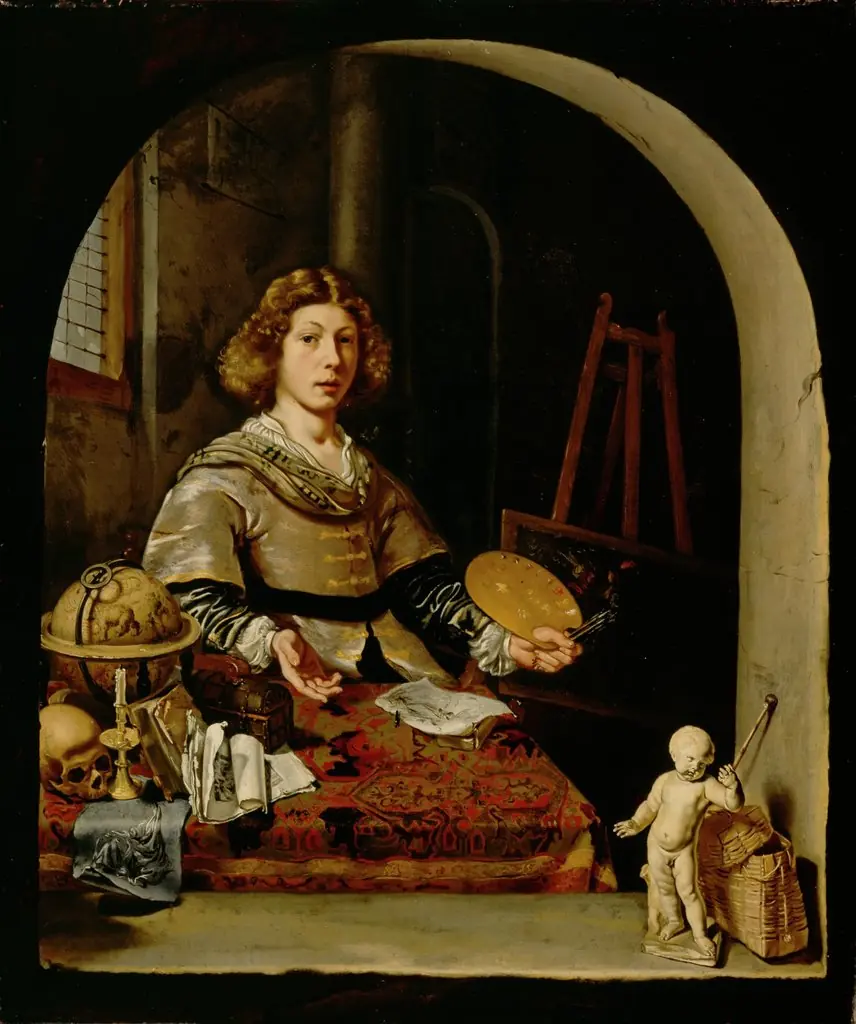
Bathsheba is an oil painting by the Dutch Golden Age artist Cornelis Bisschop. It dates from 1660 and is held in the collection of the Norton Simon Museum.
About this work
Overview
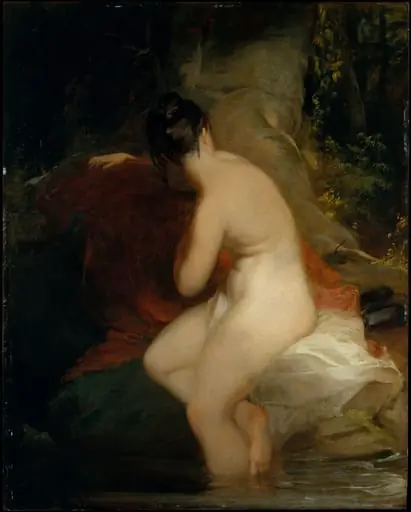
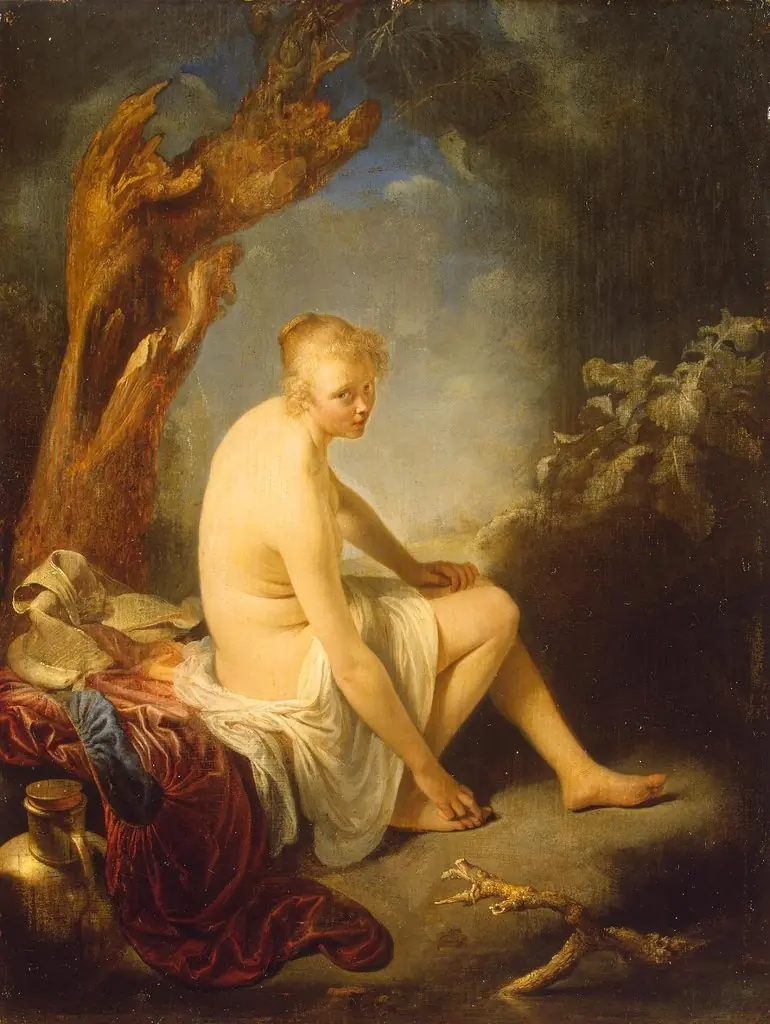
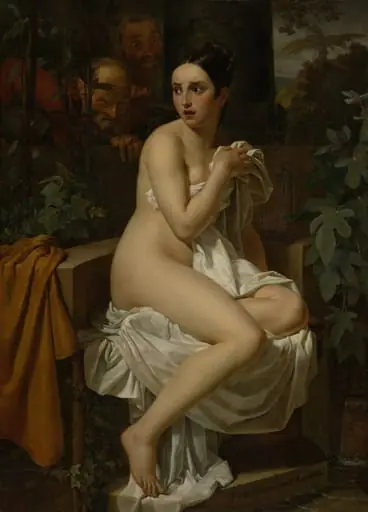
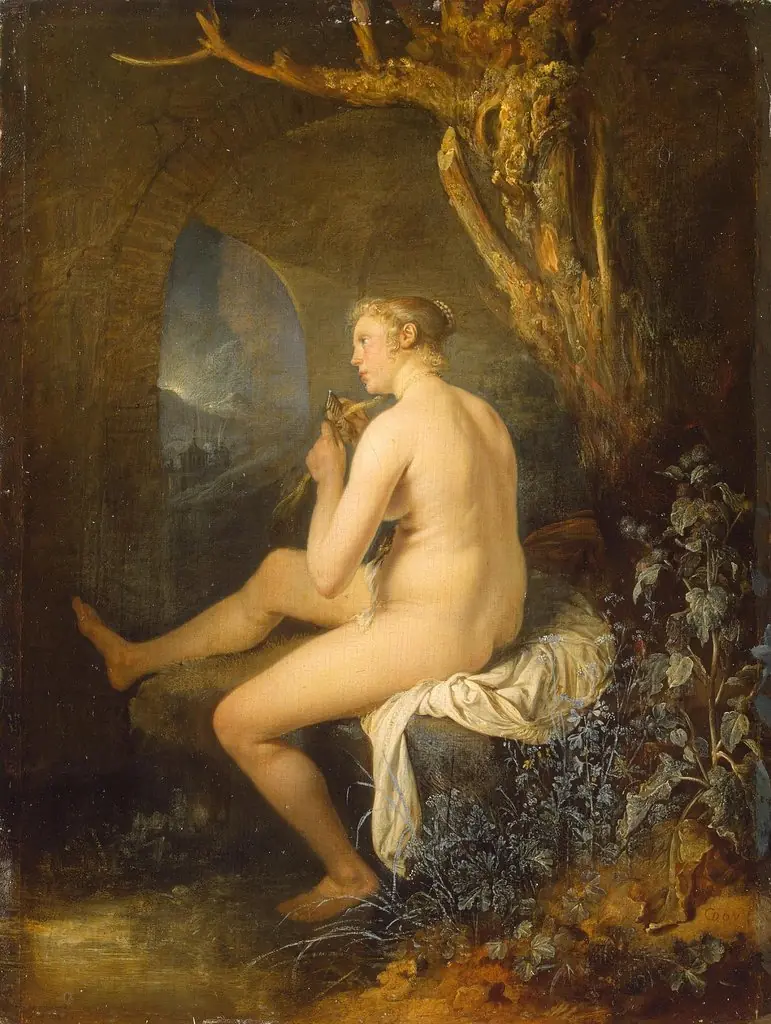
Cornelis Bisschop’s oil painting titled Bathsheba, executed in 1660, is part of the collection at the Norton Simon Museum. The work presents a solitary female figure in a quiet, interior‑exterior setting, rendered with the chiaroscuro typical of mid‑seventeenth‑century Dutch painting.
Subject & Meaning
The composition shows a nude woman seated on the ground, turned away from the viewer. She holds a sheet of paper in her right hand, suggesting a moment of private contemplation. The inclusion of a fountain, a stone wall, and a fruit‑bearing tree in the distance adds a subtle narrative context, echoing the biblical story of Bathsheba.
Technique & Style
Bisschop employs a strong contrast of light and shadow to model the figure’s back and right shoulder, creating a three‑dimensional presence. The dark hair is pulled back, and a red cloth lies at her feet, providing a vivid accent against the muted background. The handling of oil paint conveys smooth flesh tones and a tactile surface.
History & Provenance
Created in the Dutch Golden Age, the painting entered the Norton Simon Museum’s holdings through acquisition in the twentieth century. Its provenance prior to museum ownership is not extensively documented, but the work has been identified as a rare example of Bisschop’s religious genre output.
Context
Bathsheba belongs to a tradition of Dutch artists interpreting biblical subjects with domestic intimacy. Bisschop, known primarily for genre scenes, applies the same attention to detail and moral undertone here, aligning the work with contemporary visual approaches to scriptural narratives.
Own this work as a print
Artist & collection
Artist
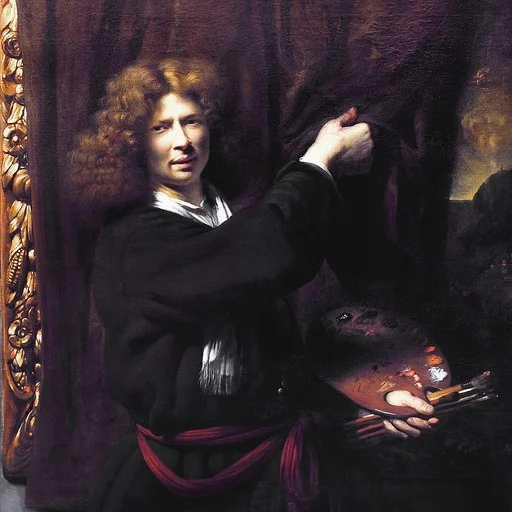
Cornelis Bisschop (1630–1674) was a Dutch Golden Age artist, born in Dordrecht.