Artwork
Geographers at Work
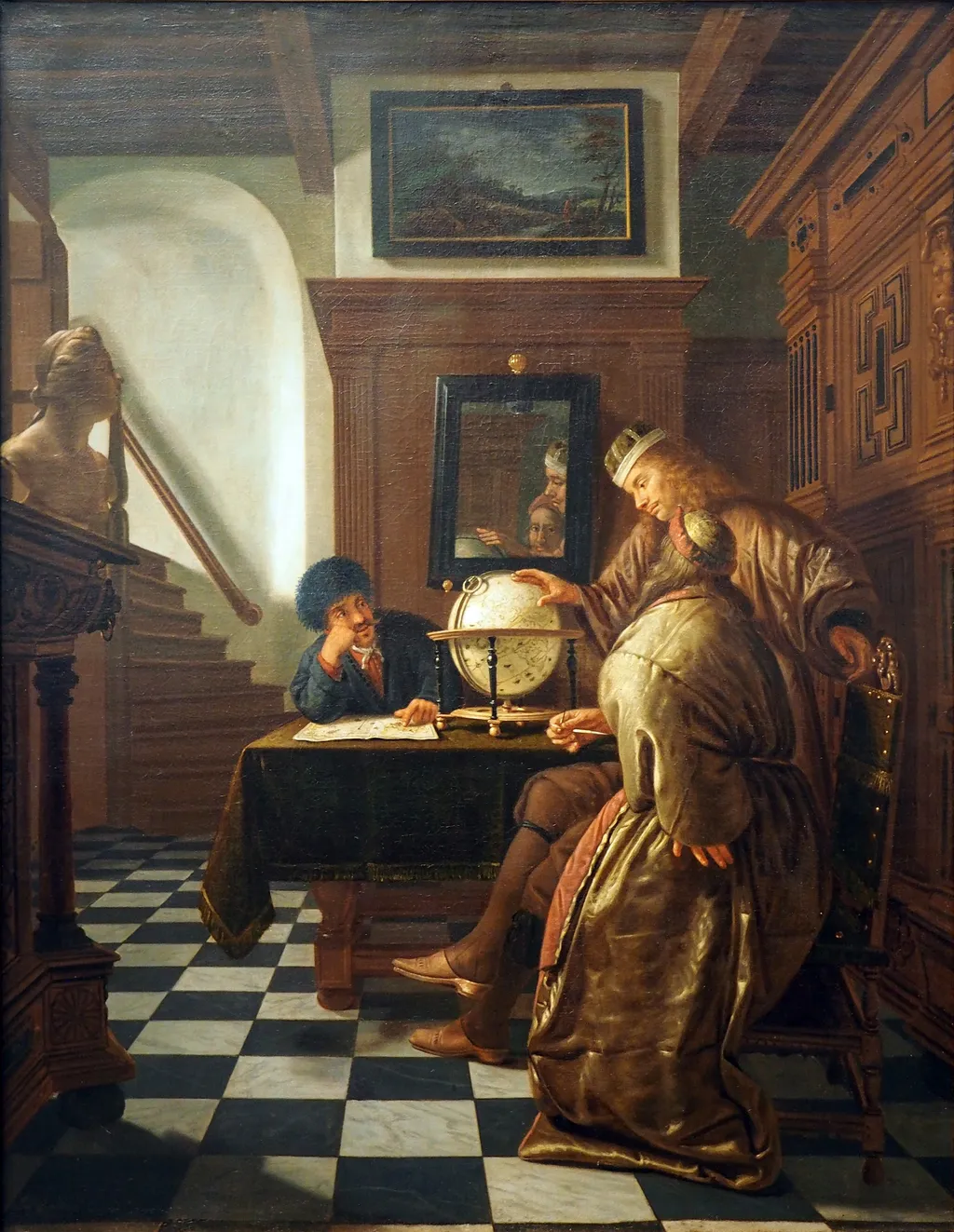
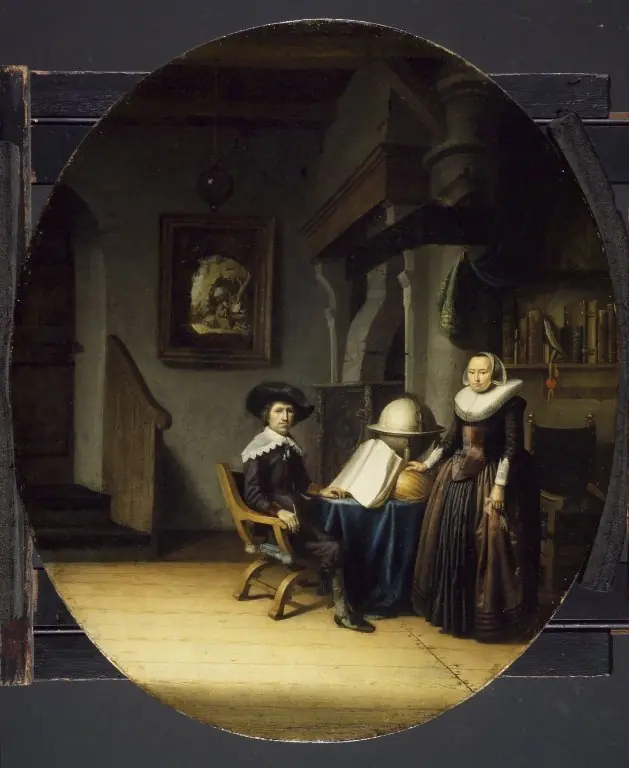
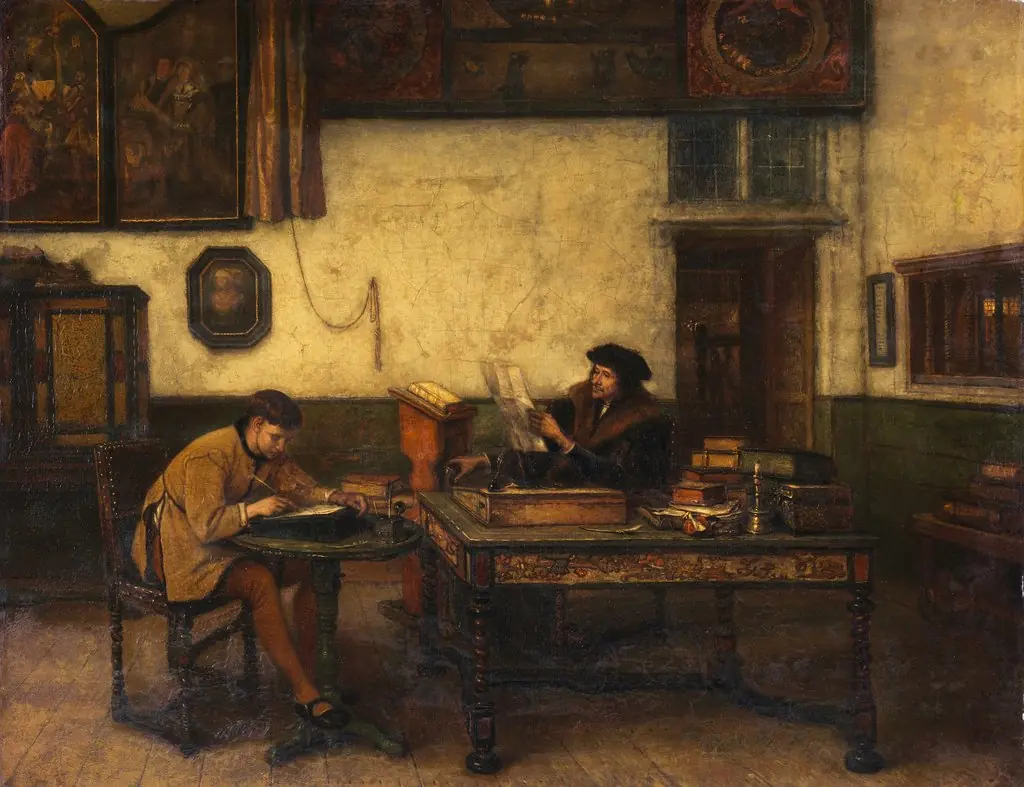
Geographers at Work is an oil painting by the Dutch Golden Age artist Cornelis de Man. It dates from 1671 and is held in the collection of the Hamburger Kunsthalle.
About this work
Overview
Painted around 1671 by Cornelis de Man, this oil-on-canvas work presents a quiet interior scene centered on scholarly activity.
Painted around 1671 by Cornelis de Man, this oil-on-canvas work presents a quiet interior scene centered on scholarly activity. It captures two men engaged in the study of geographic tools—a globe and a map—within a modestly furnished room. The painting belongs to the collection of the Hamburger Kunsthalle and exemplifies Dutch genre painting of the late seventeenth century, emphasizing intellectual pursuit over dramatic narrative.
Subject & Meaning
The two figures, dressed in period attire, are absorbed in the examination of spatial knowledge. One holds a globe with careful hands, while the other studies a rolled map, suggesting collaboration in cartographic analysis. The scene reflects the era’s growing interest in geography as a disciplined science, valuing observation and precision over spectacle. The quiet intensity of their focus underscores the dignity of intellectual labor.
Technique & Style
De Man employs subtle chiaroscuro to model forms, with light entering from the left to illuminate the globe and maps while leaving the background in soft shadow. The checkered floor and architectural details are rendered with precise linear perspective, grounding the scene in tangible space. Textures of fabric, wood, and parchment are delicately suggested, reinforcing the tactile reality of the objects without overt embellishment.
History & Provenance
The painting entered the Hamburger Kunsthalle’s collection in the nineteenth century, though its earlier ownership remains undocumented. It has been consistently attributed to Cornelis de Man since its cataloging, with no evidence of significant alteration or reattribution. Its survival in good condition reflects careful stewardship, aligning with the museum’s broader commitment to preserving Dutch Golden Age genre works.
Context
In the Dutch Republic of the 1670s, geography was both a practical and intellectual pursuit, tied to trade, navigation, and civic identity. Paintings like this one catered to an educated middle class who valued scientific inquiry and domestic tranquility. The inclusion of a secondary painting on the wall hints at the cultural layers of the household, where art and knowledge coexisted as markers of refinement.
Legacy
While not widely reproduced, the painting stands as a representative example of how Dutch artists rendered scholarly activity with restraint and authenticity. It contributes to a broader visual record of early modern intellectual life, where the quiet act of study was elevated as worthy of artistic attention. De Man’s work continues to inform understandings of how knowledge was visually constructed in the period.
Own this work as a print
Artist & collection

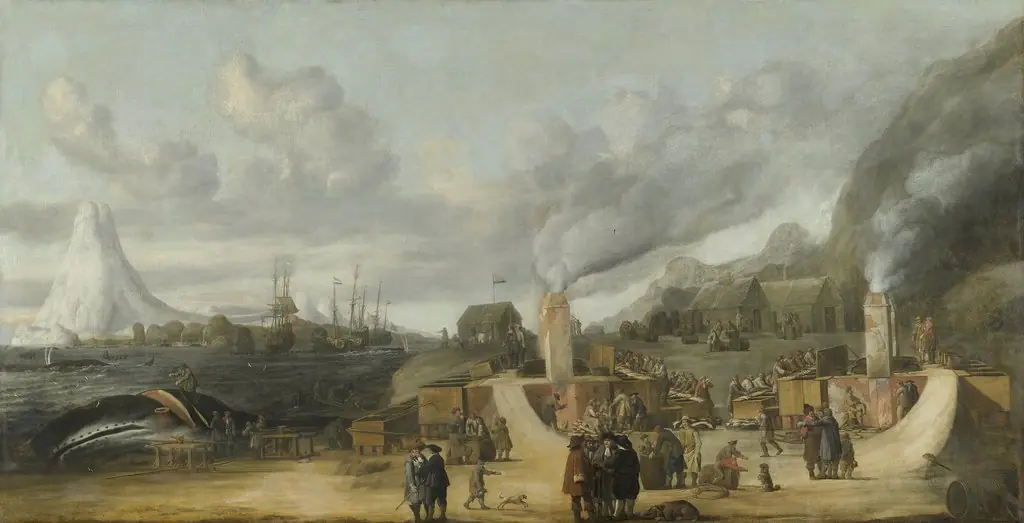 The Whale-oil Refinery near the Village of Smerenburg
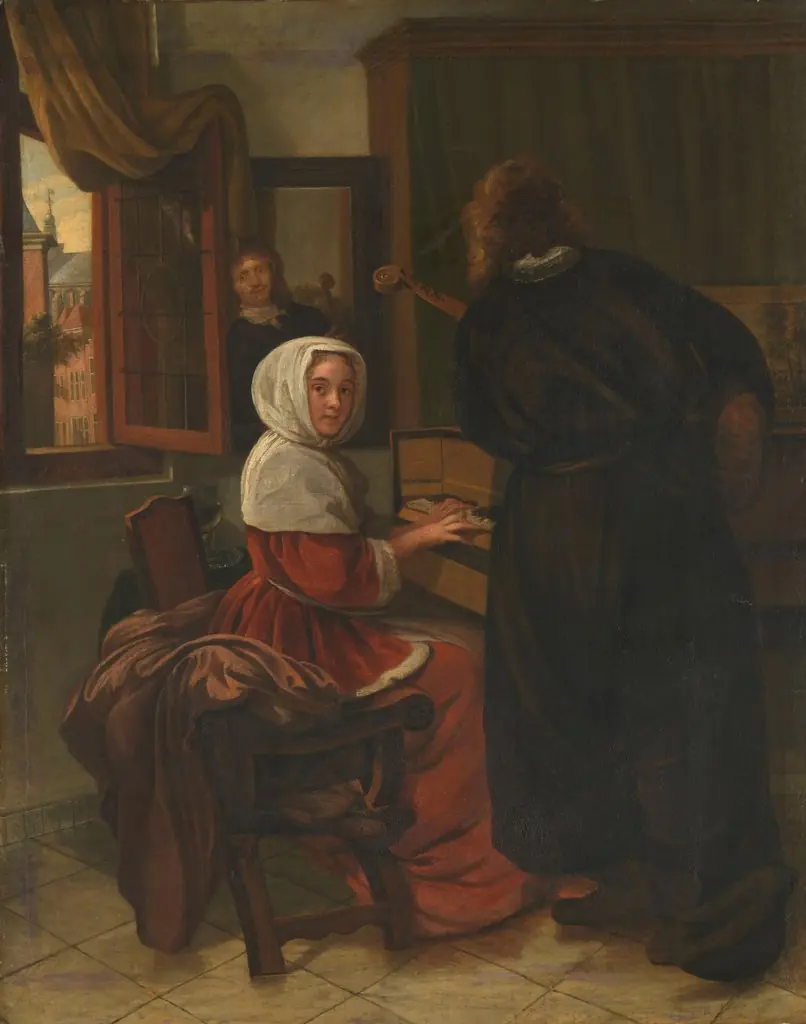 Couple making music
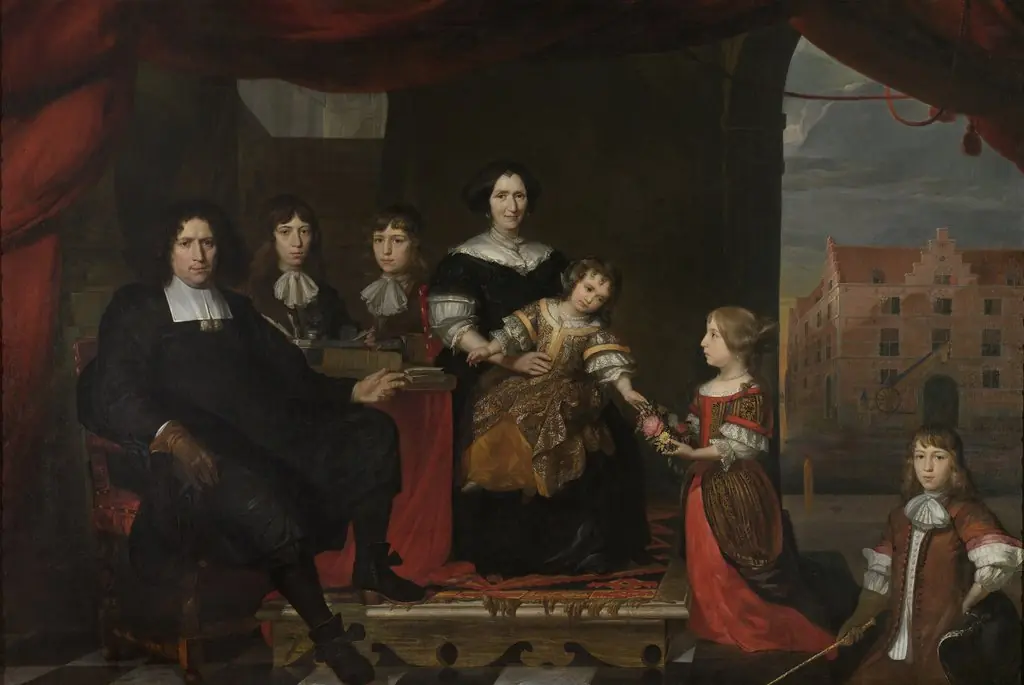 Reyer Reyersz van der Burch (1630-95), ammunition officer attached to the arsenal of the states-general, Delft, with his wife Geertruid Graswinckel and their children
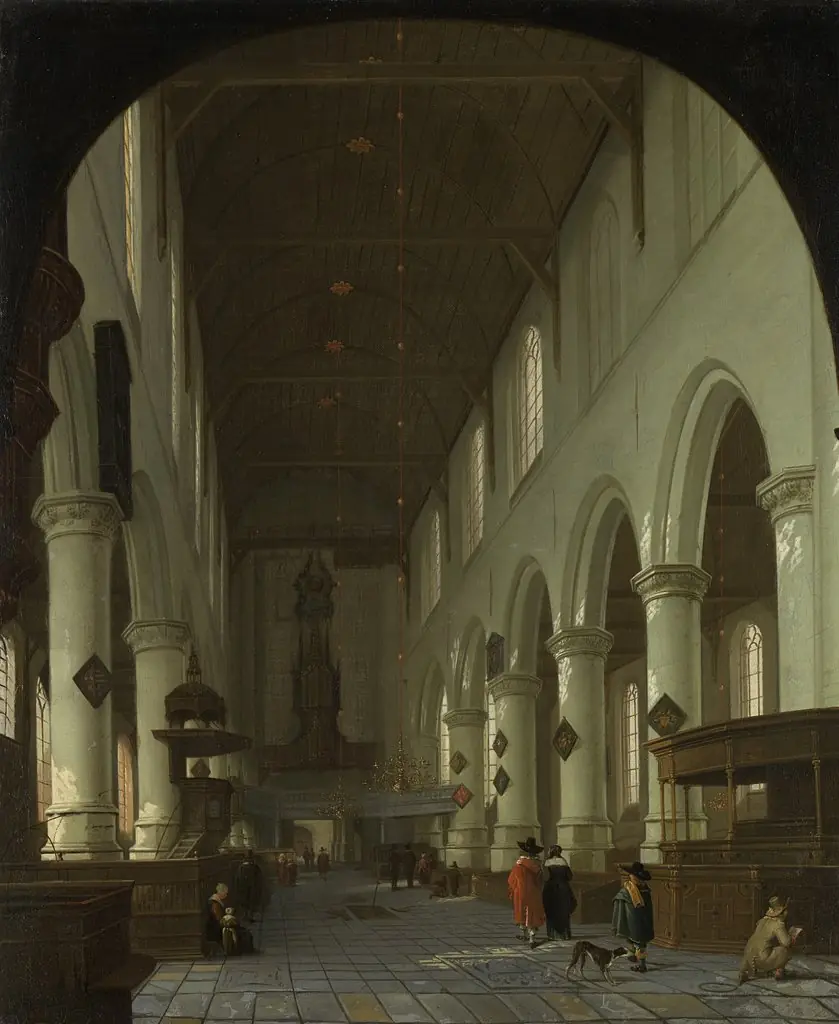 View in the Oude Kerk in Delft, from the choir to the portal
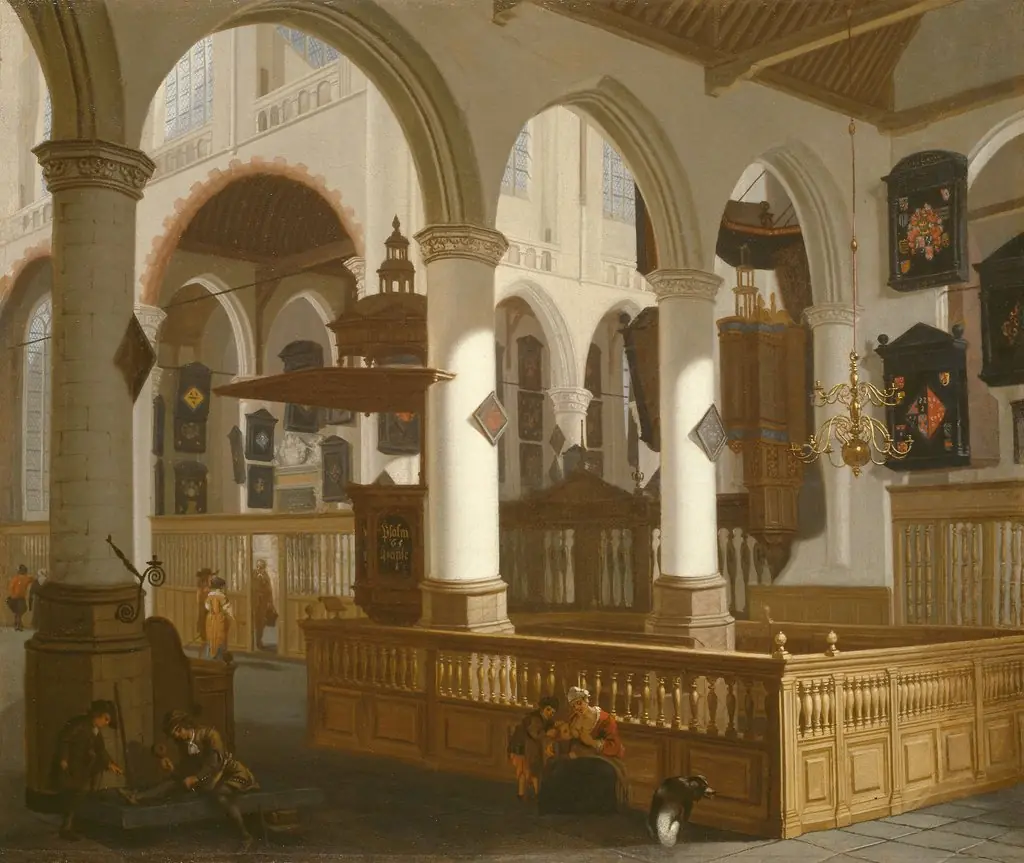 The Oude Kerk, Delft
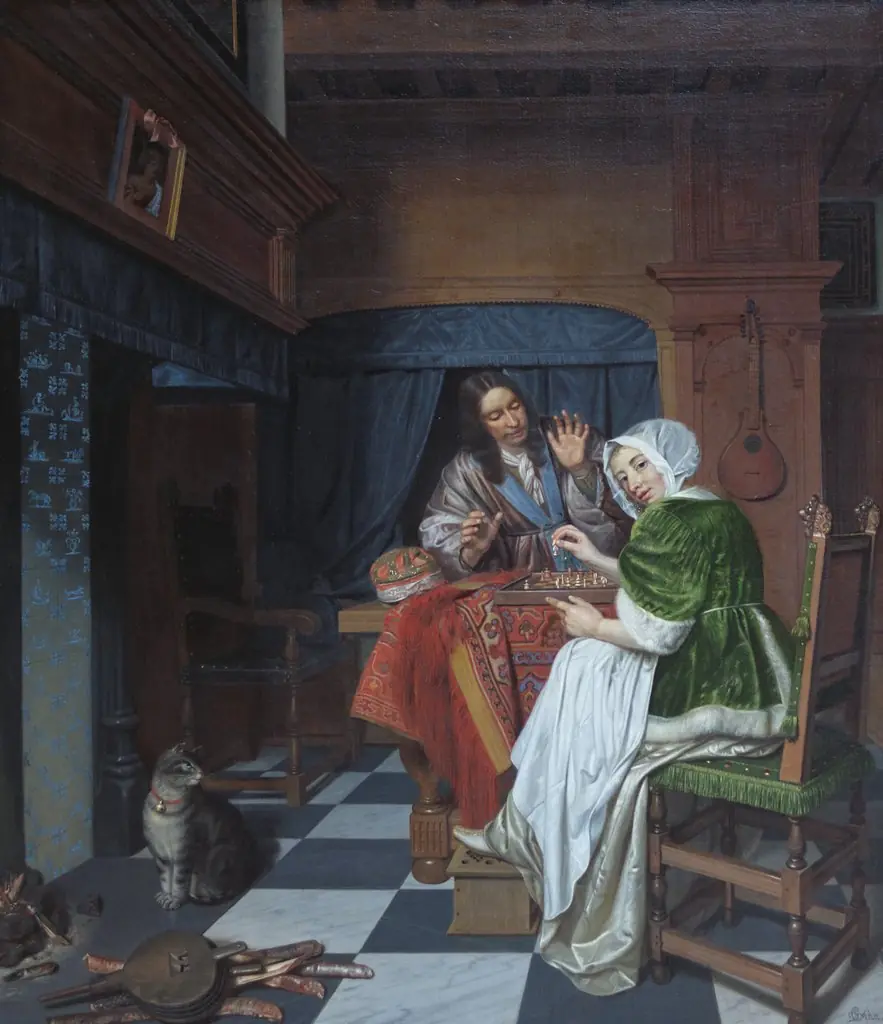 The Chess Players
 The Oude Kerk, Delft