Artwork
A Woman
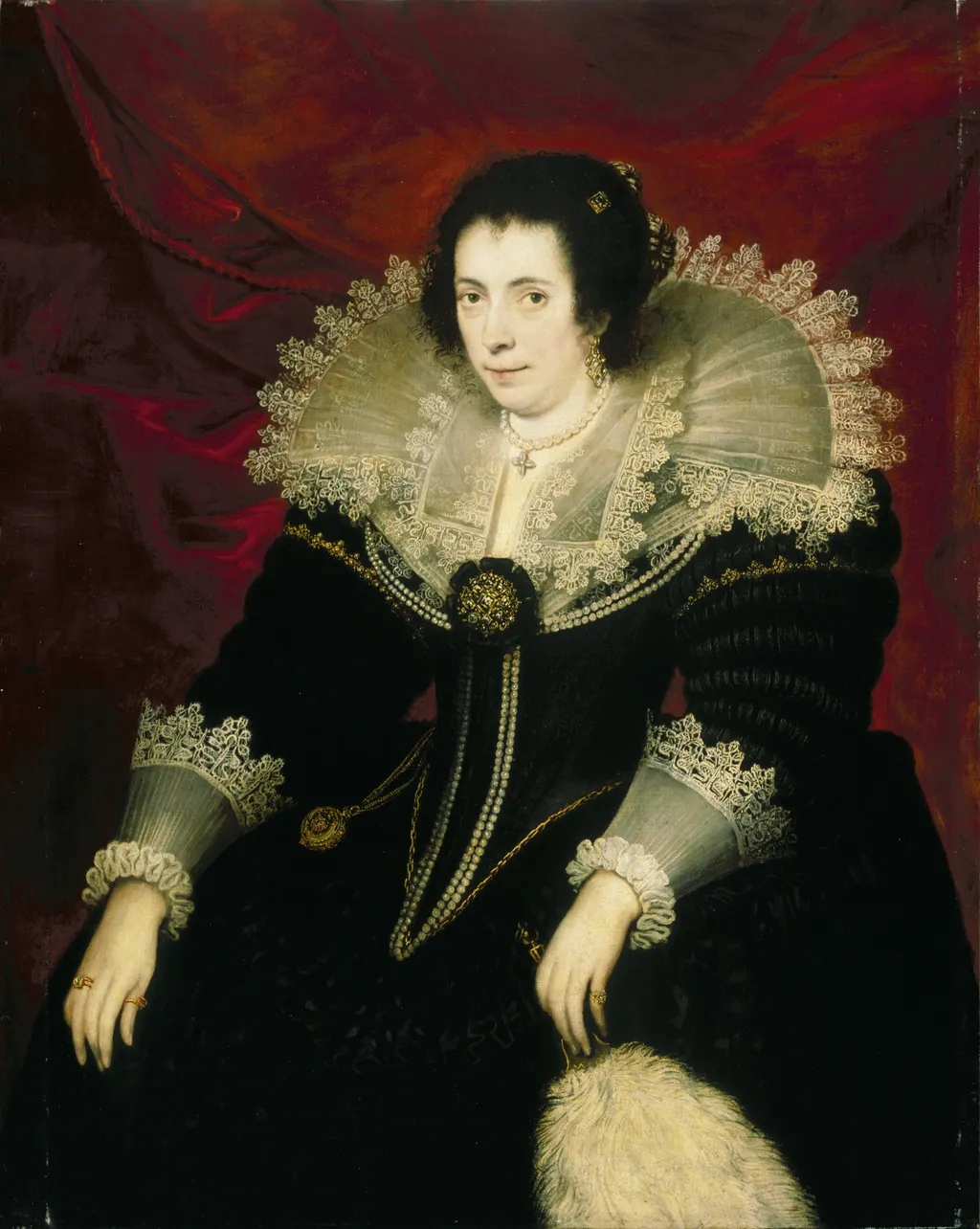
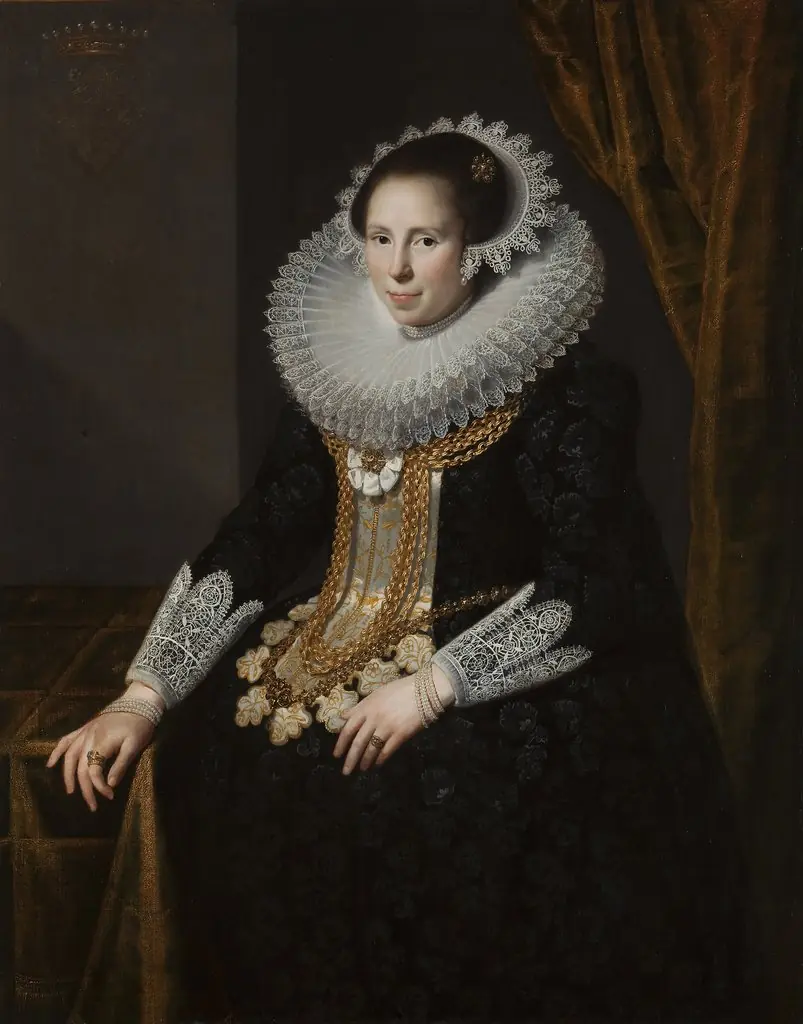
A Woman is an oil painting by the Flemish Baroque painting artist Cornelis de Vos. It dates from 1630 and is held in the collection of the Detroit Institute of Arts.
About this work
Overview
Painted in 1630 by Flemish artist Cornelis de Vos, this oil on canvas portrait captures a woman of apparent social standing in Antwerp. De Vos, active as both painter and art dealer, was known for his nuanced depictions of individuals during the height of the Flemish Baroque period. The work exemplifies his focus on intimate, lifelike representation within the city’s thriving artistic community.
Subject & Meaning
The sitter is portrayed in formal attire—a black gown with intricate lace trim and a high collar—accompanied by a cross necklace and a white feathered fan. Her restrained posture and direct gaze suggest composure and dignity. The accessories and clothing imply wealth and religious observance, aligning with the values of Antwerp’s upper-middle class during the early 17th century.
Technique & Style
De Vos employed subtle gradations of light and rich, muted tones to render fabric textures and skin with quiet precision.
De Vos employed subtle gradations of light and rich, muted tones to render fabric textures and skin with quiet precision. The dark red background enhances the figure’s presence without distraction, while the delicate rendering of lace and the fan’s feathers demonstrates his attention to tactile detail. His brushwork balances realism with a restrained elegance characteristic of Flemish portraiture.
History & Provenance
The painting entered the collection of the Detroit Institute of Arts through documented acquisition, though its earlier ownership history remains largely unrecorded. It has been consistently attributed to de Vos since its inclusion in the museum’s holdings, reflecting scholarly consensus on its origin and date. Its preservation has allowed continued study of 17th-century Flemish portraiture.
Context
In 1630s Antwerp, portraiture served both personal and social functions, often commissioned to affirm status or commemorate family ties. De Vos, alongside contemporaries like Rubens, contributed to a local tradition that valued psychological depth and material specificity. This portrait reflects the city’s cultural confidence and the rising prominence of middle-class patrons in the arts.
Legacy
Though not among de Vos’s most widely reproduced works, this portrait remains a representative example of his approach to individual characterization. It contributes to broader understanding of how Flemish artists conveyed identity through dress, gesture, and composition, offering insight into the visual language of status in early modern Europe.
Own this work as a print
Artist & collection
Artist
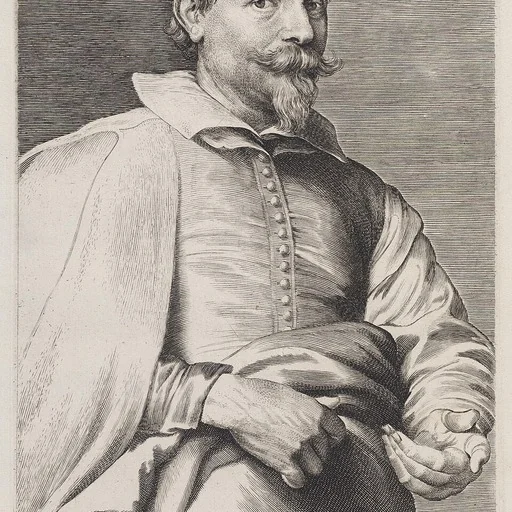
Cornelis de Vos (1584 - 9 May 1651) was a Flemish painter, draughtsman and art dealer.

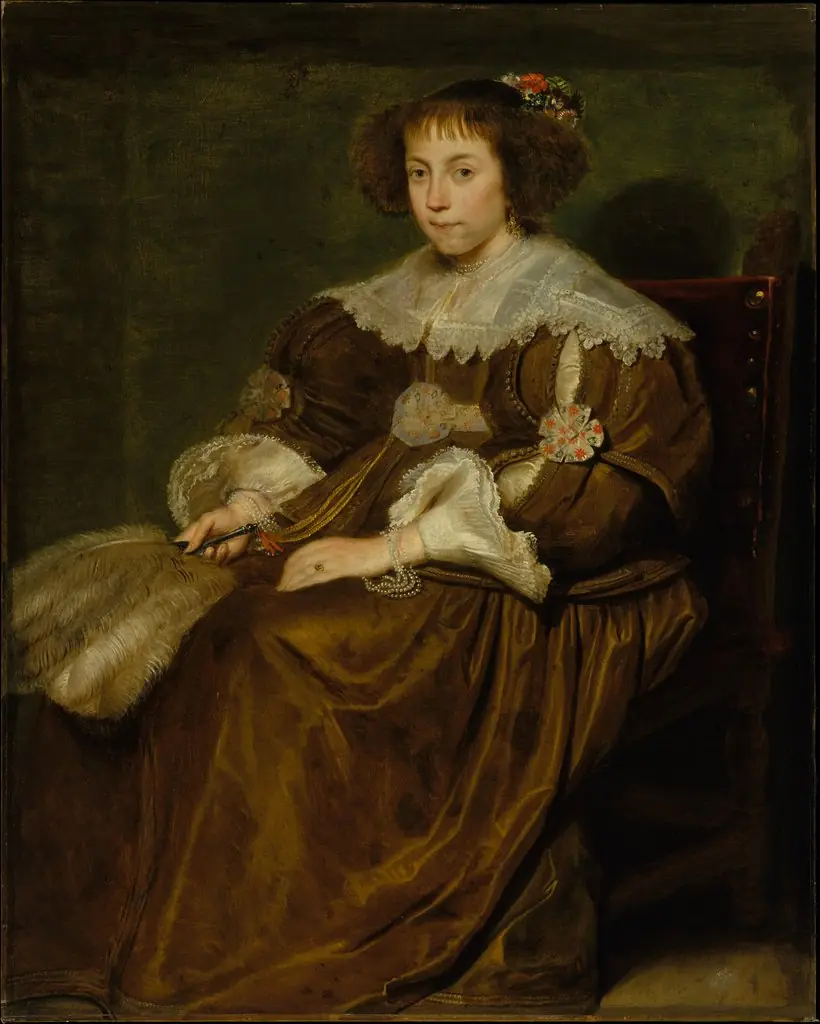 Portrait of a Young Woman
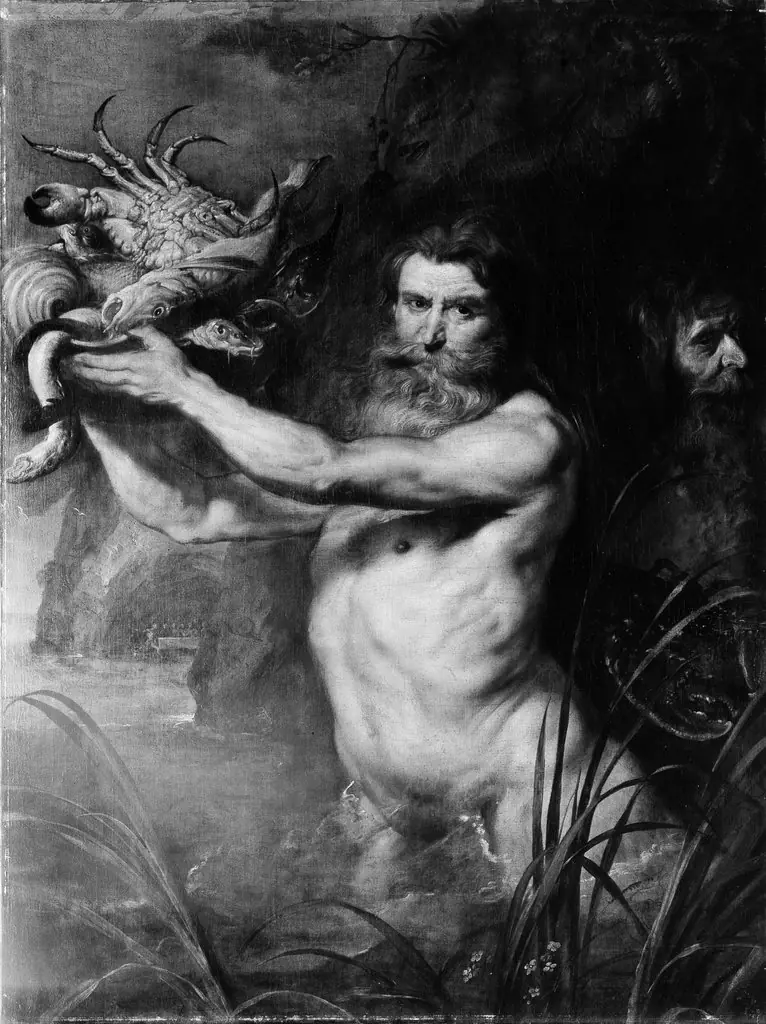 Two Tritons at the Feast of Acheloüs
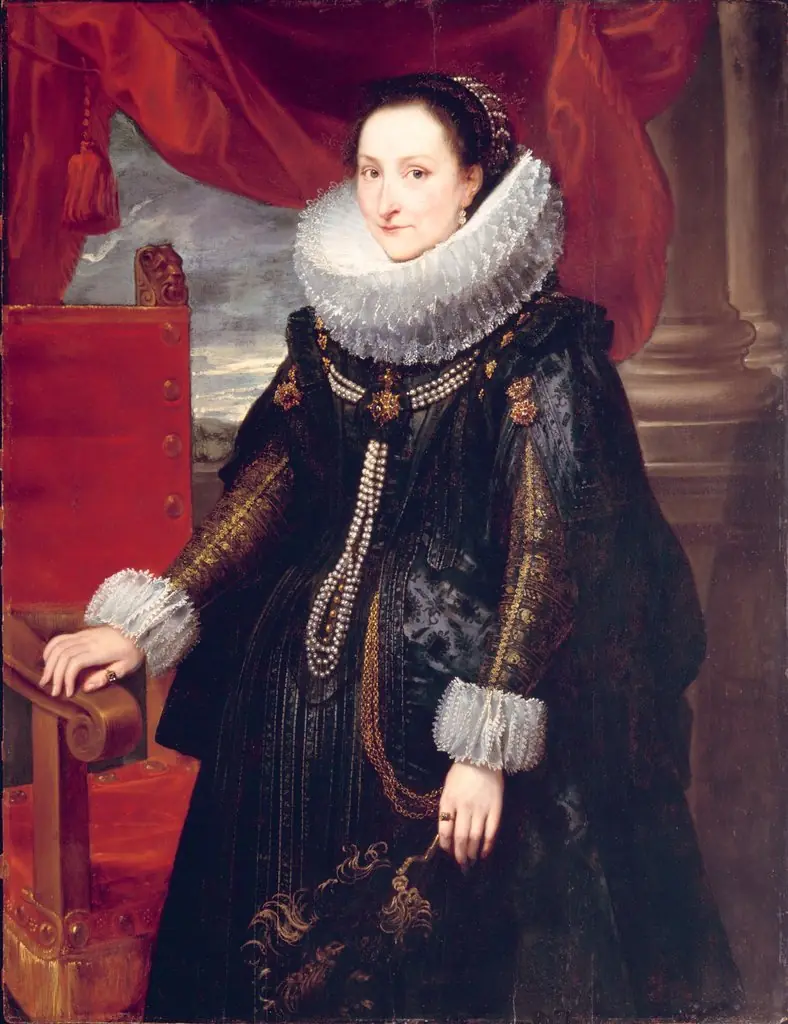 Portrait of a Woman
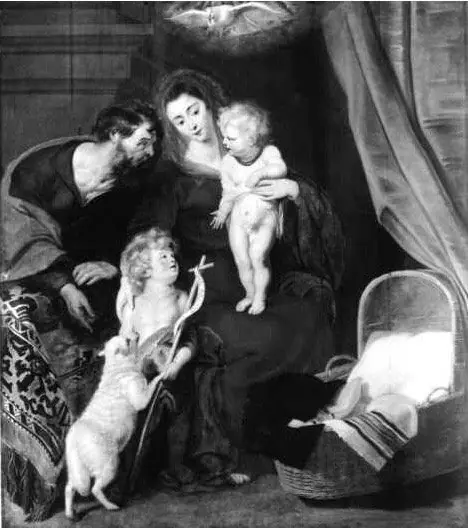 The Holy Family with John the Baptist as child
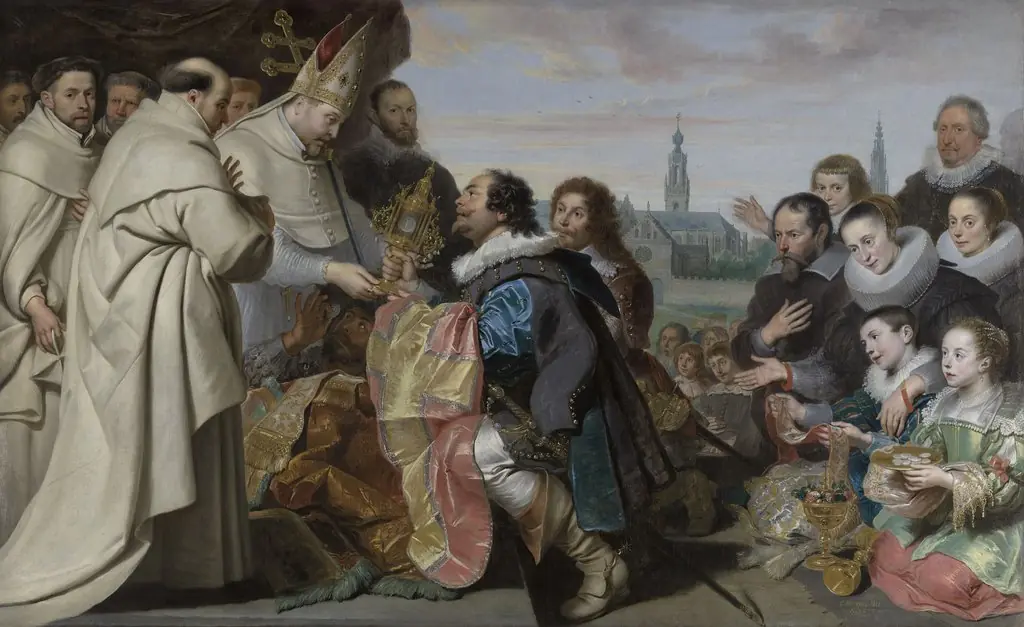 The Citizens of Antwerp bring back to Saint Norbert the Monstrance and other Sacred Vessels that they had hidden from Tankelin
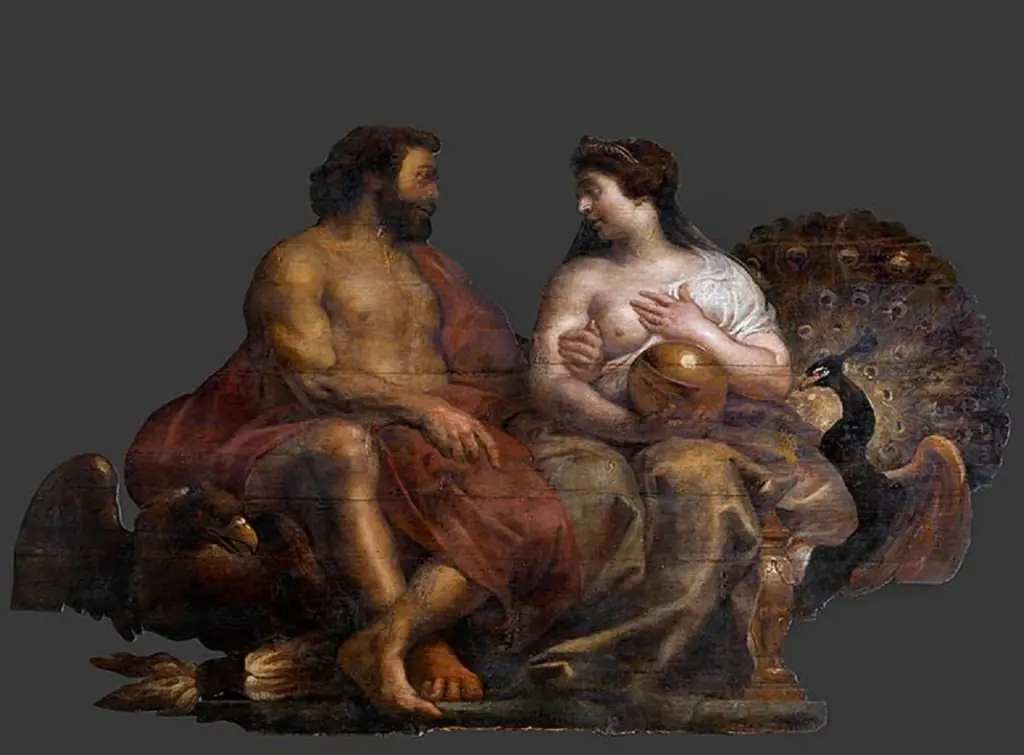 Jupiter and Juno
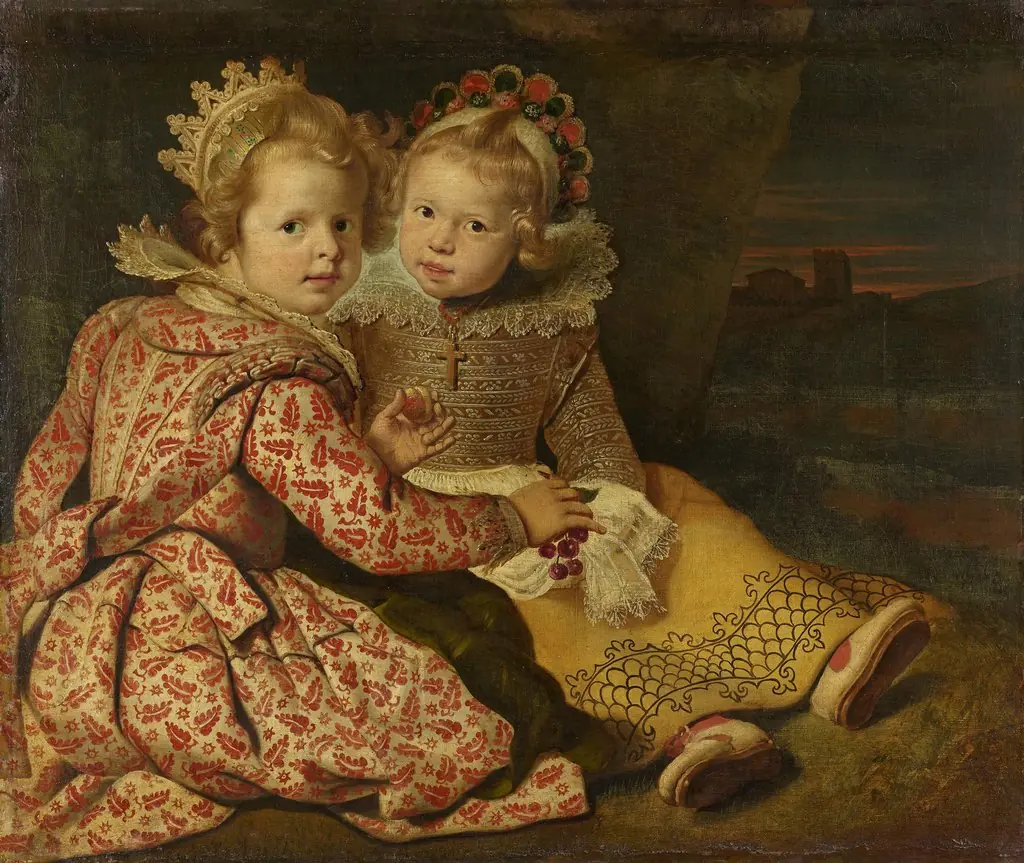 Magdalena and Jan-Baptist de Vos, Children of the Painter
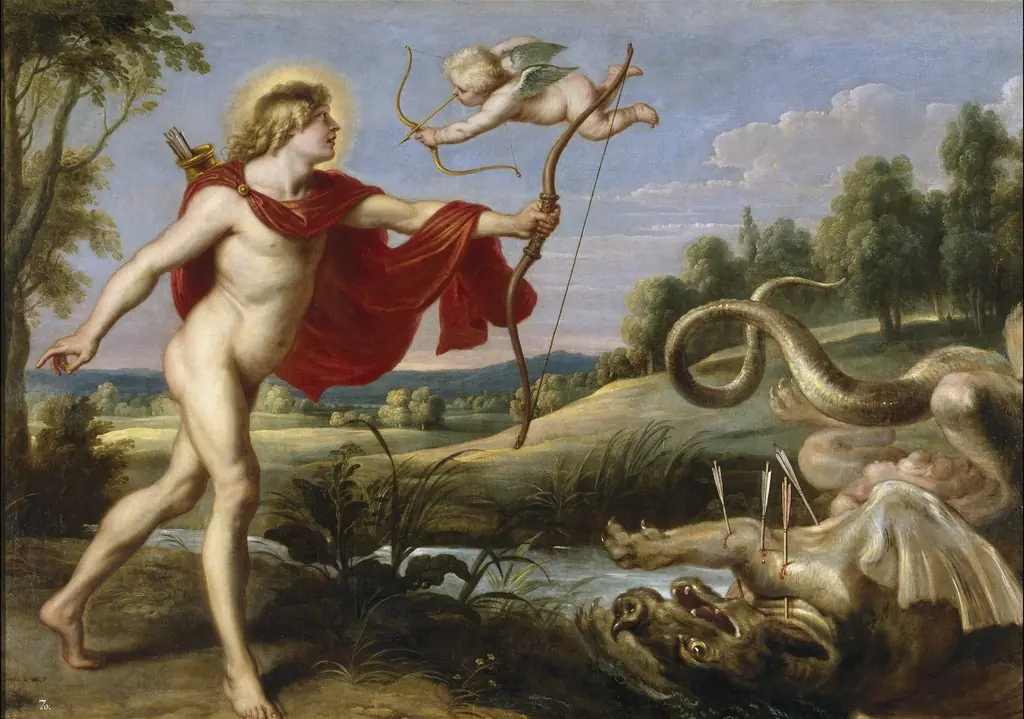 Apollo and the Python