Artwork
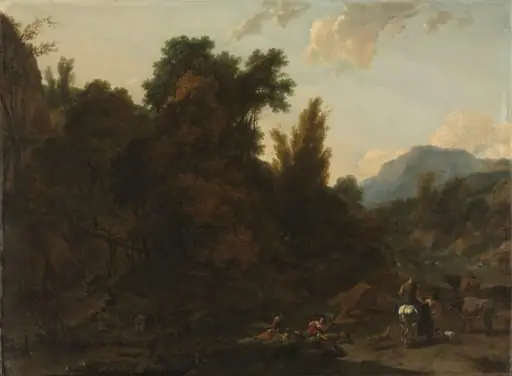
Italian Wooded Landscape with Cattle Pond
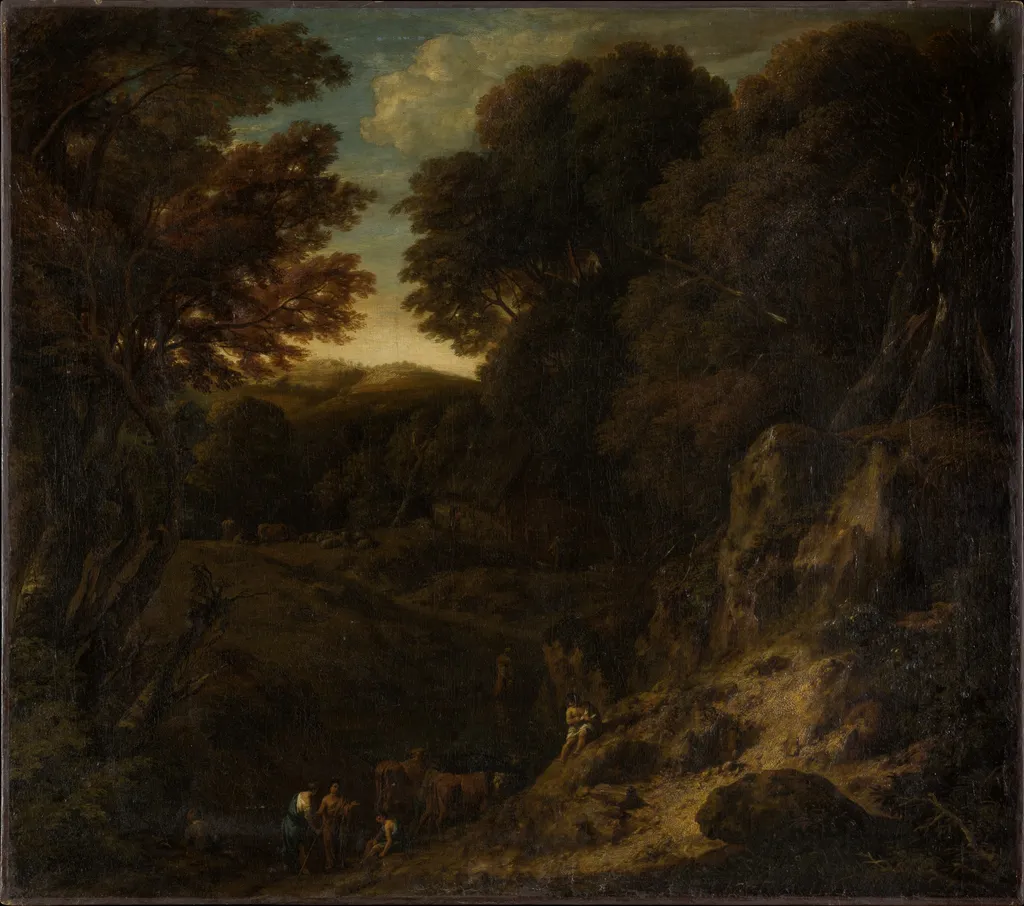
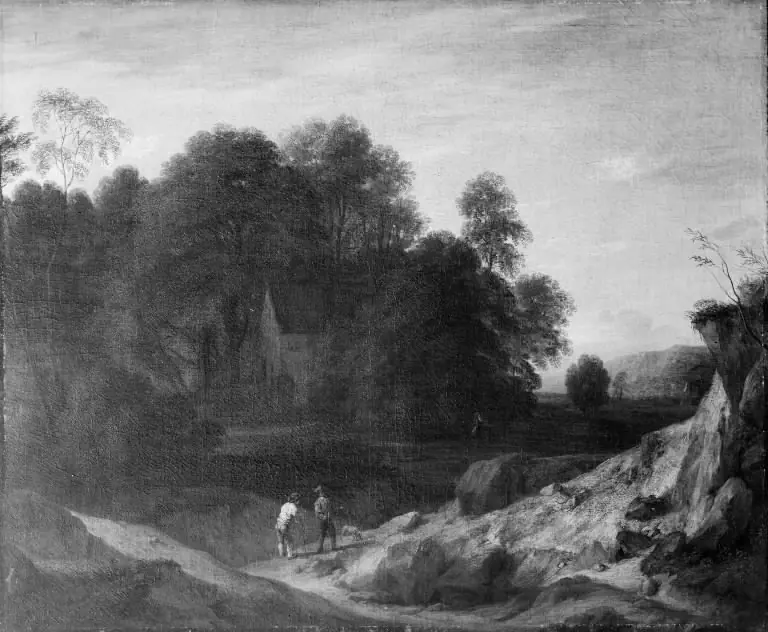
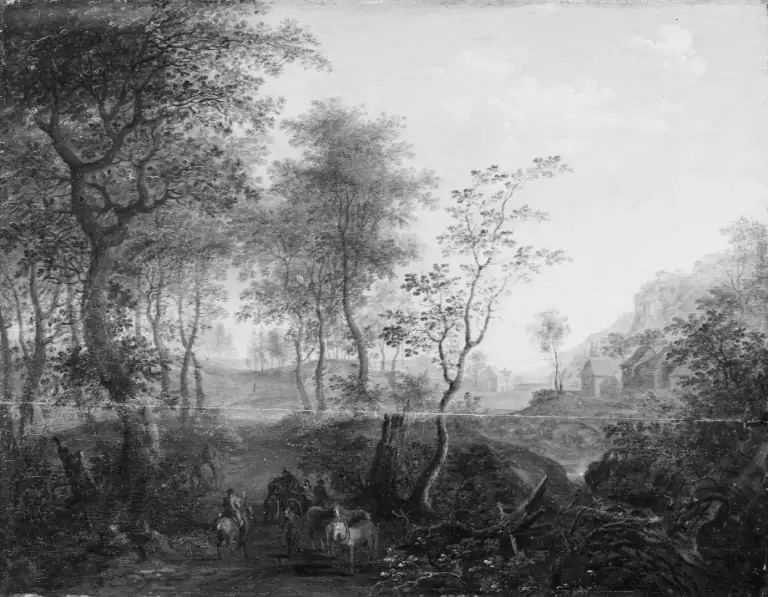
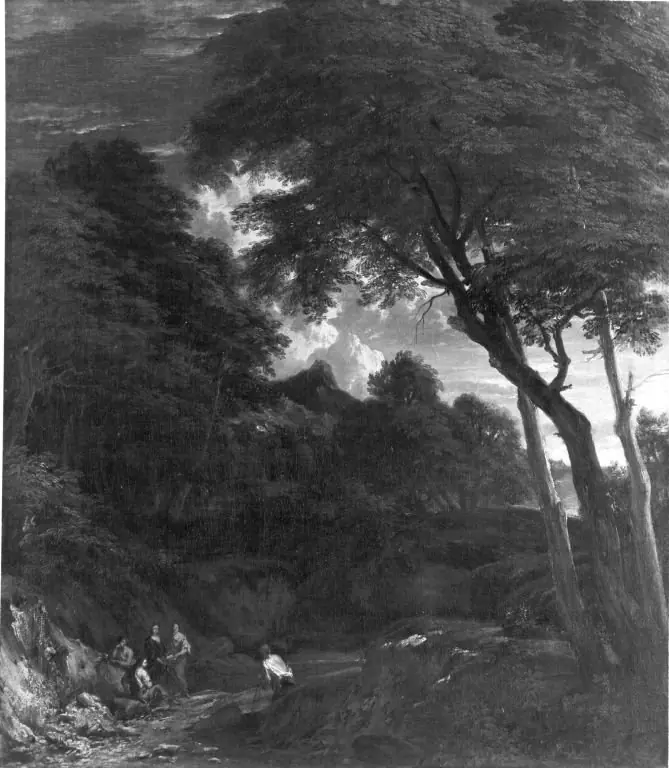
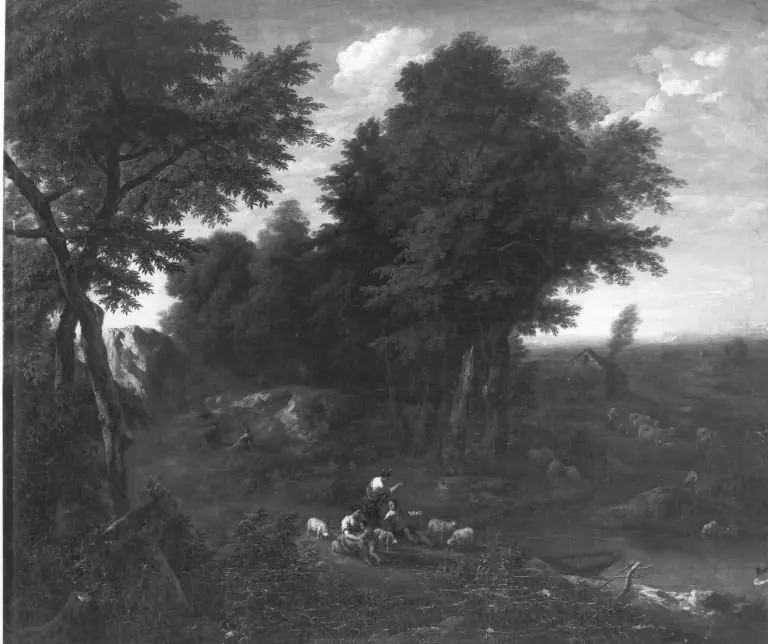
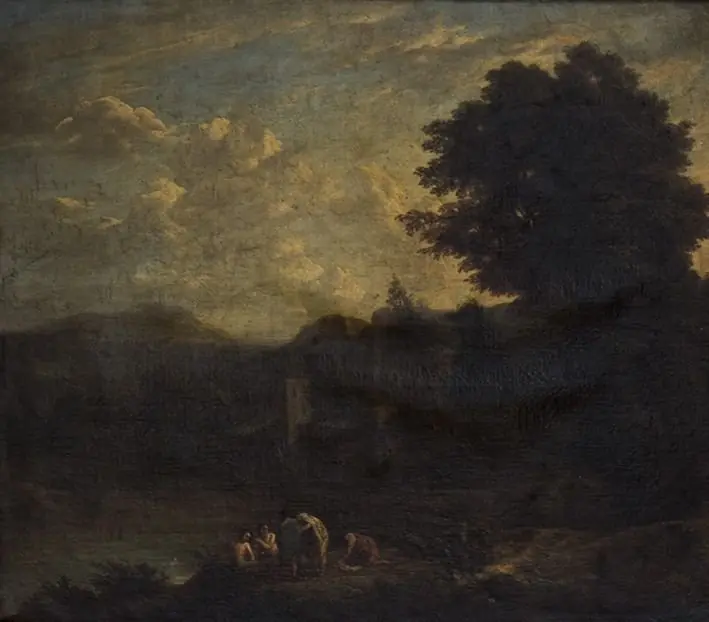
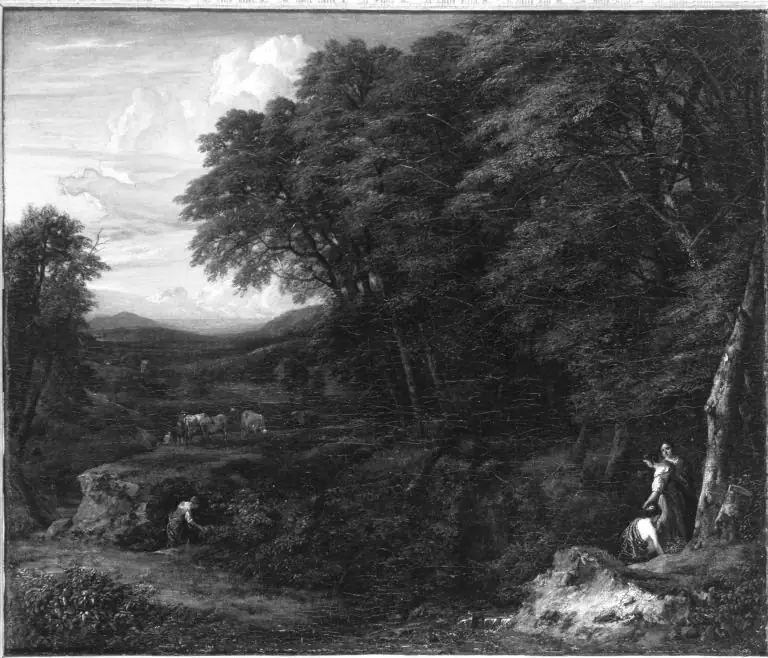
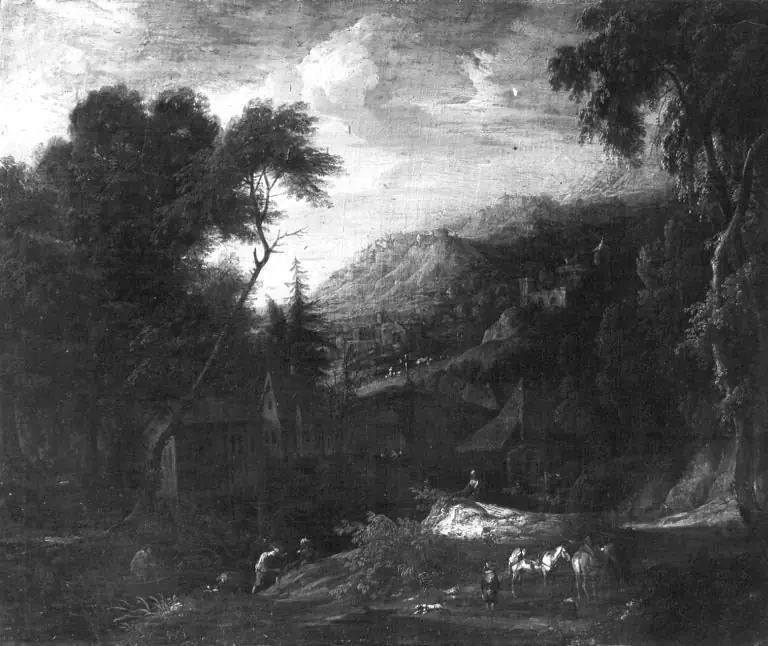
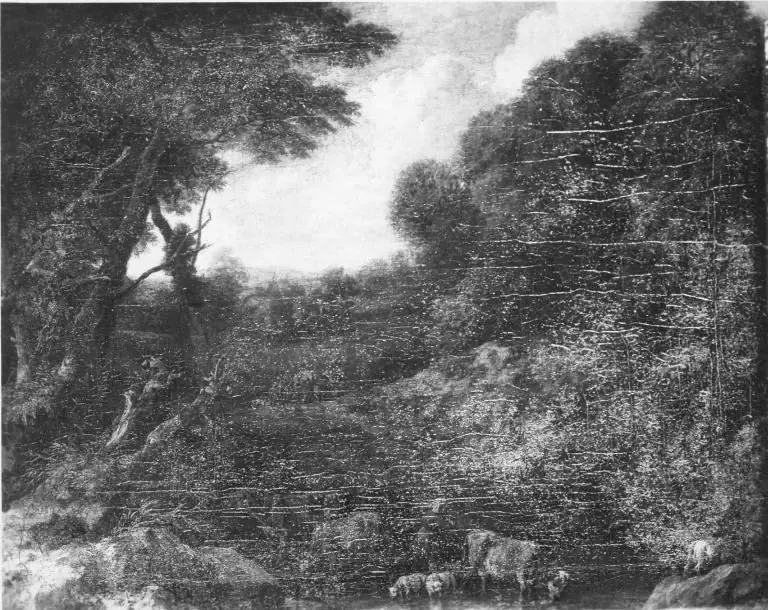
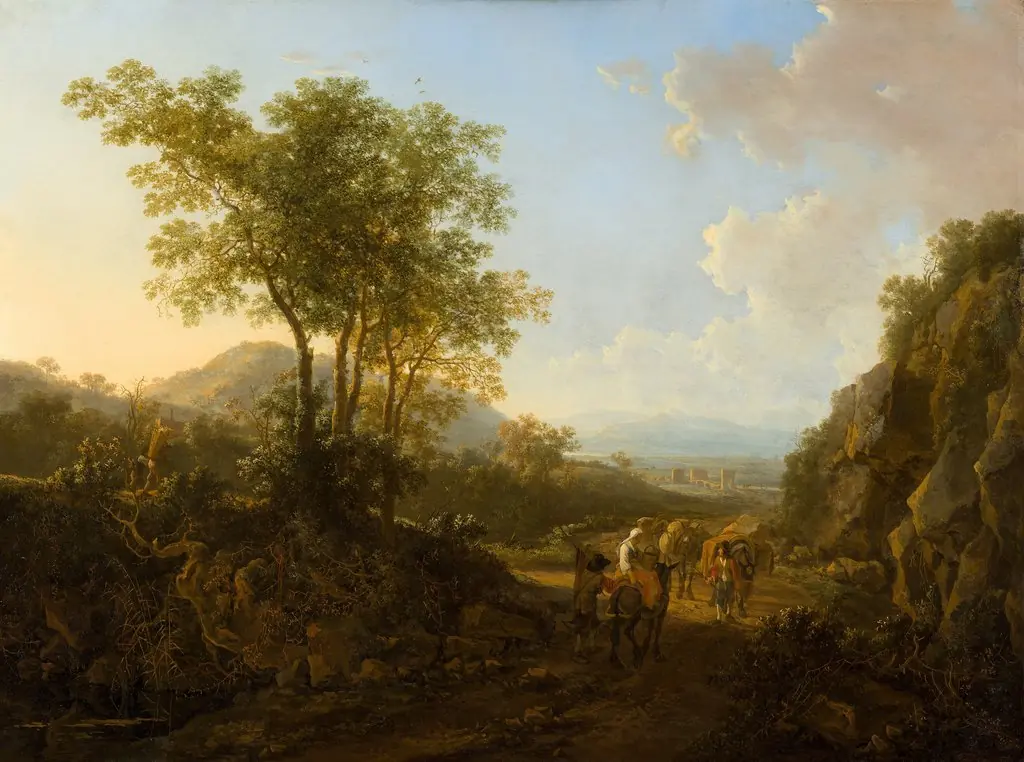
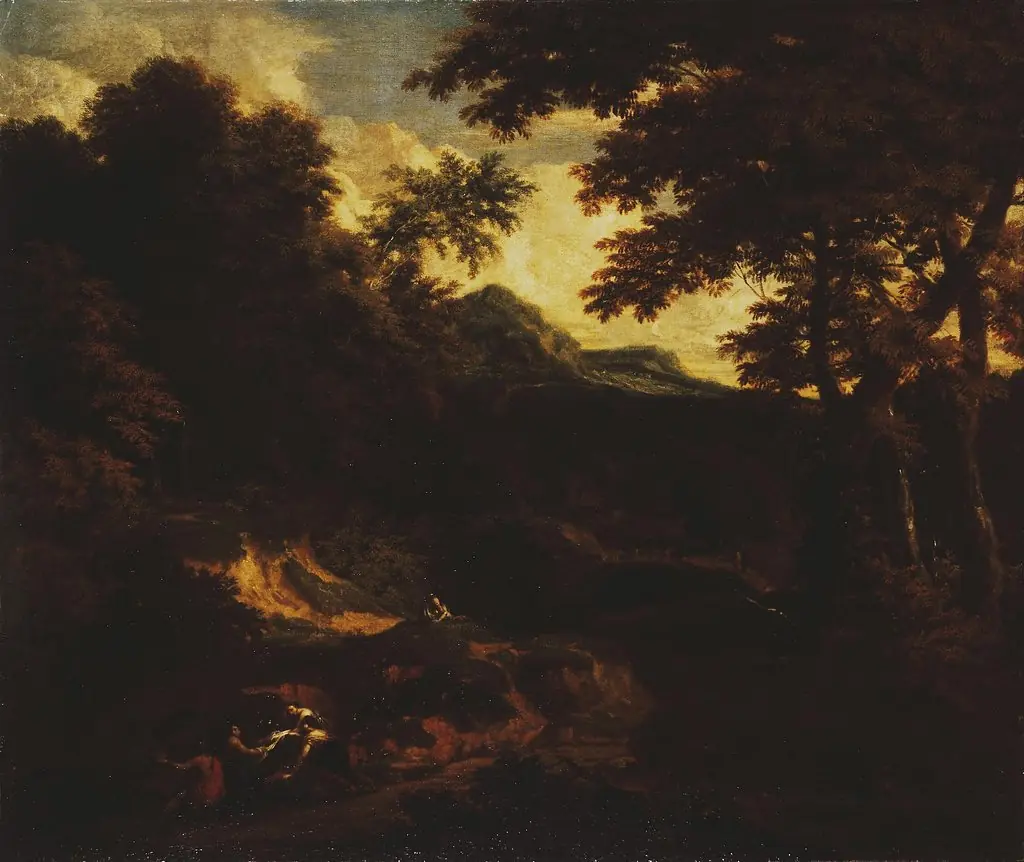
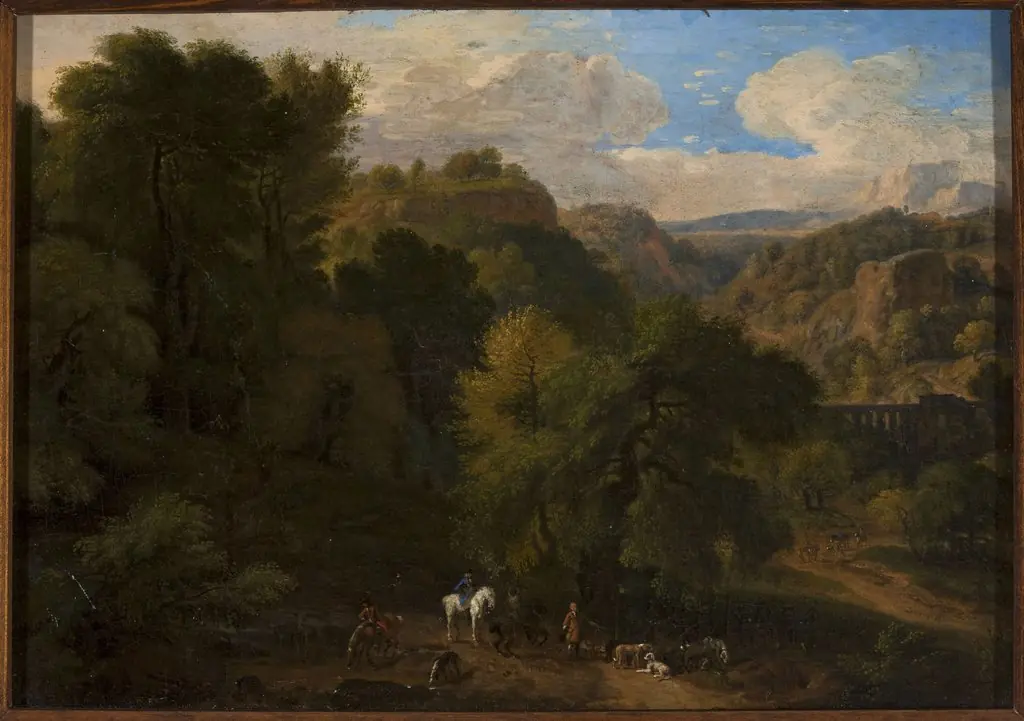
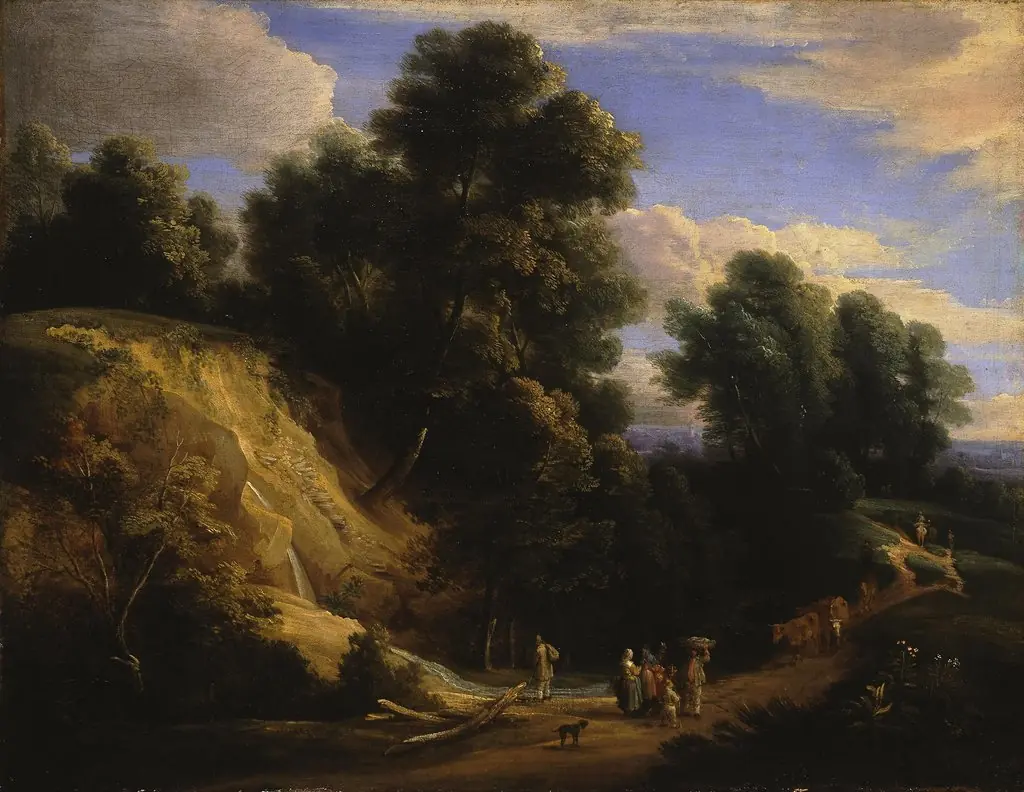
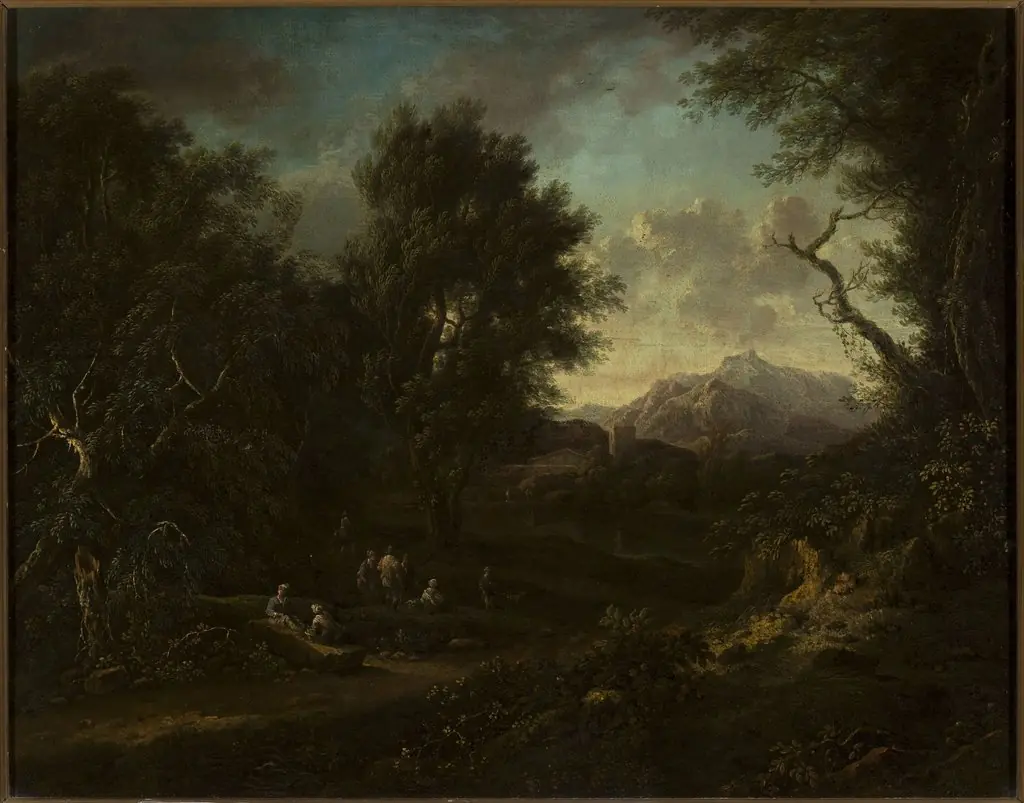
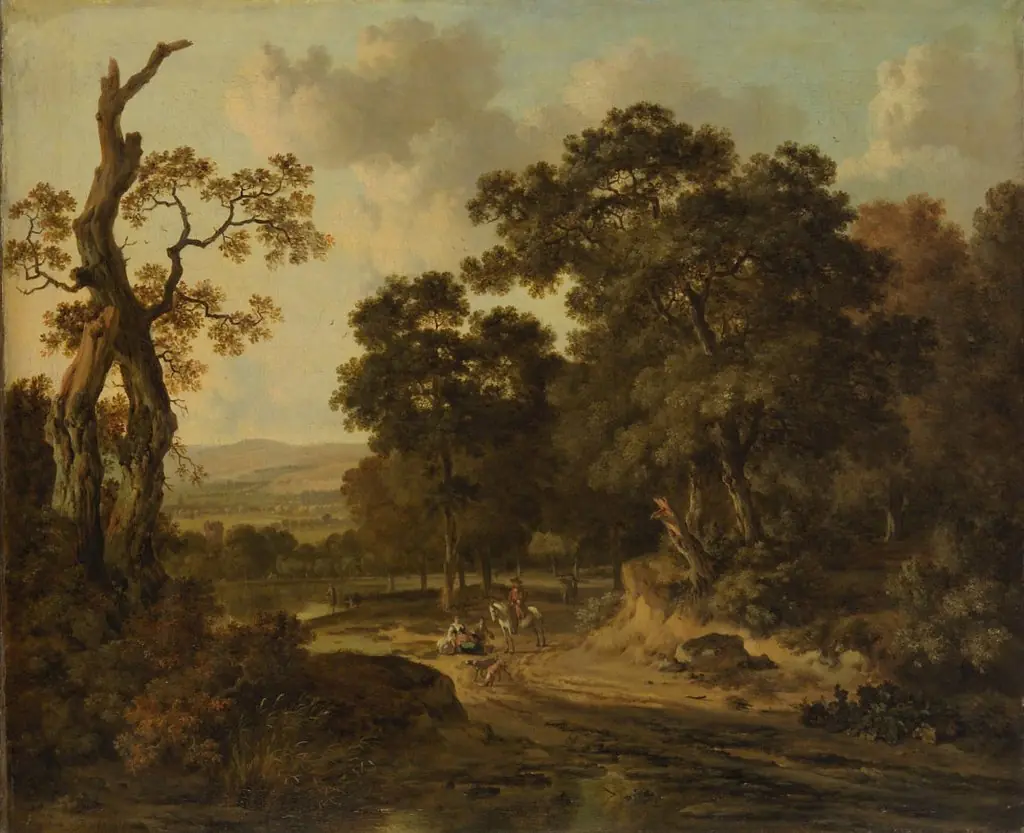
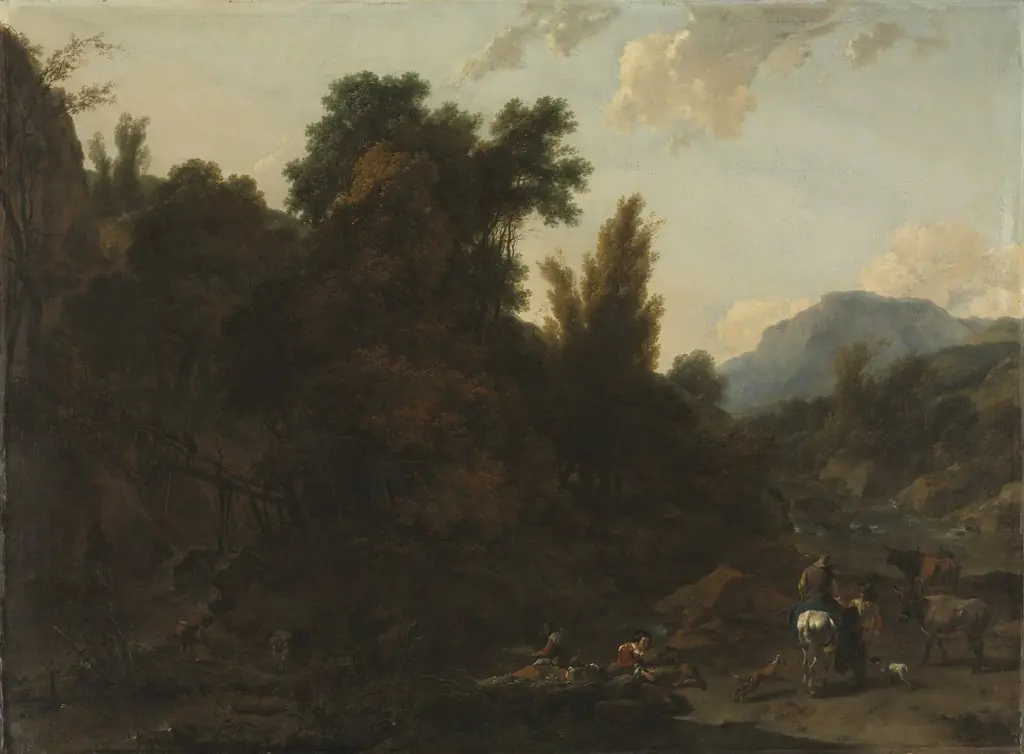
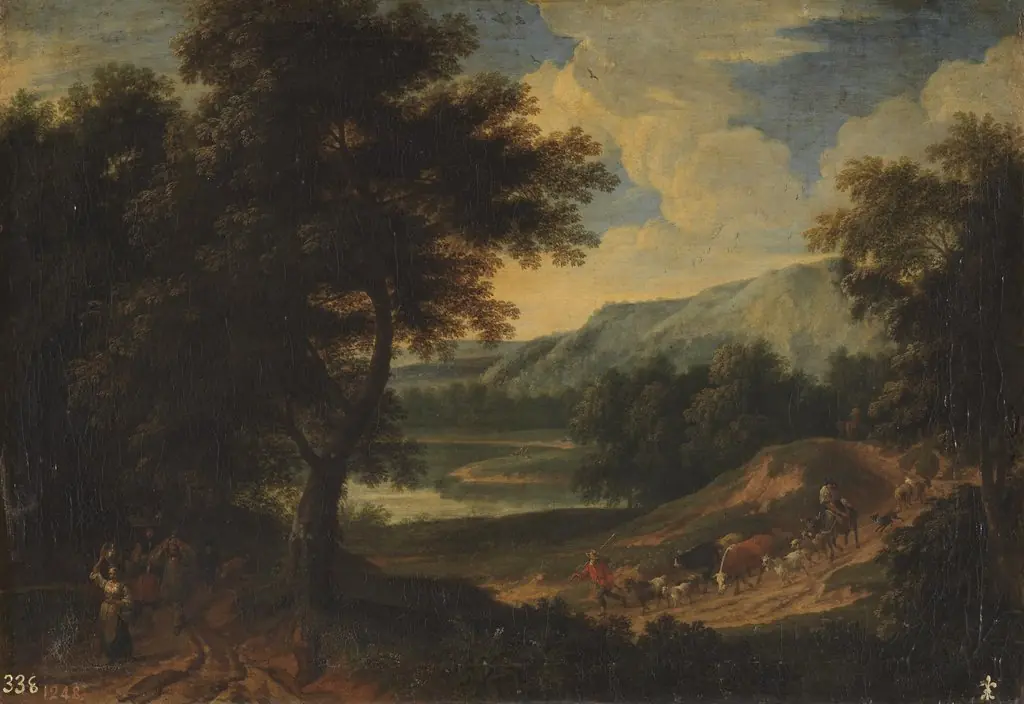
Italian Wooded Landscape with Cattle Pond is an oil painting by the Dutch Golden Age artist Cornelis Huysmans. It dates from 1702 and is held in the collection of the Städel Museum.
About this work
Overview
The scene centers on a quiet pond surrounded by trees and grazing cattle, framed by distant hills and a soft, cloud-dappled sky.
Painted in 1702 by the Flemish artist Cornelis Huysmans, this oil on canvas depicts an idealized Italianate landscape. Though Huysmans was based in the Low Countries, his work reflects a romanticized vision of southern Europe, common among Northern European painters of the period. The scene centers on a quiet pond surrounded by trees and grazing cattle, framed by distant hills and a soft, cloud-dappled sky.
Subject & Meaning
The painting presents a tranquil rural scene, with figures resting near the water and cattle dispersed across the foreground. These elements evoke a sense of peaceful coexistence between humans, animals, and nature. The composition avoids narrative drama, instead emphasizing stillness and harmony. Such imagery aligned with contemporary tastes for serene, contemplative landscapes that offered an escape from urban life.
Technique & Style
Huysmans employed a refined, atmospheric technique with layered glazes to achieve subtle shifts in light and depth. His brushwork is precise yet unobtrusive, allowing naturalistic details—like the texture of bark or the reflection of clouds on water—to emerge softly. The influence of Nicolas Poussin is evident in the balanced structure and classical restraint, while the lush foliage recalls the compositional habits of Jacques d'Arthois.
History & Provenance
Created during the final years of Huysmans’s career, the painting entered the Städel Museum’s collection in the 19th century. It was likely acquired as part of a broader interest in Dutch and Flemish landscape traditions. The work has remained in institutional hands since, with no documented private ownership after its initial circulation among collectors in the Low Countries and Germany.
Context
In early 18th-century Flanders, landscape painting remained popular despite shifting artistic trends. Artists like Huysmans catered to patrons who favored idealized, exoticized views of Italy—real or imagined—as symbols of cultural refinement. These pseudo-Italian scenes were not topographical but poetic, blending observed elements with imaginative reconstruction to satisfy a longing for classical serenity.
Legacy
Huysmans’s landscapes, including this one, represent a transitional phase in Northern European art, bridging the detailed realism of the Dutch Golden Age with the emerging preference for idealized nature. While not widely celebrated in his time, his works contributed to the persistence of the Italianate landscape tradition into the 18th century, influencing later regional painters who sought to merge naturalism with poetic atmosphere.
Artist & collection
Artist
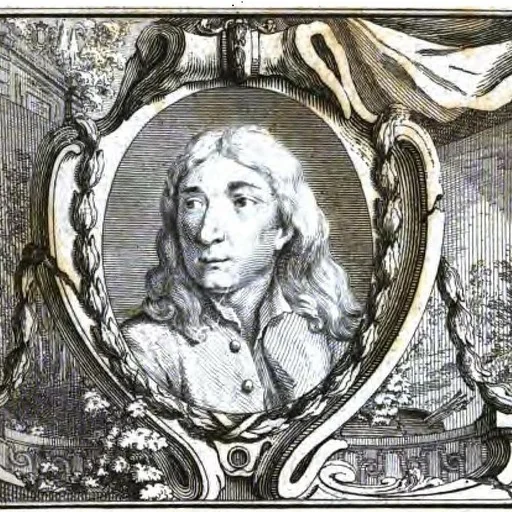
Cornelis Huysmans (baptized 2 April 1648 in Antwerp; died 1 June 1727 in Mechelen) was a Flemish landscape painter who was active in Antwerp, Brussels and Mechelen.