Artwork
Portrait of Josina Jansdr. de Carpentier (1601-34)
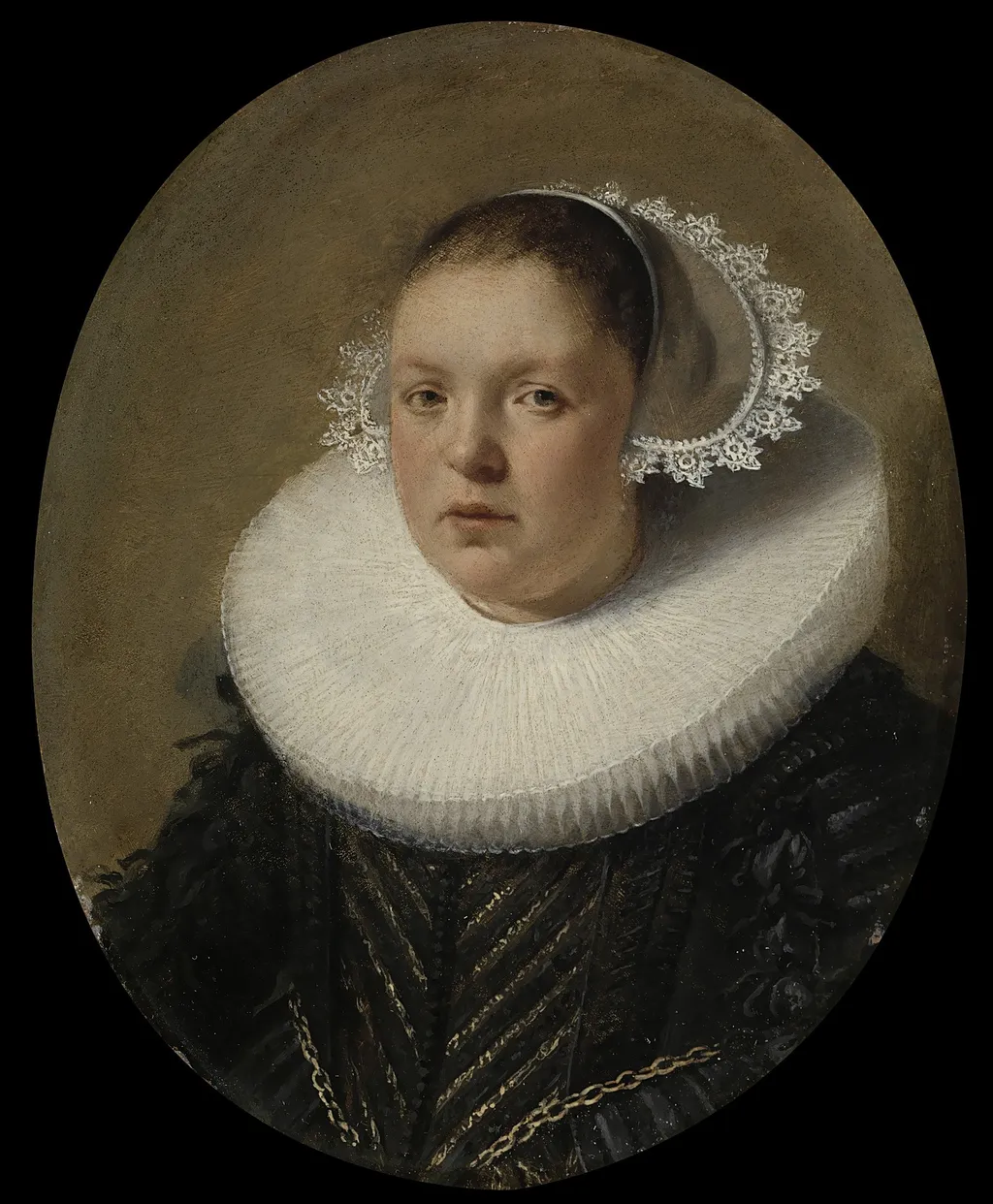
Portrait of Josina Jansdr. de Carpentier (1601-34) is an oil painting by the Dutch Golden Age artist Cornelius van Poelenburgh. It dates from 1632 and is held in the collection of the Rijksmuseum.
About this work
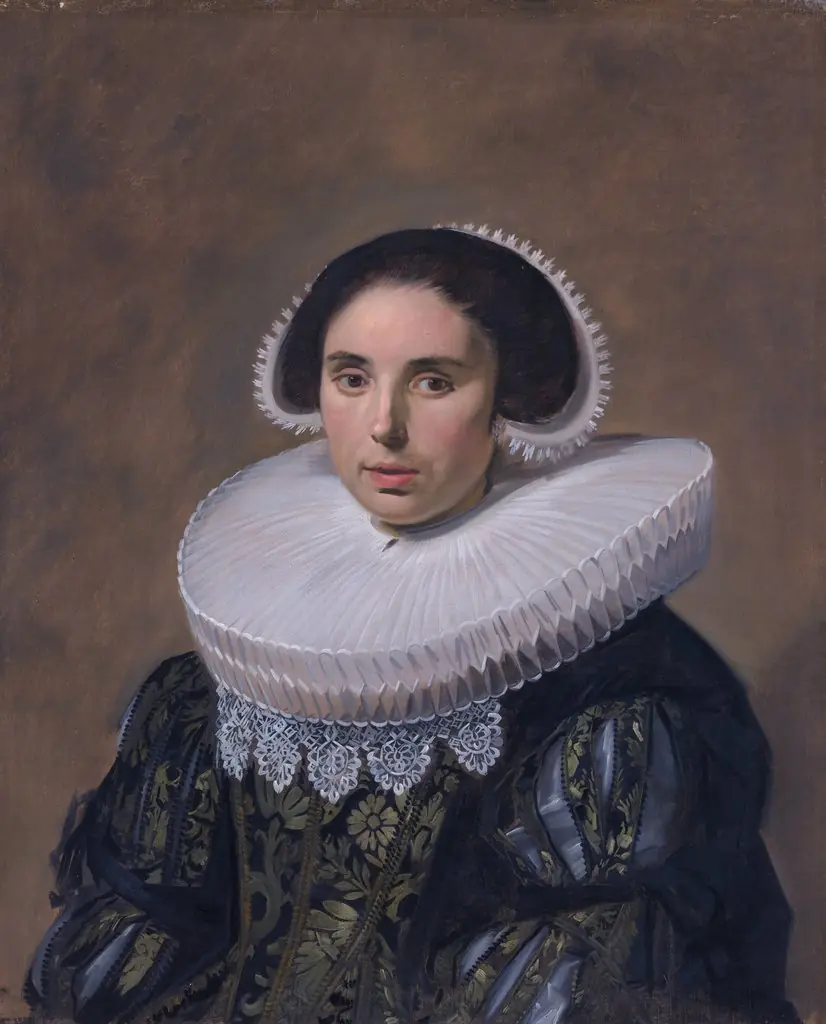
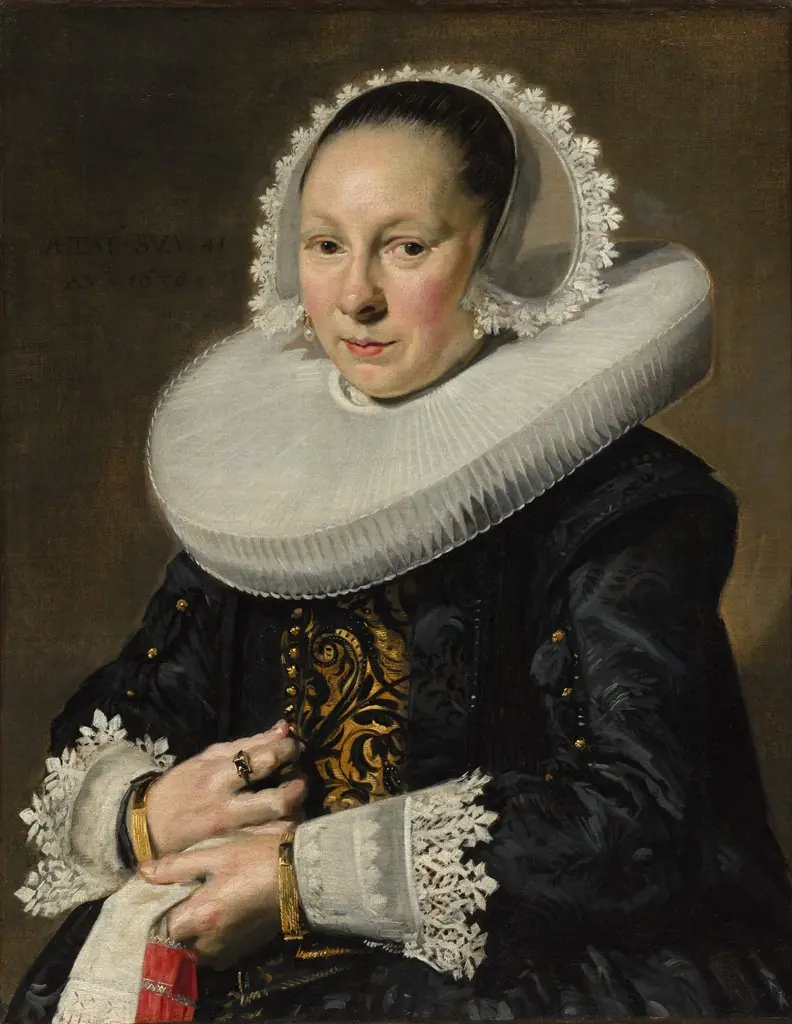
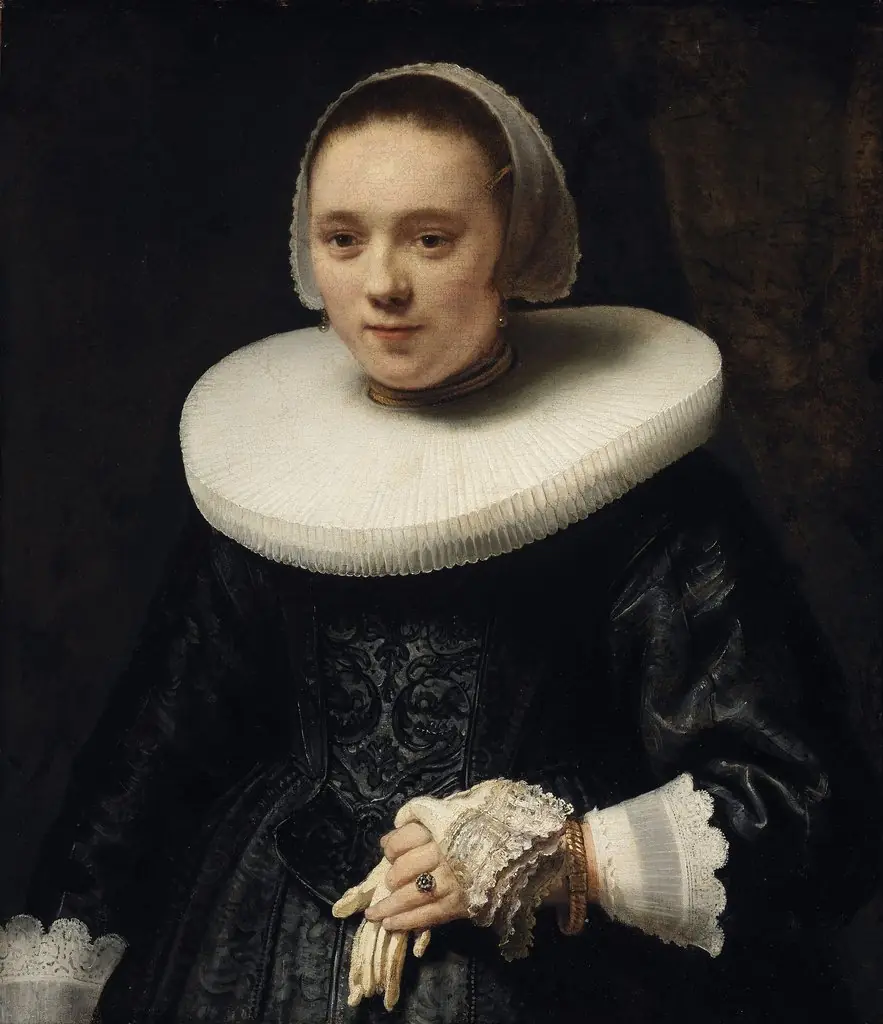
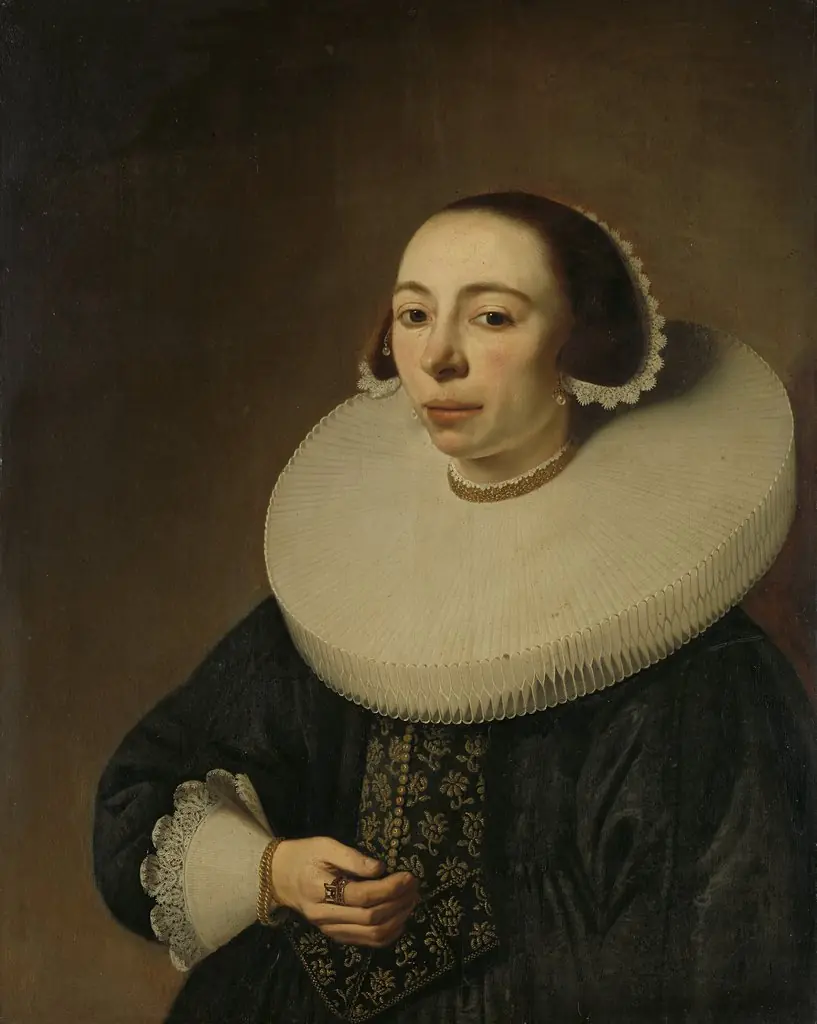
This portrait depicts a woman with dark hair, dressed in a black gown with a white lace collar and a black headpiece adorned with white lace.
This portrait depicts a woman with dark hair, dressed in a black gown with a white lace collar and a black headpiece adorned with white lace. The background of the painting is a muted brown color.
The subject's attire and the style of the painting suggest a formal portrait from the 17th century. The level of detail in the subject's clothing and the background indicates a high level of craftsmanship.
To learn more about the artist behind this work, look up Cornelius van Poelenburgh.
Overview
Executed in 1632, this small copper panel presents a seated woman rendered in the restrained palette of early‑17th‑century Dutch portraiture. The sitter, identified as Josina Jansdr. de Carpentier (1601–1634), is shown in a black gown trimmed with white lace, her dark hair gathered beneath a modest lace‑adorned headpiece. The muted brown ground provides a subdued backdrop that emphasizes the figure’s attire and expression.
Subject & Meaning
Josina is portrayed with a calm, composed demeanor typical of formal commissions for women of respectable standing. The contrast between the dark fabric and the delicate white lace highlights both modesty and refinement, suggesting her social position and the expectations of decorum for a married or unmarried woman of the Dutch bourgeoisie.
Technique & Style
Painted on copper, the work benefits from the smooth surface that allows fine, precise brushwork. Van Poelenburgh applies thin layers of oil to achieve subtle tonal variations, especially in the lace detailing and the soft modeling of the face. The restrained color scheme and careful rendering align with the Dutch Golden Age’s emphasis on realism and material texture.
History & Provenance
The portrait was created by Cornelius van Poelenburgh, a Dutch painter better known for his Italianate landscapes, during his Roman period. After changing hands over the centuries, the panel entered the Rijksmuseum’s collection, where it remains accessible to scholars and the public as part of the museum’s Dutch Golden Age holdings.
Context
In the early 1630s, Dutch portraiture often served to document family lineage and social status. While van Poelenburgh’s reputation rested on small, lyrical landscapes, this portrait demonstrates his versatility in handling intimate, single‑figure compositions, reflecting the broader demand for personalized likenesses among the prosperous mercantile class of the Netherlands.
Artist & collection
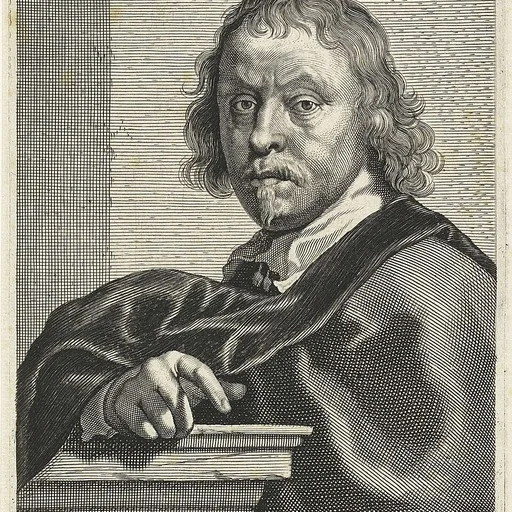
Artist
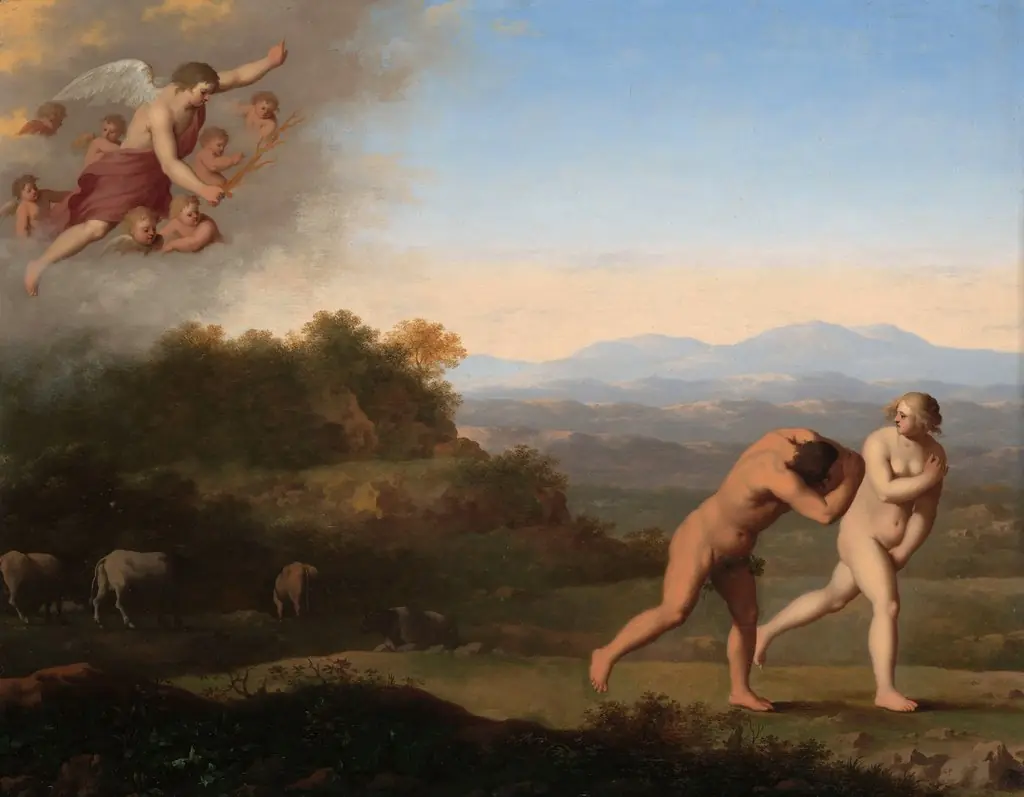
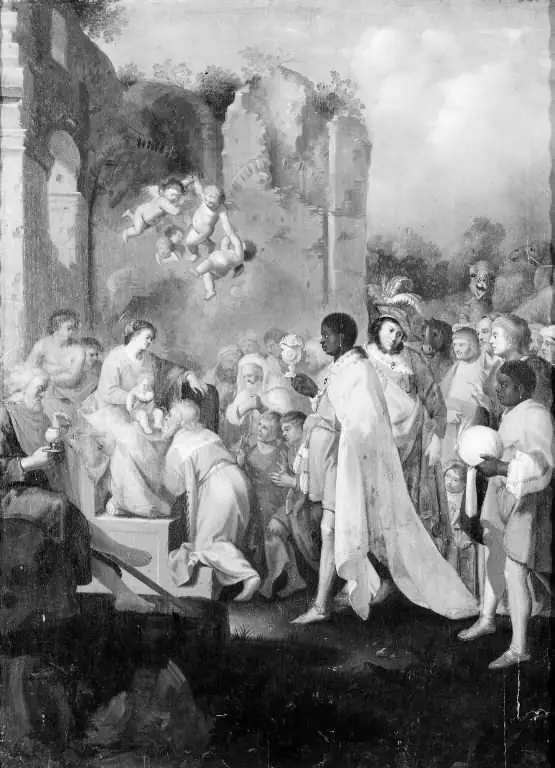
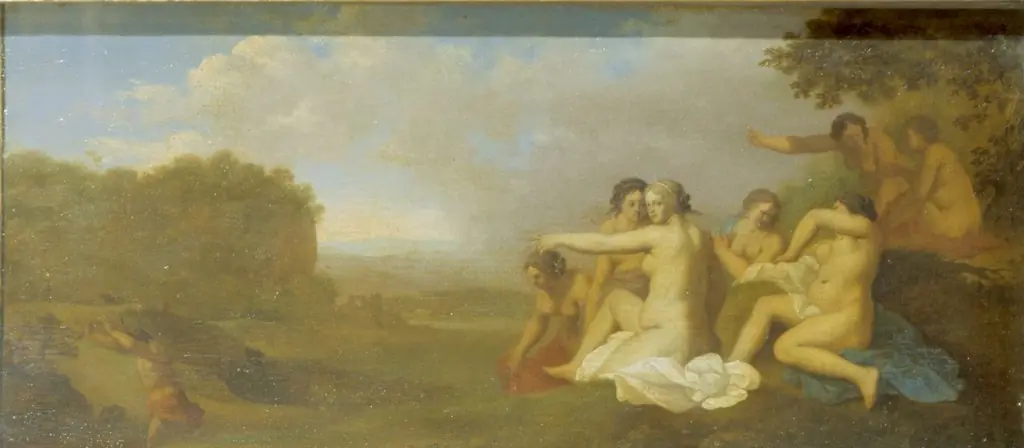
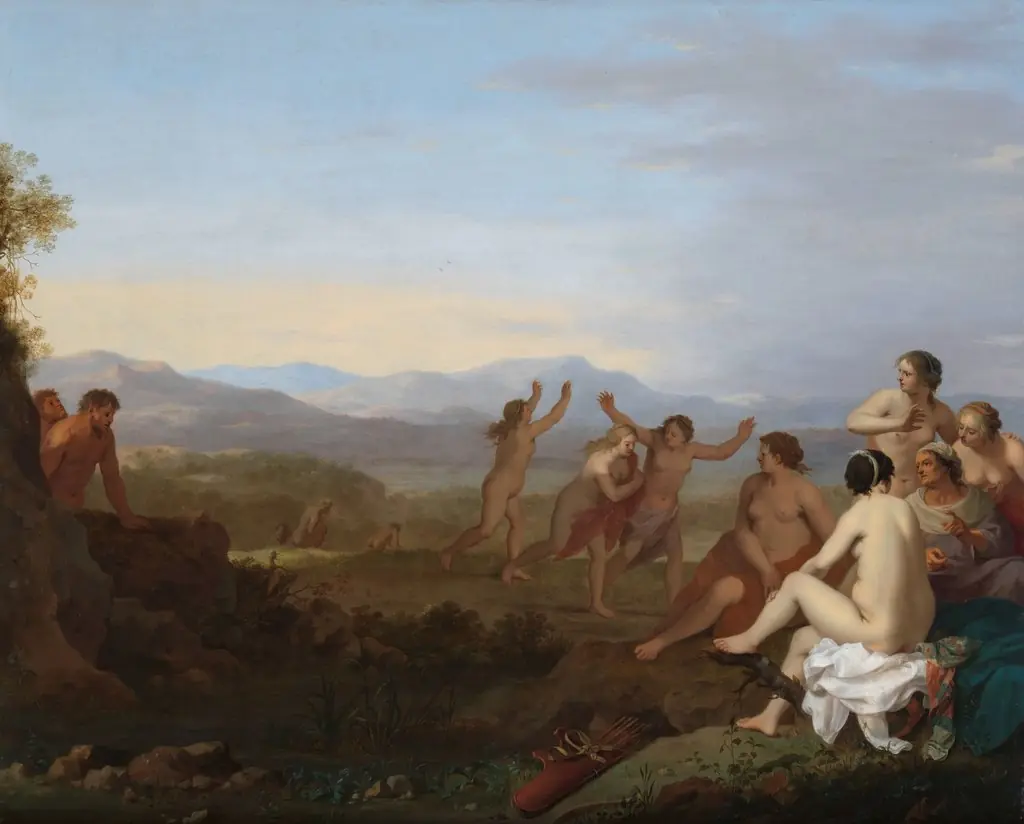
Cornelis van Poelenburgh or Cornelis van Poelenburch (1594 – 12 August 1667), was a Dutch landscape painter and draughtsman.