Artwork
Llug Meadows, near Hereford
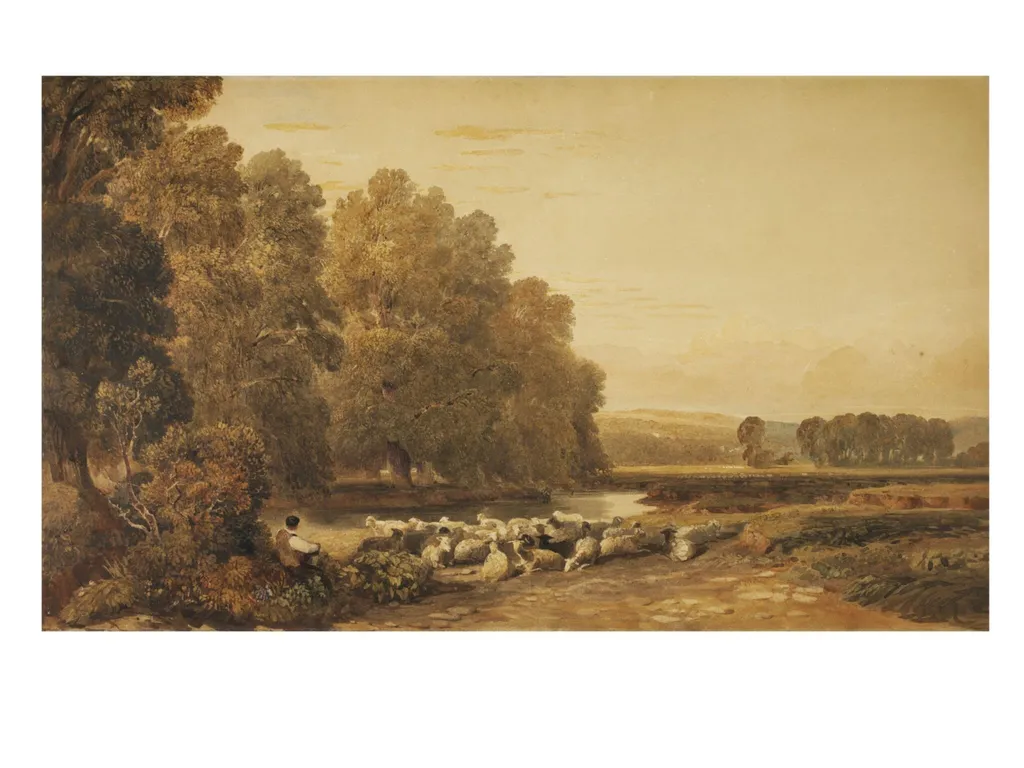
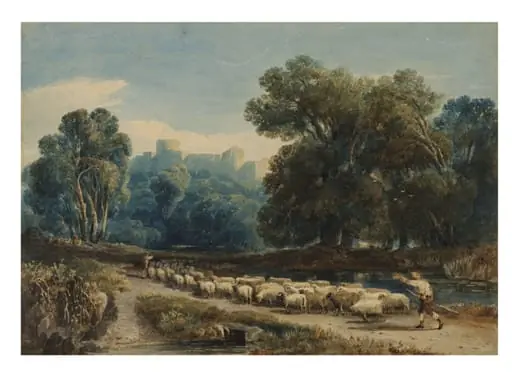
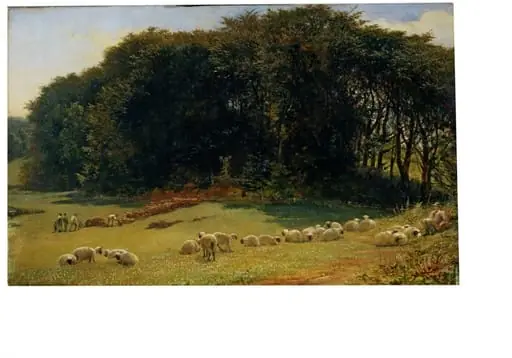
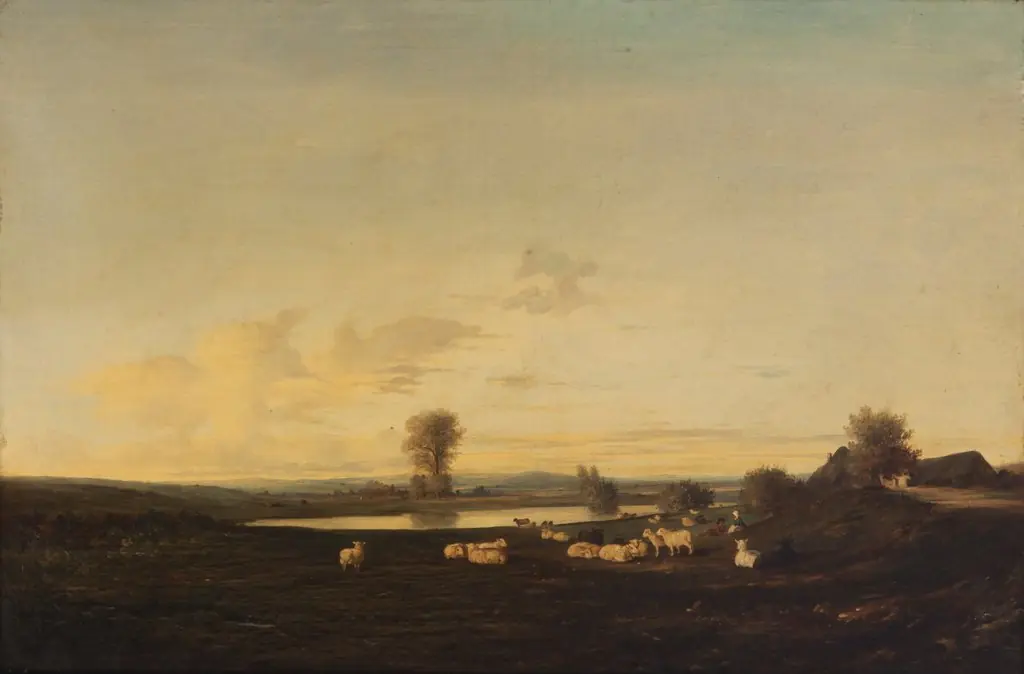
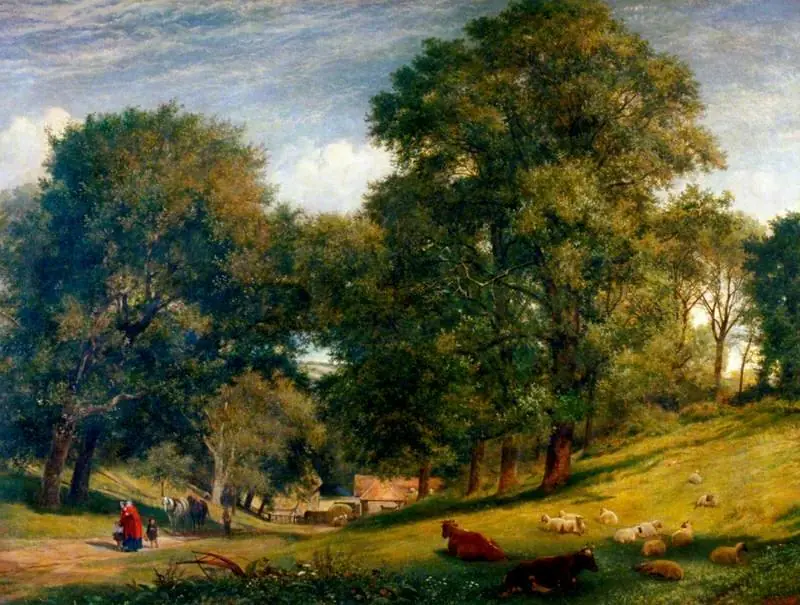
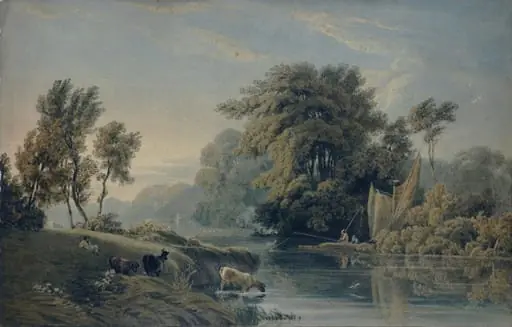
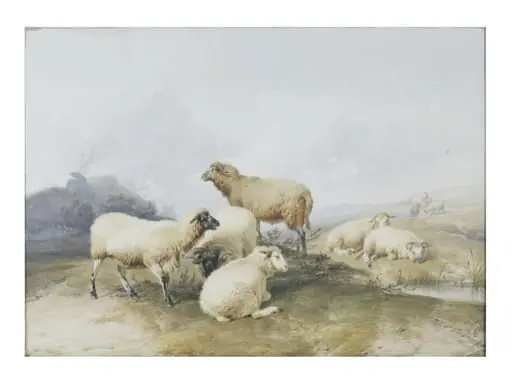
Llug Meadows, near Hereford is a watercolor work on paper by the Romanticist artist David Cox. It dates from 1800 and is held in the collection of the Victoria and Albert Museum.
About this work
Overview
Its delicate washes and restrained palette reflect Cox’s early mastery of the medium, emphasizing natural light and atmospheric tone over detailed rendering.
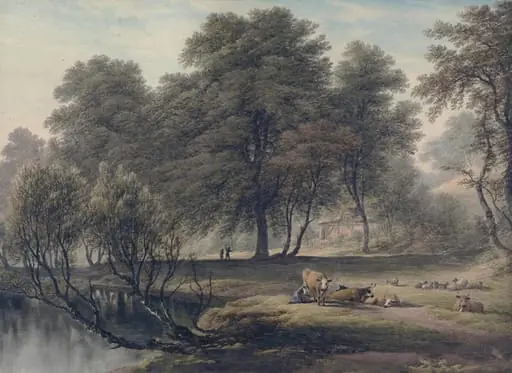
David Cox the Elder painted *Llug Meadows, near Hereford* in 1800 using watercolour on paper. The work captures a quiet rural scene along the River Llug, situated in the Welsh borderlands. Its delicate washes and restrained palette reflect Cox’s early mastery of the medium, emphasizing natural light and atmospheric tone over detailed rendering. The composition balances open fields with dense foliage, guiding the viewer’s eye along the river’s curve.
Subject & Meaning
The painting depicts a pastoral moment: a small flock of sheep grazes near the water’s edge, tended by a solitary shepherd in modest attire. There is no narrative drama—only the quiet rhythm of daily rural life. The absence of human activity beyond the shepherd underscores a sense of harmony between people and land. This understated focus on ordinary rural existence aligns with early Romantic sensibilities, valuing stillness and natural order.
Technique & Style
Cox employed transparent watercolour washes to build subtle gradations of light and texture. The sky and river are rendered with loose, wet-on-wet techniques, creating a hazy, luminous effect. Tree foliage is suggested through layered greens and browns, while the sheep and shepherd are simplified into soft silhouettes. His approach avoids sharp outlines, favoring atmospheric suggestion—a hallmark of his evolving style that would later influence British landscape painting.
History & Provenance
Created during Cox’s formative years, the work likely originated from sketching trips in Herefordshire, a region he frequently visited. It remained in private hands for much of the 19th century, with no major public exhibition record until the 20th century. Its survival in relatively intact condition is notable, given the fragility of watercolours. The piece is now held in a public collection, though its exact acquisition history remains partially undocumented.
Context
In 1800, British landscape art was shifting from topographical precision toward emotional resonance. Cox’s work emerged alongside early Romantic ideals, rejecting idealized classical scenes in favor of observed, unembellished nature. While contemporaries like Turner explored grandeur, Cox focused on modest, local settings. This painting reflects a growing interest in regional landscapes and the dignity of rural labor, themes gaining traction among artists and patrons alike.
Legacy
Though lesser known than later Romantic figures, Cox’s watercolours laid groundwork for the British watercolour tradition. *Llug Meadows* exemplifies his early commitment to capturing light and atmosphere with economy and sensitivity. His influence extended to the Norwich School and later generations who valued direct observation over studio convention. This work stands as a quiet testament to his role in redefining landscape as a medium of personal, rather than merely documentary, expression.
Own this work as a print
Artist & collection
Artist
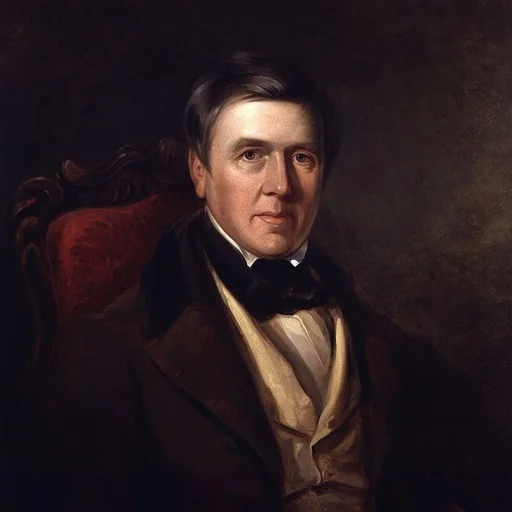
David Cox (29 April 1783 – 7 June 1859) was an English landscape painter, one of the most important members of the Birmingham School of landscape artists and an early precursor of Impressionism.

![Trees [verso], by David Cox](https://artifactworldgallery.com/img/david-cox--trees-verso--2f59ba73e183df09-w320.webp)
![Chatsworth [recto], by David Cox](https://artifactworldgallery.com/img/david-cox--chatsworth-recto--3f4d97adb21a8333-w320.webp)