Artwork
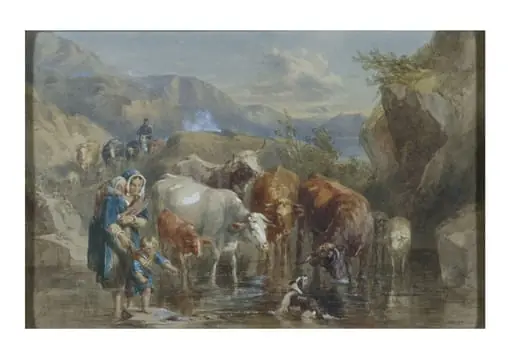
Highland drovers, near Inverary
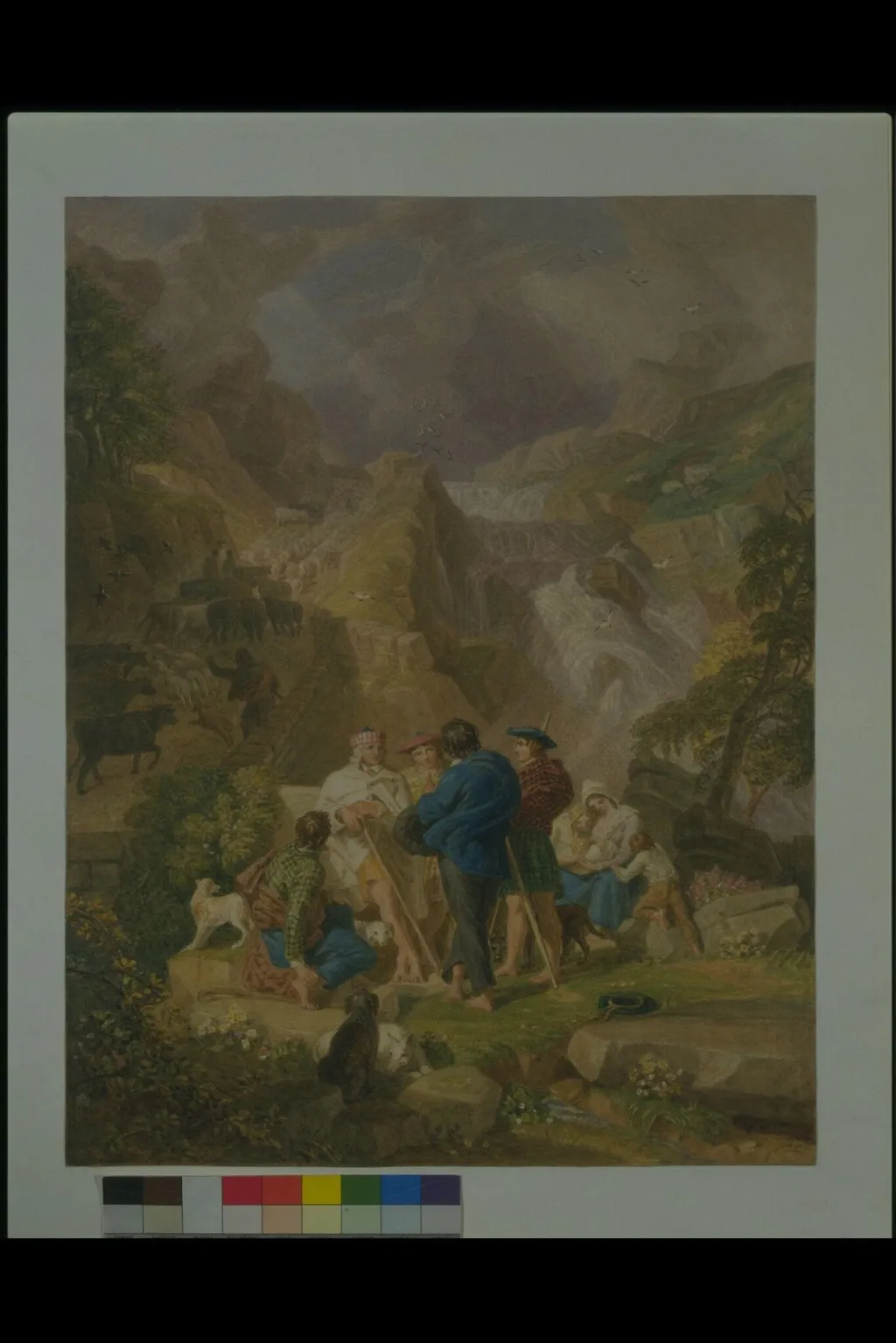
Highland drovers, near Inverary is a watercolor work on paper by the British Romanticist artist Cristall. It dates from 1790 and is held in the collection of the Victoria and Albert Museum. Created in 1790, this watercolour captures a quiet moment of cattle movement in the Scottish Highlands near Inveraray.
About this work
Overview
Created in 1790, this watercolour captures a quiet moment of cattle movement in the Scottish Highlands near Inveraray. Executed in transparent pigments on paper, the work reflects the genre of topographical observation common in late 18th-century British art. Its scale and medium suggest it was intended for private contemplation rather than public display, emphasizing intimacy over grandeur.
Subject & Meaning
Figures are arranged in relaxed postures—some seated, others standing with staffs—indicating rest rather than active herding.
The scene portrays Highland drovers and their cattle paused in a rugged landscape, likely during seasonal transhumance. Figures are arranged in relaxed postures—some seated, others standing with staffs—indicating rest rather than active herding. The inclusion of distinct clothing, such as red hats and blue garments, subtly signals regional identity without overt narrative, grounding the image in daily rural life.
Technique & Style
The artist employed delicate washes to render the uneven terrain and textured fabrics, using layered browns and greens to suggest natural depth. Accents of red and blue provide subtle contrast without disrupting the muted palette. Brushwork emphasizes the roughness of rock and wool, while the distant cliff and waterfall are rendered with soft edges, enhancing the sense of atmospheric space.
History & Provenance
The work is documented as dating from 1790, placing it within a period of growing interest in Scottish landscapes following the Union and the decline of clan systems. Its survival suggests it was preserved by a collector with ties to the region, though its early ownership remains unrecorded. It entered the Victoria and Albert Museum’s collection as part of a broader acquisition of British watercolours.
Context
In the late 1700s, travel to the Highlands became more feasible, inspiring artists to document its people and terrain. This image aligns with a shift from romanticized depictions toward quieter, observational realism. While not overtly political, it quietly records the persistence of traditional herding practices amid changing social structures.
Legacy
The painting contributes to a body of work that documented rural Scotland before industrialization transformed its landscapes. Its restrained composition and attention to detail influenced later topographical artists, offering a reference point for how everyday life in the Highlands was visually recorded during a period of transition.
Artist & collection
Artist
Cristall painted quiet watercolours of British landscapes and everyday life in the late 1700s to early 1800s.

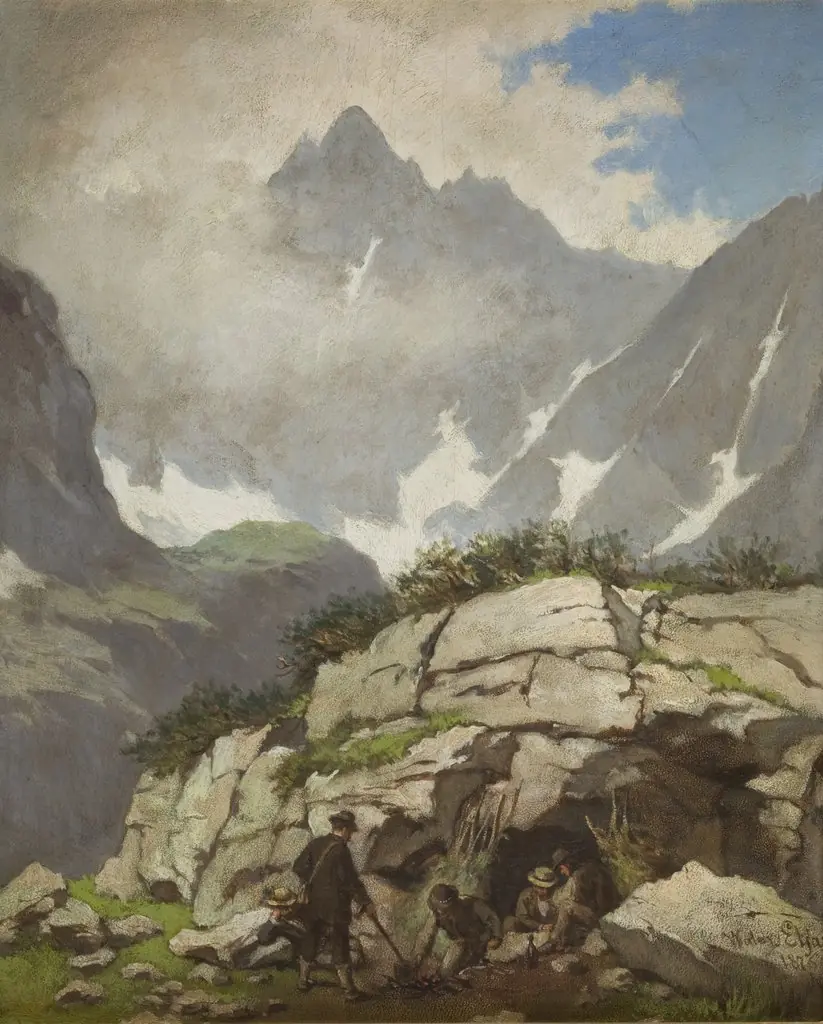 Rock Refuge of Reverend Stolarczyk in the Tatra Mountains
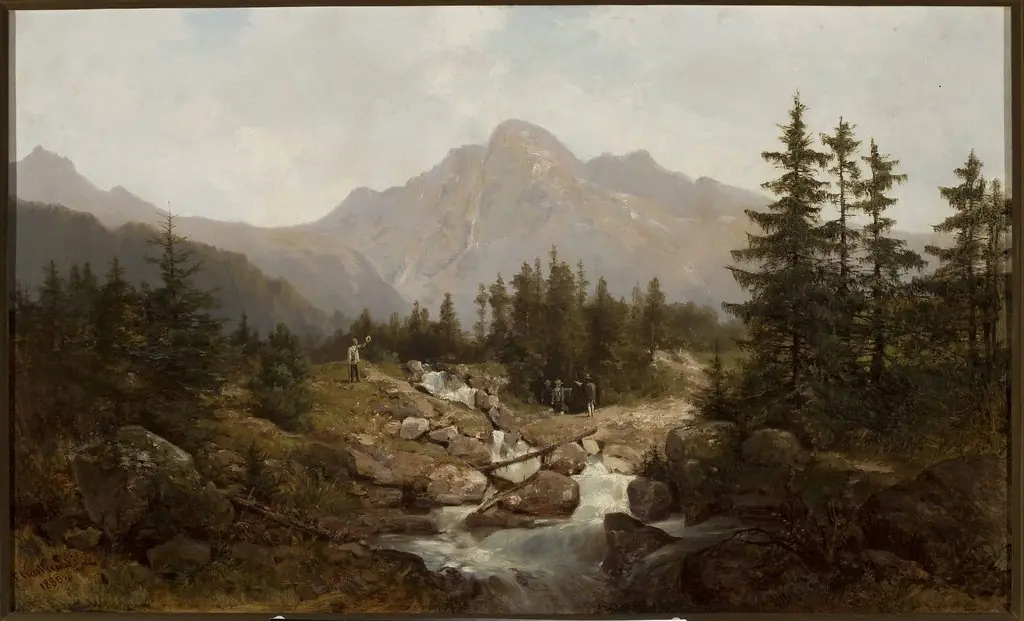 Tatra Mountain landscape
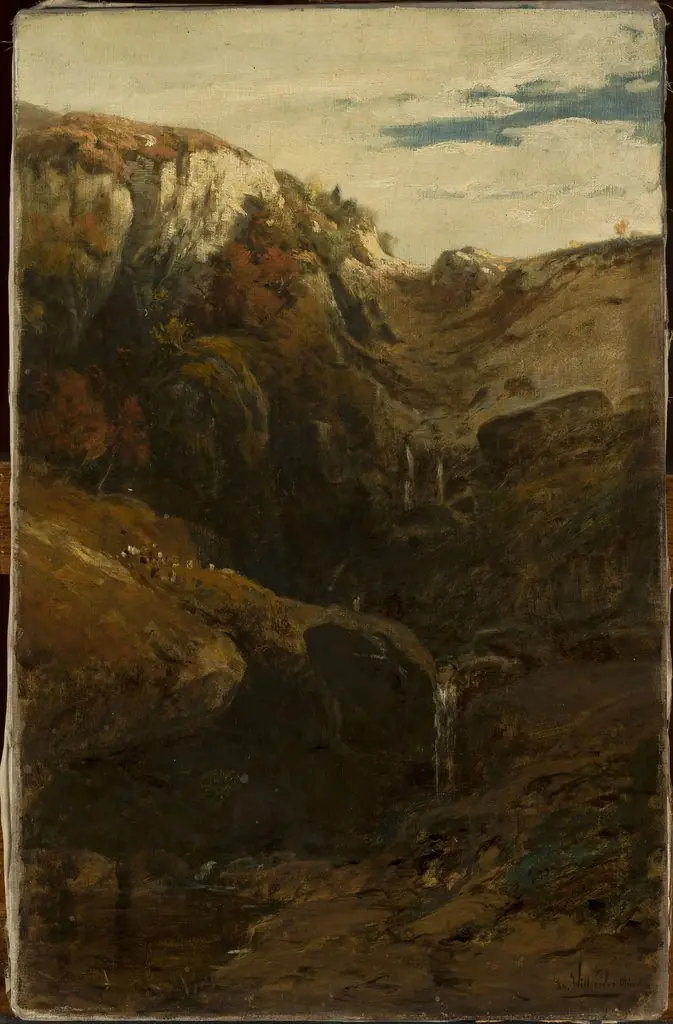 Waterfall
 Berglandschap in Tirol met gemzen
 Intrarea în Cheile Turzii
 Mount Pyszna in the Tatra Mountains
 The Bridge at Narni
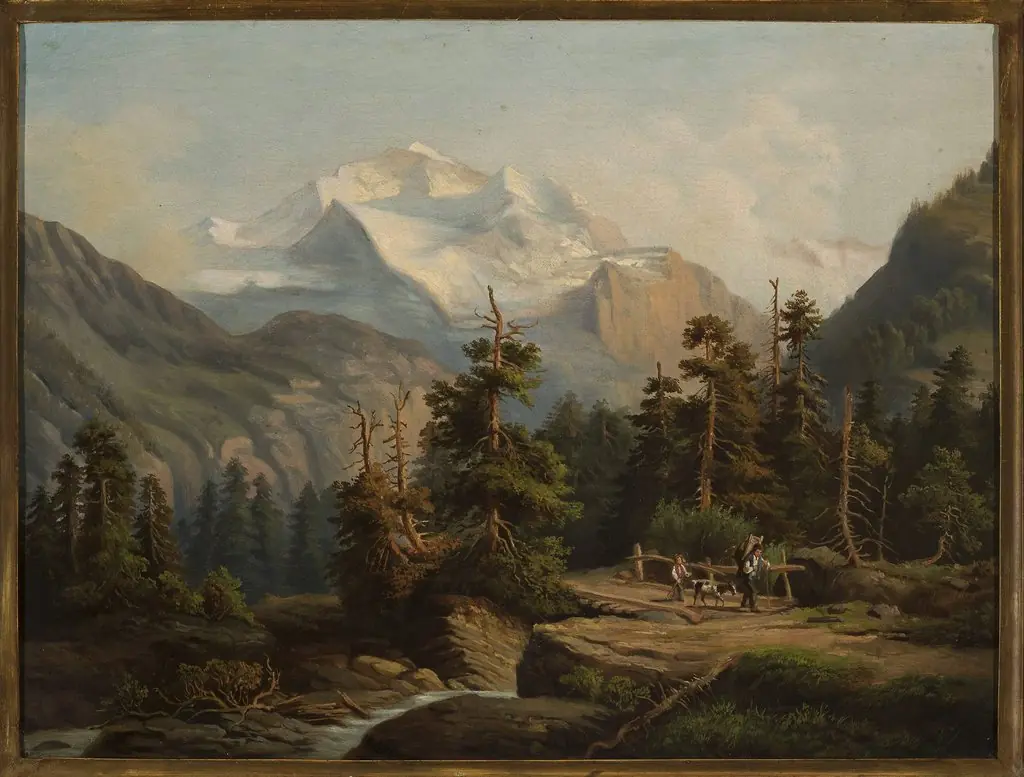 Mountain landscape
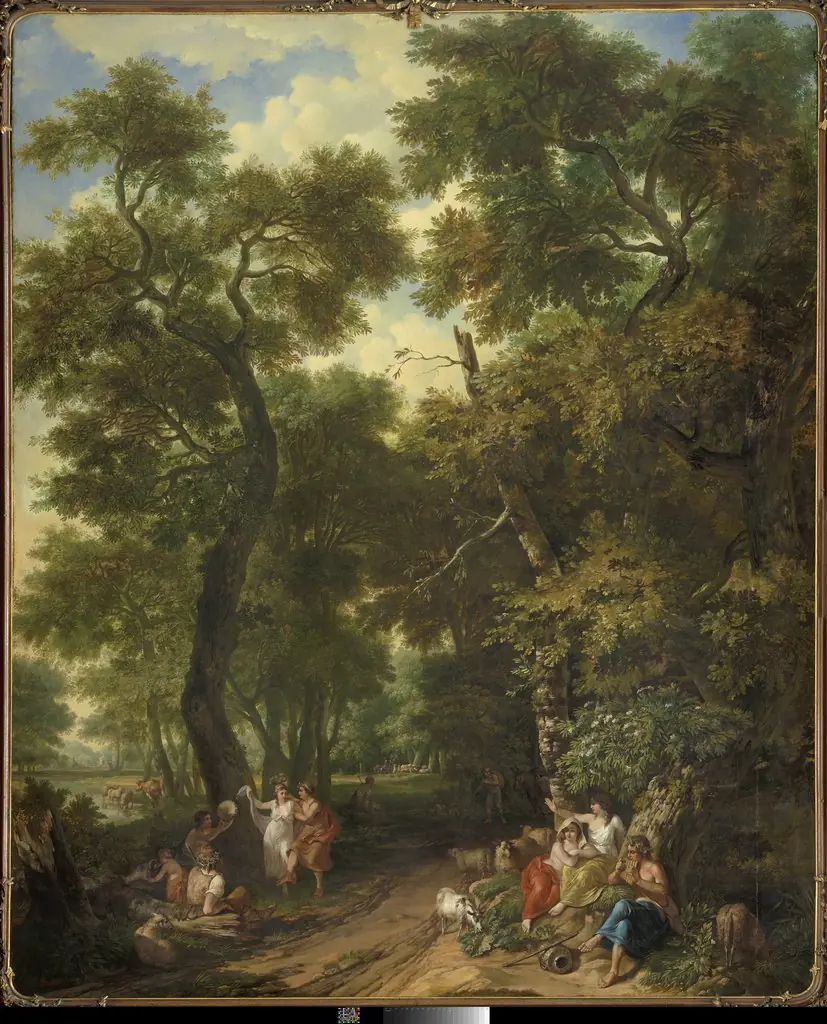 Arcadisch landschap met musicerende en dansende herders
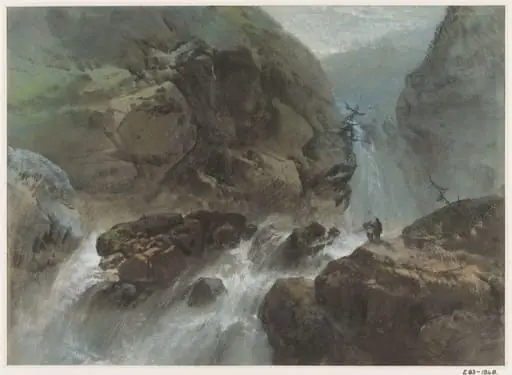 A Scottish waterfall
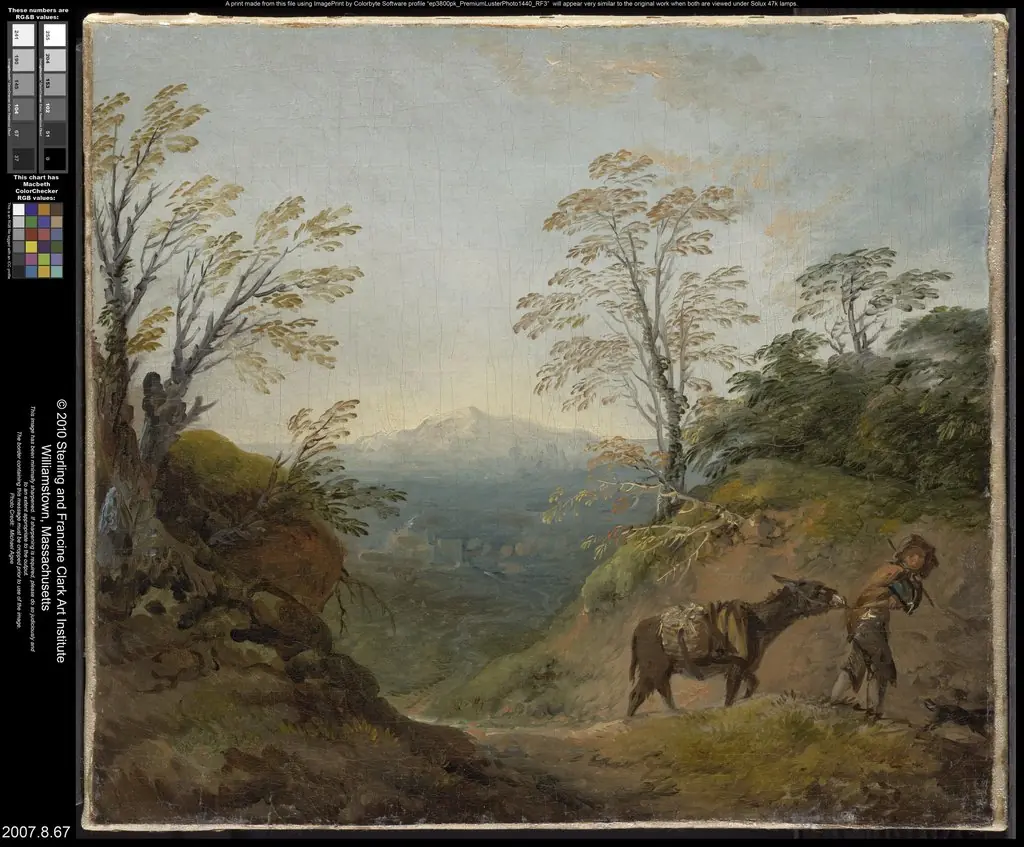 Wooded Landscape with a Boy Leading a Donkey and Dog, and an Extensive Panorama with Buildings and Distant Hills
 Highland Cattle