Artwork
Adam and Eve
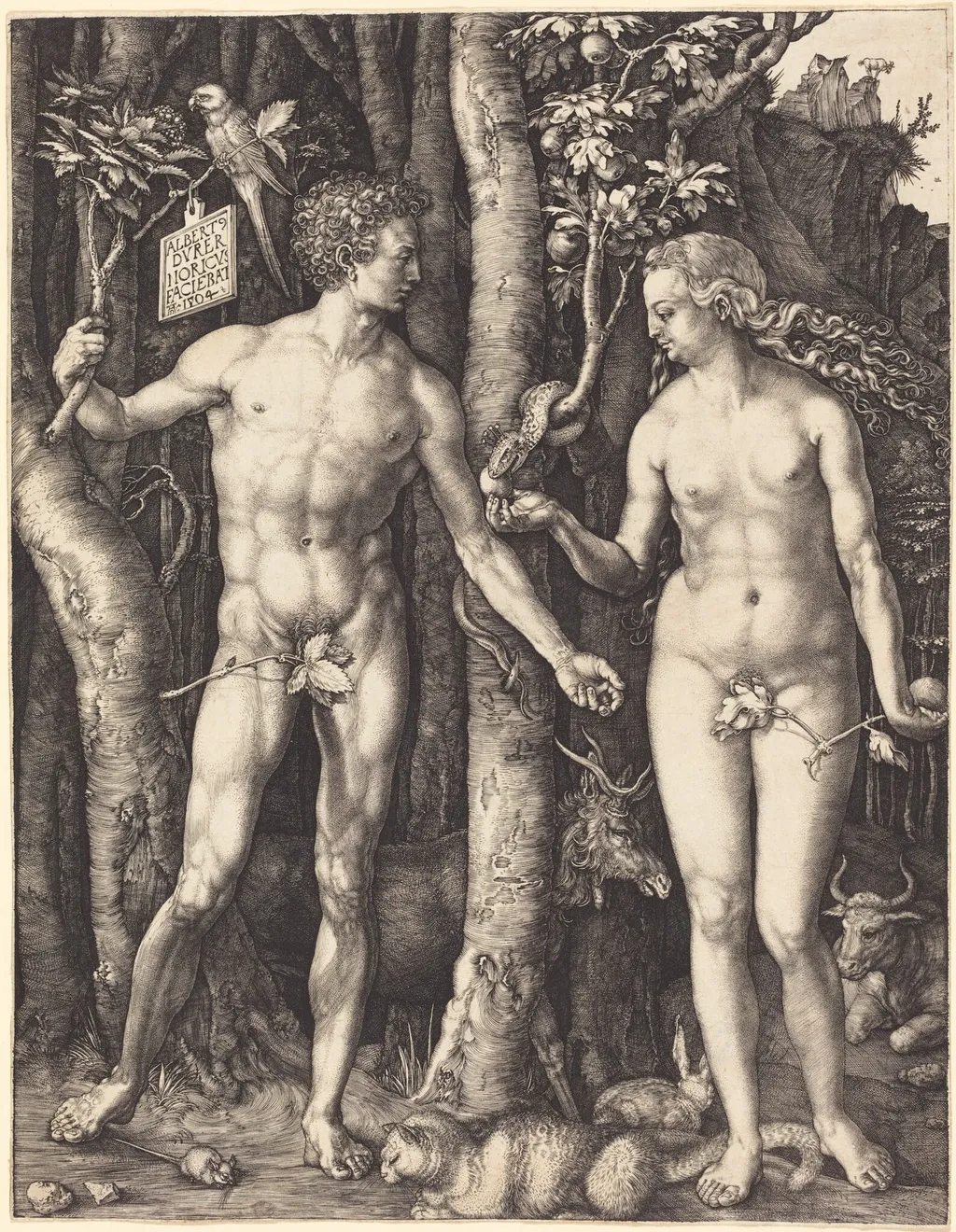
Adam and Eve is an ink print by the Northern Renaissance artist Albrecht Dürer. It dates from 1504 and is held in the collection of the National Gallery of Art.
About this work
Overview
Four animals representing the four temperaments—a cat, rabbit, elk, and ox—surround the couple, symbolizing the harmony of nature before sin.
Albrecht Dürer's 1504 engraving, Adam and Eve, depicts the biblical progenitors standing in a dense, wooded landscape prior to the Fall. The composition is structured around a central tree, with Adam on the left holding a branch of a mountain ash and Eve on the right plucking fruit from a fig tree, while a parrot perches above. Dürer utilizes the medium of engraving to render an unprecedented level of anatomical precision and textural variety, contrasting the smooth skin of the figures with the rough bark of trees, the fur of the animals, and the intricate foliage. Four animals representing the four temperaments—a cat, rabbit, elk, and ox—surround the couple, symbolizing the harmony of nature before sin. Created during the height of Dürer's second Italian journey and his subsequent mature period, this work synthesizes Northern European detail with Italian Renaissance ideals of proportion and classical beauty. It stands as a definitive masterpiece of the German Renaissance, demonstrating the artist's mastery of line and his deep engagement with humanist theories of ideal form.
Subject & Meaning
The engraving presents the figures of Adam and Eve, unclothed, positioned beside a tree. While their postures suggest a degree of ease, their expressions convey a subtle apprehension. Dürer meticulously rendered various elements, from the intricate details of the figures' hair to the individual leaves on the surrounding foliage, enriching the narrative with visual complexity.
Technique & Style
Albrecht Dürer's command of the engraving medium is evident in this work. He masterfully conveyed both texture and spatial depth, a hallmark of his artistic approach. This skill is particularly apparent in the nuanced depiction of the tree's bark, which exhibits a rough, organic quality, and in the smooth, lifelike rendering of the human skin, demonstrating his ability to differentiate surfaces through line work.
Own this work as a print
Artist & collection
Artist
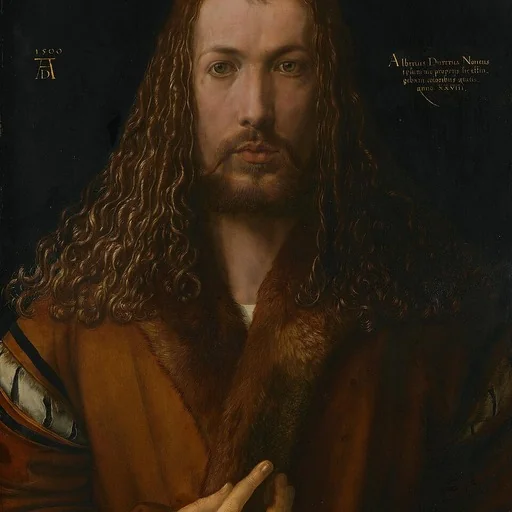
Albrecht Dürer spent his life in Nuremberg, a busy German city where artists traded prints like currency.

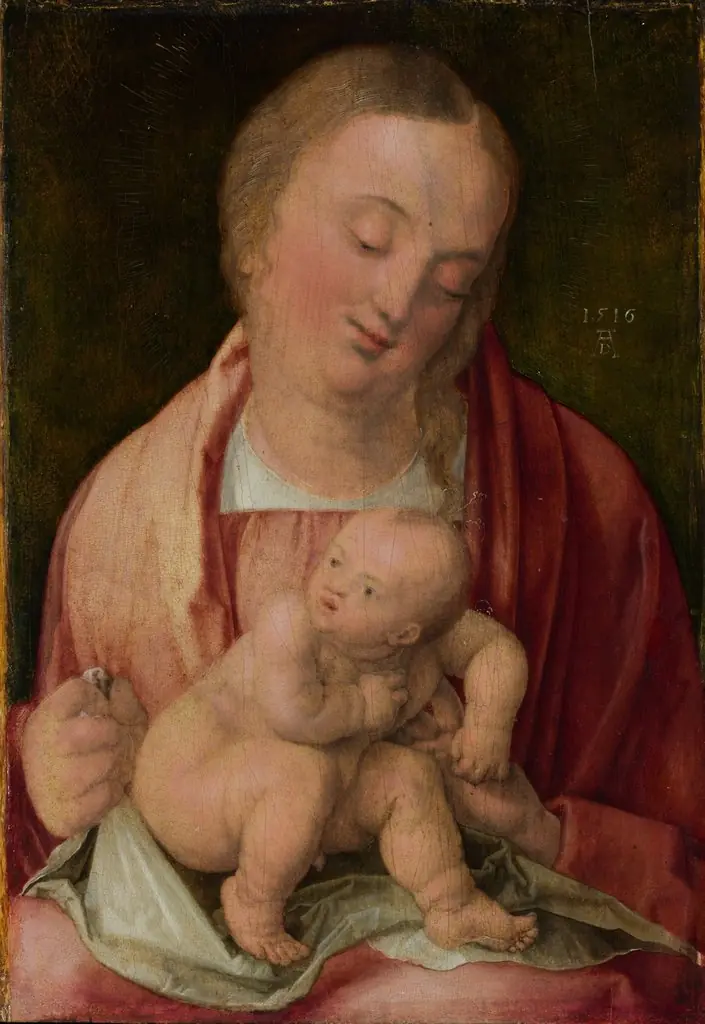
![Madonna and Child [obverse], by Albrecht Dürer](https://artifactworldgallery.com/img/albrecht-durer--madonna-and-child-obverse--d7b8ebf05d22ebe5-w320.webp)
![Lot and His Daughters [reverse], by Albrecht Dürer](https://artifactworldgallery.com/img/albrecht-durer--lot-and-his-daughters-reverse--b4ebf9b282faa17a-w320.webp)