Artwork
Saint Anthony and Saint Paul in the Wilderness
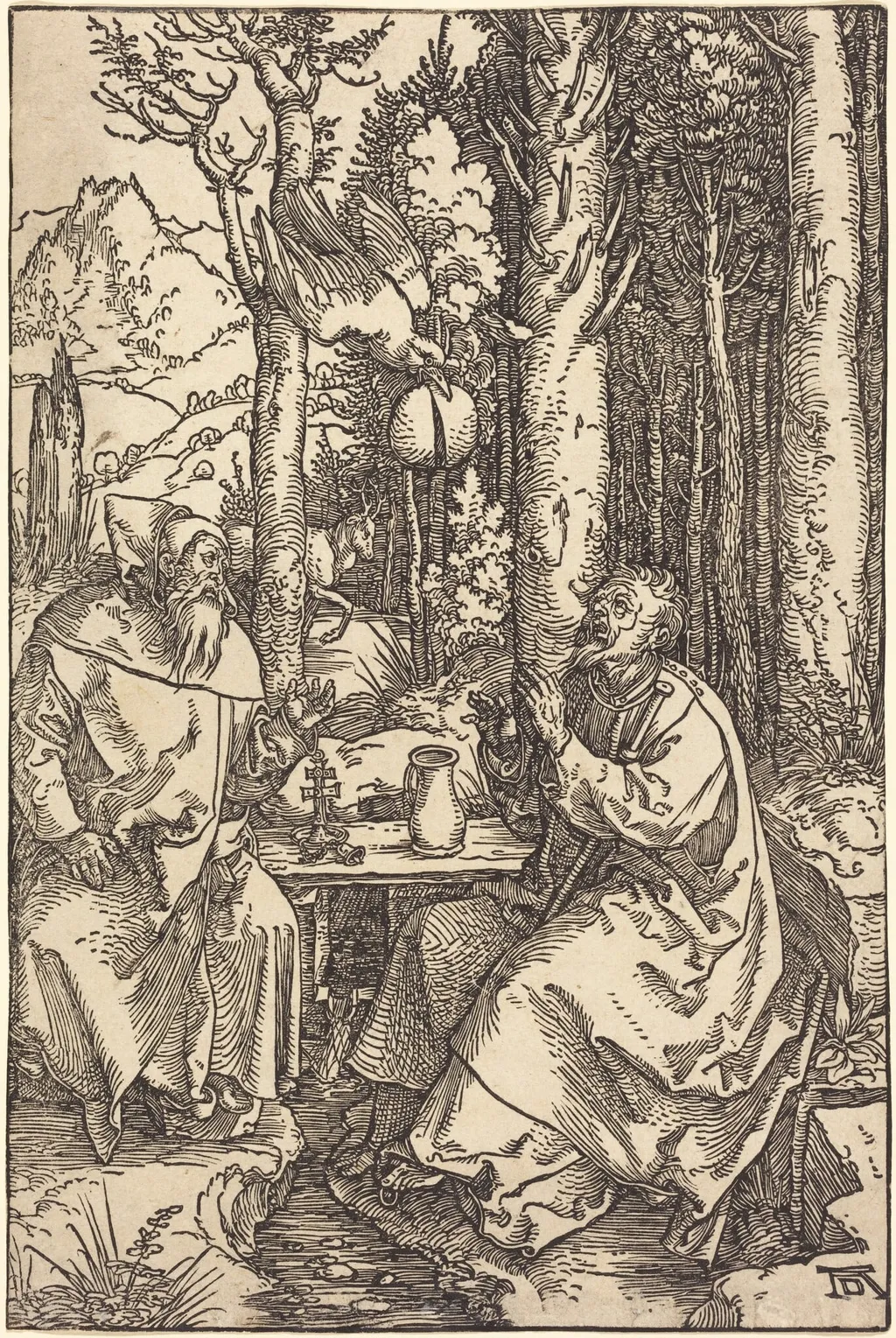
Saint Anthony and Saint Paul in the Wilderness is an ink print by the Northern Renaissance artist Albrecht Dürer. It dates from 1504 and is held in the collection of the Rosenwald Collection.
About this work
This woodcut shows two old men in a dark cave. One feeds a raven. The other kneels to pray.
Dürer carved it in 1504 using fine lines on wood. The raven brings bread to Saint Paul, a desert hermit. Saint Anthony, another hermit, watches from the shadows. Tiny details like the men’s wrinkles and the raven’s feathers show Dürer’s skill.
Check out the technique used here: woodcut.
Overview
The composition centers on Saint Paul the Hermit, who is shown kneeling in prayer within a dark, rocky cave, while Saint Anthony of Egypt stands nearby.
Created in 1504, Albrecht Dürer's woodcut 'Saint Anthony and Saint Paul in the Wilderness' depicts the legendary meeting of two desert hermits. The composition centers on Saint Paul the Hermit, who is shown kneeling in prayer within a dark, rocky cave, while Saint Anthony of Egypt stands nearby. A raven, a recurring symbol in Dürer's work, is captured in the act of dropping a loaf of bread to sustain Saint Paul, referencing the saint's miraculous provision. Dürer executes the scene with the technical mastery characteristic of his mature period, utilizing dense cross-hatching and fine parallel lines to render deep shadows and intricate textures. The artist meticulously details the weathered faces and tattered garments of the saints, emphasizing their ascetic lives and advanced age. This work exemplifies the German Renaissance's fusion of Northern European attention to naturalistic detail with Italianate compositional balance and humanist themes. As part of Dürer's extensive printmaking output, the piece demonstrates his ability to translate complex narrative and spiritual introspection into the graphic medium of woodcut, securing his reputation as a master of the form.
Subject & Meaning
The image brings together two prominent desert fathers: Anthony the Great, a founder of Christian monasticism, and Paul of Thebes, regarded as the first hermit. The raven, traditionally associated with providence, delivers bread to Paul, underscoring themes of divine sustenance and the ascetic’s reliance on spiritual rather than material support. The quiet interaction emphasizes contemplation and the solitary devotion of the hermits.
Technique & Style
Dürer employed the woodcut process, incising fine, precise lines into a block of wood to produce a high‑contrast image. The careful rendering of facial wrinkles, the texture of the raven’s feathers, and the subtle gradations of shadow demonstrate his mastery of line work and his ability to convey depth within the limitations of a monochrome medium.
History & Provenance
Created in the early 16th century, the print reflects Dürer’s interest in combining Northern European print traditions with his own emerging style. While specific ownership records are sparse, the work survives in several museum collections, attesting to its circulation among early modern collectors of devotional prints and its continued relevance to studies of Dürer’s printmaking output.
Artist & collection
Artist
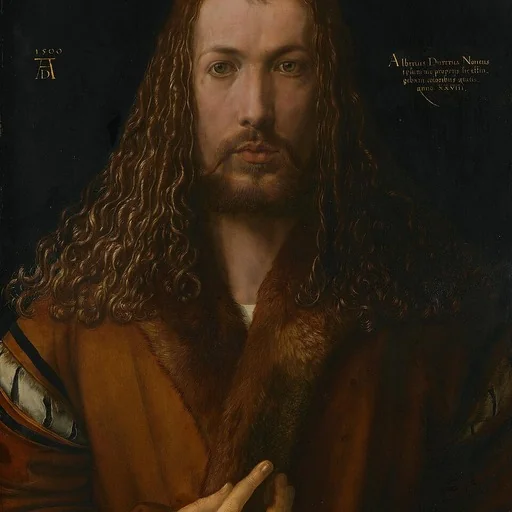
Albrecht Dürer spent his life in Nuremberg, a busy German city where artists traded prints like currency.
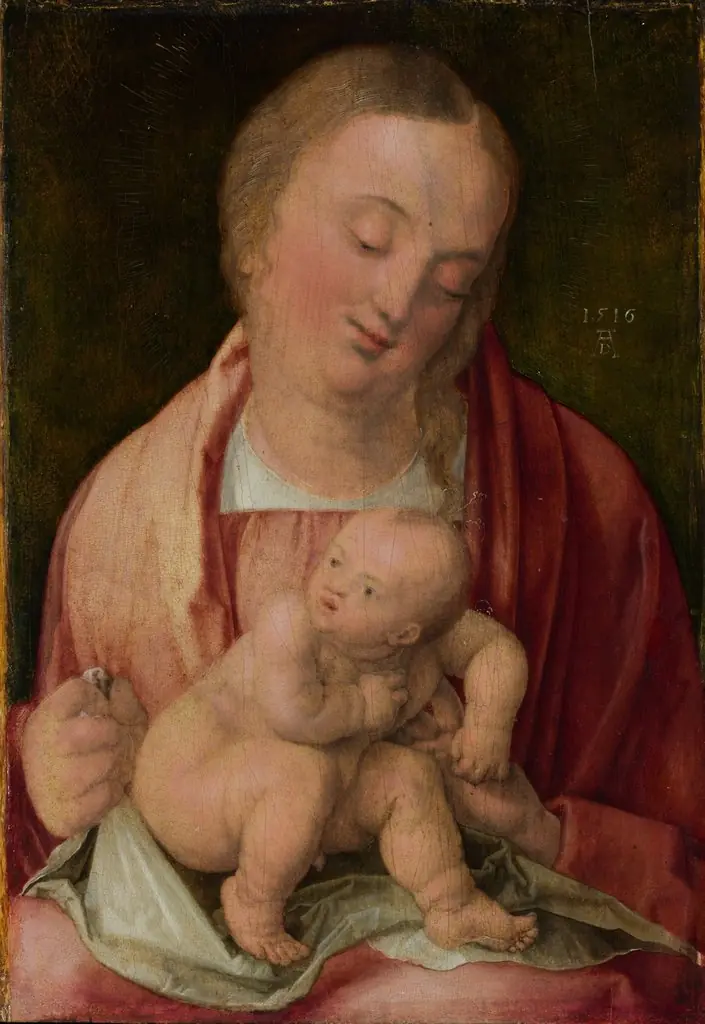
![Madonna and Child [obverse], by Albrecht Dürer](https://artifactworldgallery.com/img/albrecht-durer--madonna-and-child-obverse--d7b8ebf05d22ebe5-w320.webp)
![Lot and His Daughters [reverse], by Albrecht Dürer](https://artifactworldgallery.com/img/albrecht-durer--lot-and-his-daughters-reverse--b4ebf9b282faa17a-w320.webp)