Artwork
Saint Philip
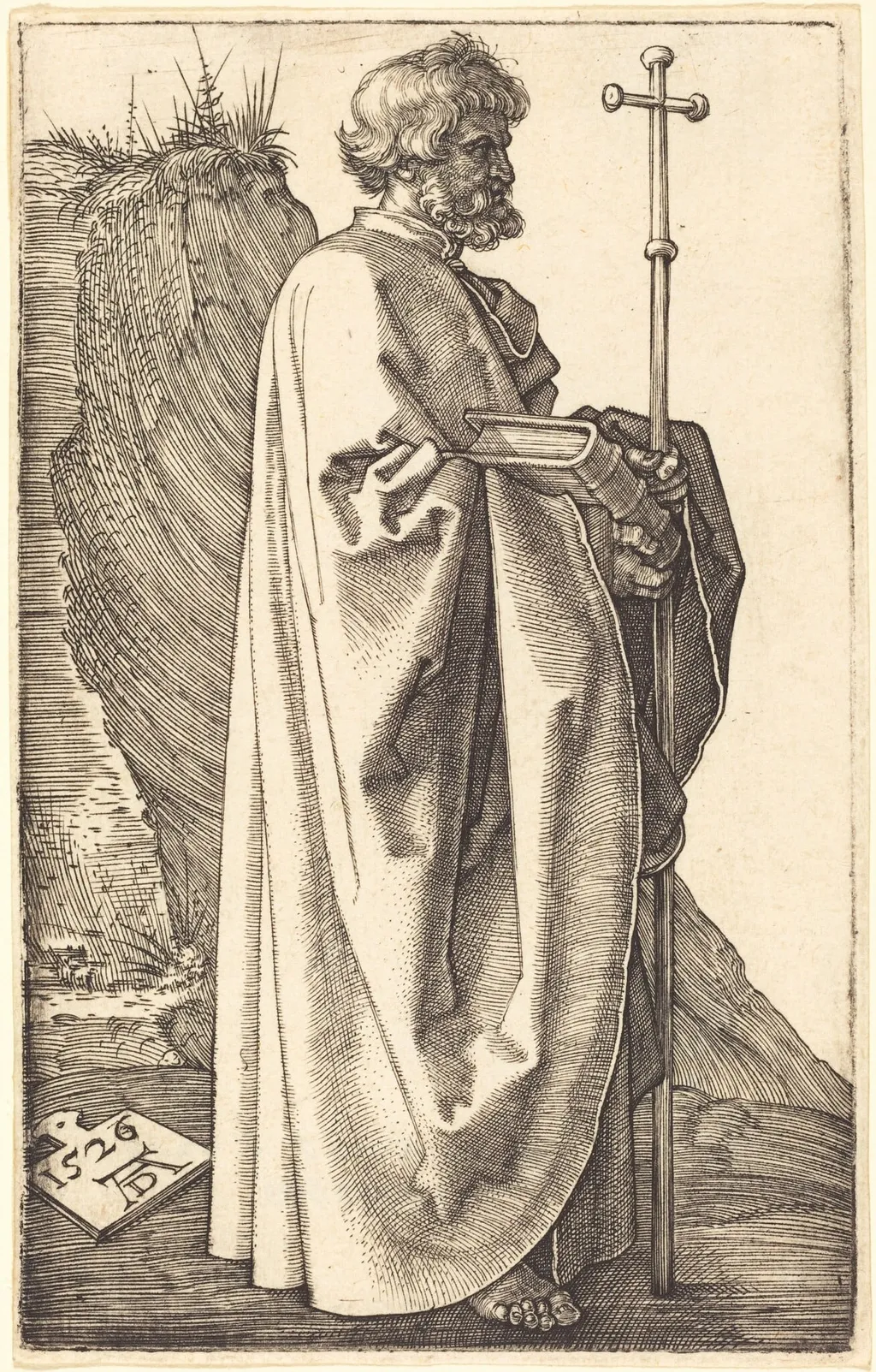
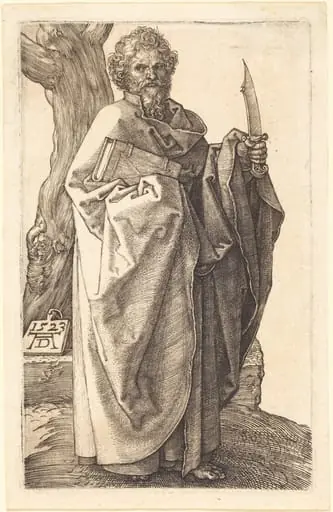
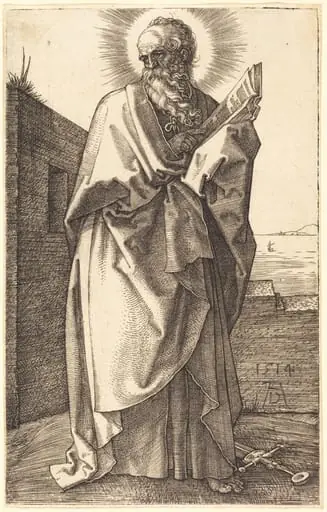
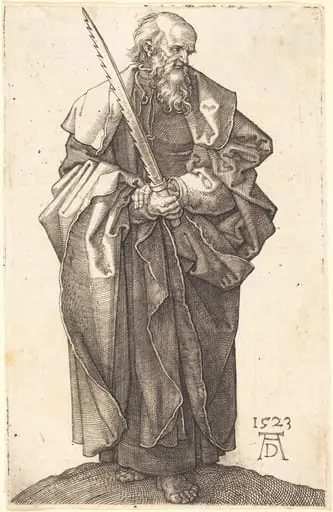
Saint Philip is an ink print by the Northern Renaissance artist Albrecht Dürer. It dates from 1526 and is held in the collection of the National Gallery of Art.
About this work
The painting is titled Saint Philip by Albrecht Dürer.
It was made in 1526 as an engraving on laid paper.
The artist created this work during the Renaissance period, which was a time of great cultural change in Europe, and this is reflected in the way Dürer used engravings to produce detailed images.
You can learn more about this style by looking into the movement: Renaissance.
Overview
Albrecht Dürer’s engraving titled Saint Philip was produced in 1526. Executed on laid paper, the print depicts the apostle in a manner characteristic of Dürer’s meticulous approach to line and form. The work is part of the collection of the National Gallery of Art in Washington, D.C., where it is displayed among the museum’s holdings of Northern Renaissance prints.
Technique & Style
The image was created with a copper‑plate engraving, a process that allowed Dürer to render fine detail through incised lines and cross‑hatching.
The image was created with a copper‑plate engraving, a process that allowed Dürer to render fine detail through incised lines and cross‑hatching. Laid paper, with its visible ribbed texture, provides a subtle background that enhances the contrast of the black ink. The composition reflects the artist’s synthesis of German precision and the emerging humanist ideals of the Renaissance, emphasizing both anatomical accuracy and expressive gesture.
History & Provenance
Dürer completed the Saint Philip engraving toward the end of his career, a period marked by a series of religious subjects. The print entered the National Gallery of Art’s collection in the twentieth century, having passed through several private hands and dealers who recognized its significance as a representative example of Dürer’s late printmaking.
Context
Created during the European Renaissance, the work embodies the era’s shift toward individual expression and scholarly engagement with biblical themes. Dürer’s use of engraving—a medium that could be reproduced for a wider audience—mirrored contemporary interests in disseminating religious iconography beyond the confines of manuscript illumination, aligning with broader cultural currents of reform and humanist inquiry.
Artist & collection
Artist
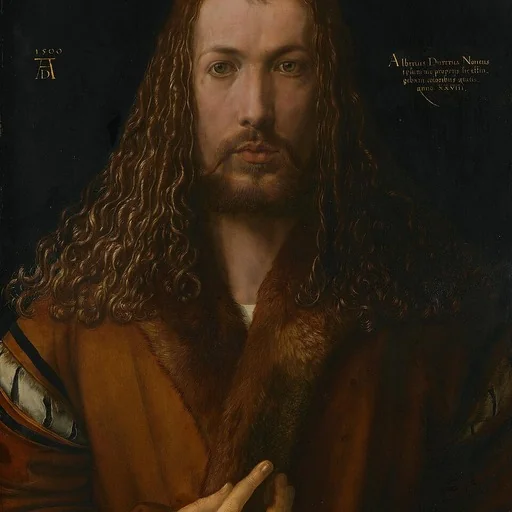
Albrecht Dürer spent his life in Nuremberg, a busy German city where artists traded prints like currency.

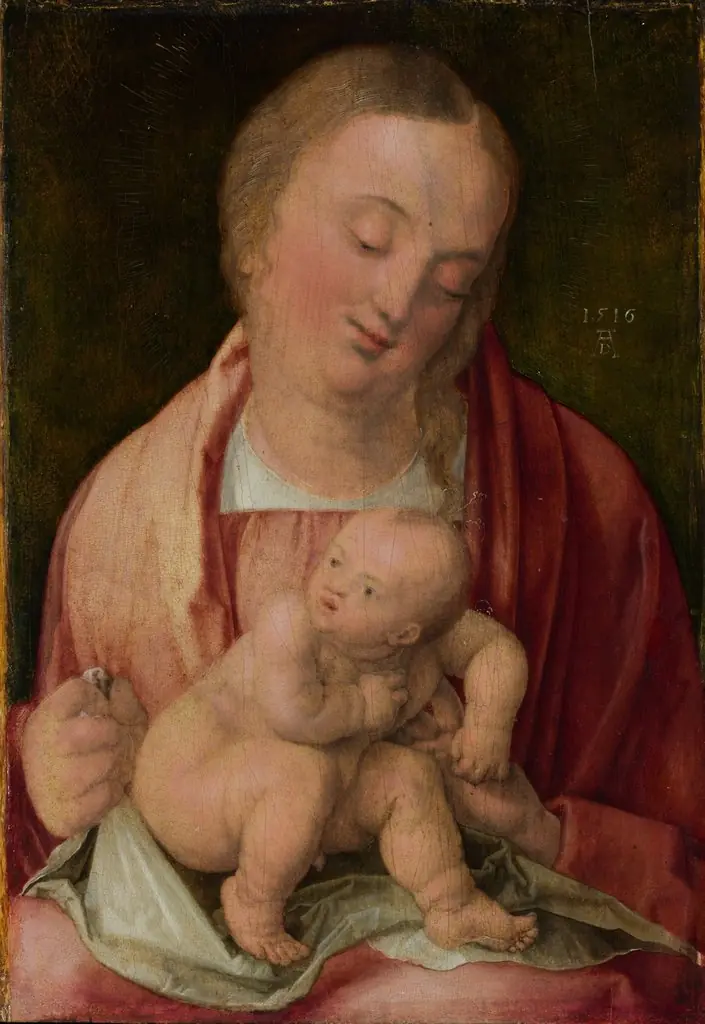
![Madonna and Child [obverse], by Albrecht Dürer](https://artifactworldgallery.com/img/albrecht-durer--madonna-and-child-obverse--d7b8ebf05d22ebe5-w320.webp)
![Lot and His Daughters [reverse], by Albrecht Dürer](https://artifactworldgallery.com/img/albrecht-durer--lot-and-his-daughters-reverse--b4ebf9b282faa17a-w320.webp)