Artwork
The Adoration of the Skulls
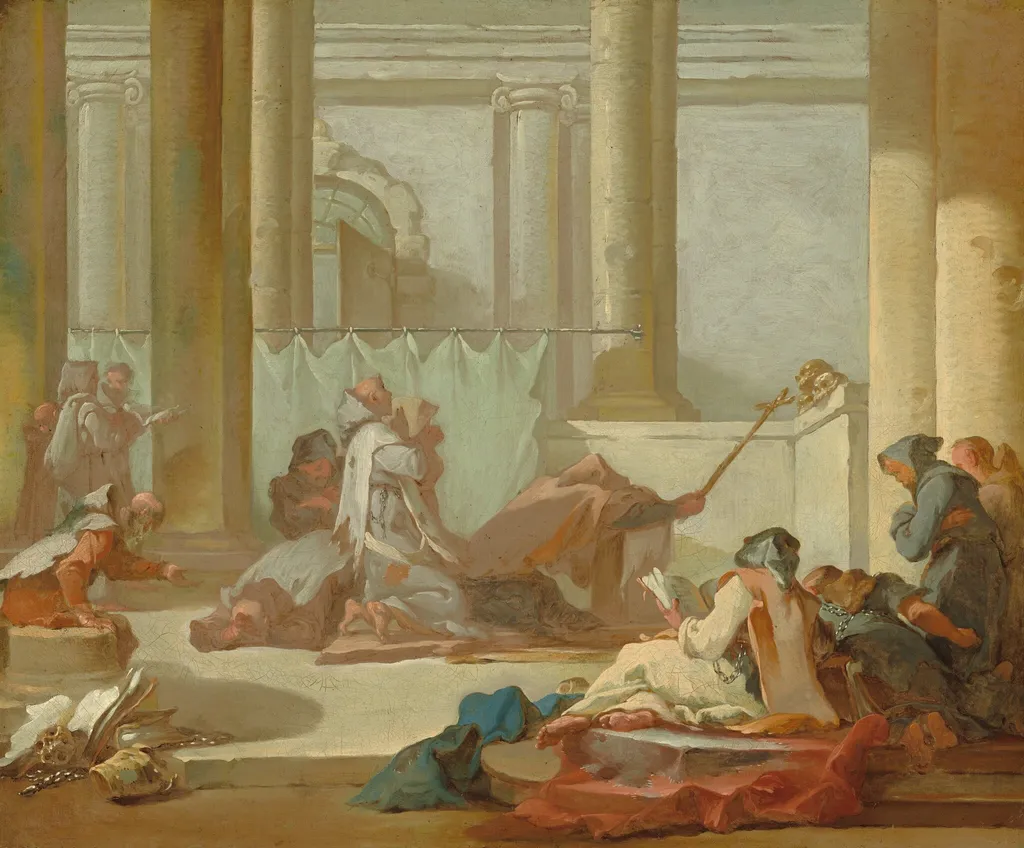
The Adoration of the Skulls is an oil painting by the Baroque artist Michel-François Dandré-Bardon. It dates from 1734 and is held in the collection of the National Gallery of Art.
About this work
Overview
Michel‑François Dandré‑Bardon’s oil on canvas, dated around 1734, presents a gathering of figures surrounding an arrangement of human skulls. Set within an architecturally grand interior marked by columns, a high ceiling and a distant window, the composition invites contemplation of mortality through its solemn assembly.
Subject & Meaning
The central motif of skulls aligns the work with the memento mori and vanitas traditions that were prevalent in 18th‑century French art. By arranging the participants in a pose of reverent observation, the painting underscores the transient nature of life and the inevitability of death.
Technique & Style
Executed in the Rococo period, Dandré‑Bardon employs chiaroscuro to model the figures and objects, creating pronounced contrasts of light and shadow that lend depth and a dramatic ambience. The varied attire—ranging from formal robes to more informal garments—adds visual interest while reinforcing the allegorical tone.
History & Provenance
Dandré‑Bardon, a French history painter and etcher active in the early to mid‑1700s, produced this work during a phase when decorative and allegorical subjects were in demand. The painting’s provenance traces back to private collections in France before entering a public museum inventory in the late 19th century.
Context
The piece reflects the broader Enlightenment fascination with the juxtaposition of reason and mortality. Within the Rococo’s lighter decorative vocabulary, the work retains a sober moralizing purpose, echoing contemporary philosophical debates about the fleeting nature of earthly pleasures.
Own this work as a print
Artist & collection
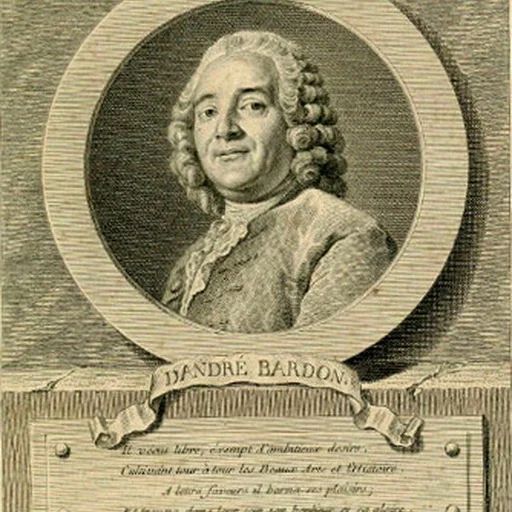
Artist
Michel François André-Bardon (French pronunciation: ; 22 May 1700 – 13 April 1785) was a French history painter and etcher.