Artwork
Theagenes and Chariclea
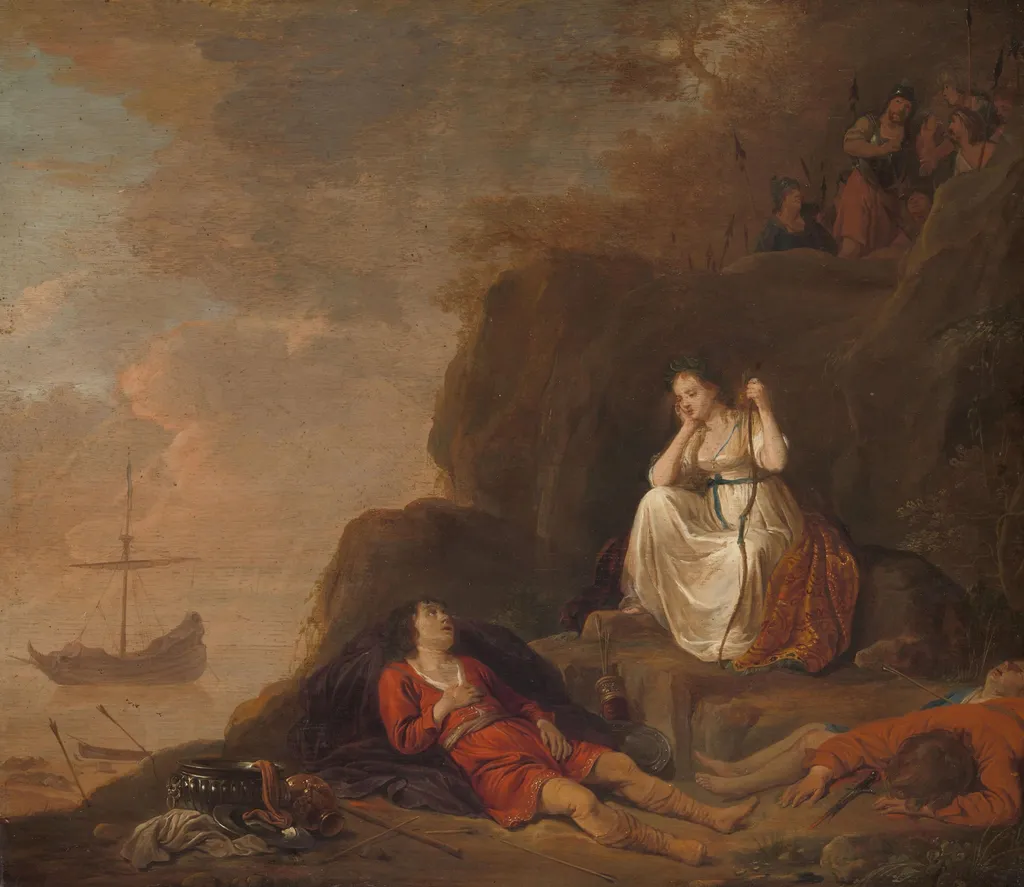
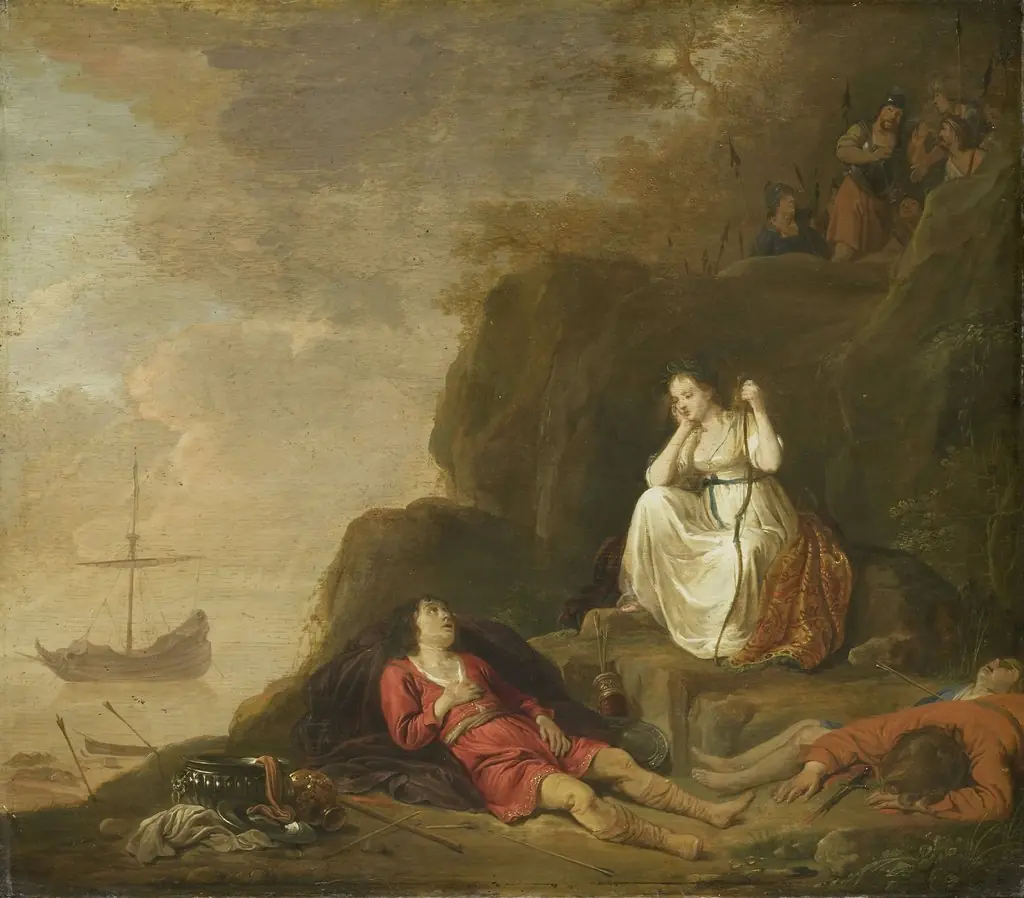
Theagenes and Chariclea is an unspecified painting by the Flemish Baroque painting artist Daniel Thivart. It dates from 1632 and is held in the collection of the Rijksmuseum.
About this work
Overview
The work titled *Theagenes and Chariclea* portrays a tumultuous coastal battlefield. Scattered across a craggy shoreline lie wounded and fallen soldiers pierced by arrows, while a solitary woman with a bow occupies the right foreground. A ship is anchored offshore, and a column of troops advances down a hill in the distance, framing the dramatic encounter.
Subject & Meaning
The scene is drawn from Heliodorus’s fourth‑century novel *Aethiopica*, which recounts the trials of the lovers Theagenes and Chariclea amid war and separation. The painting captures a moment of desperate resistance, emphasizing the heroine’s active role with her bow and the pervasive loss surrounding the combatants.
Technique & Style
The artist employs strong chiaroscuro to heighten the sense of chaos, allowing the twisted, contorted bodies to emerge from deep shadows. The composition is densely packed, with overlapping figures that convey movement, while the muted palette of earth tones contrasts with the bright glint of arrows and the distant sea.
History & Provenance
Although the narrative from *Aethiopica* was widely read in the seventeenth century, visual representations of this episode are scarce. The painting’s provenance traces back to a private Dutch collection before entering the Rijksmuseum’s holdings, where it has been catalogued as an example of early modern literary illustration.
Context
During the Baroque period, artists often turned to classical literature for subject matter, yet the *Aethiopica* remained an uncommon source. This work reflects the era’s fascination with dramatic storytelling and the moral complexities of heroism, aligning it with contemporary depictions of mythic and historical conflict.
Own this work as a print
Artist & collection

 A French Squadron near a Rocky Coast
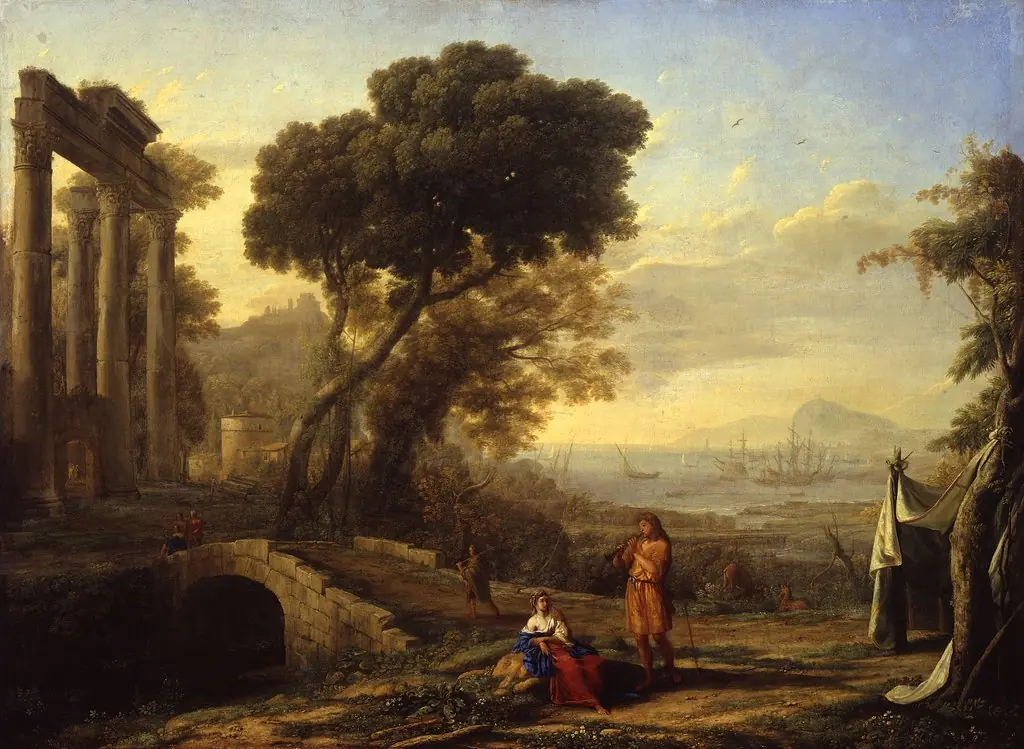 Italian Coastal Landscape
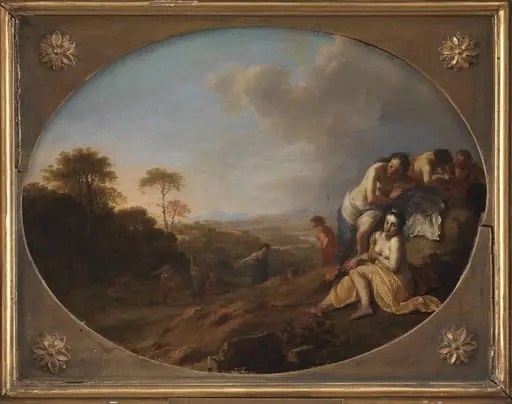 Nymphs in a Landscape
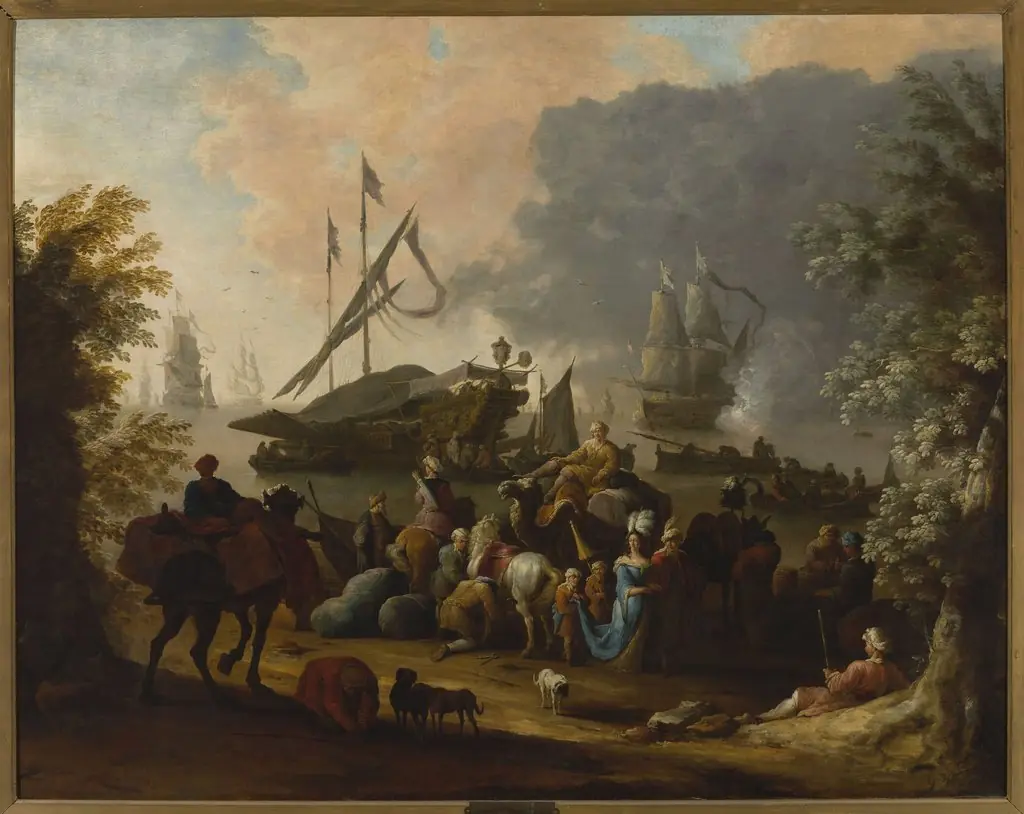 Scene in an Eastern port
 Bird-Catching by a Decoy with a Whistle and Net (Decorative painting for a supper-box at Vauxhall Gardens, London)
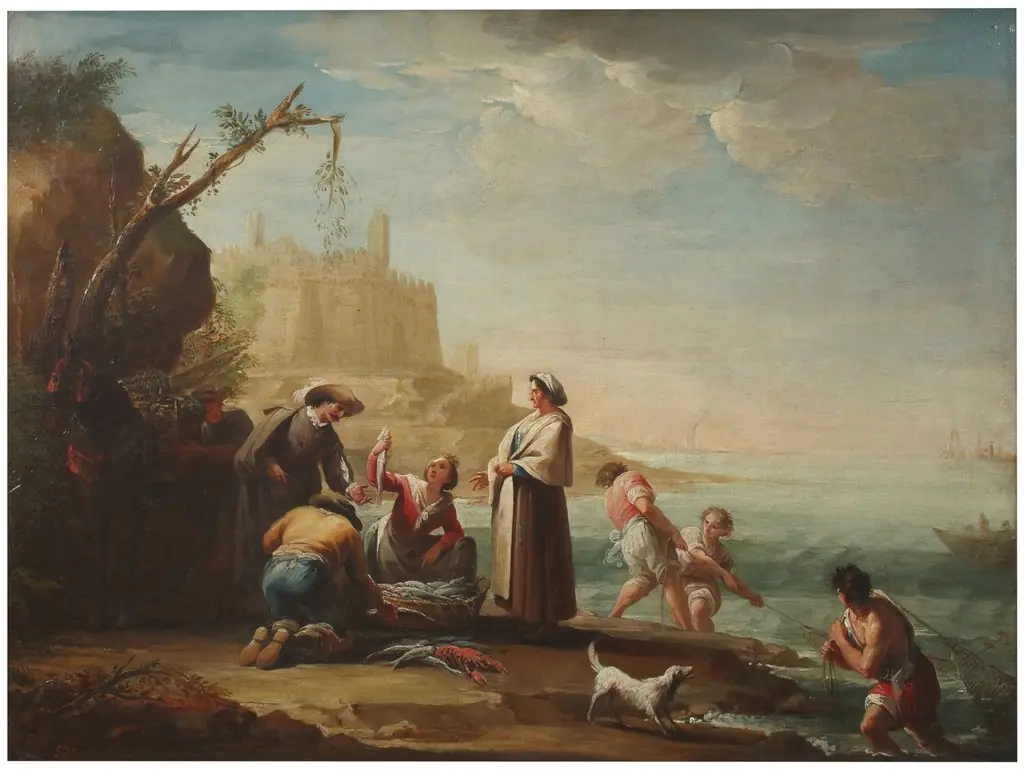 Fisherfolk
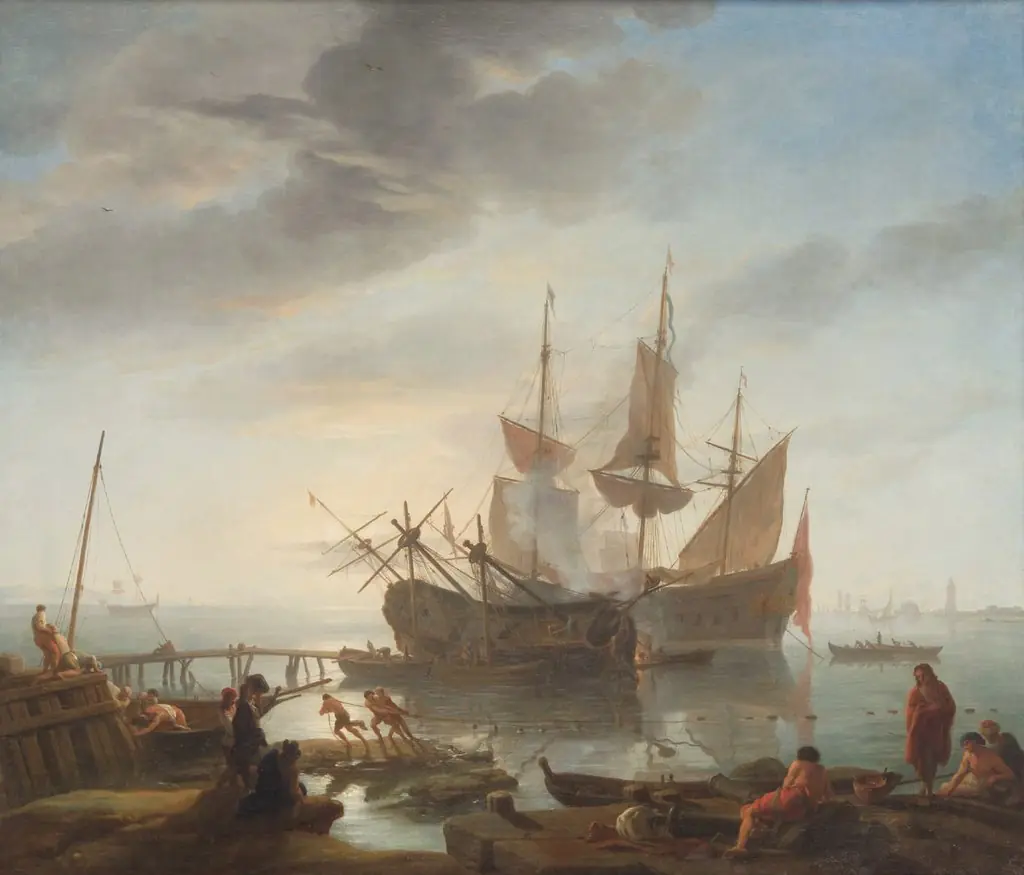 Marine
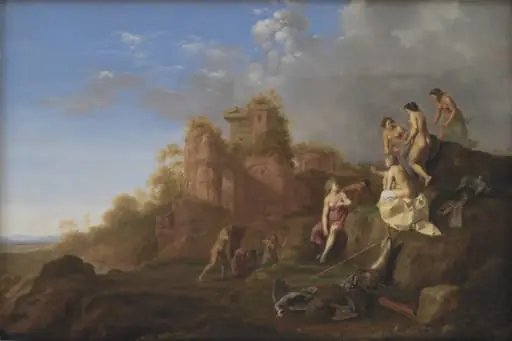 Diana and her Nymphs
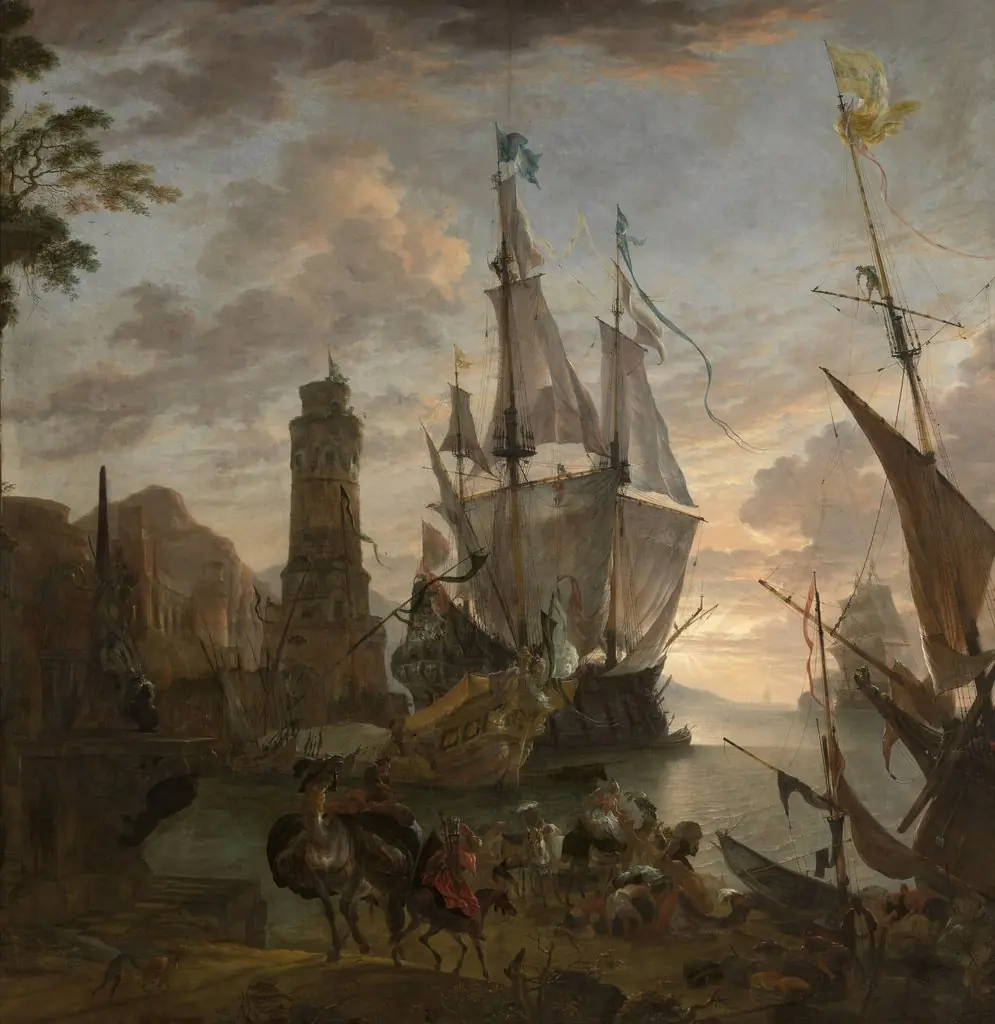 Eastern Seaport
 Sea Port
 Fête champêtre with Turkish Courtiers under a Tent