Artwork
Lead Processing at Leadhills: Smelting the Ore
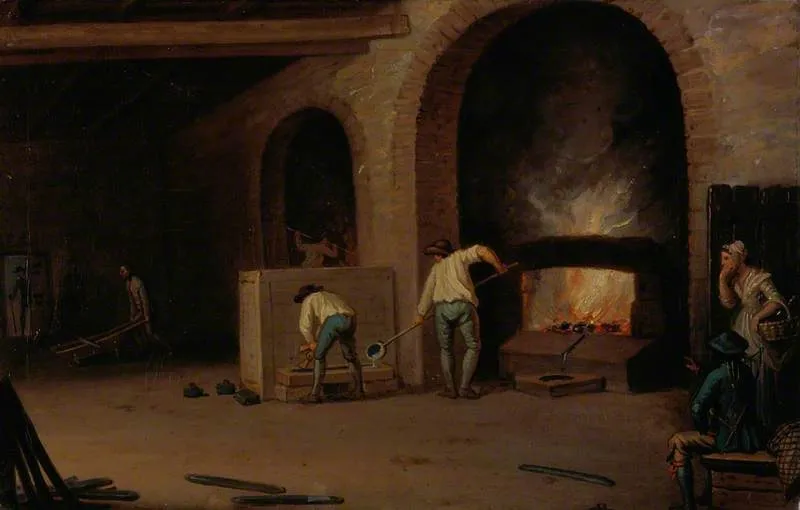
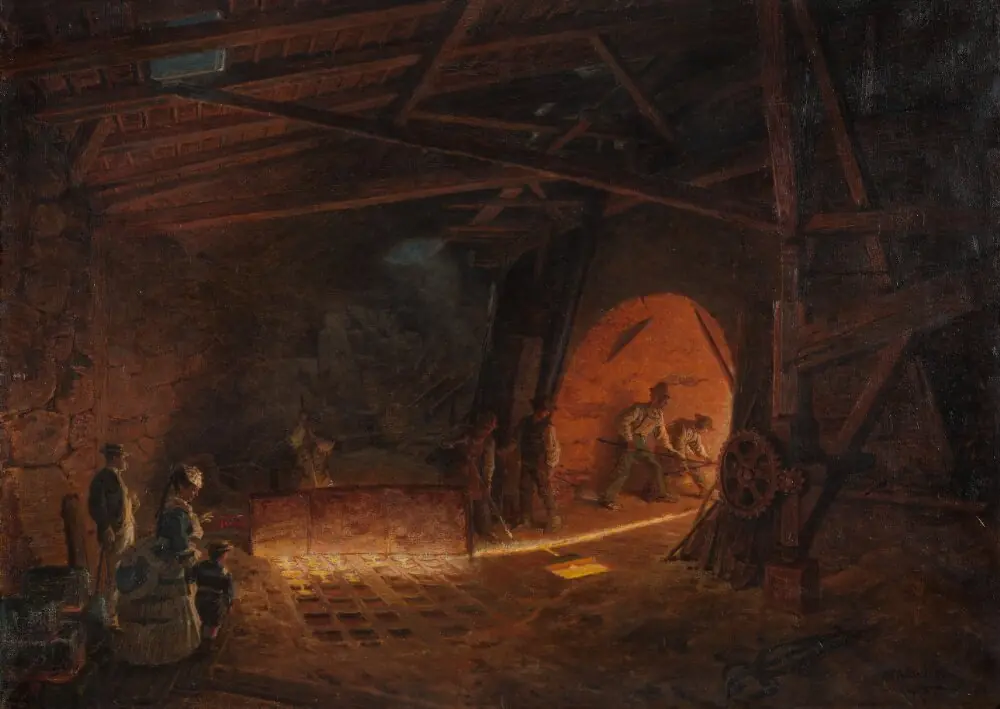
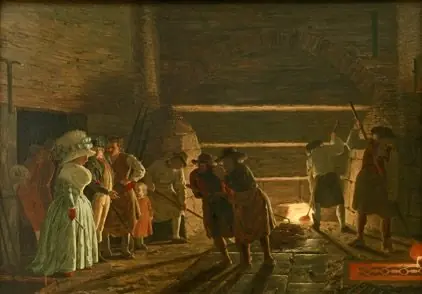
Lead Processing at Leadhills: Smelting the Ore is an oil painting by David Allan. It dates from 1780 and is held in the collection of the National Galleries Scotland.
About this work
Overview
The painting is part of the Scottish National Gallery’s collection, reflecting a growing interest in documenting regional industry during the late 18th century.
Painted around 1780 by Scottish artist David Allan, this oil work captures the industrial labor of lead smelting in the village of Leadhills. Unlike many contemporaries who focused on aristocratic or mythological subjects, Allan turned his attention to the everyday rhythms of working-class life in the Scottish Highlands. The painting is part of the Scottish National Gallery’s collection, reflecting a growing interest in documenting regional industry during the late 18th century.
Subject & Meaning
The scene portrays miners and smelters engaged in the arduous process of extracting lead from ore. Figures are shown tending a central furnace, handling tools, and moving materials under dim, soot-laden conditions. The composition emphasizes collective labor rather than individual heroism, presenting industry as a communal, physically demanding enterprise. There is no idealization—workers are shown in worn clothing, their faces marked by exertion and soot, underscoring the reality of industrial toil.
Technique & Style
Allan employs chiaroscuro to model form and evoke atmosphere, using the furnace’s glow to carve figures from shadow. The contrast between the fiery core and the surrounding darkness enhances the sense of enclosure and heat. Brushwork is precise yet unpolished, favoring texture over refinement—rough stone walls, metallic tools, and soiled fabrics are rendered with observational clarity. The palette is muted, dominated by earth tones and smoky grays, reinforcing the grimy, confined environment.
History & Provenance
Created during a period of expanding industrial documentation in Britain, the painting was likely commissioned or acquired by patrons interested in Scotland’s economic development. It entered the Scottish National Gallery’s collection in the 19th century, where it remains as part of a broader effort to preserve visual records of national industry. Its survival reflects early institutional recognition of labor as a legitimate subject for fine art.
Context
In the late 1700s, Leadhills was one of Britain’s most active lead-mining regions, with operations tied to broader imperial and commercial networks. While Enlightenment thinkers celebrated technological progress, Allan’s painting offers a grounded view of its human cost. The work aligns with emerging genre painting traditions in Scotland, which sought to depict local life with dignity and detail, countering the dominance of aristocratic portraiture.
Legacy
Though not widely known outside Scotland, the painting contributes to a quiet but significant shift in 18th-century art toward documenting labor. It anticipates later social realist traditions by presenting industrial work without romanticism. Its preservation in a national collection affirms its role as a historical record, offering insight into pre-industrial labor conditions and the visual culture of Scottish industry.
Artist & collection
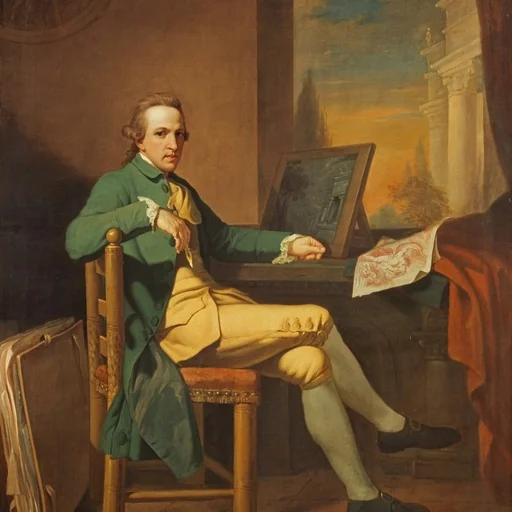
Artist
David Allan (13 February 1744 – 6 August 1796) was a Scottish painter, limner, and illustrator, best known for historical subjects and genre works.

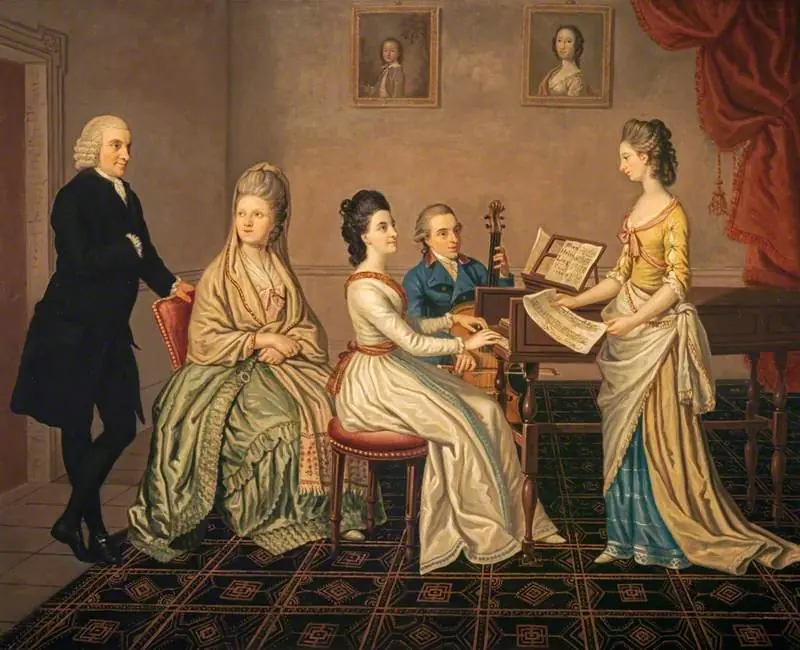 James Erskine, Lord Alva (1722 - 1796) and his family
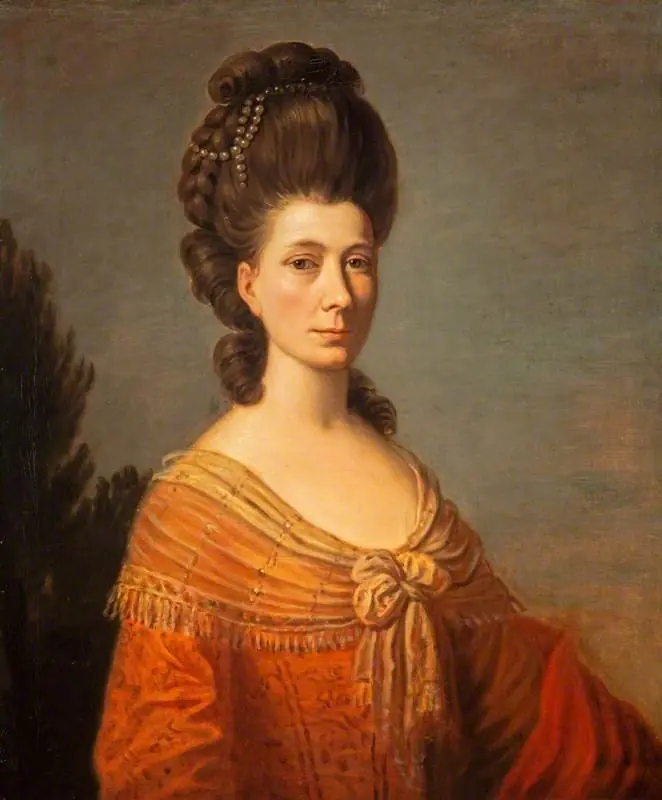 Mrs James Tassie, probably Ann Harker (1730 - 1790)
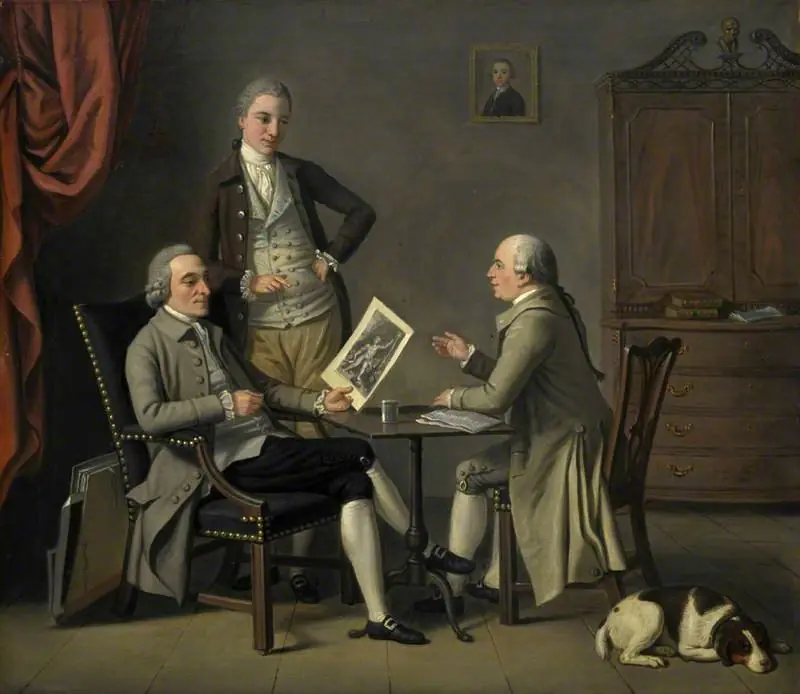 The Connoisseurs: John Caw (died 1784), John Bonar (1747 - 1807) and James Bruce
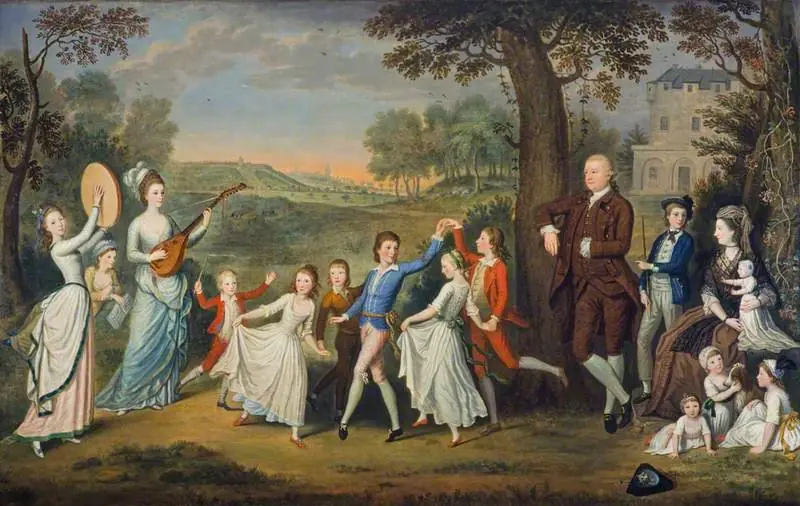 Sir John Halkett of Pitfirrane, 4th Bart (1720 - 1793), Mary Hamilton, Lady Halkett and their Family
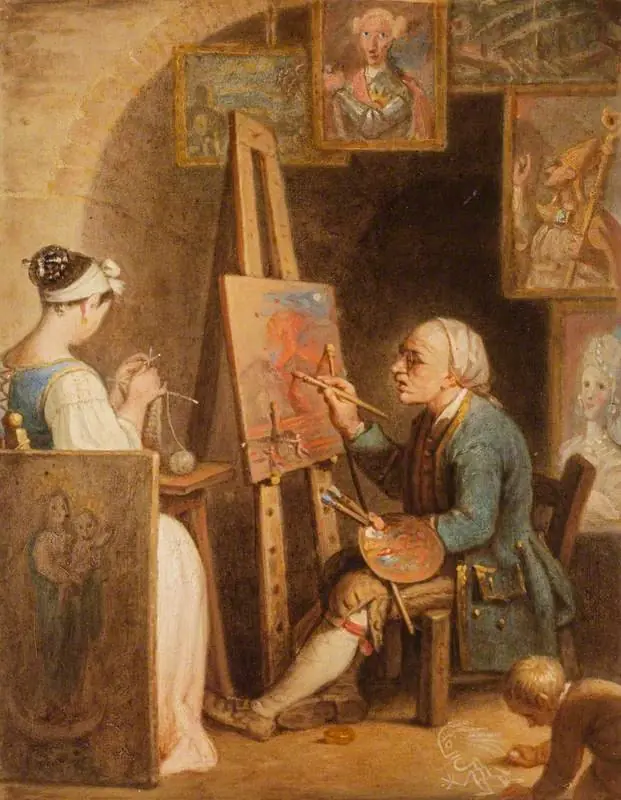 The Uncultivated Genius
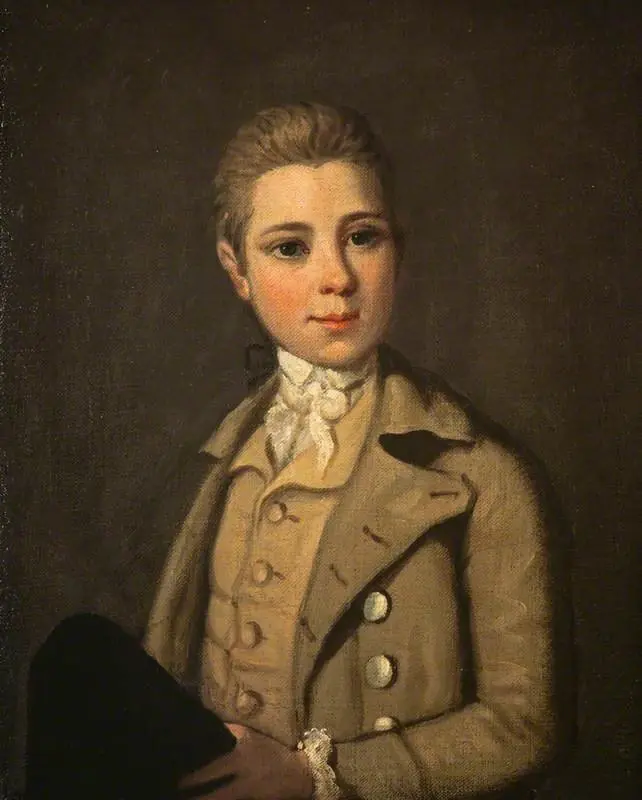 James Colvin
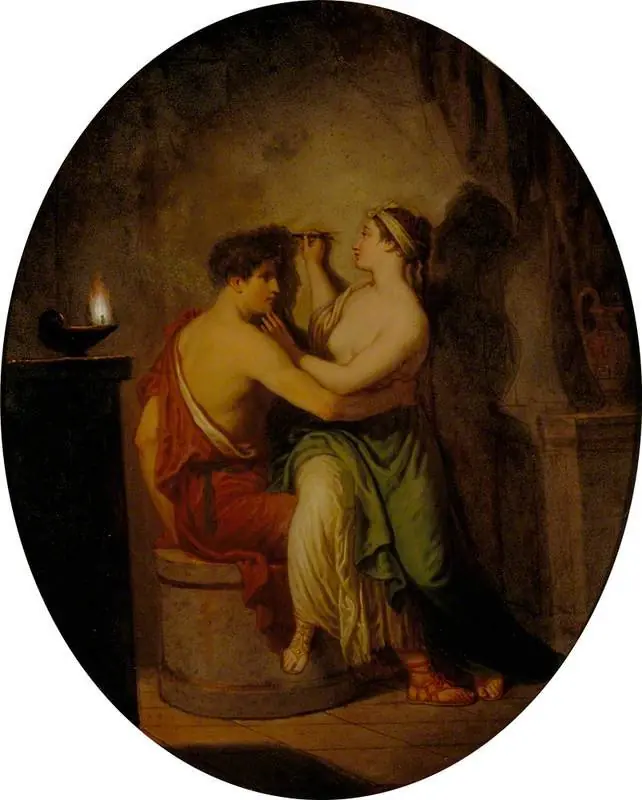 The Origin of Painting ('The Maid of Corinth')
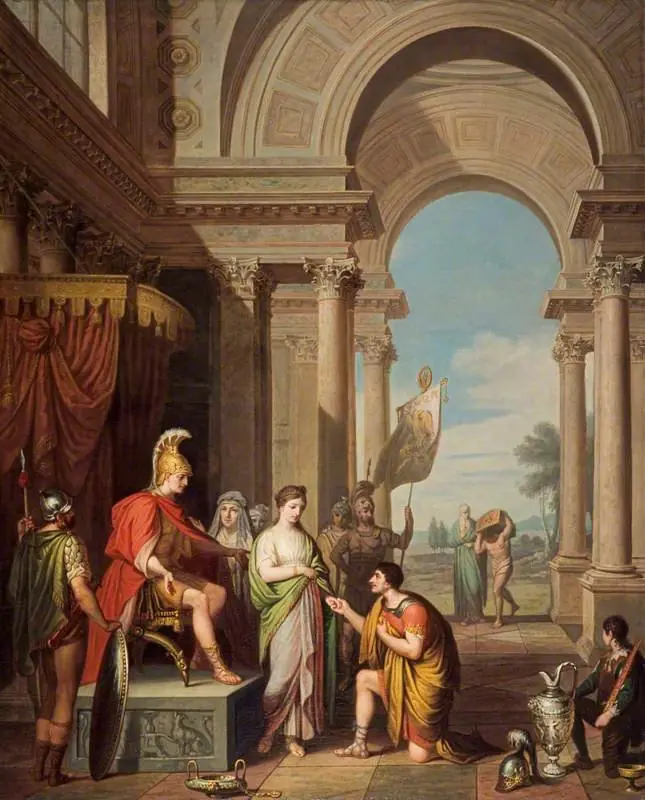 The Continence of Scipio