Artwork
St Anthony of Padua with a Nun
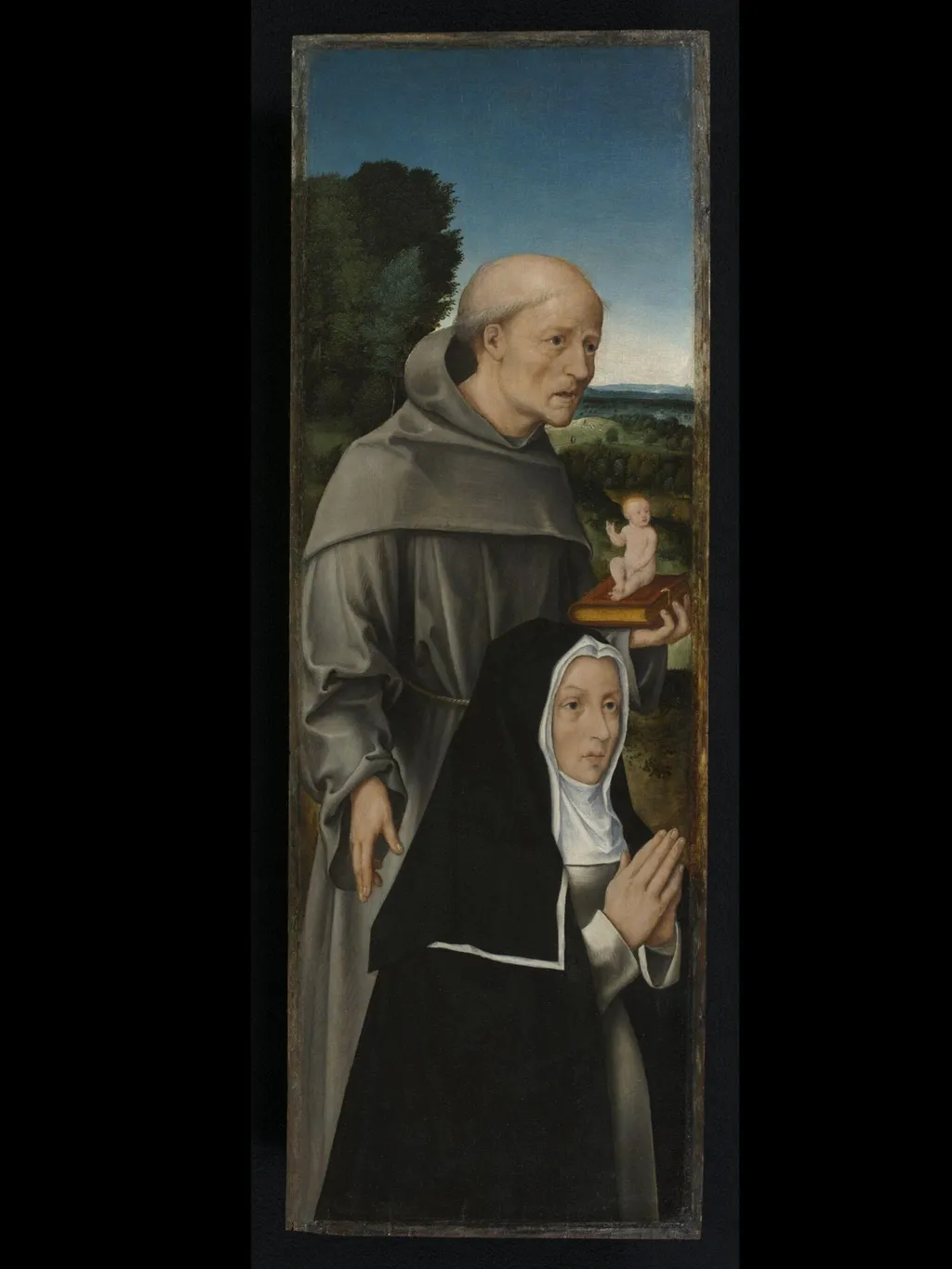
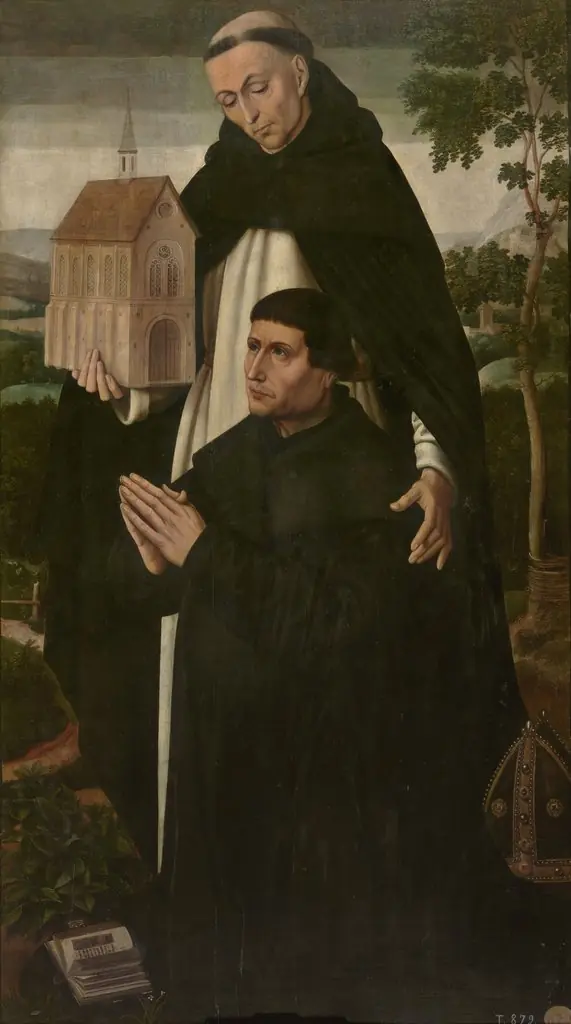
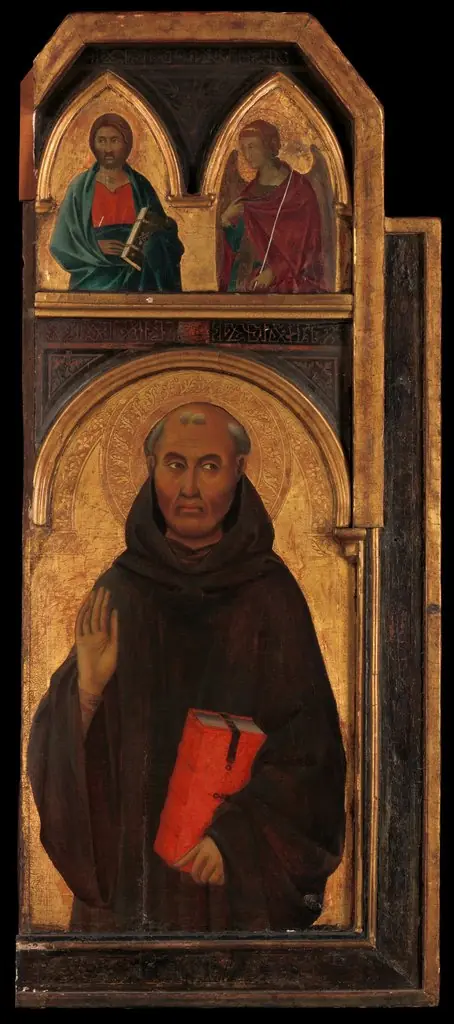
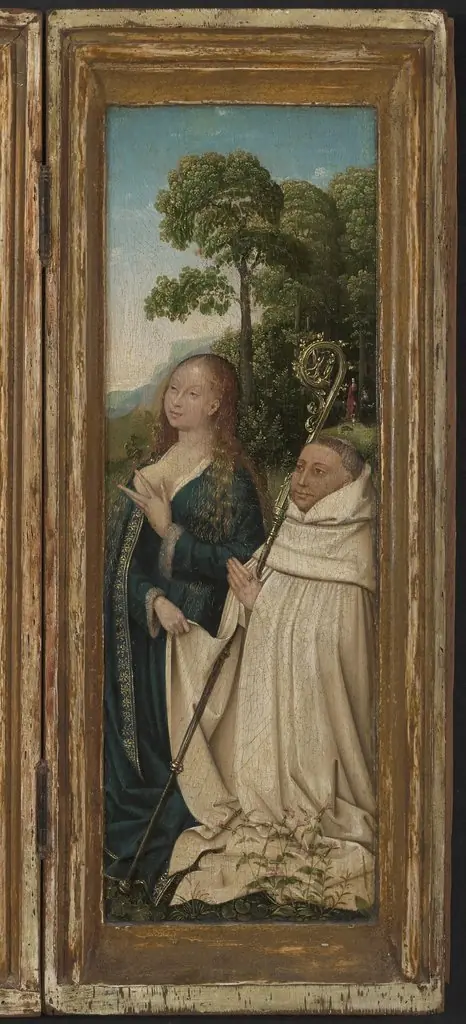
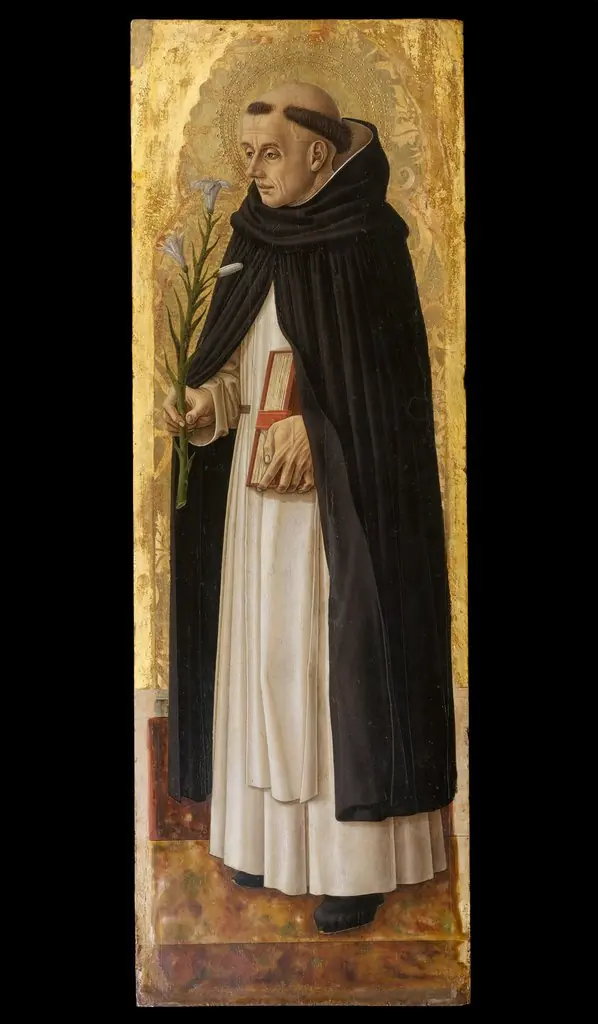
St Anthony of Padua with a Nun is a paint painting by the Northern Renaissance artist Gerard David. It dates from 1500 and is held in the collection of the Victoria and Albert Museum.
About this work
Overview
Executed in oil on panel, it originally formed part of a larger altarpiece whose full composition and current location are unknown.
This small devotional panel, attributed to Gerard David, depicts Saint Anthony of Padua in the company of a kneeling nun. Executed in oil on panel, it originally formed part of a larger altarpiece whose full composition and current location are unknown. The work reflects David’s mature style, characterized by meticulous detail, restrained emotion, and a quiet, meditative atmosphere typical of early sixteenth-century Bruges.
Subject & Meaning
Saint Anthony, a Franciscan friar renowned for his preaching and miracles, is shown holding a lily—a symbol of purity—and seated beside a book, referencing his vision of the Christ Child. The nun, dressed in simple monastic garb, kneels in prayer before him, suggesting a personal spiritual encounter. The scene conveys devotion and divine intercession, aligning with the devotional needs of convent patrons who commissioned such images for private contemplation.
Technique & Style
David renders every fold of fabric with precise, almost sculptural clarity—each wrinkle in the nun’s veil and the saint’s robe is carefully observed. The lily is painted with lifelike delicacy, its petals catching subtle light. The palette is restrained: cool moss greens, steel blues, and muted whites dominate, creating a serene, interior-like space. The figures are modeled with firm contours and softly modeled faces, marked by almond eyes and defined chins, hallmarks of David’s portraiture.
History & Provenance
The painting was likely created between 1500 and 1510 for a religious community in Bruges, where David was active as a master painter and guild member. Though part of a now-lost altarpiece, its intimate scale suggests it was intended for private devotion within a convent. Its survival as a standalone panel reflects later reconfigurations of religious art after the dissolution of monastic institutions.
Context
In early sixteenth-century Bruges, religious imagery served both liturgical and personal devotional functions. Artists like David catered to convents and guilds seeking images that inspired quiet reverence. The emphasis on tactile realism and stillness reflects a broader Netherlandish tradition rooted in van Eyck and Memling, where the sacred was made tangible through minute observation and calm composition.
Legacy
This work exemplifies the quiet precision of late Flemish Primitives, bridging the detailed realism of the fifteenth century with the emerging humanism of the Renaissance. Though David’s fame waned after his death, his influence persisted in the careful rendering of texture and emotion in subsequent generations of Netherlandish painters, particularly those working in devotional contexts.
Artist & collection
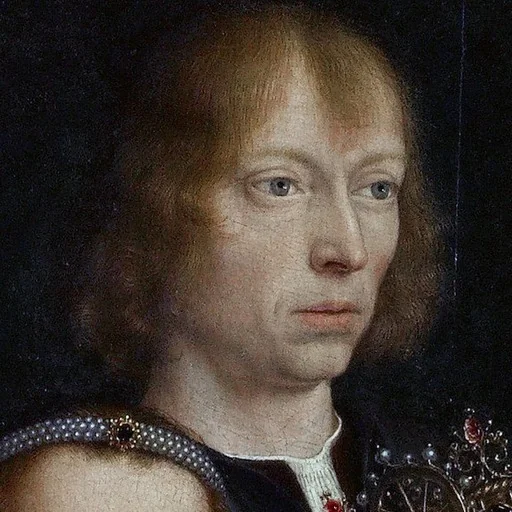
Artist
Gerard David (c. 1460 – 13 August 1523) was an Early Netherlandish painter and manuscript illuminator known for his brilliant use of color. Only a bare outline of his life survives, although some facts are known. He may…

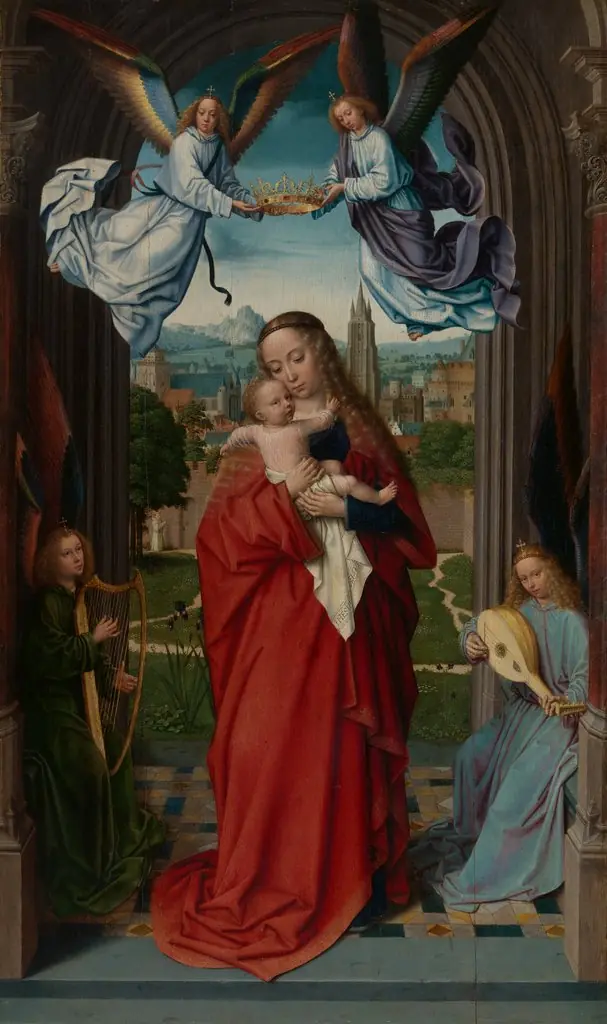 Virgin and Child with Four Angels
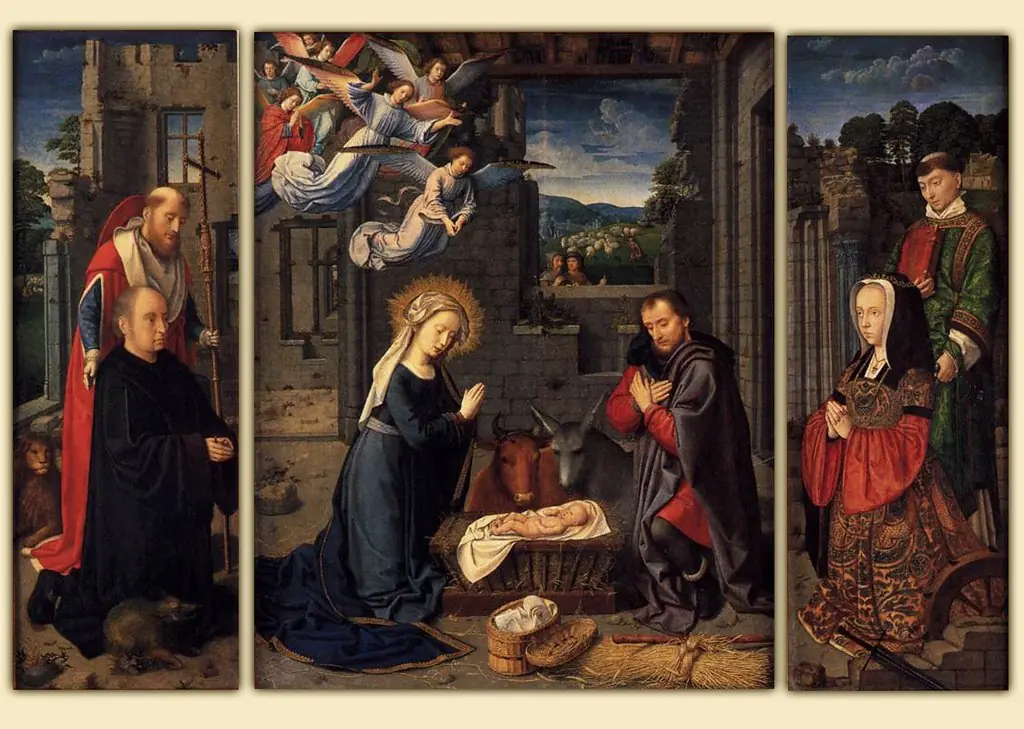 The Nativity with Donors and Saints Jerome and Leonard
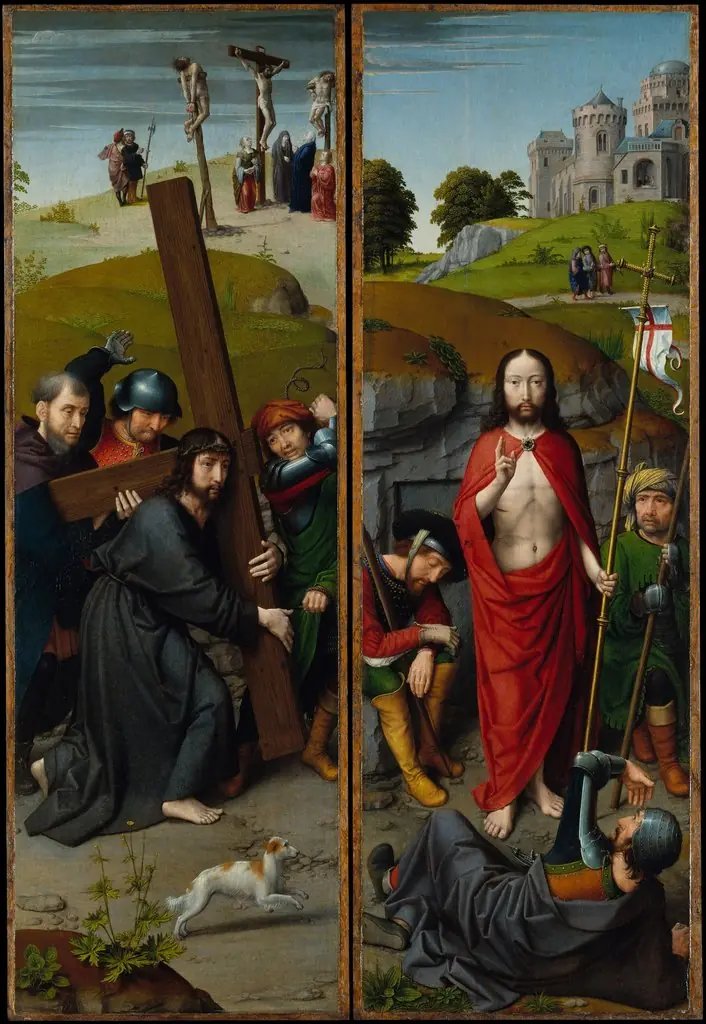 Christ Carrying the Cross, with the Crucifixion; The Resurrection, with the Pilgrims of Emmaus
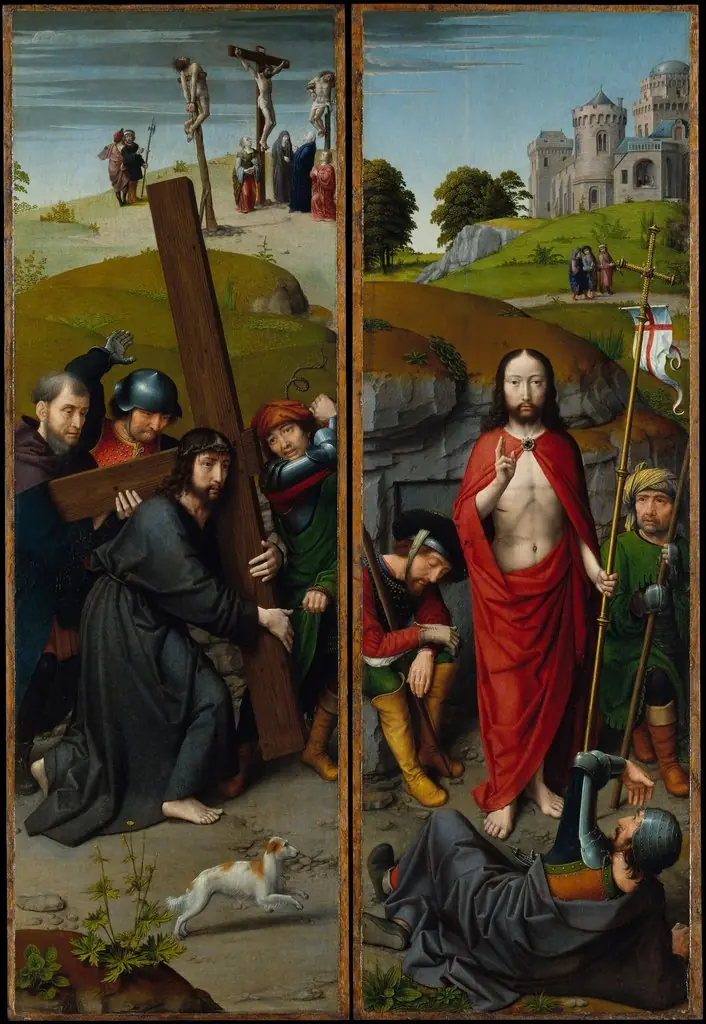 Christ Carrying the Cross, with the Crucifixion; The Resurrection, with the Pilgrims of Emmaus
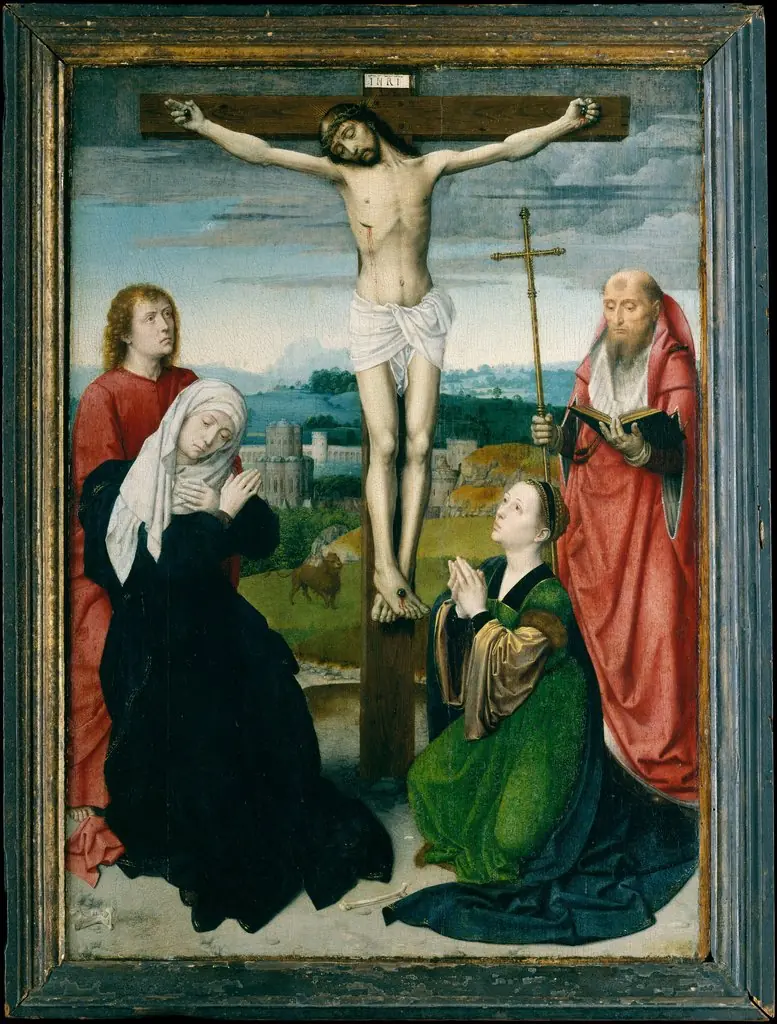 The Crucifixion
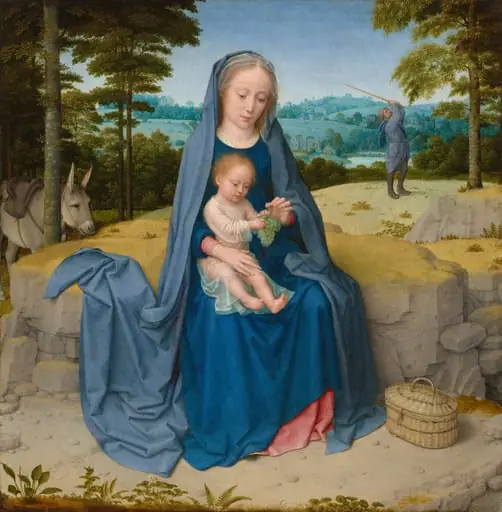 The Rest on the Flight into Egypt
![The Saint Anne Altarpiece: Saint Anne with the Virgin and Child [middle panel], by Gerard David](https://artifactworldgallery.com/img/gerard-david--the-saint-anne-altarpiece-saint-anne-with-the-virgin-and-chi--781e919f9012a004-w320.webp) The Saint Anne Altarpiece: Saint Anne with the Virgin and Child [middle panel]
The Saint Anne Altarpiece: Saint Anne with the Virgin and Child [middle panel]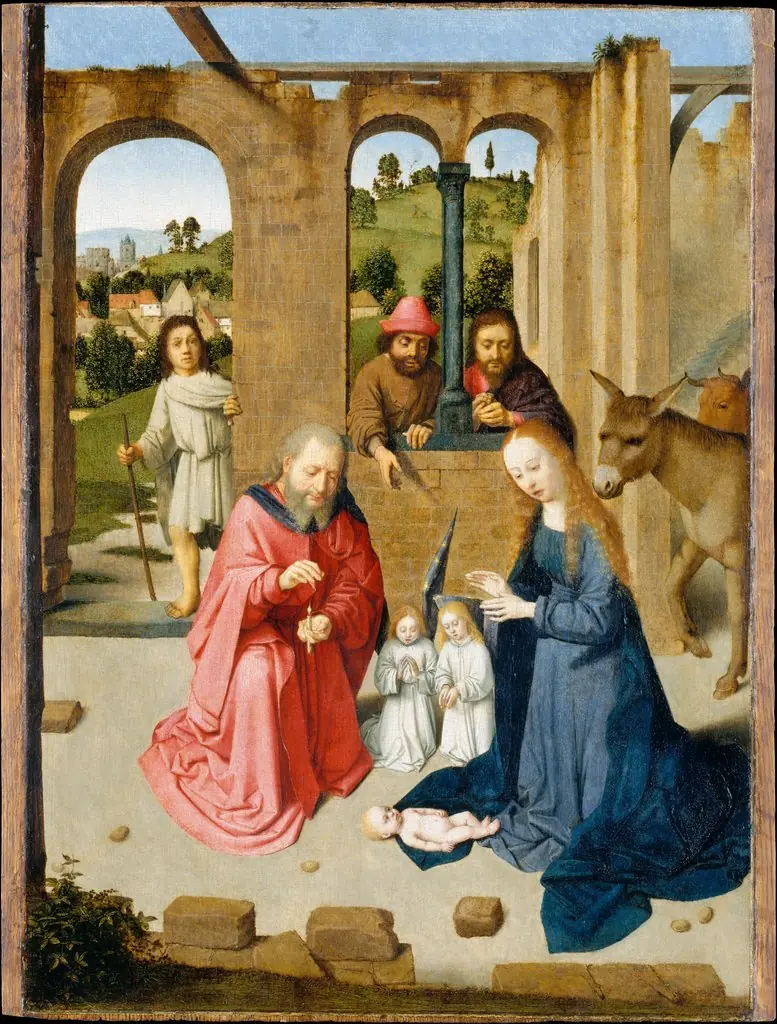 The Nativity