Artwork
Karl XI (1665-1697), king of Sweden
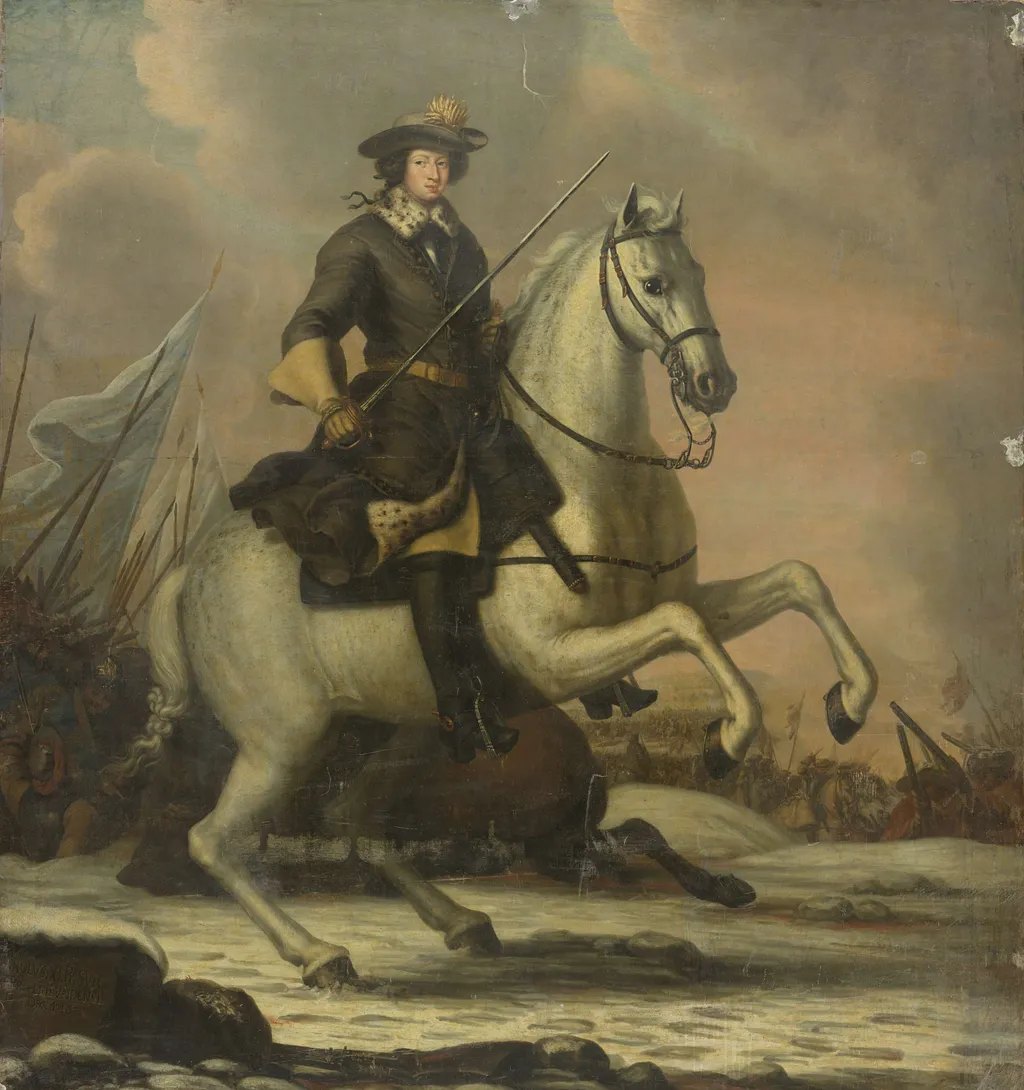
Karl XI (1665-1697), king of Sweden is an oil painting by David Klöcker Ehrenstrahl. It dates from 1694 and is held in the collection of the Rijksmuseum.
About this work
Overview
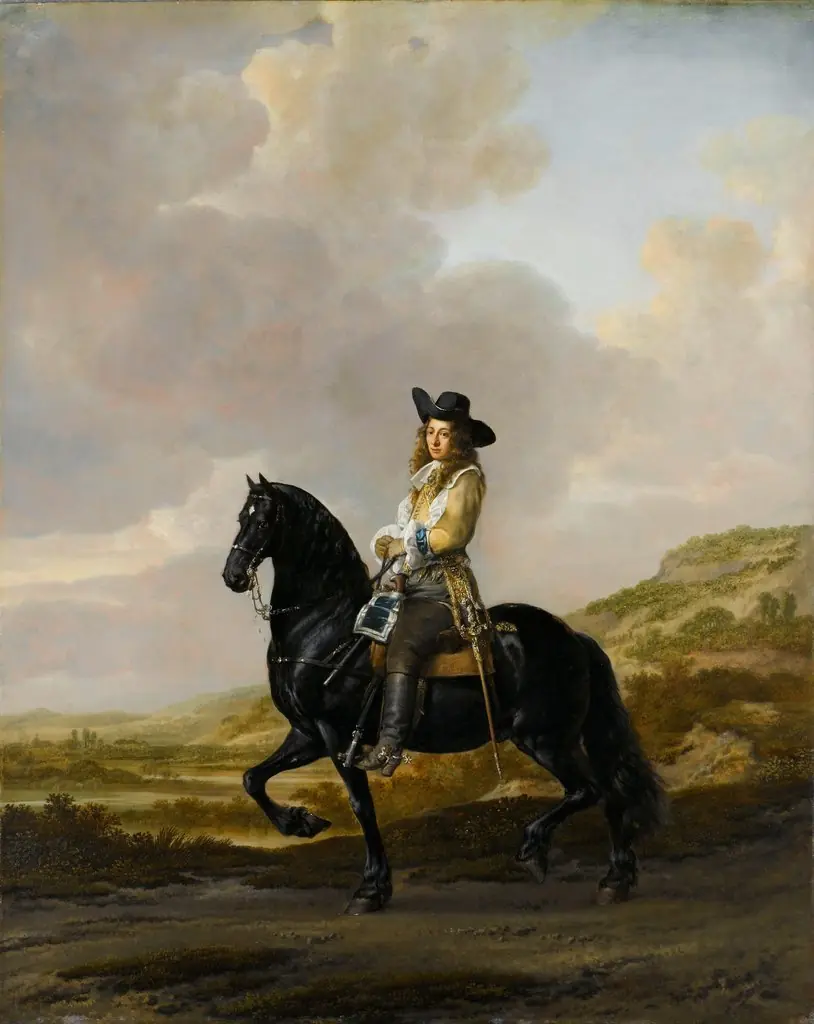
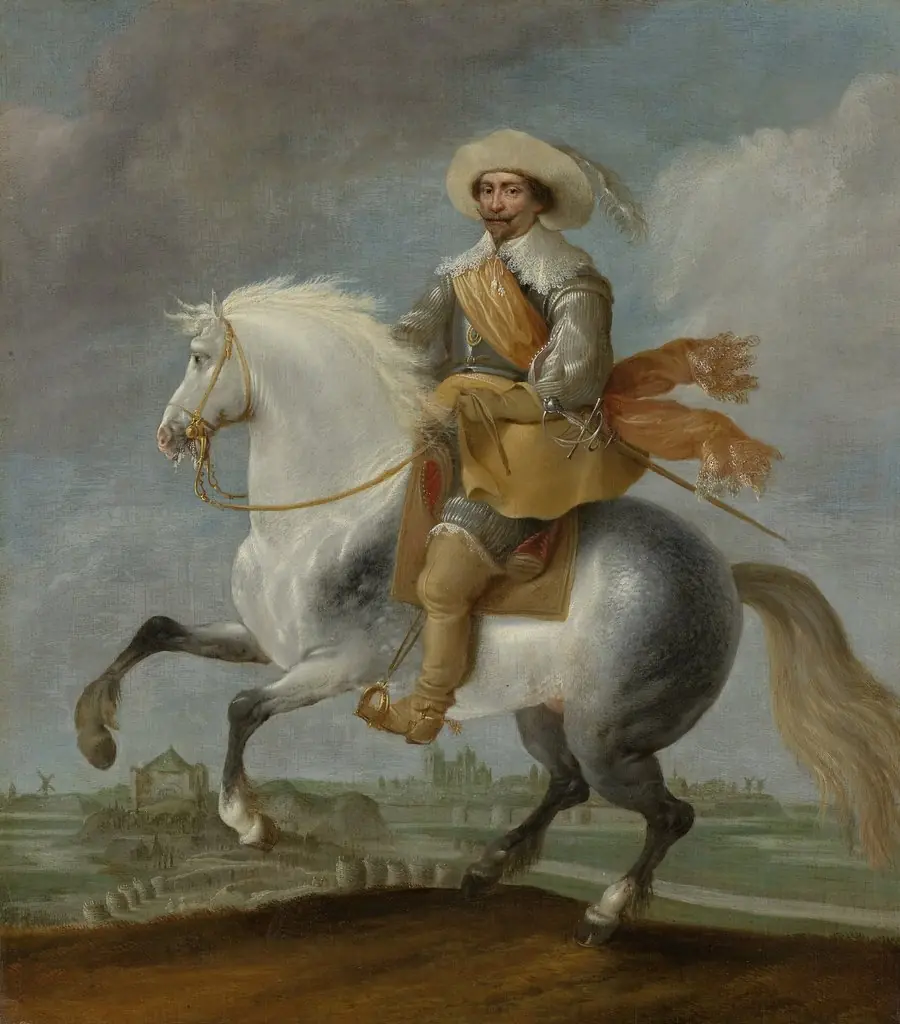
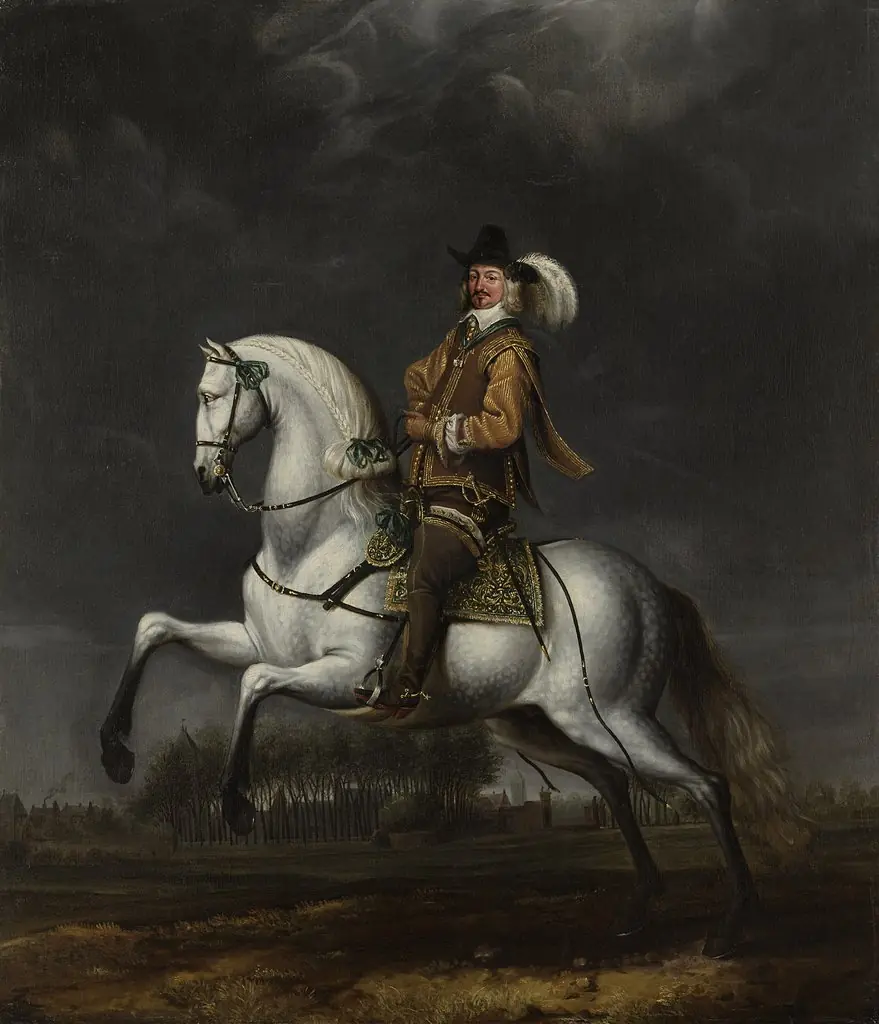
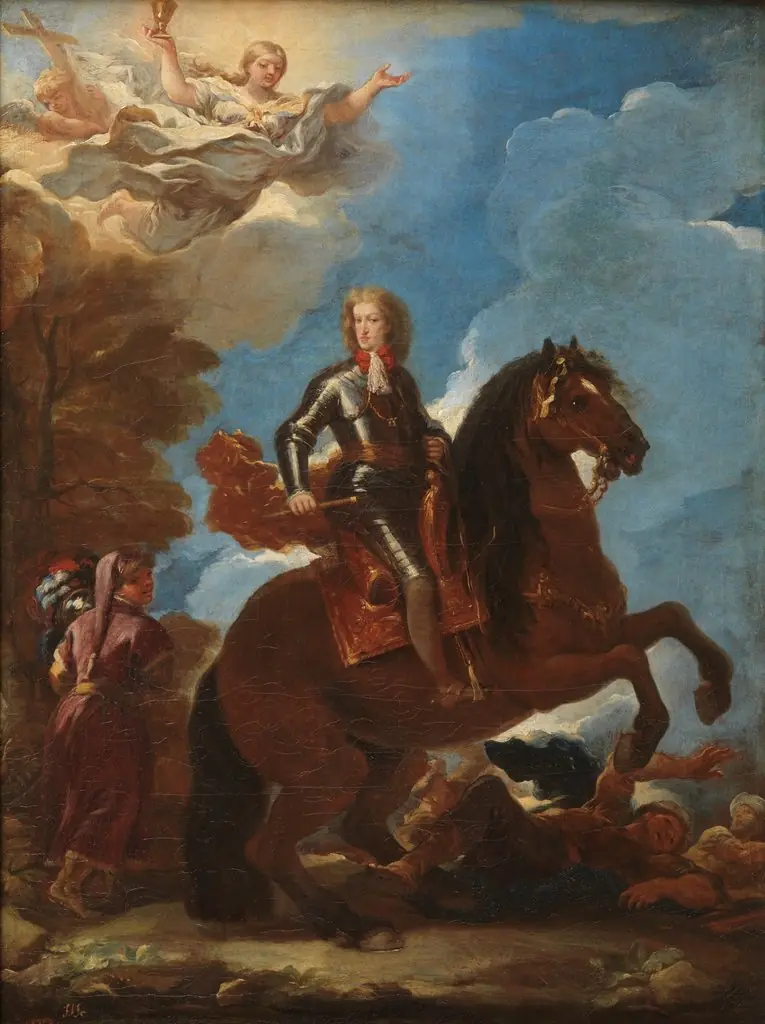
David Klöcker Ehrenstrahl’s oil painting from 1694 portrays King Charles XI of Sweden amid a dramatic equestrian scene. The work, now part of the Rijksmuseum’s collection, combines portraiture with a narrative landscape, presenting the monarch on a rearing white horse alongside marching soldiers and a distant seascape.
Subject & Meaning
The central figure, Charles XI, is shown in a dark coat and wide‑brimmed hat, his composure contrasting with the turbulent sky and the horse’s vigorous motion. The composition emphasizes royal authority and steadiness, suggesting the king’s command over both nature and his troops.
Technique & Style
Ehrenstrahl employs strong chiaroscuro, using light to isolate the monarch and his mount from the darker background. The contrast of illuminated figures against a stormy horizon heightens the sense of drama, while the detailed rendering of the horse’s musculature and the soldiers’ uniforms reflects the artist’s mastery of oil.
History & Provenance
Executed in 1694, the portrait was likely commissioned to celebrate Charles XI’s reign and military successes. Over the centuries it entered the Dutch national collection and is presently displayed at the Rijksmuseum in Amsterdam.
Context
The painting belongs to a tradition of European royal equestrian portraits that linked sovereigns with martial prowess. Created during a period of Swedish expansion, it mirrors contemporary depictions of monarchs as both leaders and protectors of the realm.
Own this work as a print
Artist & collection
Artist
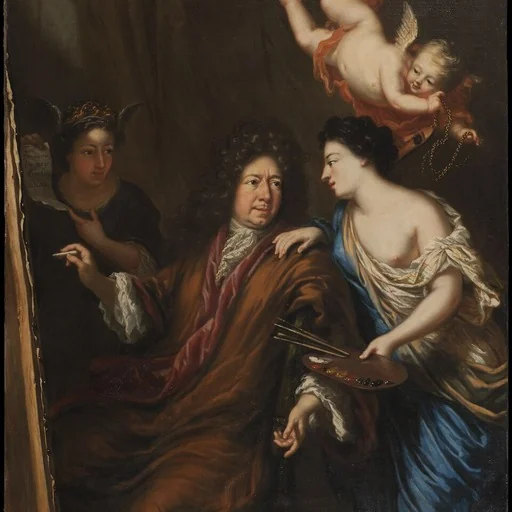
David Klöcker Ehrenstrahl (1628–1698) was an artist, born in Hamburg.