Artwork
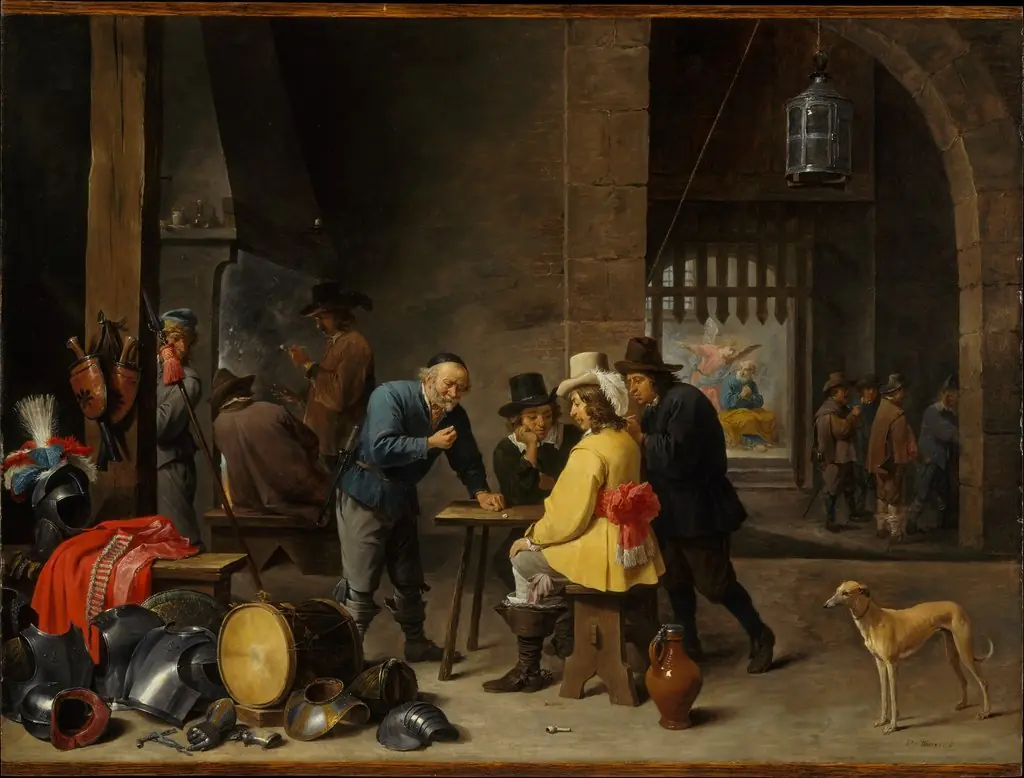
Guardroom
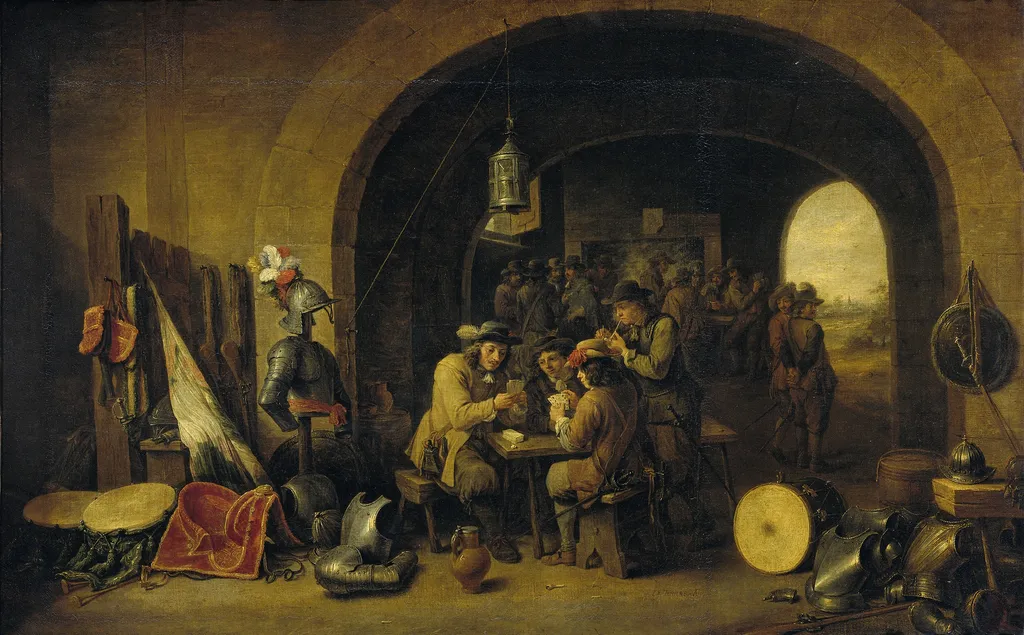
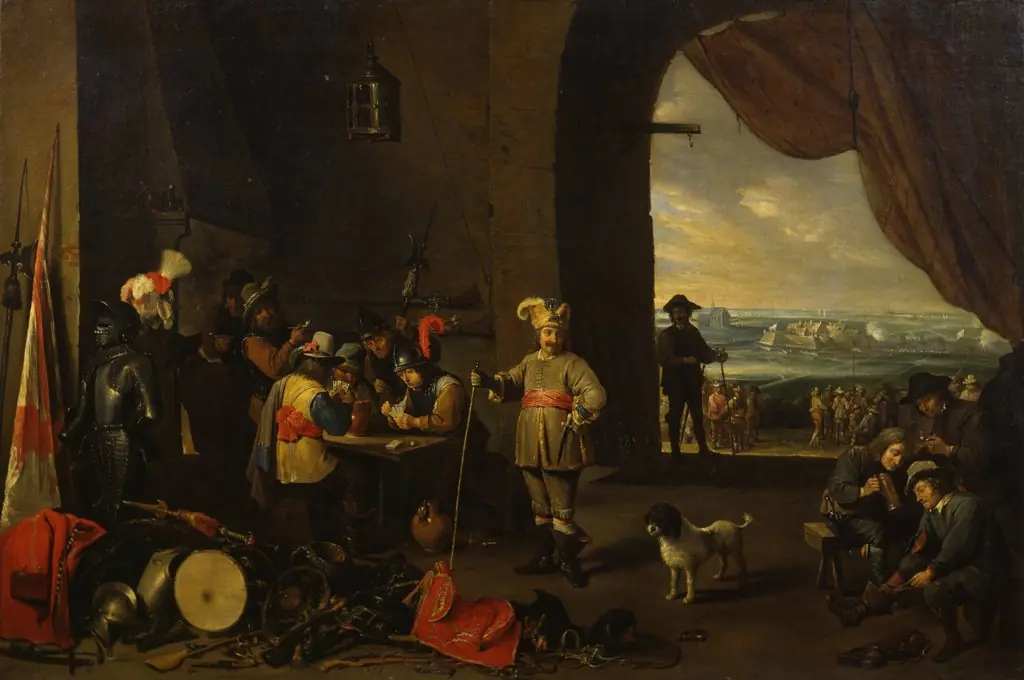
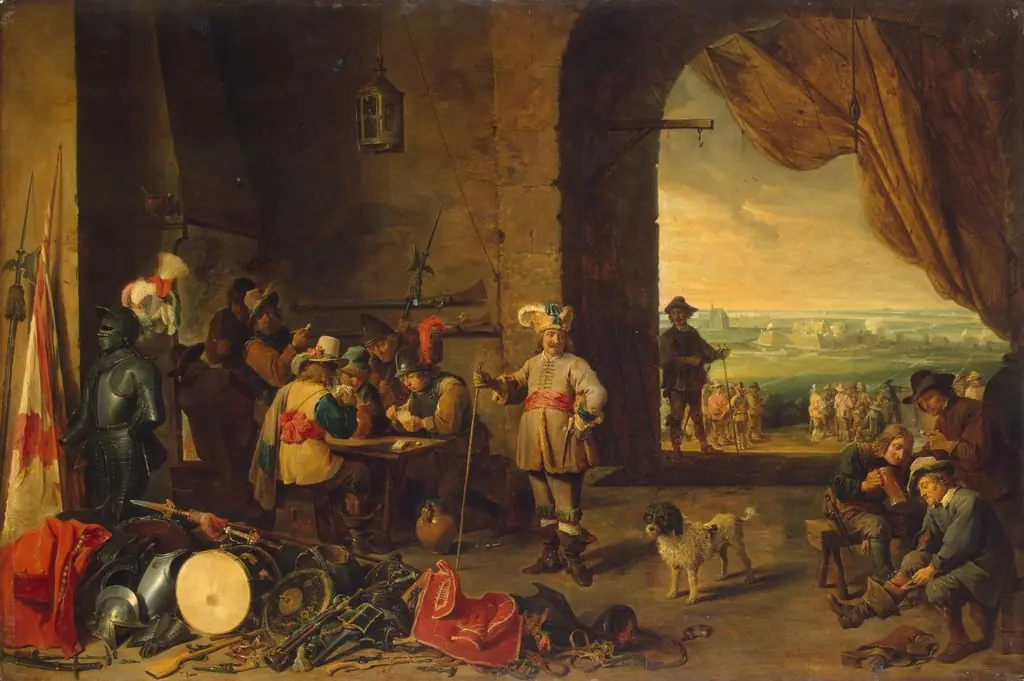
Guardroom is an oil painting by the Flemish Baroque painting artist David Teniers the Younger. It dates from 1641 and is held in the collection of the Rijksmuseum.
About this work
Overview
Guardroom, executed in oil on canvas in 1641 by the Flemish painter David Teniers the Younger, depicts a modest interior populated by armed men at rest. The work is part of the Rijksmuseum’s collection and exemplifies the artist’s interest in everyday military life, presenting a moment of informal leisure amid a martial setting.
Subject & Meaning
The scene gathers several soldiers in a dimly lit chamber. Three figures are seated at a table engaged in a card game, while others lean against the walls or stand nearby. Scattered on the floor are helmets, swords, a drum and other equipment, suggesting a pause between duties and hinting at the camaraderie and downtime of a guard’s routine.
Technique & Style
Teniers employs a strong chiaroscuro effect, using a single lantern to illuminate the central figures against a dark background. This contrast sharpens the textures of the metal armor and the wooden table, while the subdued palette reinforces the intimate, nocturnal atmosphere. The brushwork combines detailed rendering of objects with looser handling of surrounding shadows.
History & Provenance
Created during the height of Teniers’s career, the painting entered the Rijksmuseum’s holdings as part of its 19th‑century acquisitions of Dutch and Flemish Baroque works. Its provenance prior to museum acquisition is not extensively documented, but the piece has remained a representative example of Teniers’s genre scenes of military life.
Artist & collection
Artist
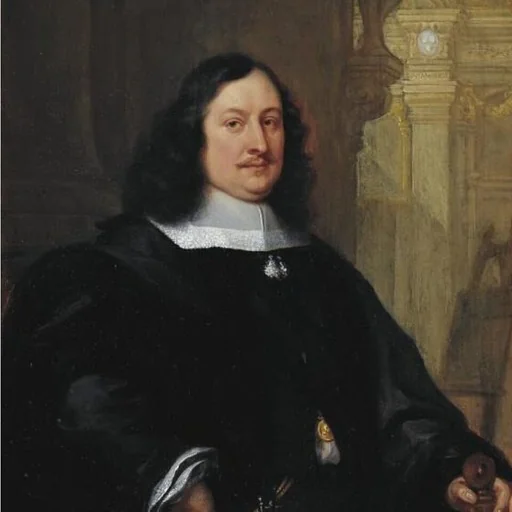
David Teniers the Younger or David Teniers II was a Flemish Baroque painter, printmaker, and artist.