Artwork
Untitled
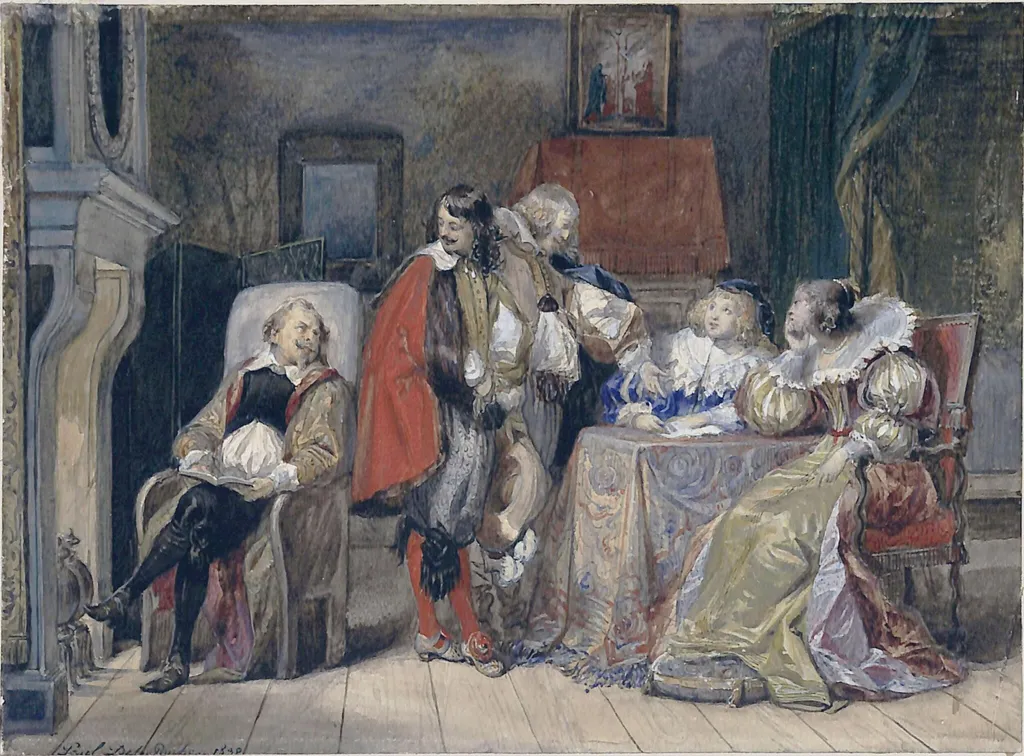
Untitled is a watercolor work on paper by the Romanticist artist Paul Delaroche. It dates from 1832 and is held in the collection of the Victoria and Albert Museum.
About this work
Overview
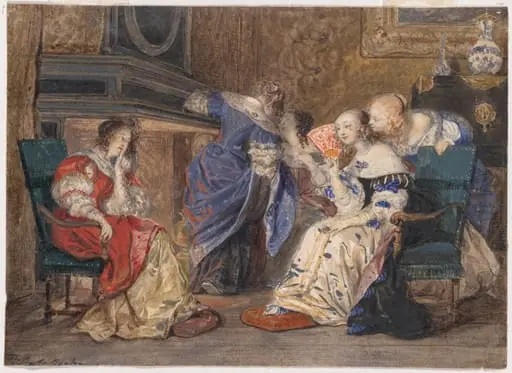
The composition centers on a table surrounded by seated and standing individuals, with a fireplace and a small painting on the wall anchoring the background.
Created in 1832, this watercolour and gouache work by Paul Delaroche presents a quiet interior scene populated by five figures dressed in early 17th-century attire. The composition centers on a table surrounded by seated and standing individuals, with a fireplace and a small painting on the wall anchoring the background. Delaroche employed translucent washes and subtle opaque touches to suggest texture and atmosphere without overt detail, capturing a moment of domestic stillness.
Subject & Meaning
The figures appear engaged in a private, unspoken exchange—two men converse near a table where women and children sit, while a third man reads beside the hearth. The absence of clear narrative cues suggests an everyday moment rather than a historical event. The clothing and setting imply a middle- or upper-class household, possibly reflecting the era’s domestic ideals, though the scene resists explicit interpretation, inviting contemplation over storytelling.
Technique & Style
Delaroche used loose, fluid watercolour strokes layered with gouache for selective opacity, particularly in fabrics and shadows. The palette is muted, dominated by earth tones and soft blues, with minimal highlights to suggest light filtering through a dim room. Brushwork remains visible, lending a sense of immediacy; the worn wooden floor and faded tablecloth are rendered with suggestive rather than precise detail, emphasizing mood over precision.
History & Provenance
The work dates from Delaroche’s early career, a period when he was transitioning from academic history painting to more intimate subjects. It likely originated in his personal sketchbook or studio practice, possibly as a study for a larger composition. Its survival as a standalone piece suggests it was valued for its atmospheric qualities rather than its narrative function, though its early ownership remains undocumented.
Context
In the 1830s, French artists increasingly turned to domestic and historical genre scenes as alternatives to grand historical narratives. Delaroche’s focus on quiet interiors aligned with this trend, influenced by Dutch Golden Age painting and contemporary interest in psychological realism. The work reflects a broader European fascination with reconstructing the past through intimate, materially specific settings rather than dramatic events.
Legacy
Though not widely exhibited, this watercolour exemplifies Delaroche’s skill in evoking emotional resonance through restrained means. It influenced later 19th-century artists who prioritized mood and texture over narrative clarity. Its preservation in institutional collections underscores its role as a quiet but significant example of French watercolour practice during a period of stylistic transition.
Artist & collection
Artist
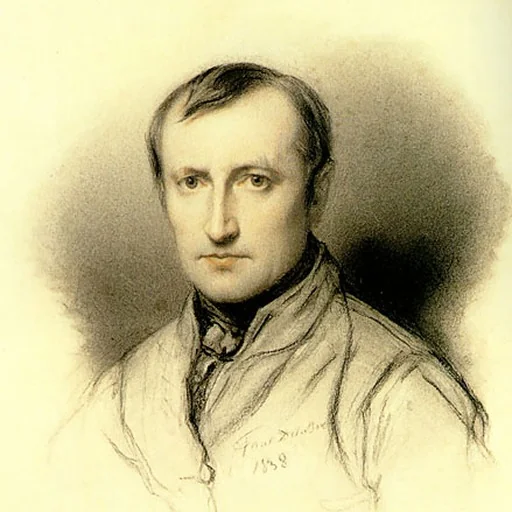
Hippolyte-Paul Delaroche (French pronunciation: ; 17 July 1797 – 4 November 1856) was a French painter known for his depiction of scenes from English and French history.

 Women in an Interior
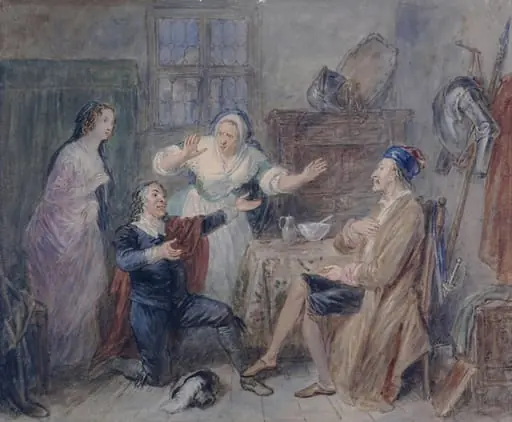 A Scene from Don Quixote
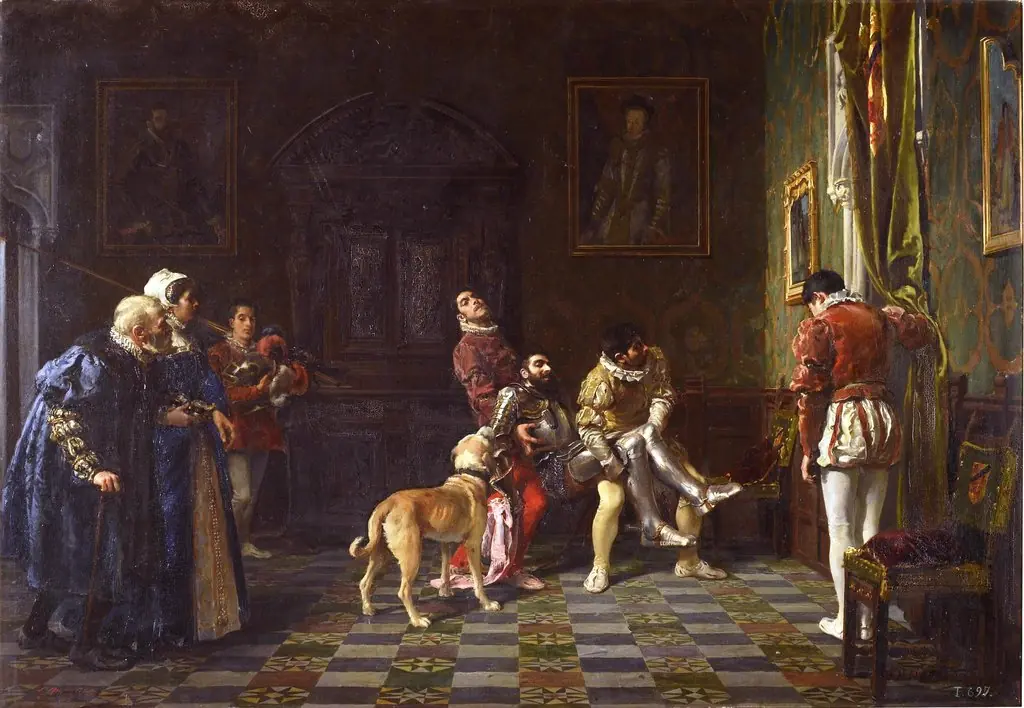 La vuelta del torneo
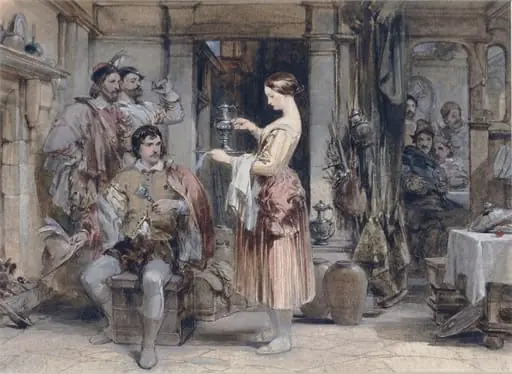 The Silent Warning
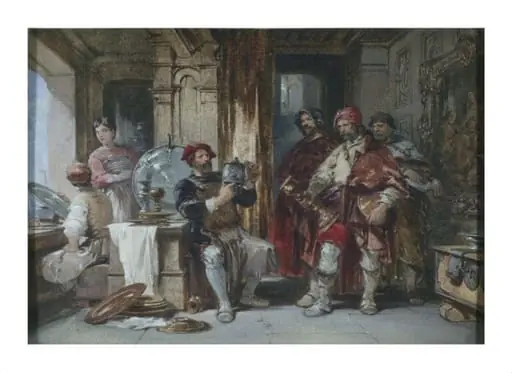 Cellini and the Robbers
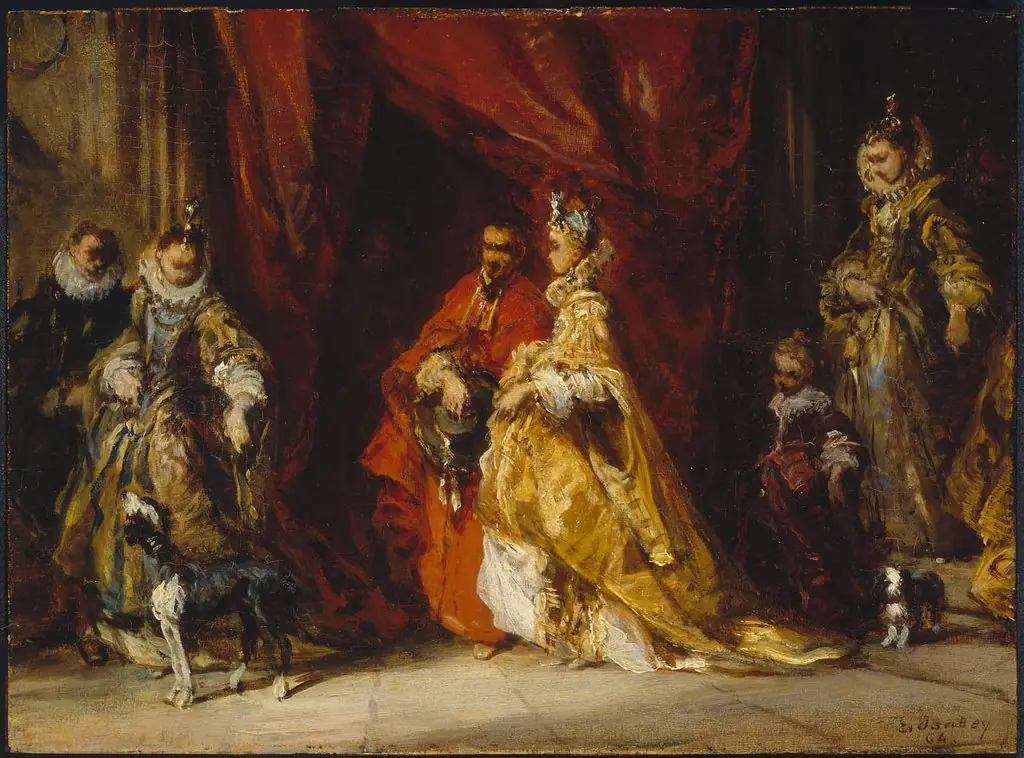 Courtiers in an Interior
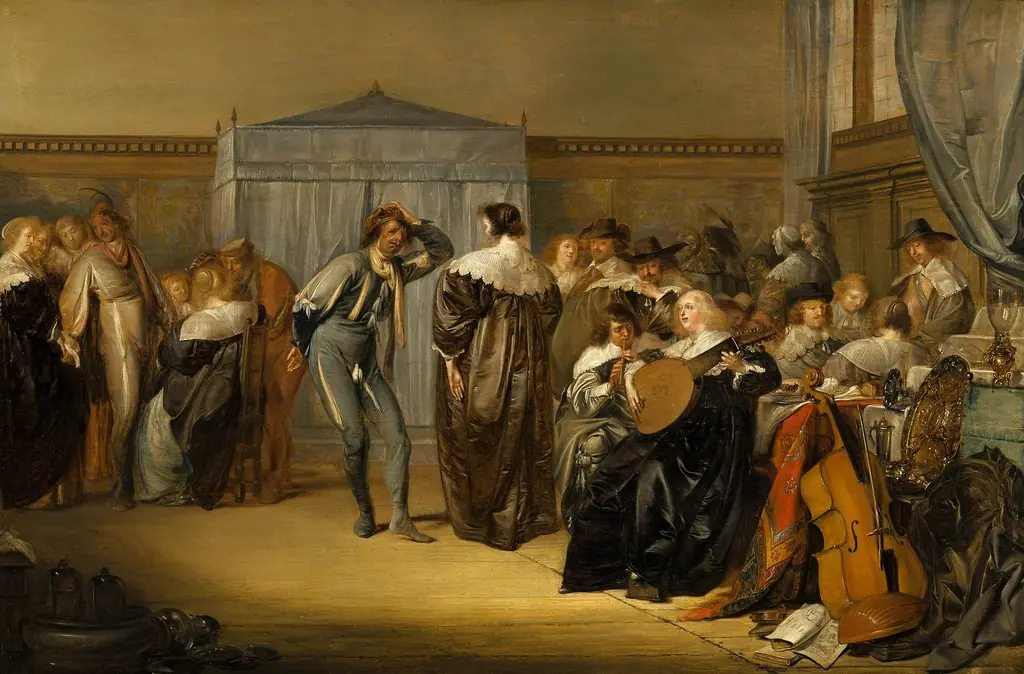 Merry Company with Masked Dancers
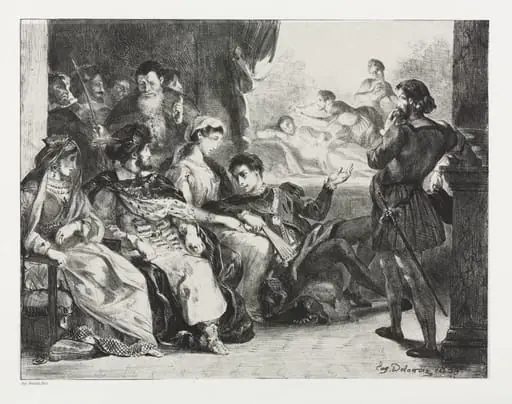 Hamlet: Hamlet Commands the Actors to do a Scene from the Poisoning of his Father
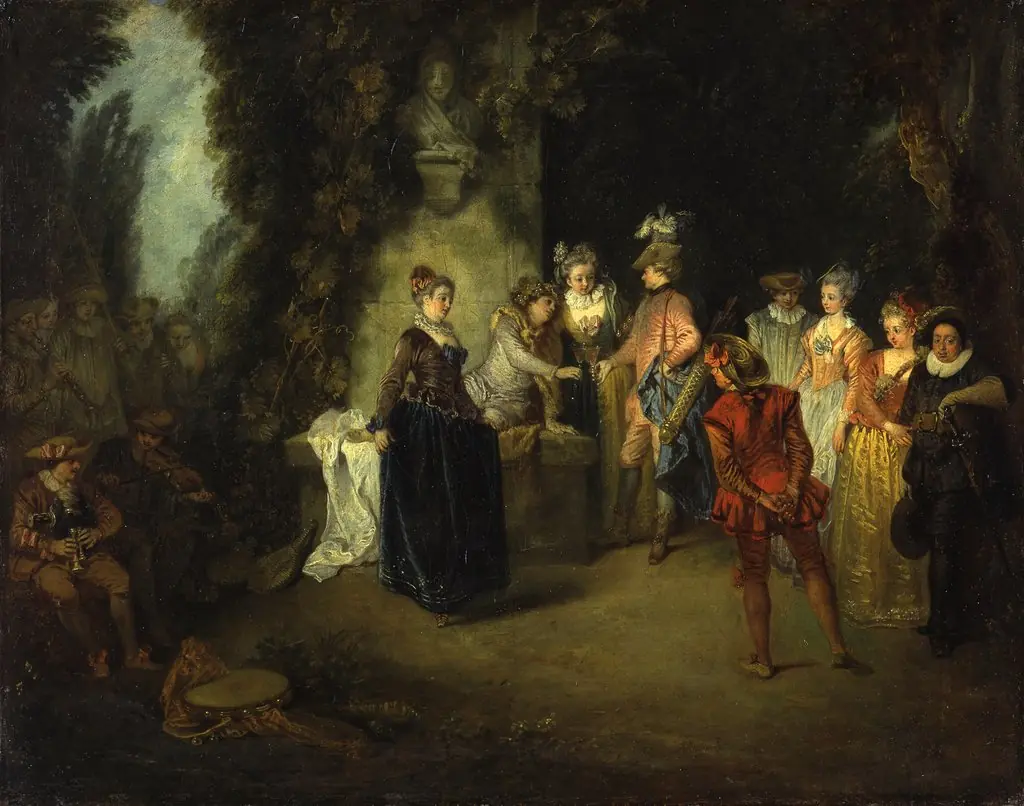 Love in the French Theatre
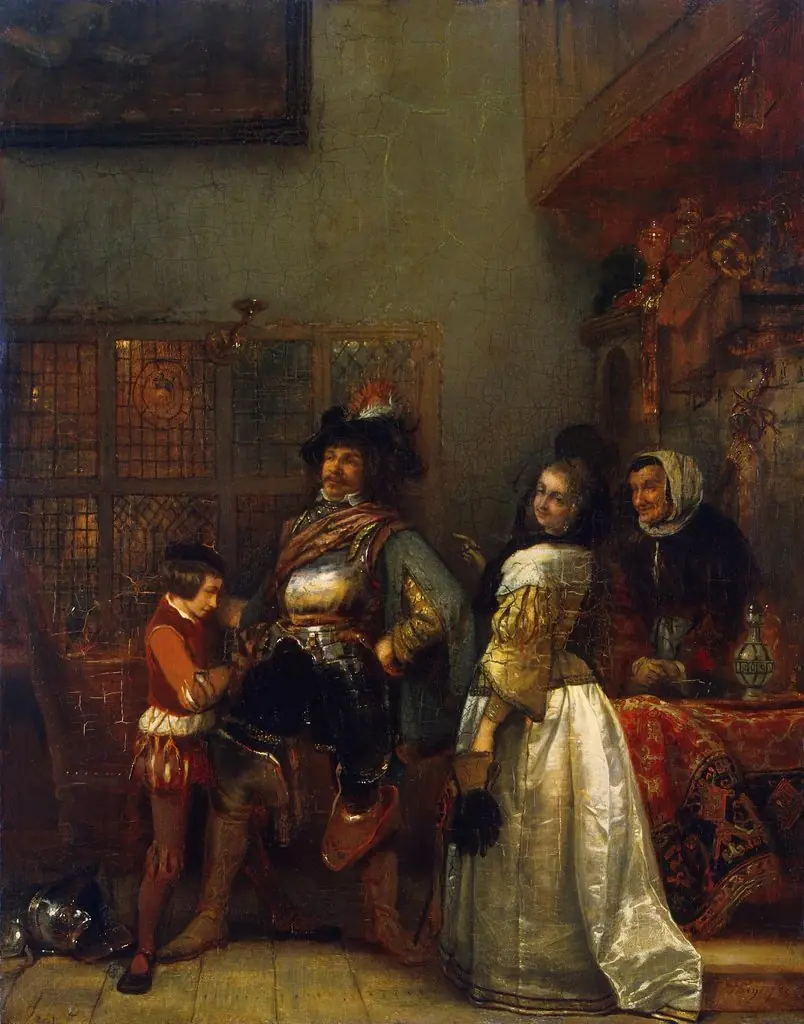 Home-Coming
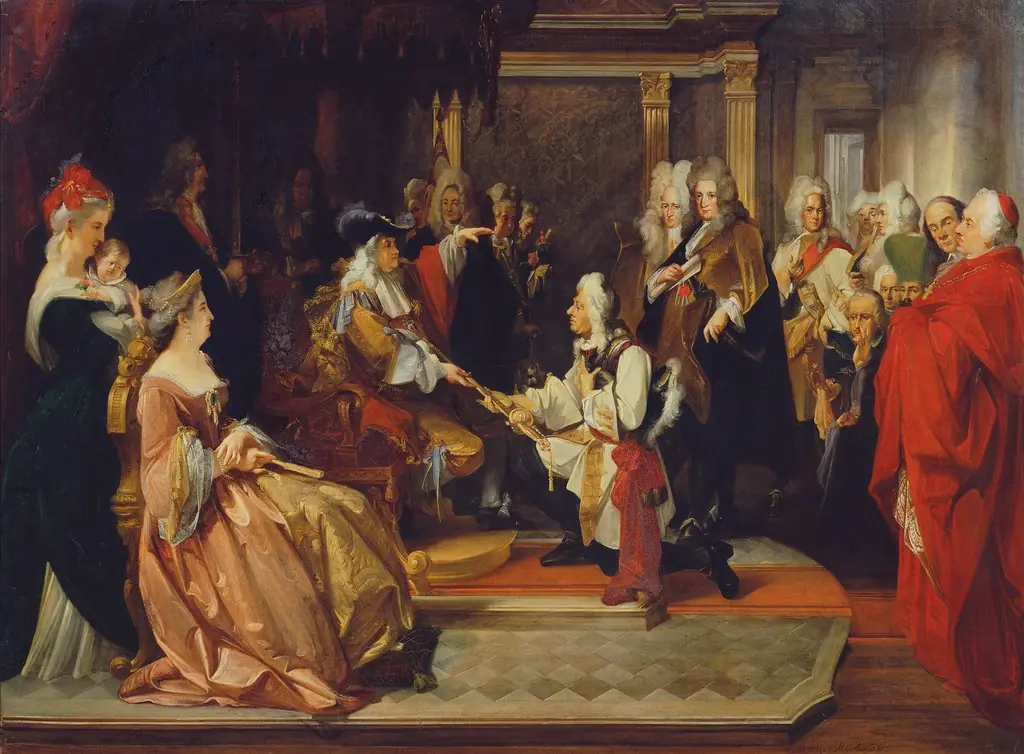 Kaiser Karl VI. überreicht Prinz Eugen nach der Schlacht bei Belgrad den Ehrendegen
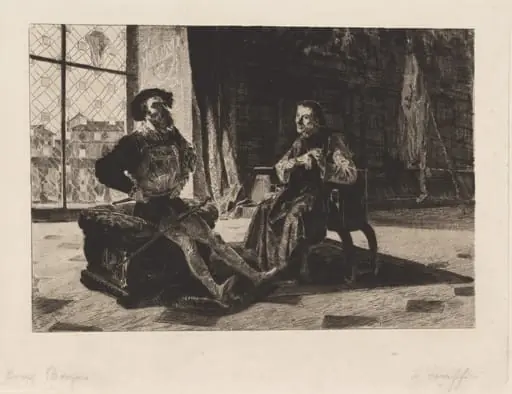 Cesare Borgia and Machiavelli