Artwork
Old Testament Figures in Paradise
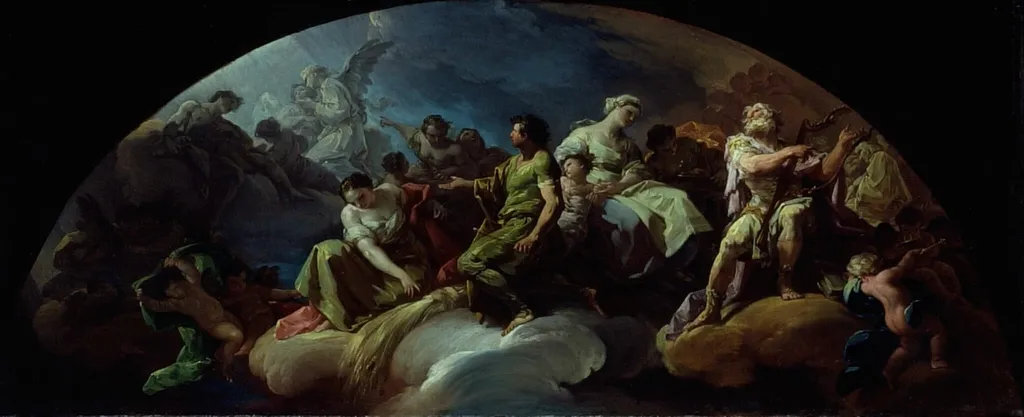
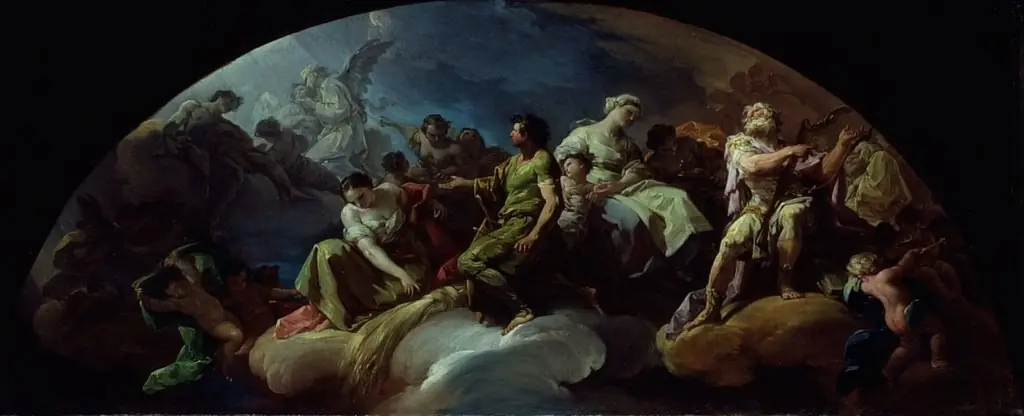
Old Testament Figures in Paradise is an oil painting by the Rococo painting artist Don Francisco Bayeu y Subías. It dates from 1756 and is held in the collection of the Art Institute of Chicago.
About this work
Overview
Painted in 1756 by Don Francisco Bayeu y Subías, this oil on canvas work depicts biblical figures from the Old Testament within an idealized garden setting.
Painted in 1756 by Don Francisco Bayeu y Subías, this oil on canvas work depicts biblical figures from the Old Testament within an idealized garden setting. It resides in the collection of the Art Institute of Chicago. The composition presents a serene, contemplative atmosphere, emphasizing harmony among the figures and their natural surroundings through balanced arrangement and soft tonal transitions.
Subject & Meaning
The painting gathers patriarchs and matriarchs from the Hebrew Scriptures—such as Adam, Eve, Abraham, and Sarah—in a tranquil Eden-like landscape. Their presence suggests a vision of divine favor and pre-fall innocence. Rather than narrating a specific biblical event, the scene evokes a timeless state of grace, where sacred ancestors coexist peacefully, embodying spiritual continuity and divine promise.
Technique & Style
Bayeu employed a restrained chiaroscuro to model forms subtly, avoiding dramatic contrasts in favor of gentle gradations of light. Warm earth tones and muted greens unify the composition, enhancing the sense of calm. Figures are rendered with classical poise, their garments rendered in detailed folds that suggest volume without excessive ornamentation, reflecting the artist’s alignment with late Baroque sensibilities tempered by emerging Neoclassical restraint.
History & Provenance
Commissioned for a religious or royal context in mid-18th century Spain, the painting entered the Art Institute of Chicago’s collection in the 20th century. Its journey from Spanish ecclesiastical circles to an American museum reflects broader patterns of art migration during the modern era, though specific ownership records between its creation and acquisition remain partially undocumented.
Context
Created during Spain’s Bourbon reforms, the work aligns with a period when religious art was being reimagined with greater naturalism and emotional restraint. Bayeu, closely associated with the Royal Academy of San Fernando, responded to contemporary shifts away from ornate Counter-Reformation imagery toward quieter, more humanized depictions of sacred subjects, influenced by Italian and French academic traditions.
Legacy
Though not widely exhibited outside institutional settings, the painting exemplifies the transition in Spanish religious art toward intimate, contemplative scenes. It preserves Bayeu’s contribution to a generation of artists who softened the emotional intensity of earlier Baroque traditions, paving the way for more restrained, human-centered depictions of biblical narratives in the late 18th century.
Artist & collection

 Judecata lui Paris
 Juno asks Aeolus to destroy Aeneas's ships
 Olympus: The Fall of the Giants
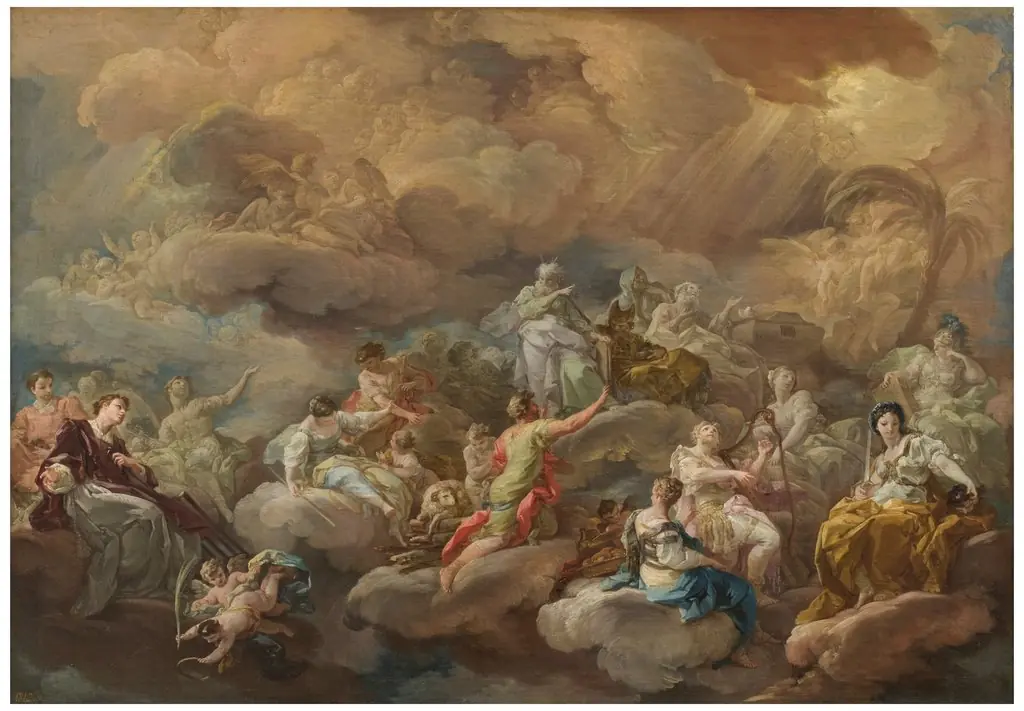 Gloria de santos
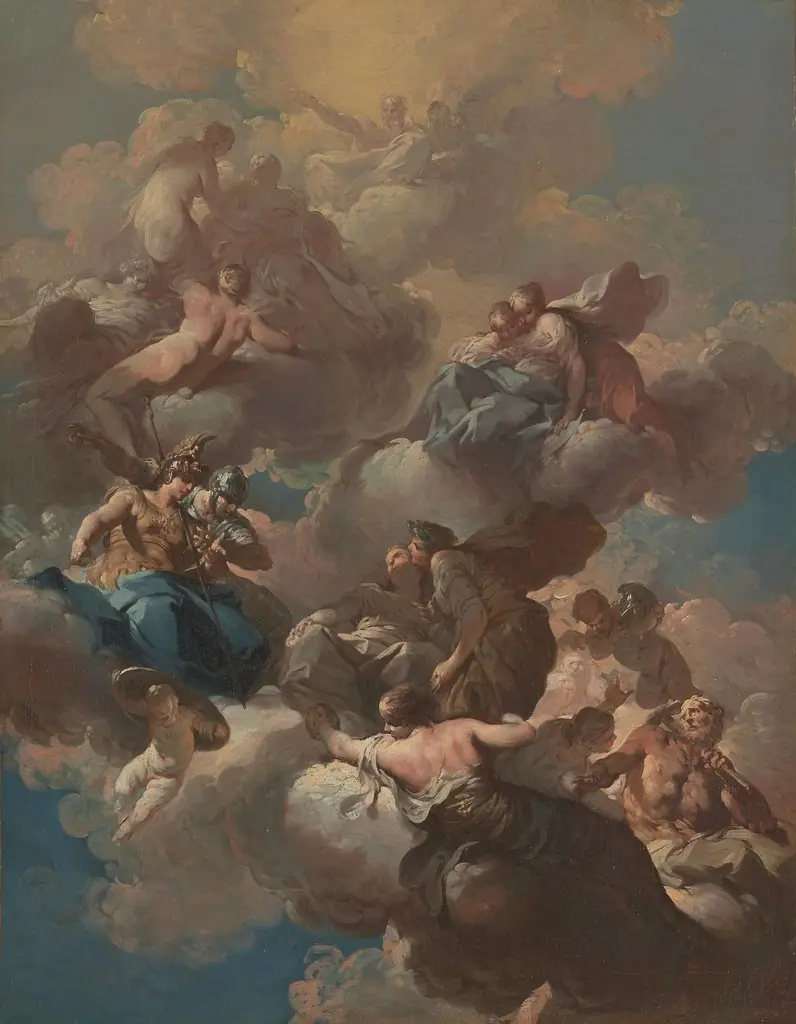 Sketch for a Ceiling Fresco
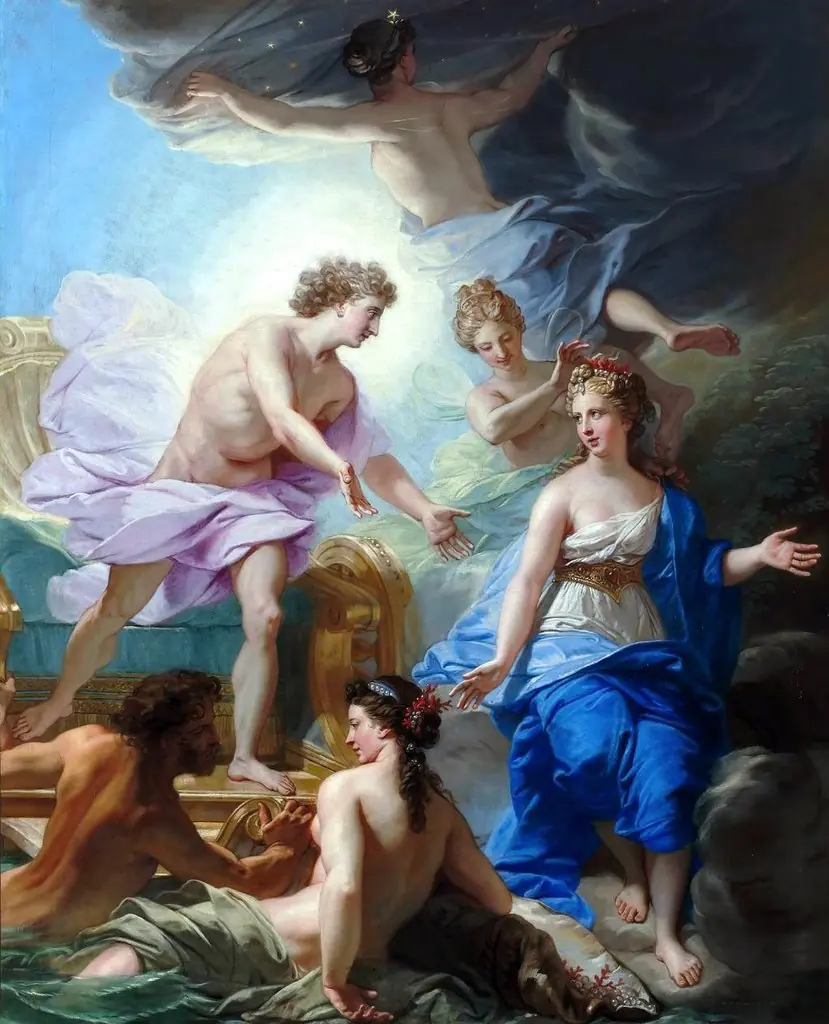 Apollo and Thetis
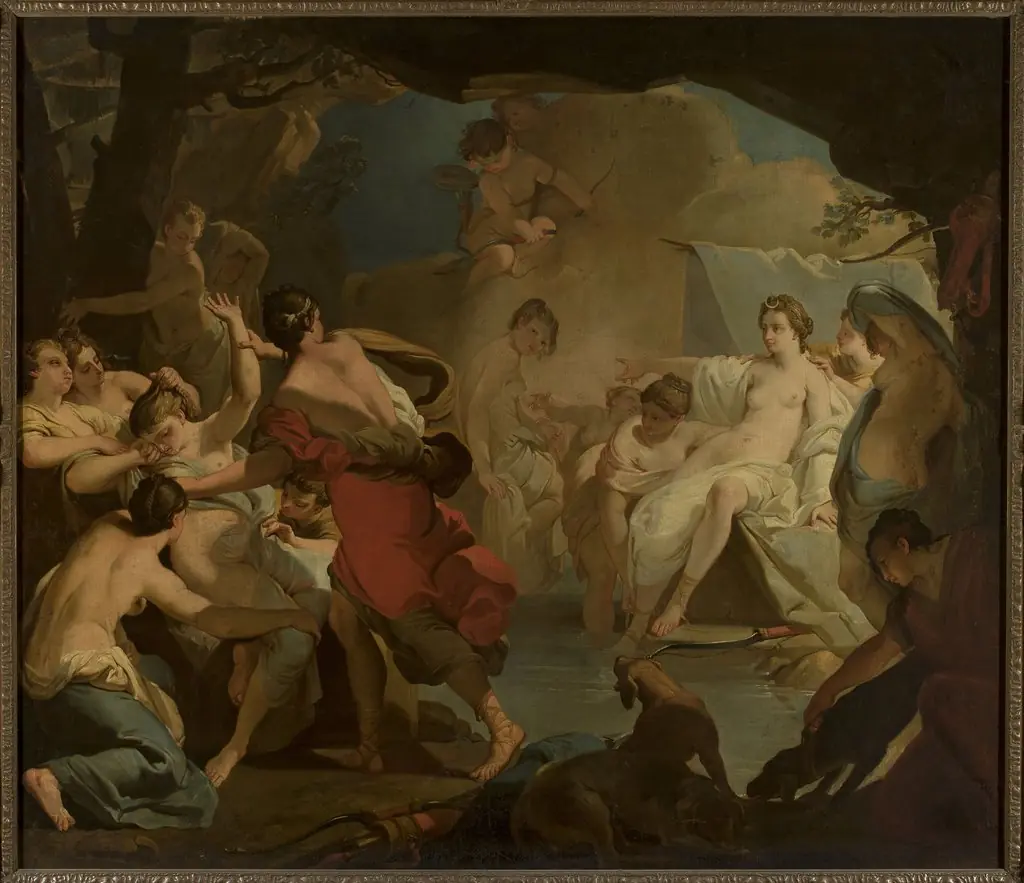 Diana's judgement of the nymph Callisto
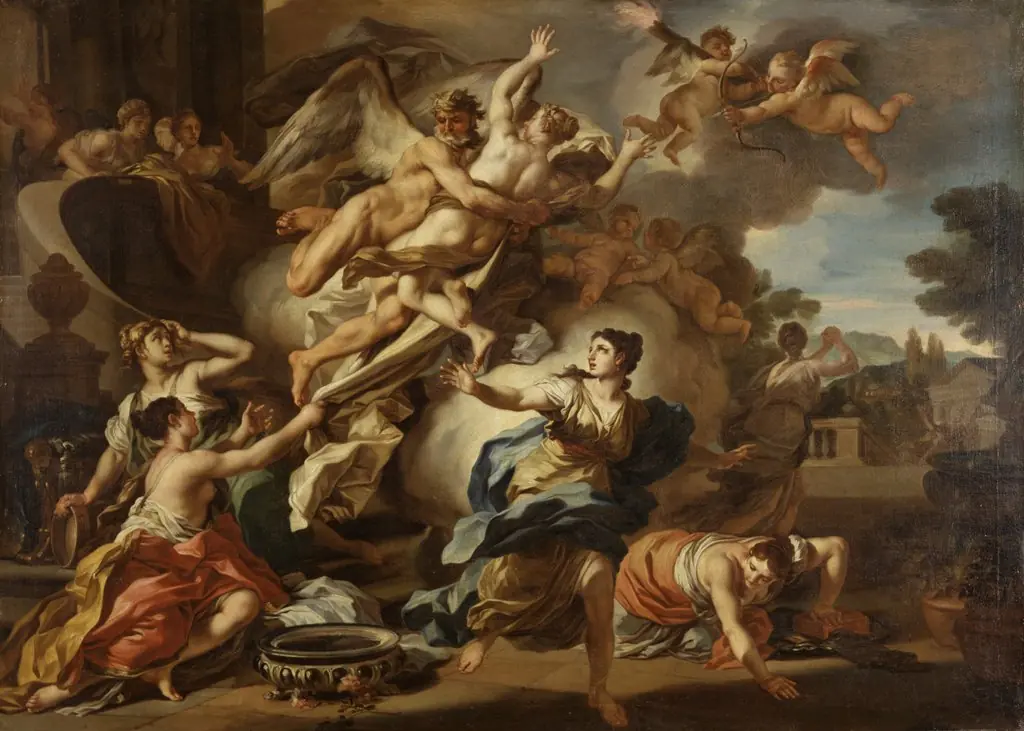 The Abduction of Orithyia
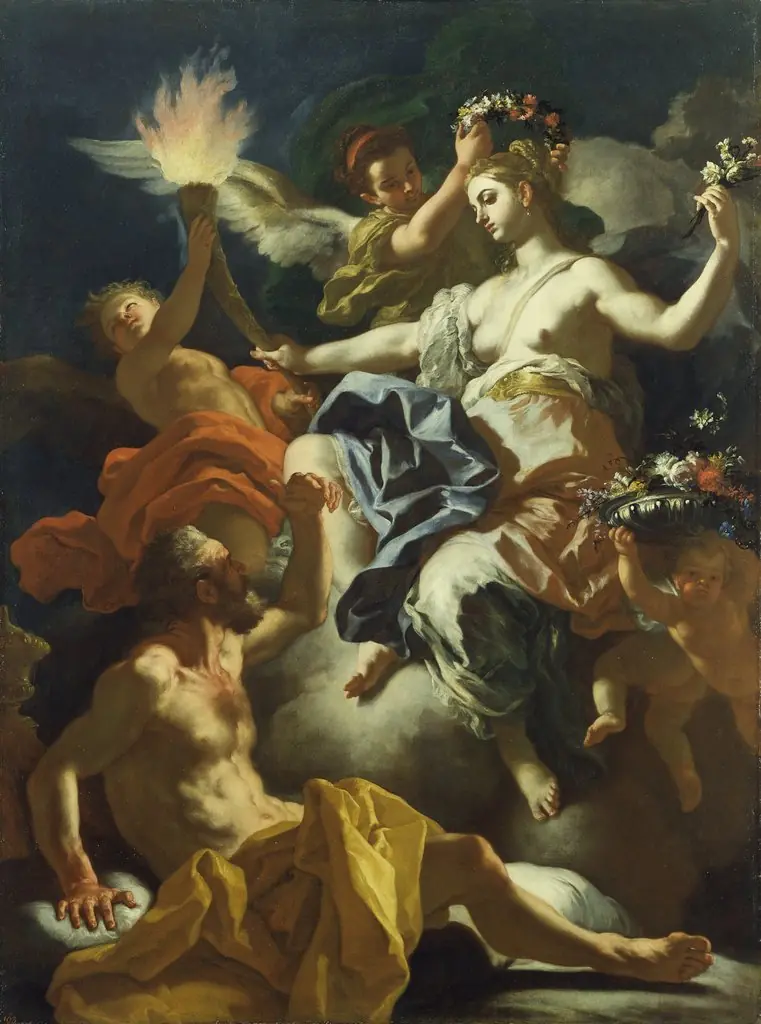 Aurora Taking Leave of Tithonus
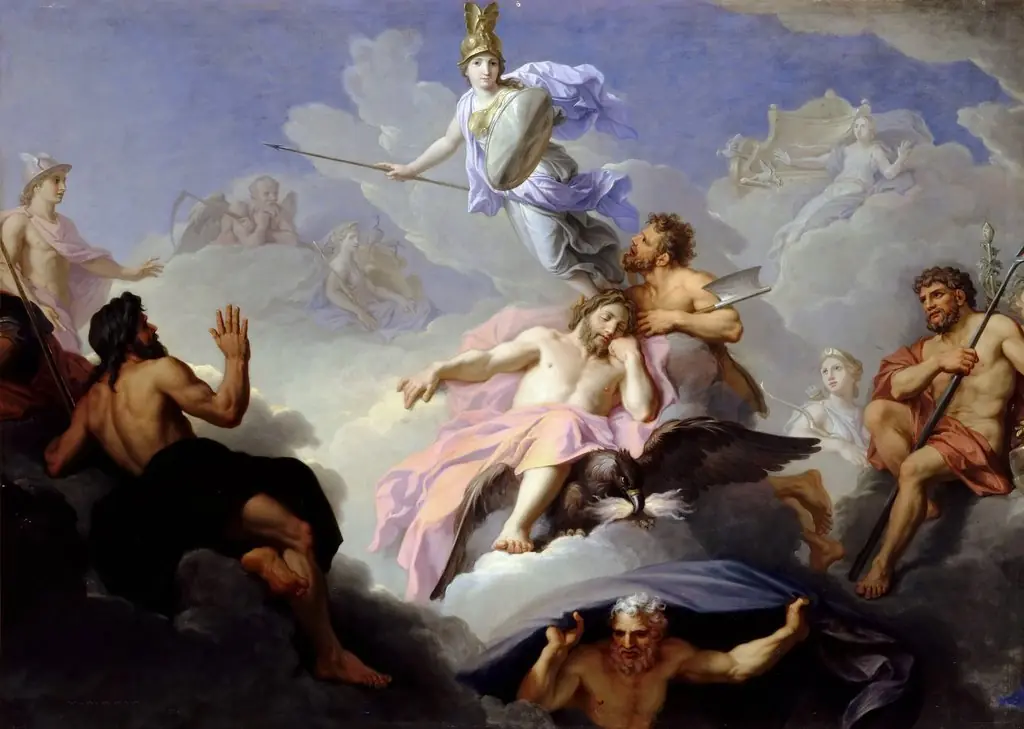 The Birth of Minerva
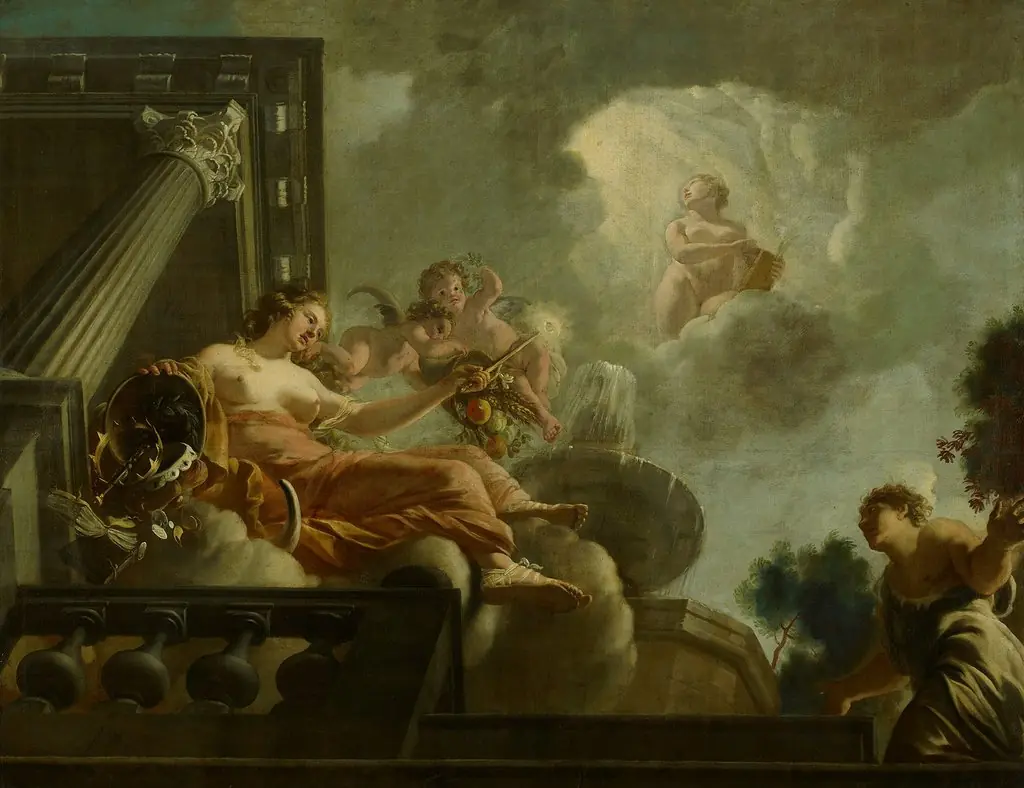 Religio begunstigt Abondantia : Allegorische voorstelling van de verzorging van leprozen en onnozelen
 Old Testament Figures in Paradise