Artwork
Junge Frau mit Pelerine
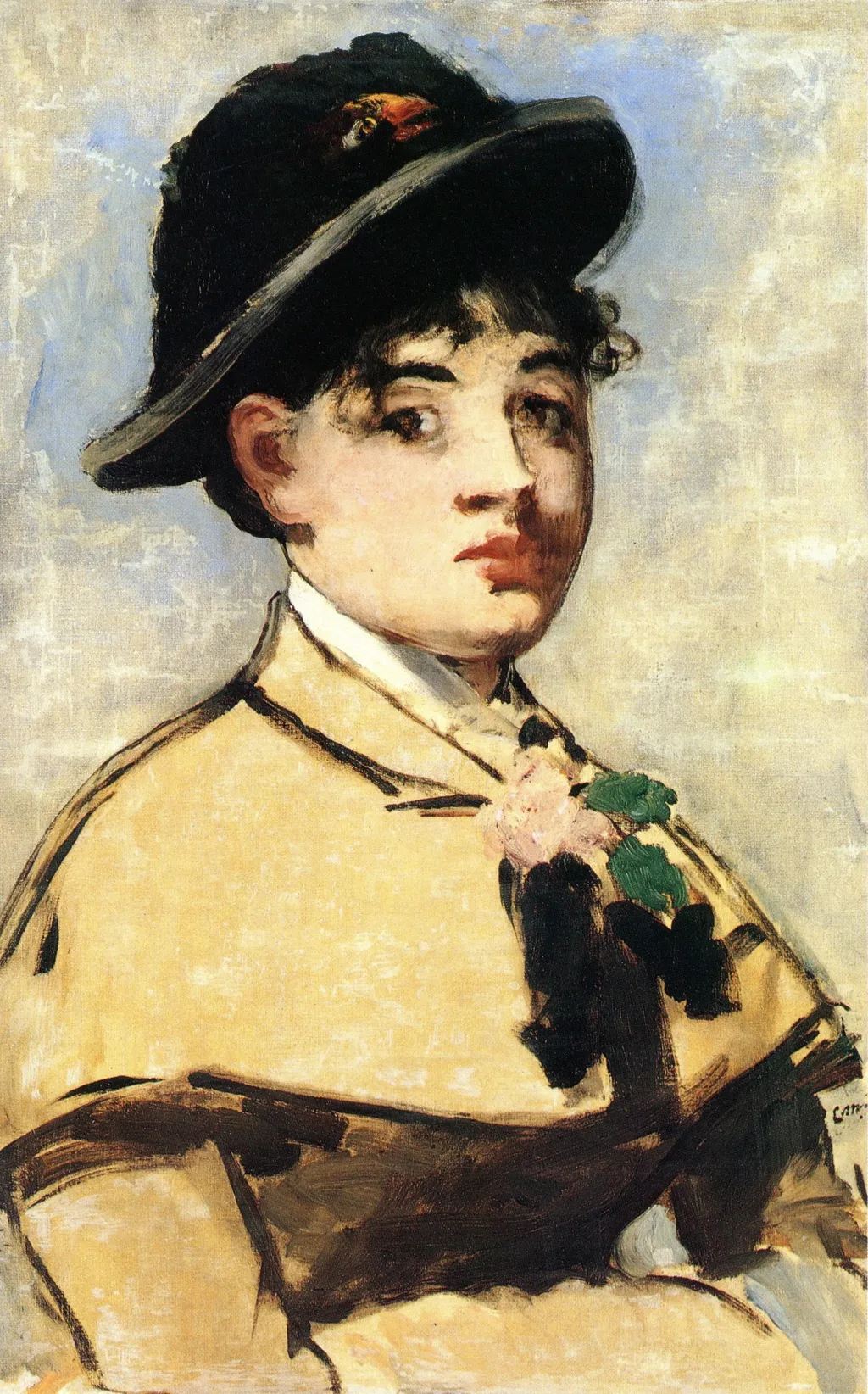
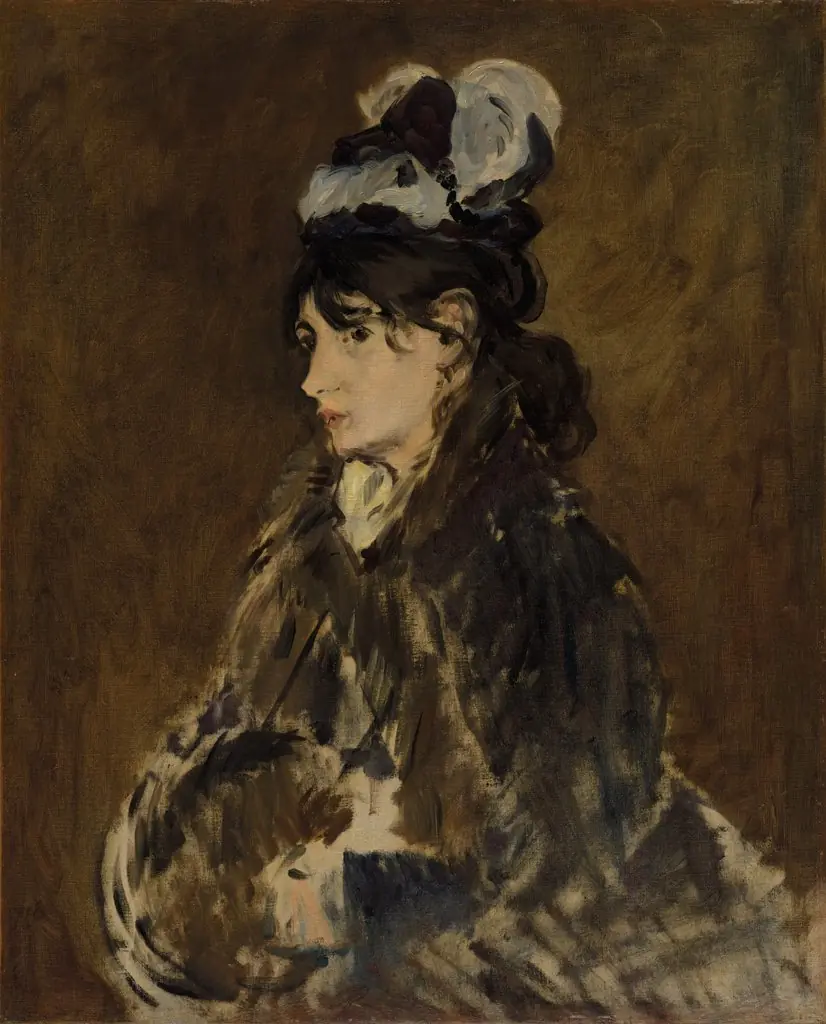
Junge Frau mit Pelerine is an oil painting by the Impressionist artist Edouard Manet. It is held in the collection of the Museum of Fine Arts of Lyon.
About this work
Overview
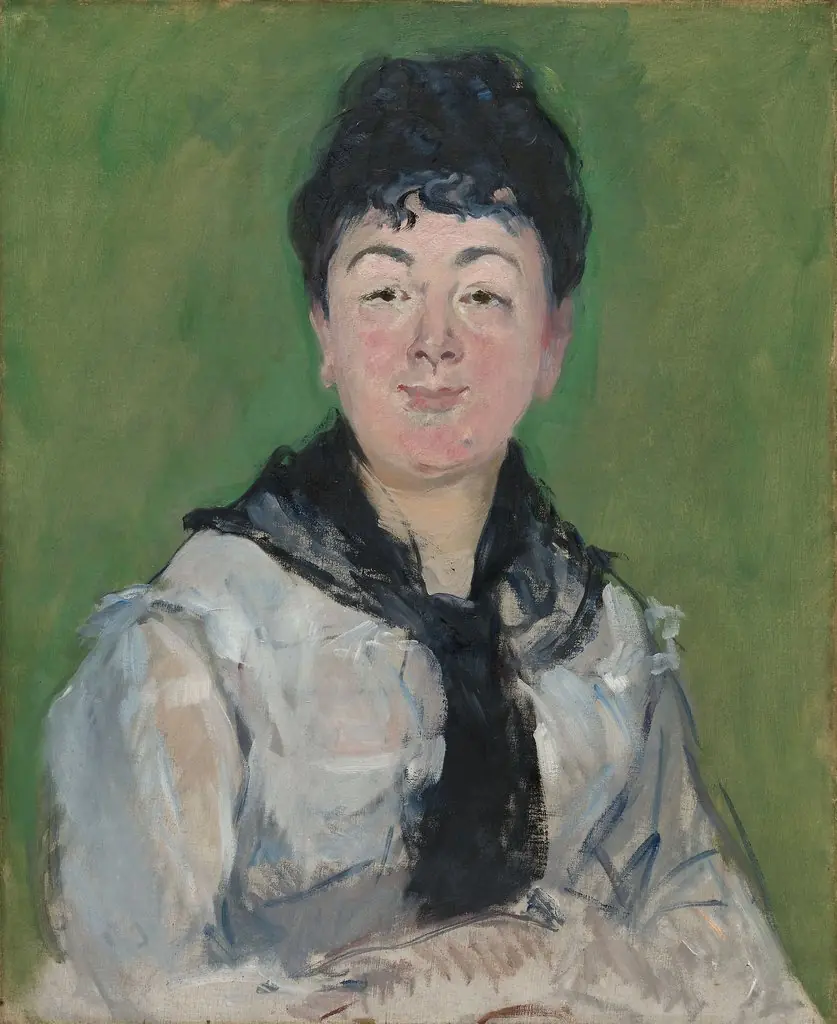
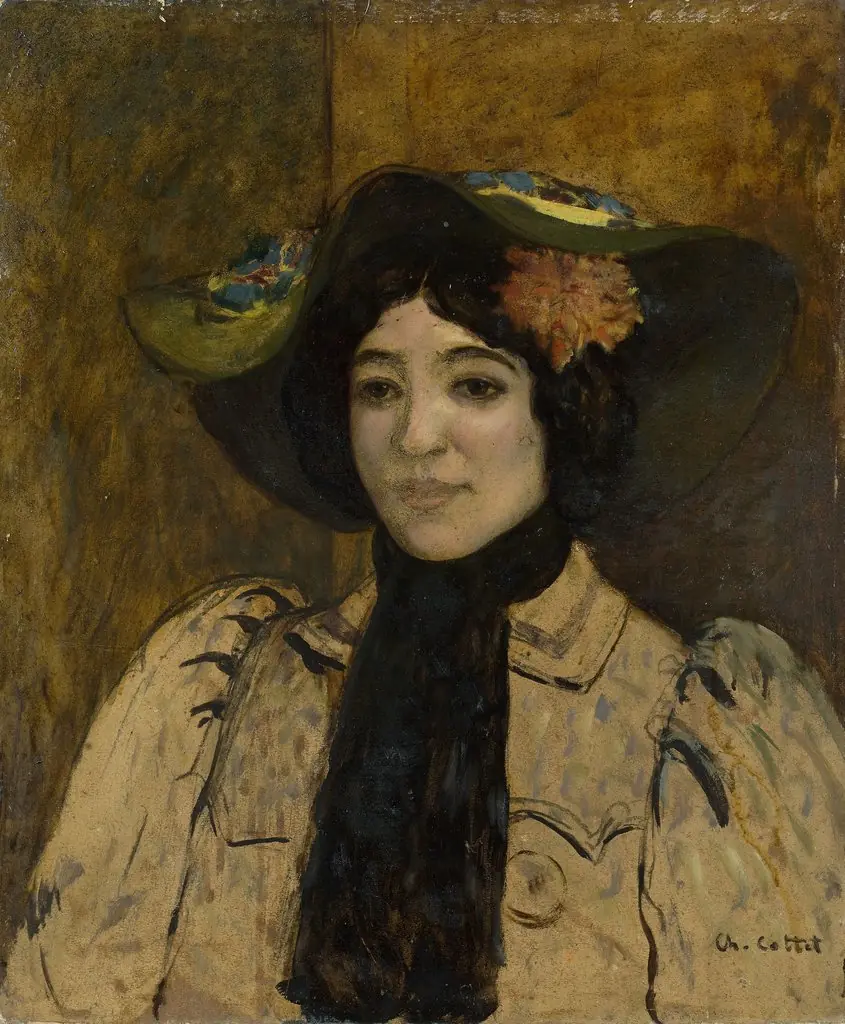
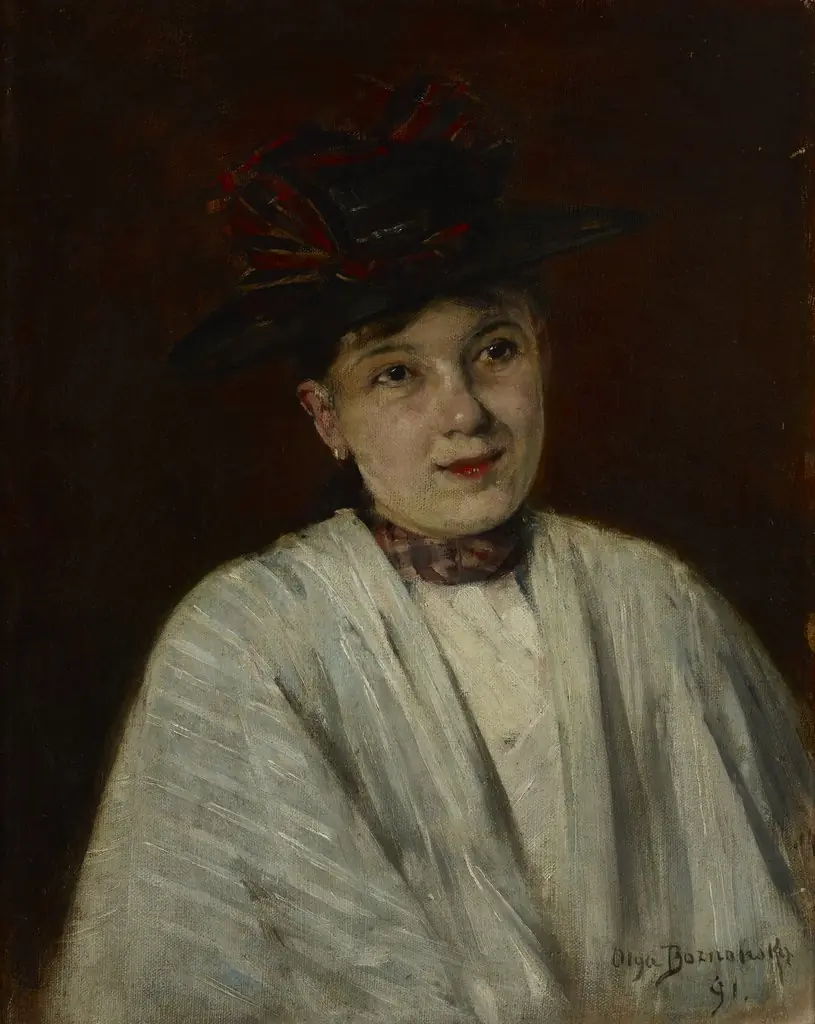
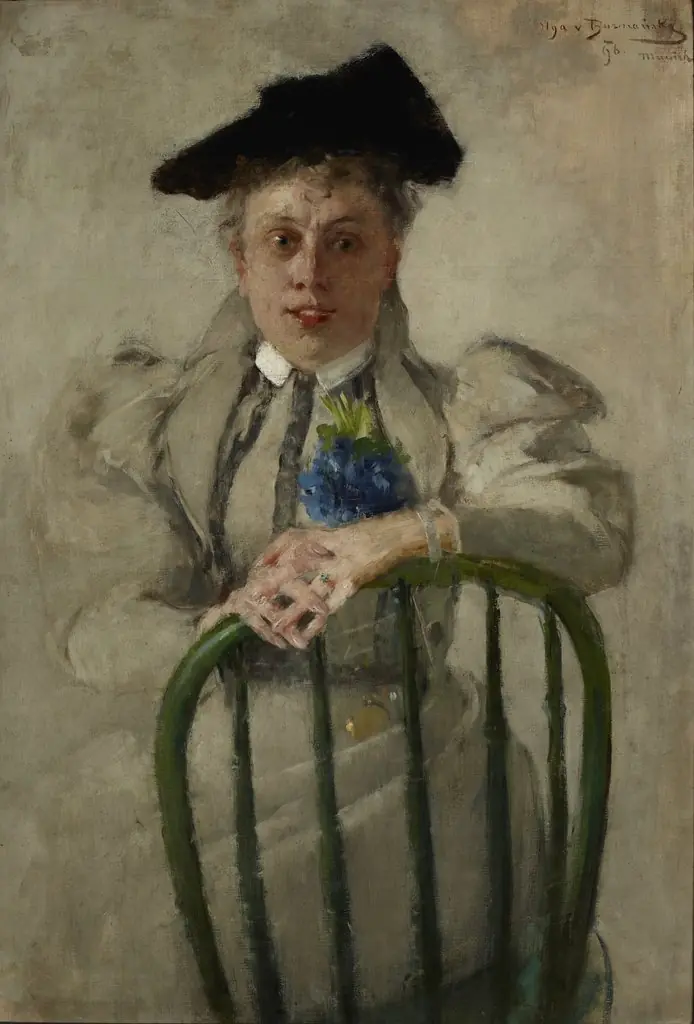
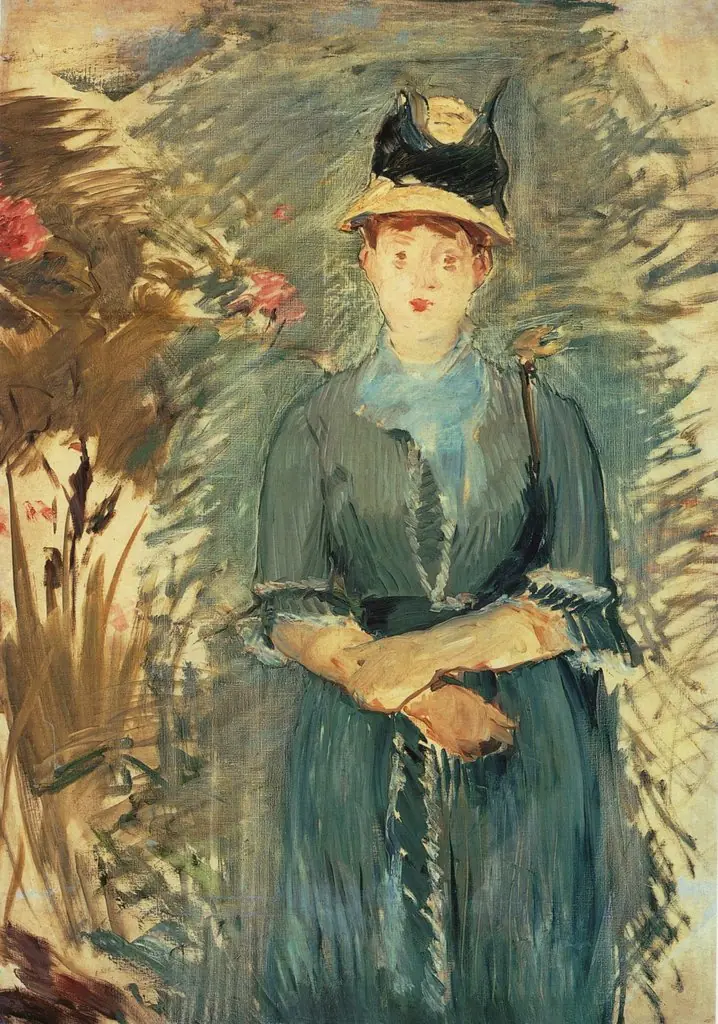
Painted in 1891, this oil portrait by Édouard Manet portrays a young woman dressed in a yellow jacket and black hat, rendered in loose, expressive brushwork.
Painted in 1891, this oil portrait by Édouard Manet portrays a young woman dressed in a yellow jacket and black hat, rendered in loose, expressive brushwork. The composition focuses on her upper torso, set against a pale, unadorned wall. The work exemplifies Manet’s late style, emphasizing immediacy over polish, and reflects his continued interest in intimate, contemporary portraiture during the final years of his career.
Subject & Meaning
The sitter, unidentified, is depicted with quiet composure, her gaze directed slightly to the right, suggesting a momentary pause rather than a formal pose. Her attire—a black hat with a delicate ornament, white collar, and dark ribbon—hints at modest elegance, typical of middle-class Parisian dress. The absence of narrative context invites focus on presence rather than story, aligning with Manet’s preference for psychological realism over theatricality.
Technique & Style
Manet employs swift, visible brushstrokes to define form, particularly in the face and hat, where texture emerges through layered pigment rather than fine detail. The yellow jacket contrasts subtly with the neutral background, while the black elements anchor the figure. His approach avoids idealization, favoring a direct, almost candid rendering that prioritizes optical truth over conventional refinement, a hallmark of his mature technique.
History & Provenance
The painting entered the collection of the Museum of Fine Arts of Lyon in the early 20th century, likely through acquisition or bequest. Its provenance prior to museum ownership remains undocumented in public records. As one of Manet’s final portraits, it reflects his enduring engagement with portraiture despite declining health, and its preservation in Lyon underscores regional French institutions’ role in safeguarding his late works.
Context
Created in 1891, the year before Manet’s death, this portrait belongs to a series of intimate studies made during his final years, when mobility was limited and studio work became more frequent. It aligns with contemporaneous portraits by artists like Degas and Cassatt, who also explored private moments of urban women. The work reflects a shift away from grand historical themes toward quiet, everyday presence in late 19th-century French painting.
Legacy
Though less celebrated than Manet’s earlier works, this portrait contributes to understanding his evolving approach to figure painting in his final period. Its unembellished realism and emphasis on transient expression influenced later generations of modernists who valued psychological nuance over formal perfection. It remains a quiet testament to his sustained focus on the individual within the modern world.
Own this work as a print
Artist & collection

Artist
Édouard Manet didn’t have much time to make his mark—he died at 51—but he used every year.