Artwork
The Dressmaker
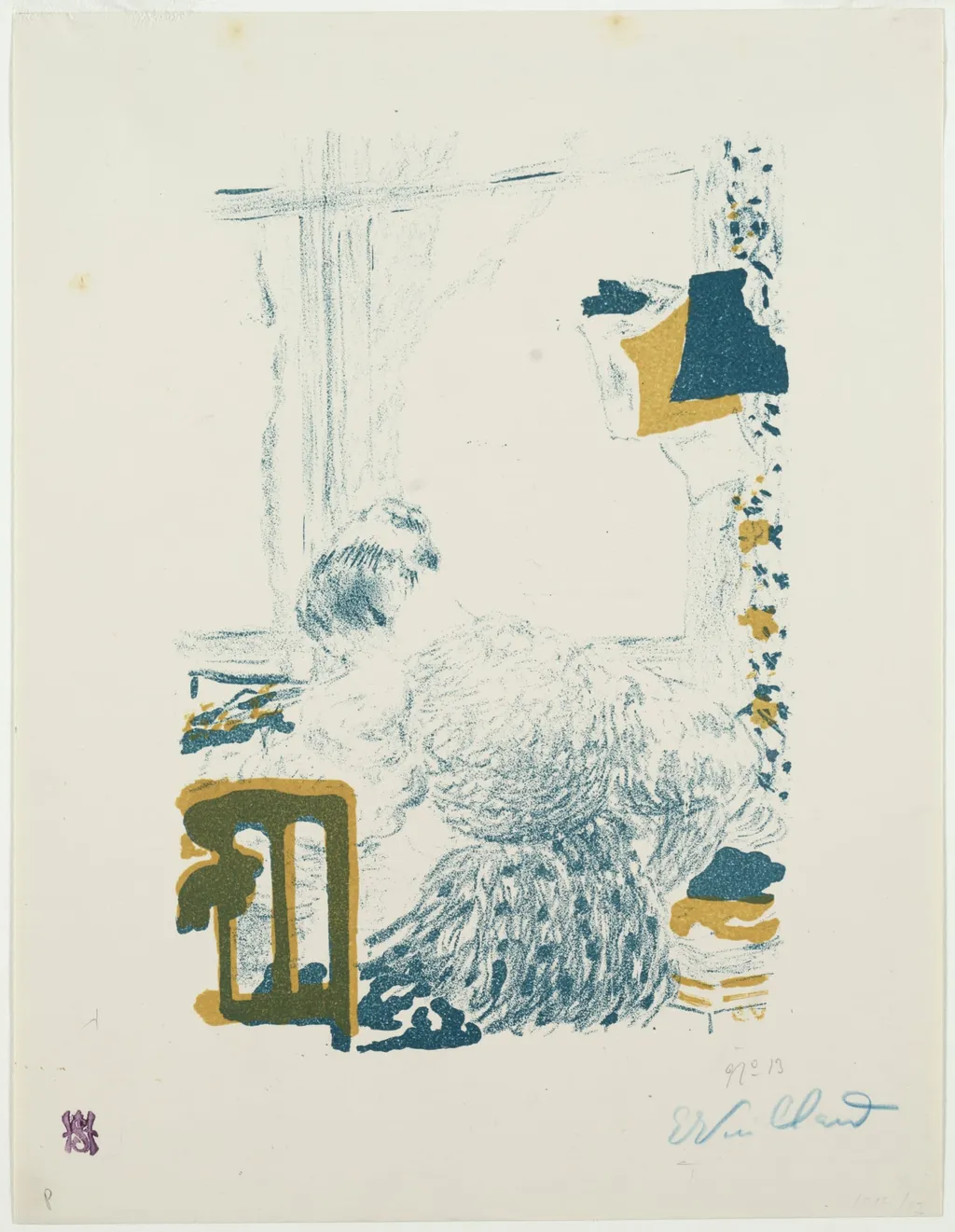
The Dressmaker is a print by the Impressionist artist Édouard Vuillard. It dates from 1895 and is held in the collection of the Cleveland Museum of Art.
About this work
Here, he plays with how light touches different textures, making some things look solid and others almost see-through.
A woman sits sewing in a room full of fabric. The air feels soft, almost fuzzy, like the curtains and her blouse are made of the same thin stuff. Bolts of cloth on the right look heavier, flatter—almost like cutouts.
Vuillard was part of a group called the Nabis, who painted everyday scenes with bold colors and simple shapes. Here, he plays with how light touches different textures, making some things look solid and others almost see-through.
To see more of this quiet, intimate style, look up Édouard Vuillard (French, 1868–1940).
Overview
This lithograph by Édouard Vuillard depicts his sister Marie engaged in sewing, capturing a quiet domestic moment. Rendered in soft tones and simplified forms, the work reflects Vuillard’s interest in intimate interiors and the subtle interplay of light and material. It belongs to a series of prints and paintings where domestic life becomes the focus of aesthetic exploration.
Subject & Meaning
Marie Vuillard is shown absorbed in her work, surrounded by the tools of her trade—fabric, thread, and a sewing table. The scene conveys neither narrative drama nor emotional intensity, but rather a contemplative stillness. The focus on a woman’s labor within the home underscores Vuillard’s commitment to portraying ordinary, unremarkable moments with quiet dignity.
Technique & Style
Vuillard employs lithography to modulate texture through tonal variation: gauzy curtains and the ruffled fabric of Marie’s blouse appear translucent, dissolving into the ambient light, while the rolled bolts of cloth on the right are rendered with flat, dense contours. This contrast between ethereal and solid forms reflects the Nabis’ interest in flattening space and emphasizing surface patterns over illusionistic depth.
History & Provenance
Created in the late 1890s, this print emerged during Vuillard’s most active period with the Nabis, a group of post-Impressionist artists who sought to merge decorative art with fine art. The work was likely made for private circulation or as part of an artist’s portfolio, consistent with the Nabis’ rejection of commercial exhibition norms in favor of intimate, handcrafted editions.
Context
Vuillard’s focus on domestic interiors aligned with broader late-19th-century shifts in art, where the private sphere gained artistic legitimacy. His approach diverged from grand historical or mythological subjects, instead elevating the textures and rhythms of everyday life. The Nabis, influenced by Japanese prints and Symbolist poetry, favored emotional resonance over realism.
Legacy
This print exemplifies Vuillard’s enduring contribution to modern printmaking: the transformation of the mundane into a meditative visual experience. His sensitivity to fabric, light, and spatial compression influenced later artists exploring interiority and pattern, particularly in the realm of graphic arts and textile-inspired composition.
Artist & collection
Artist
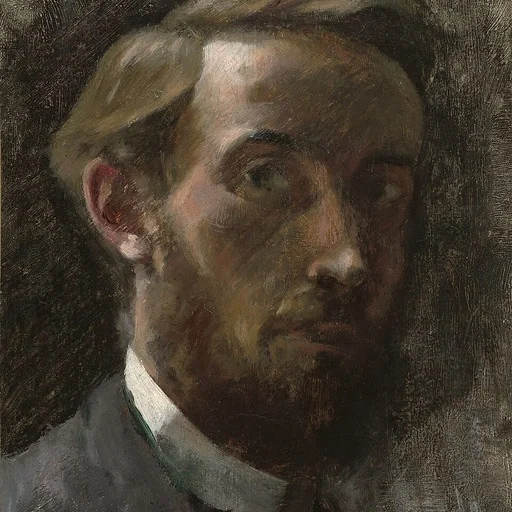
Jean-Édouard Vuillard (French: ; 11 November 1868 – 21 June 1940) was a French painter, decorative artist, and printmaker.

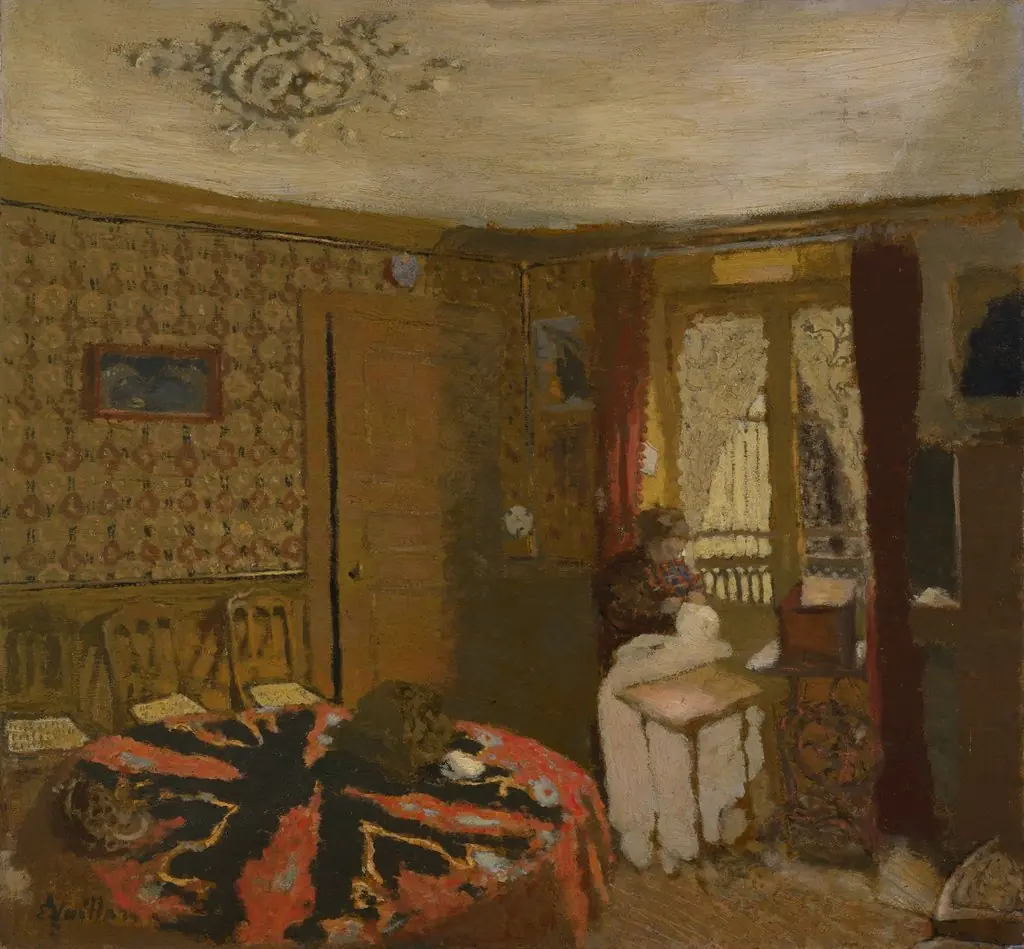
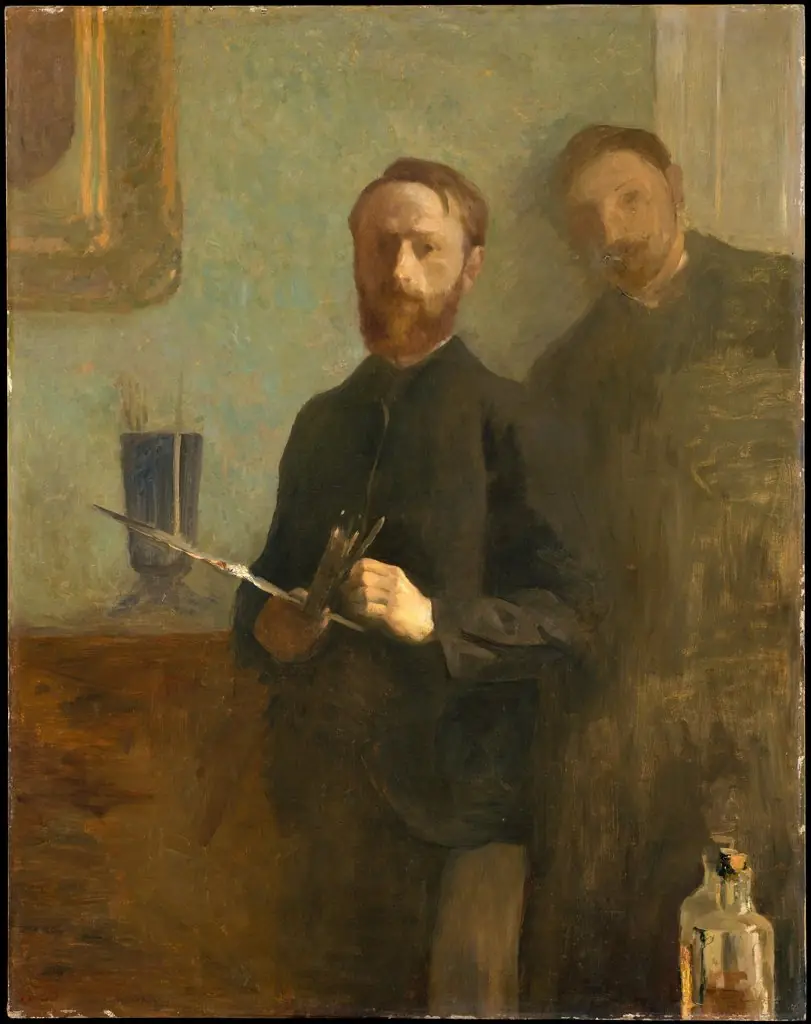
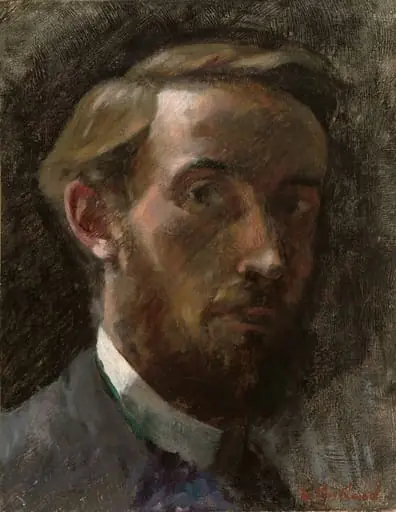
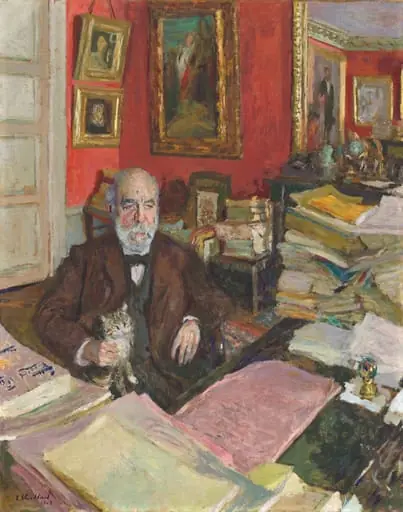
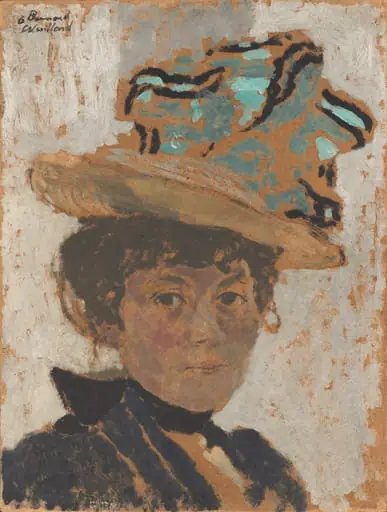
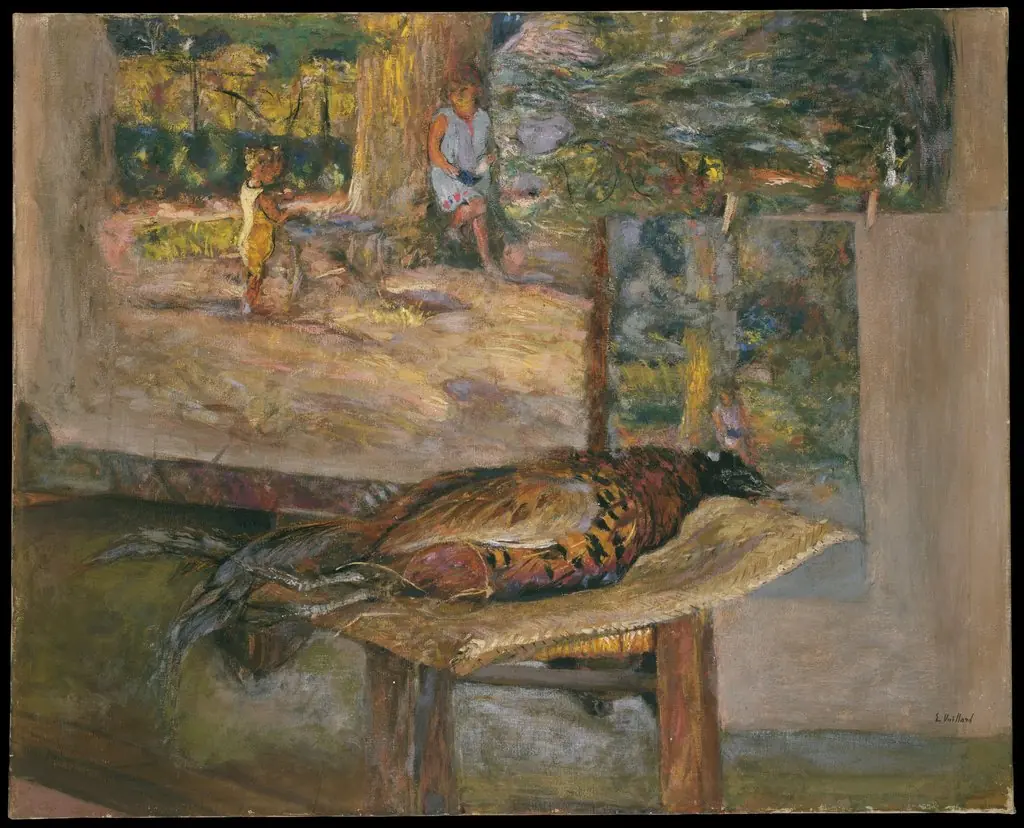
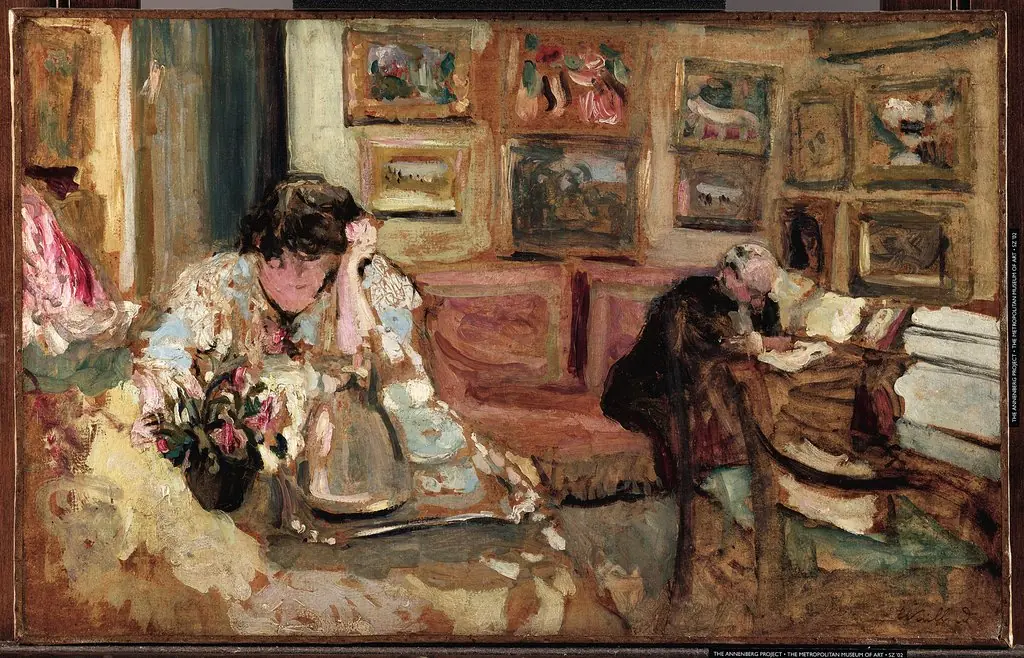
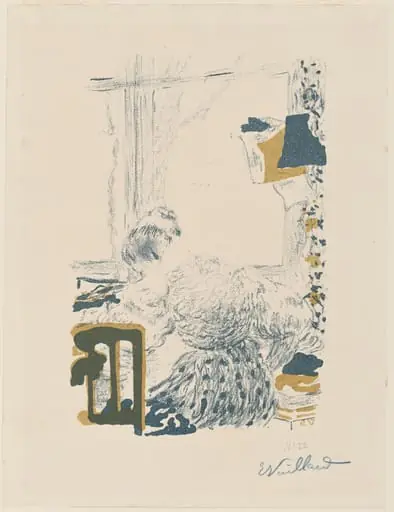 Dressmaker (La Couturière)
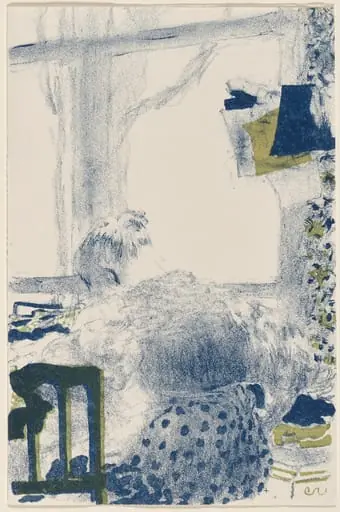 Dressmaker (La Couturière)
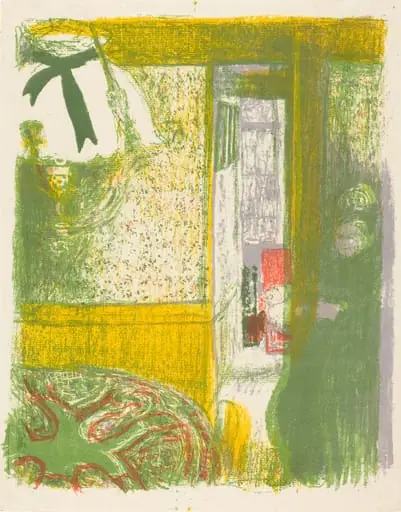 Interior with Hanging Lamp (Interieur à la suspension)
 Untitled
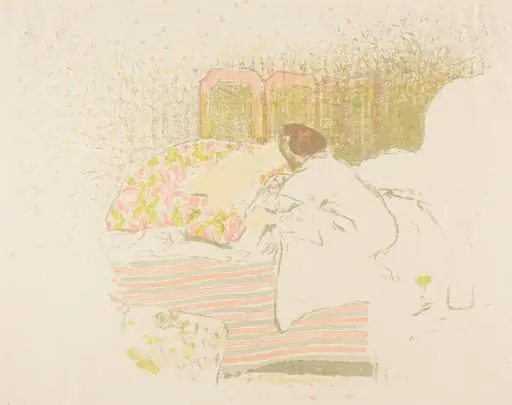 The Birth of Annette (La naissance d'Annette)
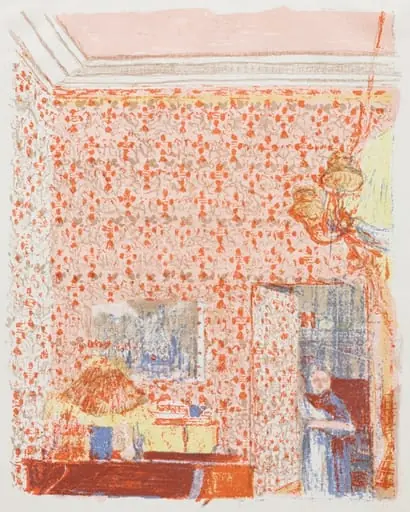 Interior with Pink Wallpaper I
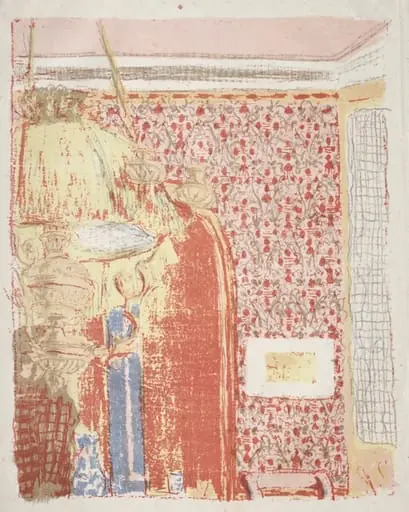 Interior with Pink Wallpaper II
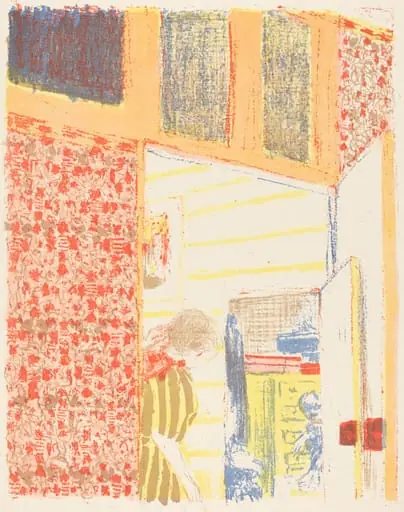 Interior with Pink Wallpaper II (Interieur aux tentures roses II)
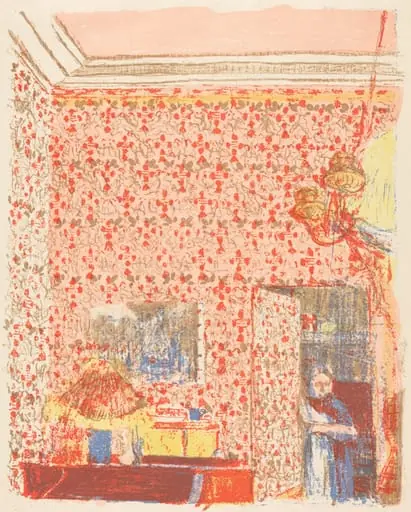 Interior with Pink Wallpaper I (Interieur aux tentures roses I)
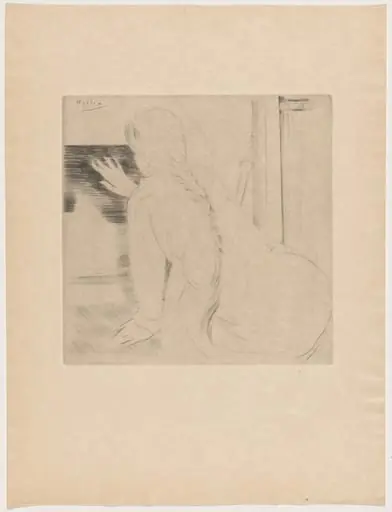 Croquis (Sketch)
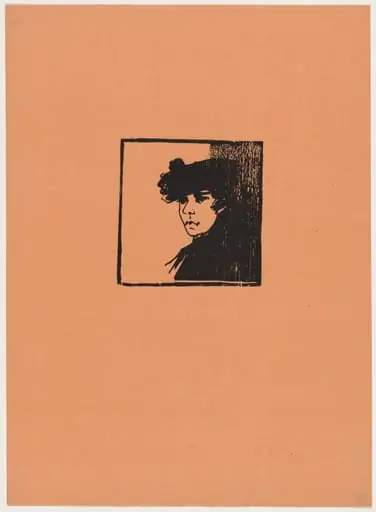 Tête de femme (Head of a Woman)
![The Young Bride (Sonia Gramatté) [Bräutliches Mädchen (Sonia Gramatté)], by Walter Gramatté](https://artifactworldgallery.com/img/walter-gramatte--the-young-bride-sonia-gramatte-brautliches-madchen-sonia-gra--3102c7fd1ec5ea2d-w320.webp) The Young Bride (Sonia Gramatté) [Bräutliches Mädchen (Sonia Gramatté)]
The Young Bride (Sonia Gramatté) [Bräutliches Mädchen (Sonia Gramatté)]