Artwork
Marcelle Aron (Madame Tristan Bernard)
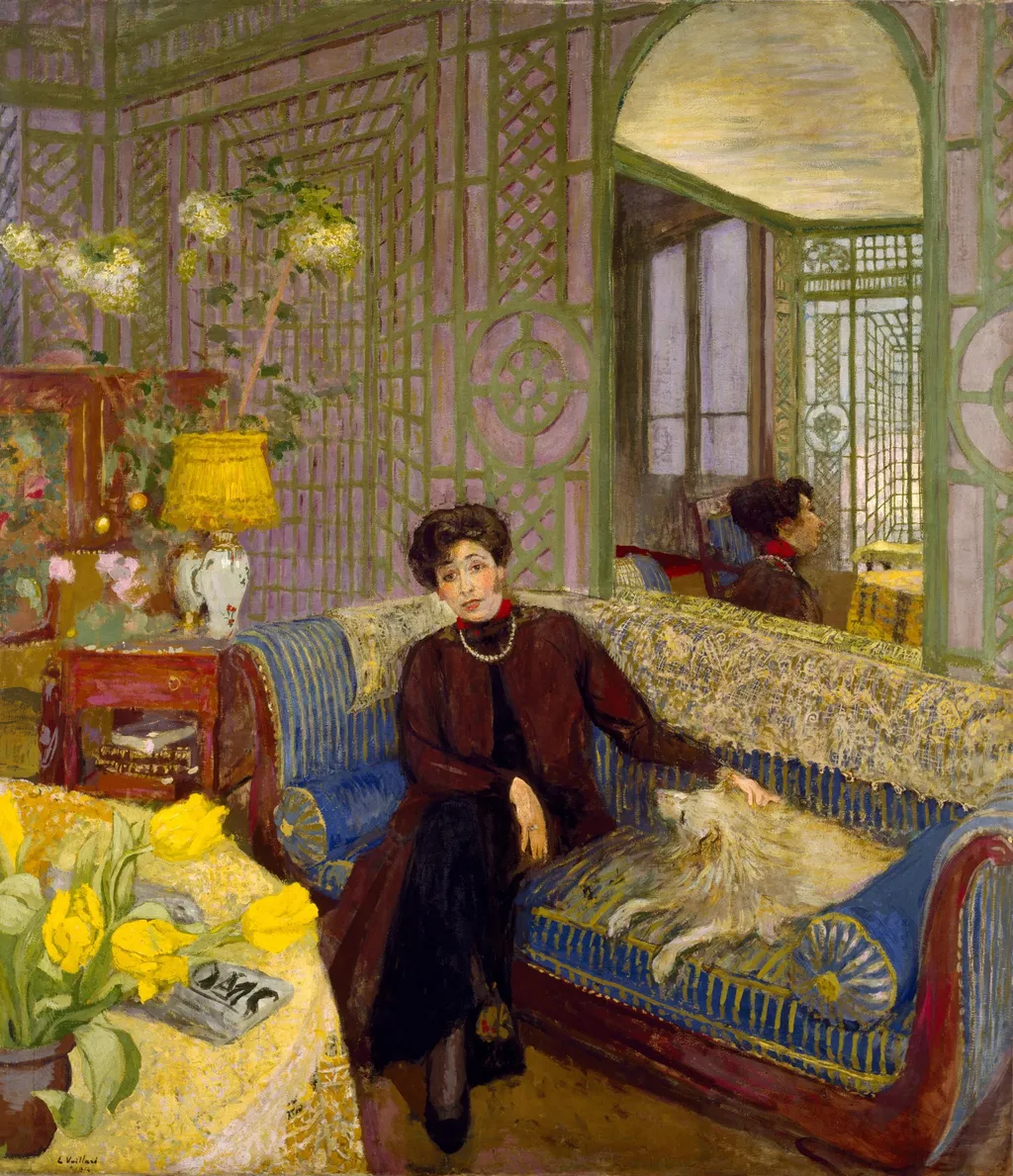
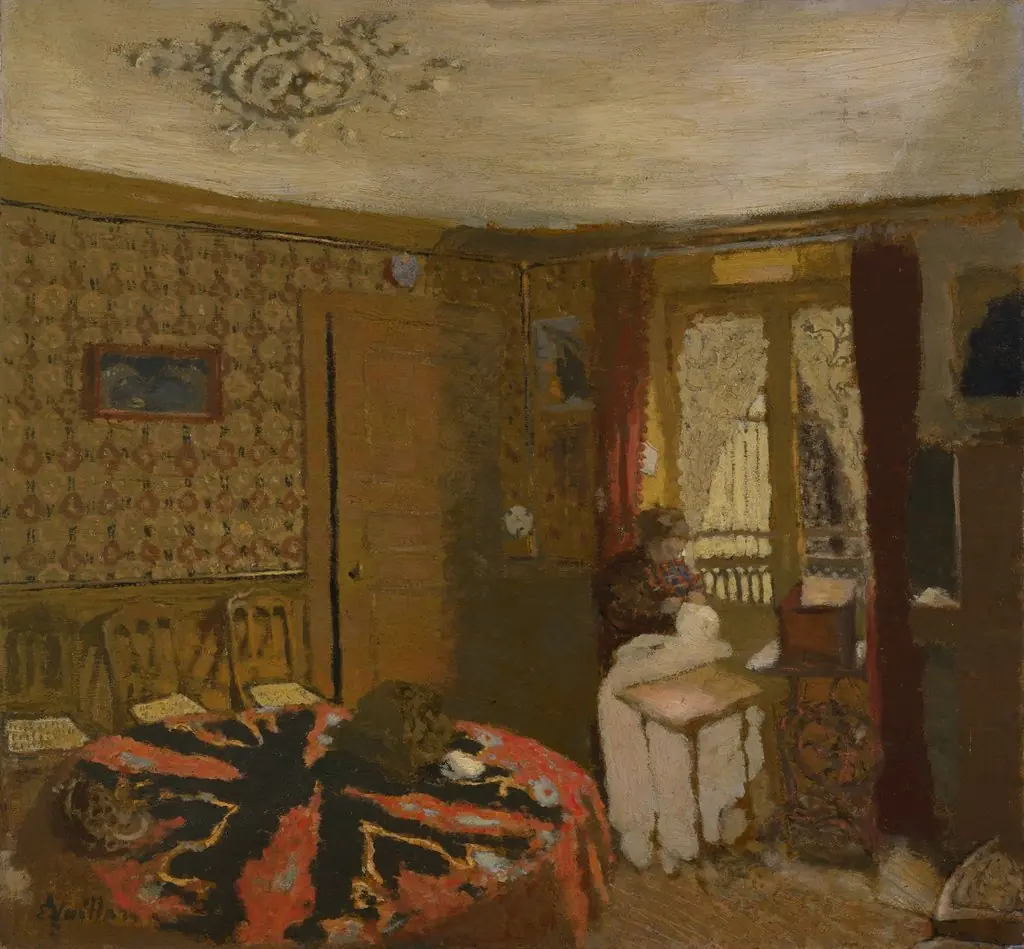
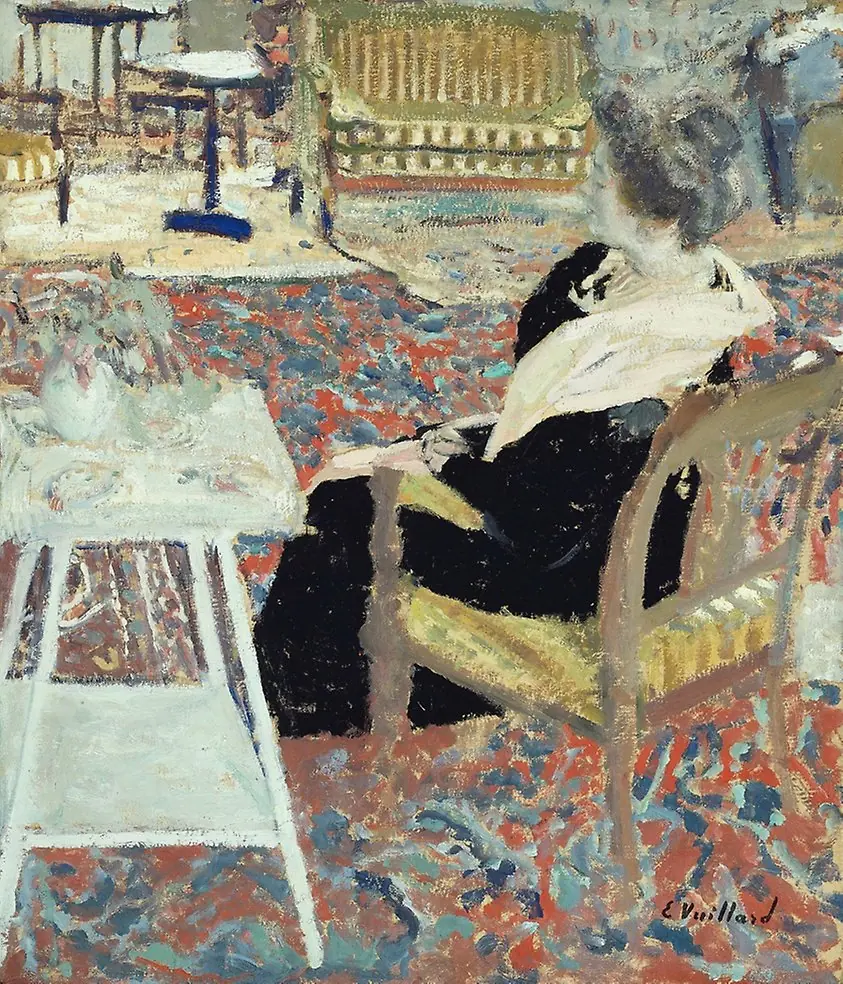
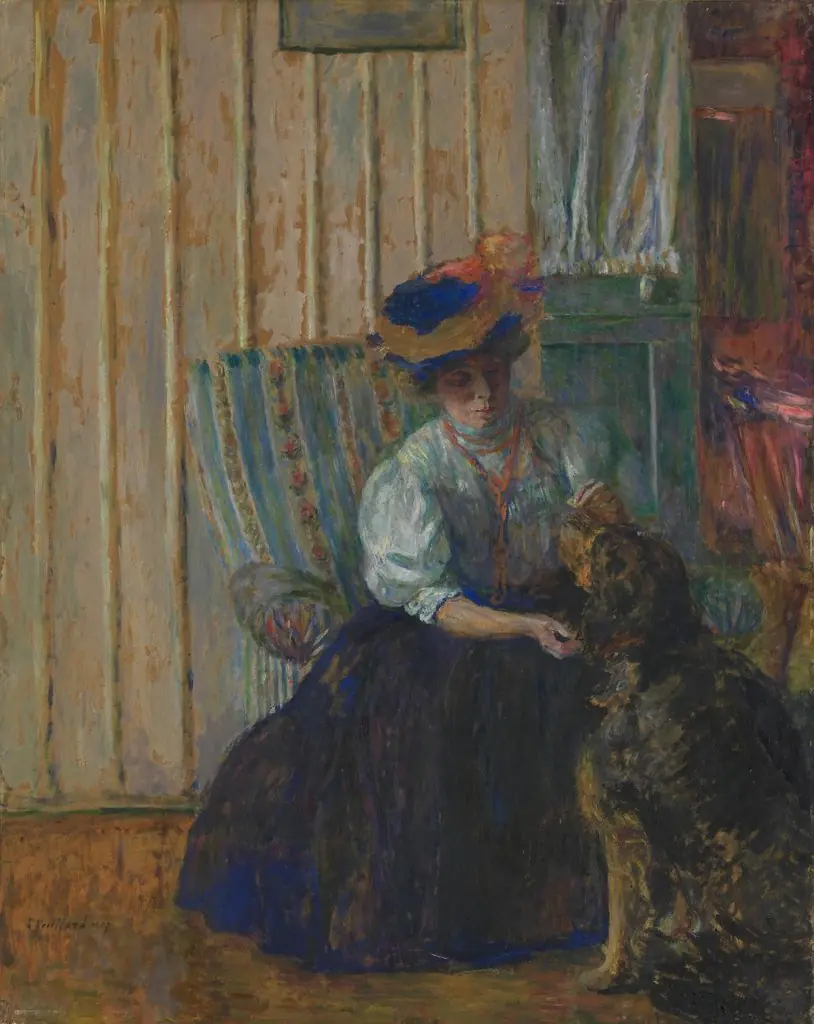
Marcelle Aron (Madame Tristan Bernard) is an unspecified painting by the Post-Impressionist artist Édouard Vuillard. It dates from 1914 and is held in the collection of the Museum of Fine Arts, Houston.
About this work
Overview
Vuillard, once associated with the symbolic Nabis group, had by this time shifted toward a more naturalistic approach.
Painted in 1914 by Édouard Vuillard, this portrait captures Marcelle Aron, the wife of French writer Tristan Bernard. Vuillard, once associated with the symbolic Nabis group, had by this time shifted toward a more naturalistic approach. The work is part of the Museum of Fine Arts, Houston’s collection and reflects his mature interest in intimate domestic scenes, rendered with careful attention to texture and atmosphere.
Subject & Meaning
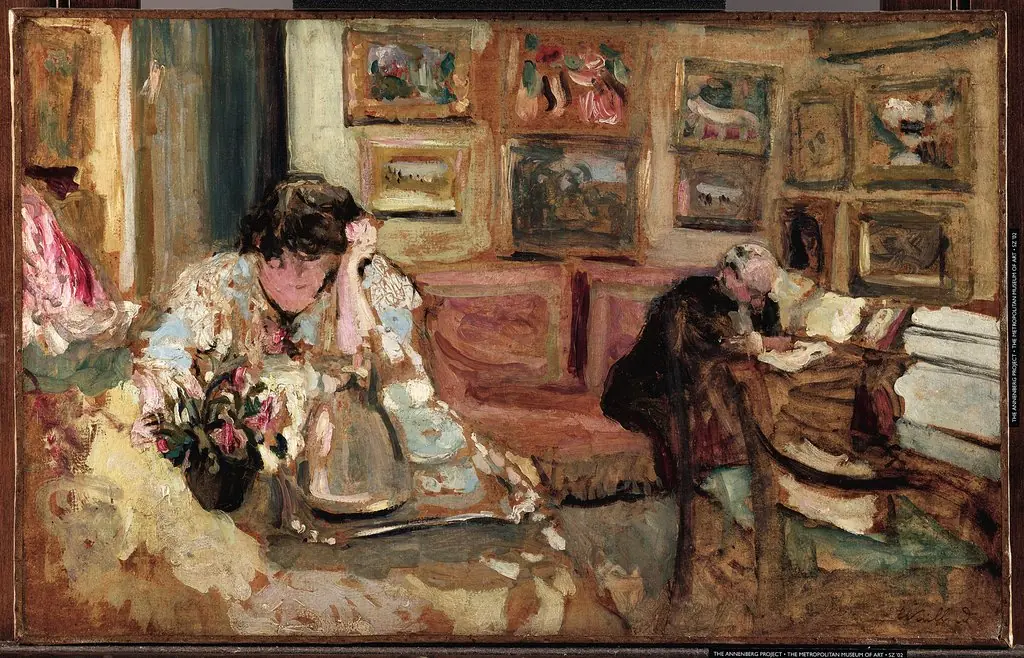
The subject, Marcelle Aron, is depicted seated calmly on a couch, her posture relaxed and her expression serene. A white, sleeping dog rests beside her, suggesting companionship and quiet domesticity. The absence of overt narrative or gesture emphasizes a sense of stillness, inviting contemplation rather than storytelling. The portrait conveys the private rhythm of upper-middle-class life, where personal comfort and subtle elegance define the moment.
Technique & Style
Vuillard employs a refined palette of muted tones, with richly detailed patterns in the wallpaper, upholstery, and carpet. Natural light filters through the space, softening edges and enhancing the tactile quality of fabrics and surfaces. Brushwork is deliberate yet unobtrusive, avoiding dramatic contrast in favor of harmonious gradations. The composition balances decorative elements with the figure, creating a unified interior world where objects and person coexist with quiet equilibrium.
History & Provenance
The painting entered the Museum of Fine Arts, Houston’s collection in the 20th century, though its earlier ownership history is not widely documented. Vuillard painted it during a period when he focused on commissioned portraits of Parisian intellectuals and their families. Marcelle Aron’s social circle likely connected her to Vuillard through cultural networks, as her husband was a prominent playwright and critic in early 20th-century France.
Context
Created on the eve of World War I, the painting reflects a moment of relative calm in French bourgeois life. While European art was moving toward abstraction and expressionism, Vuillard continued to explore the psychological depth of interiors and private moments. His work stands apart from contemporaneous movements, offering a quiet counterpoint to the era’s growing turbulence through its emphasis on stillness and detail.
Legacy
Vuillard’s portraits of domestic interiors, including this one, remain significant for their nuanced portrayal of private life. They influenced later generations of realist painters interested in the emotional resonance of everyday spaces. Though not widely exhibited in major retrospectives, the painting endures as a quiet testament to Vuillard’s ability to transform ordinary moments into enduring visual poetry.
Own this work as a print
Artist & collection
Artist
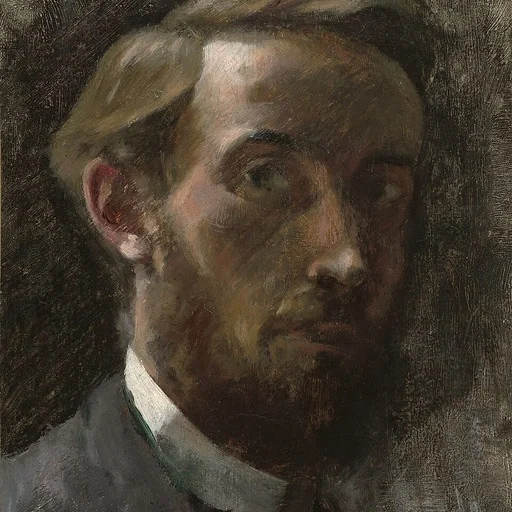
Jean-Édouard Vuillard (French: ; 11 November 1868 – 21 June 1940) was a French painter, decorative artist, and printmaker.