Artwork
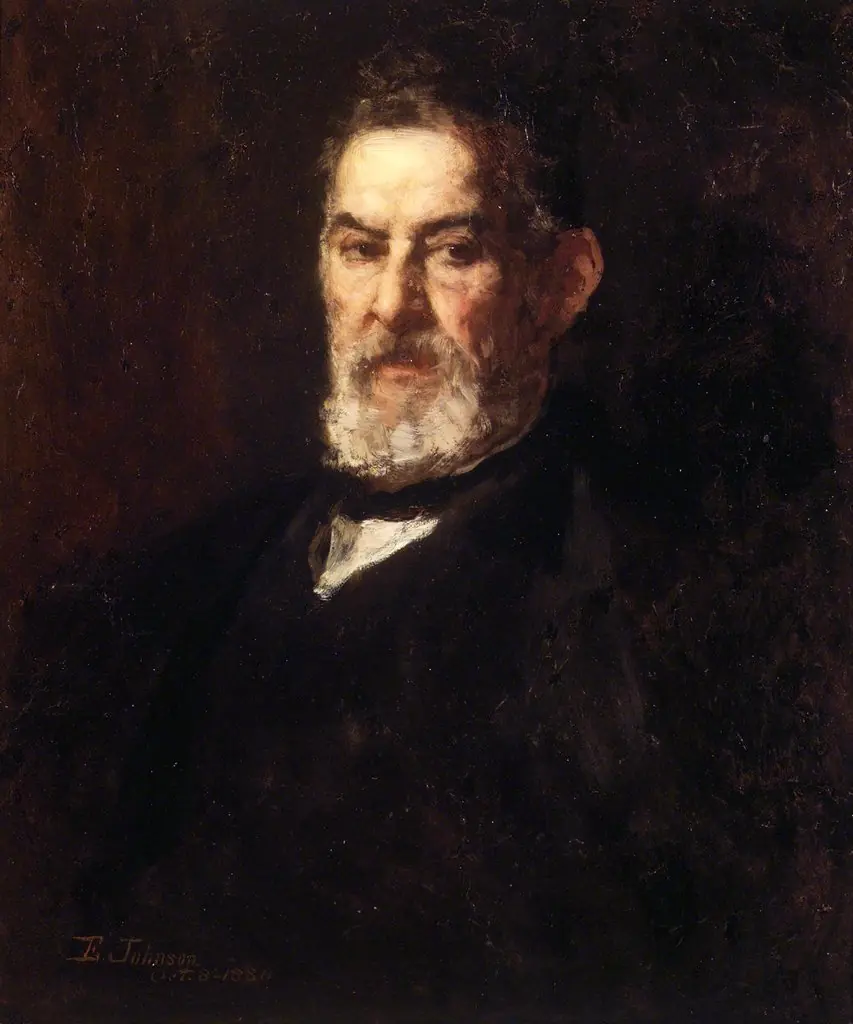
Portrait of Franklin H. Delano
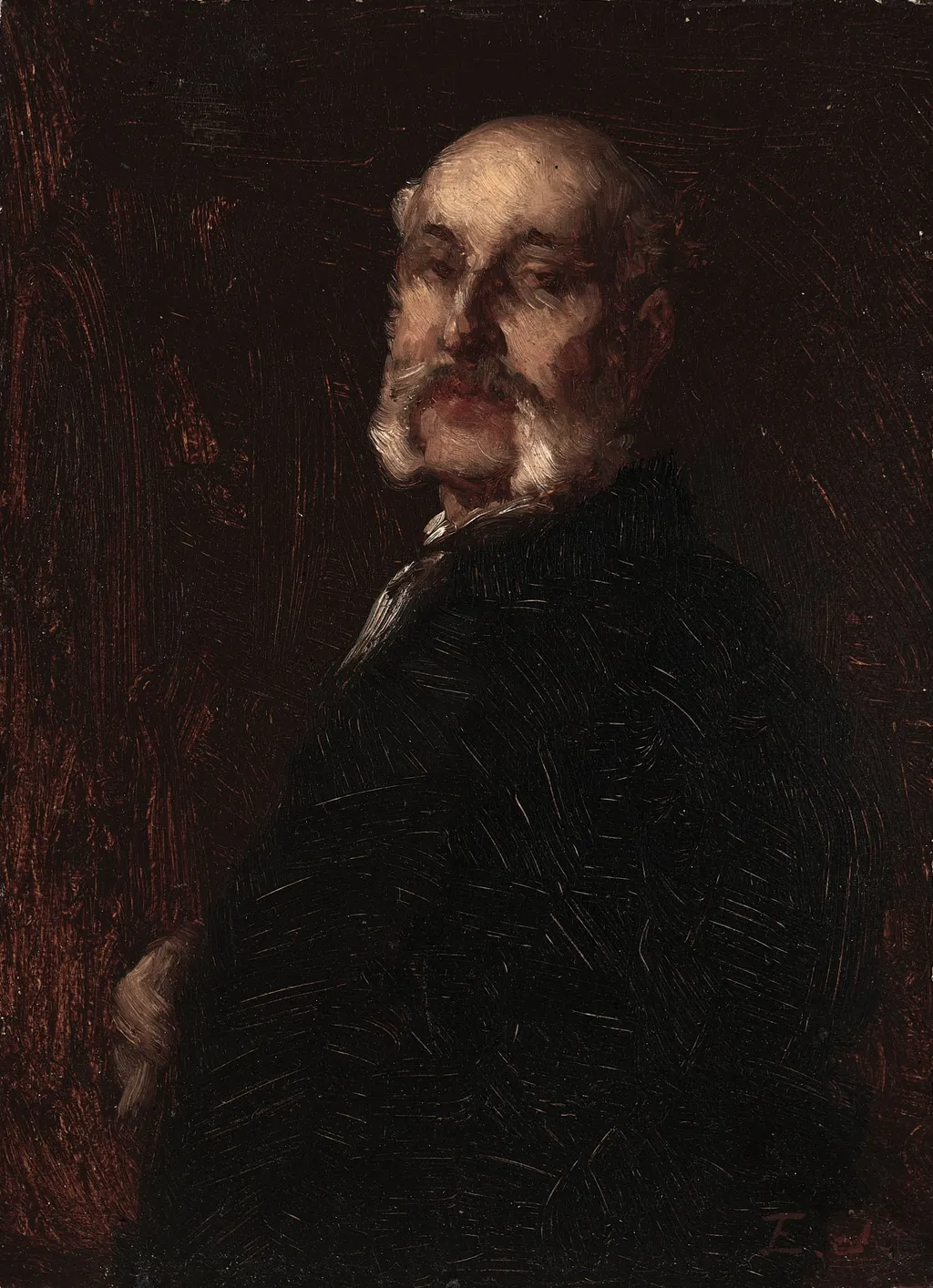
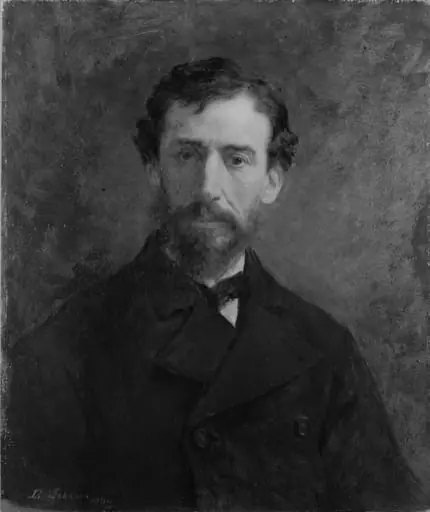
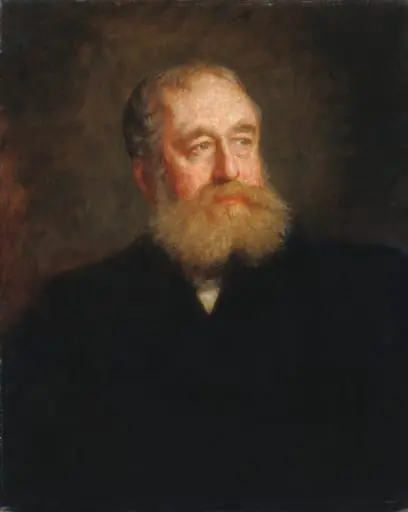
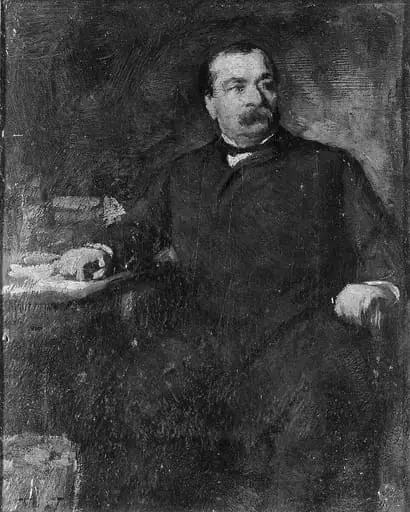
Portrait of Franklin H. Delano is an unspecified painting by the American Impressionist artist Eastman Johnson. It dates from 1881 and is held in the collection of the Cleveland Museum of Art.
About this work
Overview
Johnson, known for his focus on American subjects and his training in The Hague, applied techniques learned from Dutch Old Masters to his later work.
Painted around 1881 by Eastman Johnson, this portrait depicts Franklin H. Delano, a notable figure of the time. Johnson, known for his focus on American subjects and his training in The Hague, applied techniques learned from Dutch Old Masters to his later work. The painting is part of the Cleveland Museum of Art’s collection and reflects a transitional moment in American portraiture, blending realism with emerging impressionistic methods.
Subject & Meaning
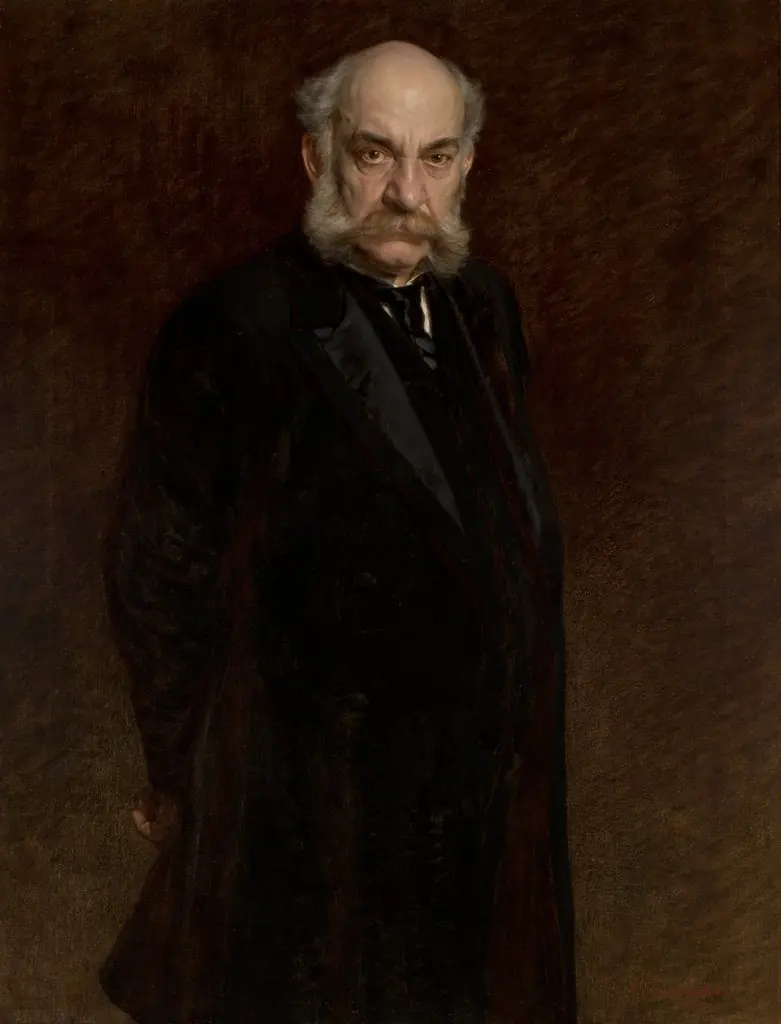
Franklin H. Delano is portrayed with quiet dignity, his pale complexion and carefully rendered facial shadows suggesting introspection. The absence of contextual details focuses attention on his presence rather than his status or achievements. His white mustache and hair, along with the dark coat, convey a sense of age and composure. The portrait avoids embellishment, presenting the sitter with restrained honesty, characteristic of Johnson’s approach to individual likeness.
Technique & Style
Johnson employed thick, visible brushwork—particularly along the collar and sleeves—to capture the play of light and texture. The impasto technique adds tactile depth, while the loose handling of form aligns with both Realist and early Impressionist tendencies. The dark, unmodeled background isolates the figure, enhancing the three-dimensionality of his face. This method prioritizes sensory immediacy over polished finish, emphasizing the artist’s direct engagement with the subject.
History & Provenance
Created in the early 1880s, the portrait entered the collection of The Cleveland Museum of Art at an early stage in its institutional history. Johnson, a founding figure of the Met, maintained a reputation for portraiture grounded in close observation. While little is documented about Delano’s relationship to the artist, the painting’s preservation in a major American museum underscores its significance as a representative work from Johnson’s mature period.
Context
During the 1880s, American artists were increasingly moving away from rigid academic traditions toward more expressive, light-sensitive approaches. Johnson, influenced by his time in the Netherlands, adapted Dutch chiaroscuro to contemporary American subjects. This portrait reflects a broader shift in portraiture, where psychological presence and painterly gesture began to rival formal accuracy as central concerns.
Legacy
Though not among Johnson’s most widely known works, the portrait exemplifies his commitment to capturing individual character through direct observation and textured brushwork. It stands as a quiet testament to the evolving American portrait tradition, bridging 19th-century realism with the looser, more atmospheric methods that would define later modernist tendencies. Its preservation in a major public collection ensures continued study of Johnson’s nuanced approach to likeness.
Own this work as a print
Artist & collection
Artist
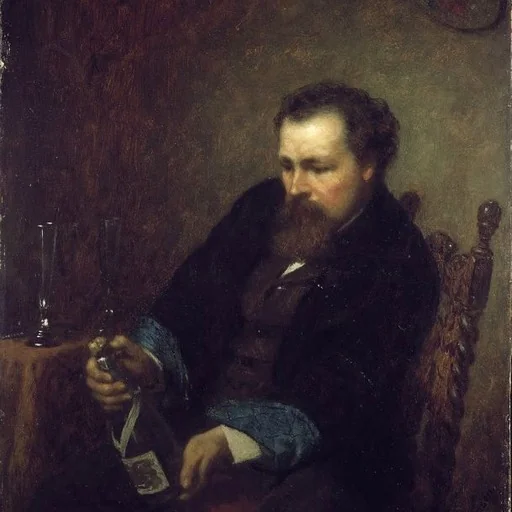
Jonathan Eastman Johnson (July 29, 1824 – April 5, 1906) was an American painter and co-founder of the Metropolitan Museum of Art, New York City, with his name inscribed at its entrance.