Artwork
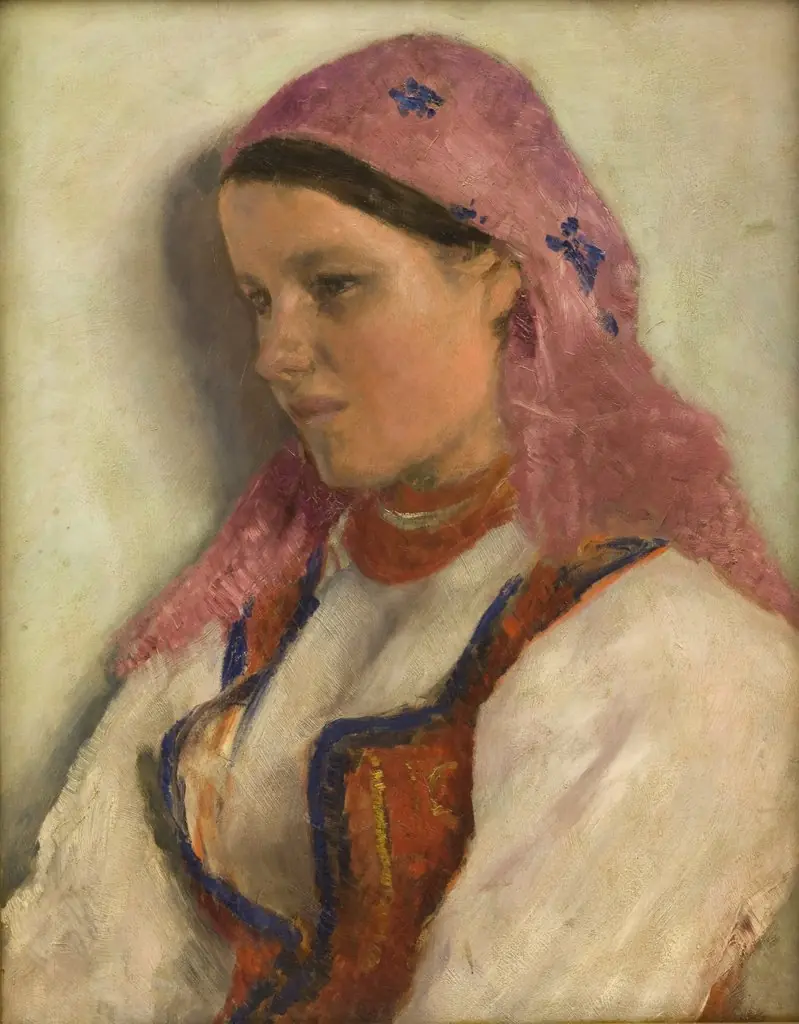
Study of a Girl
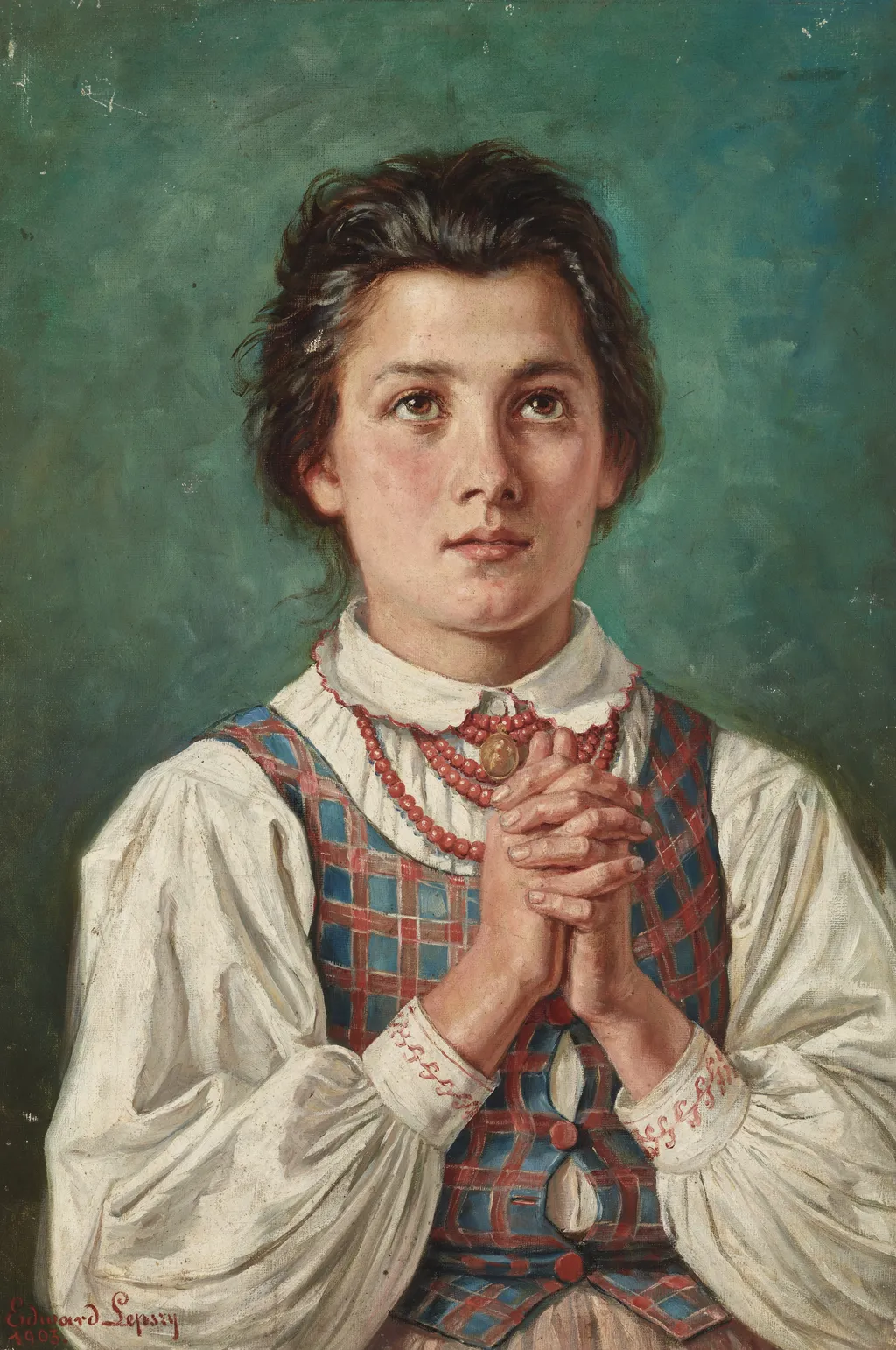
Study of a Girl is an oil painting by the Post-Impressionist artist Edward Lepszy. It dates from 1903 and is held in the collection of the National Museum in Kraków.
About this work
If you're interested in learning more about the techniques used in this piece, you might want to look into glazing.
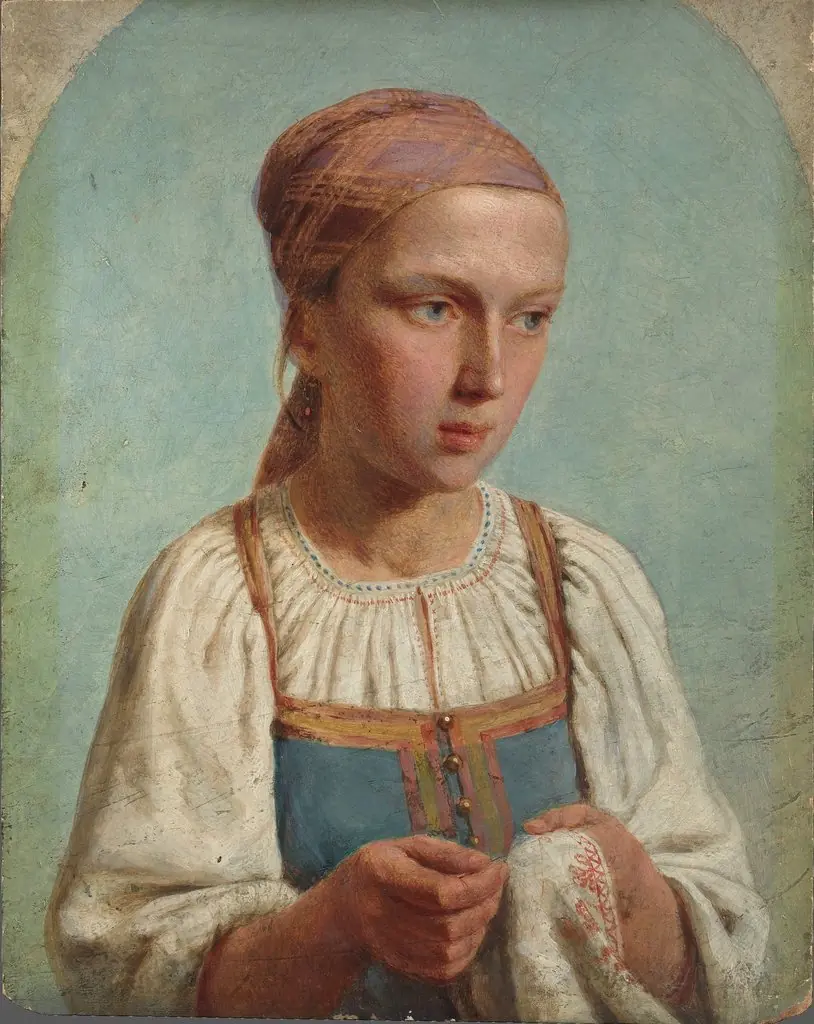
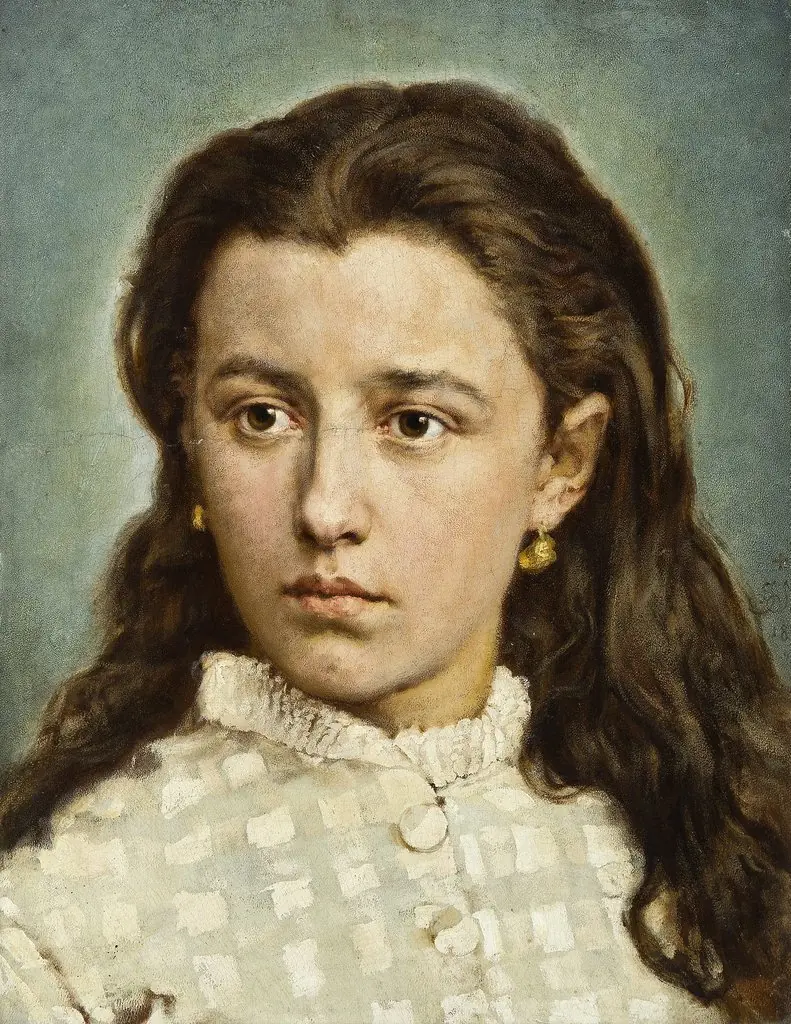
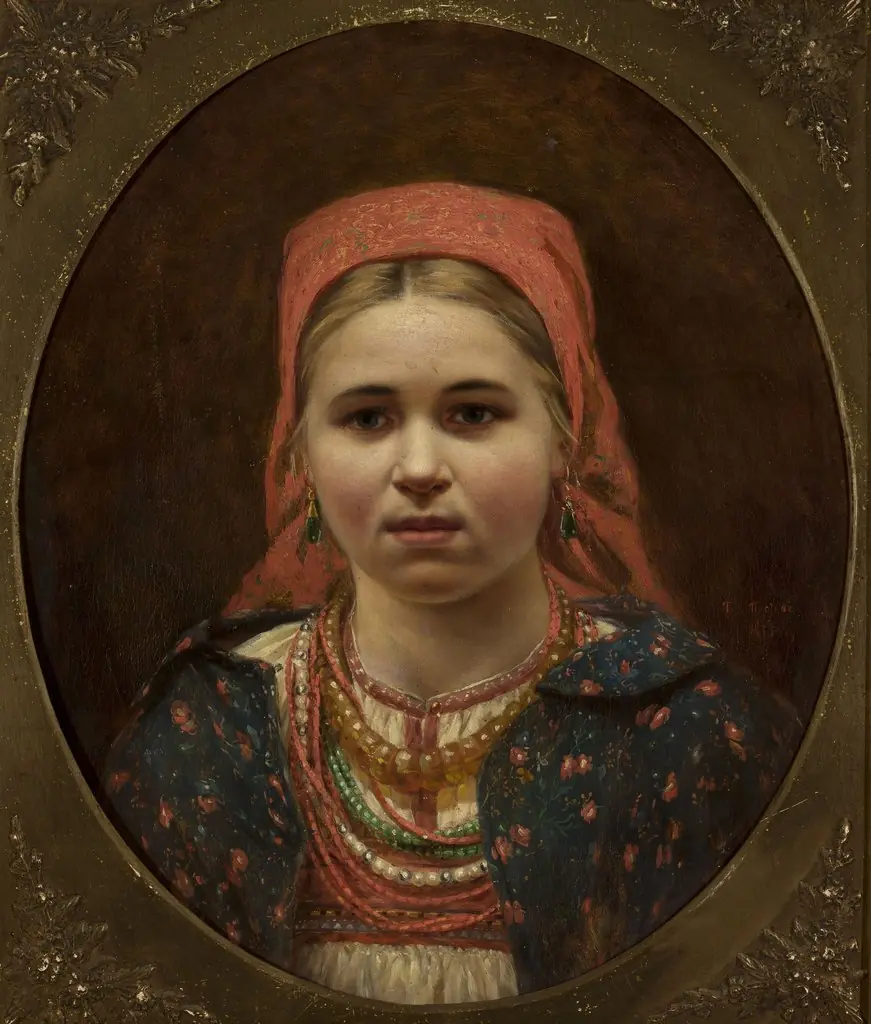
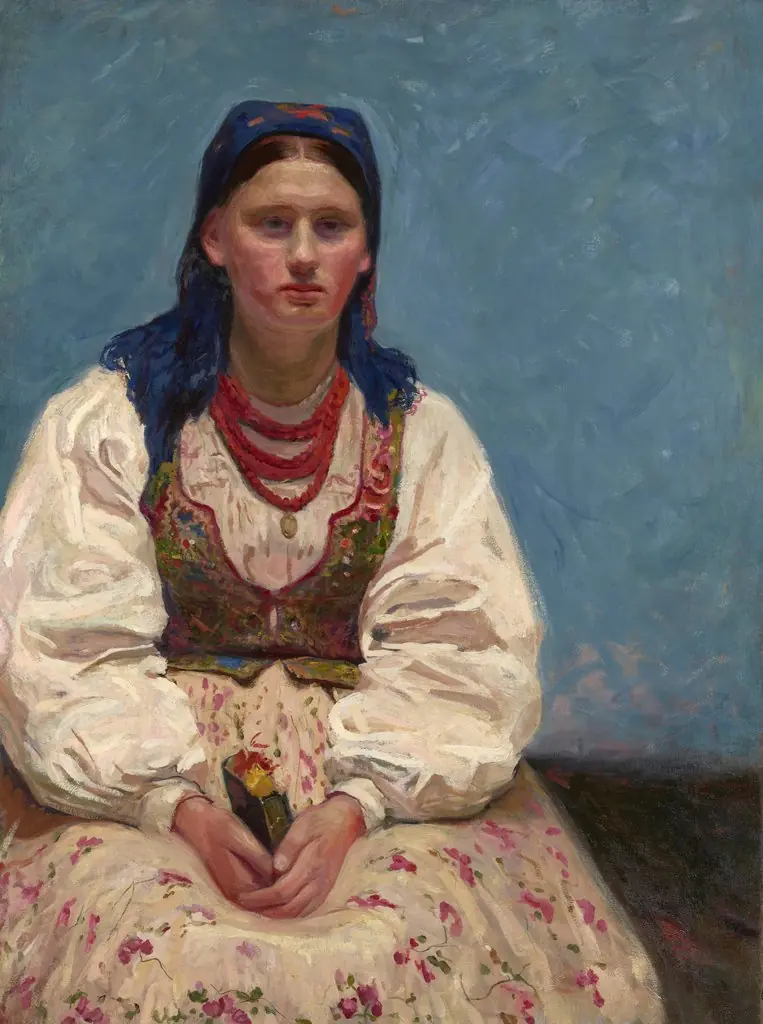
This painting shows a girl with her hands clasped together in front of her. She has dark hair pulled back and wears a white shirt with a blue and red plaid vest over it. A red beaded necklace hangs around her neck.
The girl's attire and the style of the painting suggest it may be from the early 20th century. The artist has used oil paint to create the image.
The painting is held at the National Museum in Kraków. If you're interested in learning more about the techniques used in this piece, you might want to look into glazing.
Overview
Edward Lepszy’s 1903 oil work, titled Study of a Girl, depicts a young female figure seated with her hands folded before her. She wears a white blouse beneath a blue‑and‑red plaid vest, complemented by a red beaded necklace. The composition is rendered in a restrained palette, emphasizing the sitter’s modest demeanor and the painter’s careful handling of form.
Subject & Meaning
The portrait presents an unnamed girl, her dark hair pulled back, suggesting a modest, perhaps domestic setting. The clasped hands and simple attire convey a sense of quiet introspection, while the bright necklace introduces a subtle focal point, hinting at personal adornment or cultural significance without overt narrative.
Technique & Style
Lepszy employed traditional oil painting methods, likely building up layers through glazing to achieve depth in the fabrics and skin tones. The brushwork is smooth and controlled, characteristic of early‑20th‑century academic portraiture, allowing the patterned vest and delicate jewelry to stand out against a muted background.
History & Provenance
Created in 1903, the canvas entered the collection of the National Museum in Kraków, where it remains on display. Its acquisition reflects the museum’s effort to preserve works by Polish artists of the period, though specific details of its purchase or prior ownership are not widely documented.
Context
The painting emerges from a time when Polish art was navigating modern influences while retaining academic conventions. Lepszy’s focus on a single figure aligns with contemporary portrait studies, serving both as a practice exercise and a record of everyday attire and social norms of the era.
Own this work as a print
Artist & collection