Artwork
Landing of the French Troops near Bomarsund
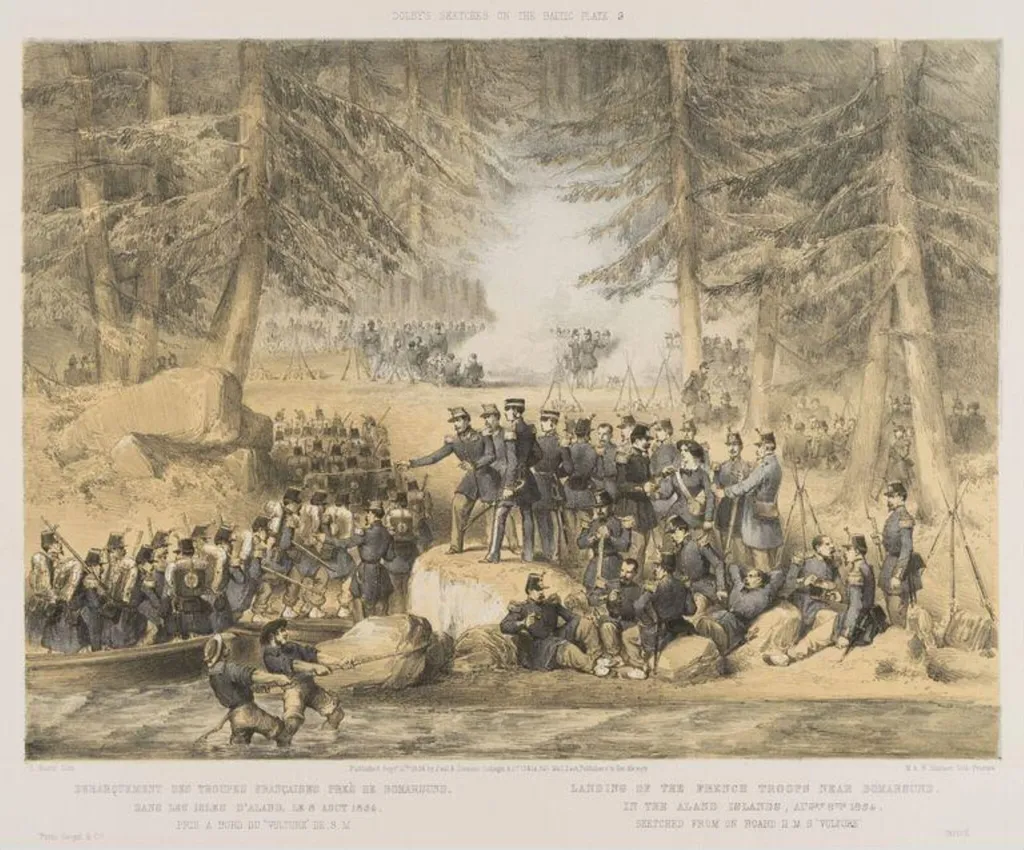
Landing of the French Troops near Bomarsund is a print by the Impressionist artist Edwin Thomas Dolby. It dates from 1854 and is held in the collection of the Victoria and Albert Museum.
About this work
Overview
Titled *Landing of the French Troops near Bomarsund*, it records a specific moment in the 1854 campaign against Russian defenses.
This print is one of a series by Edwin Thomas Dolby documenting military operations in the Baltic during the Crimean War. Titled *Landing of the French Troops near Bomarsund*, it records a specific moment in the 1854 campaign against Russian defenses. Dolby’s work was intended as a visual record, not idealized propaganda, emphasizing immediacy over grandeur. The composition captures a transient, unpolished scene of soldiers disembarking under uncertain conditions.
Subject & Meaning
The scene depicts French troops arriving on a rocky Baltic shore near the fortress of Bomarsund. Figures are shown in varied states of motion—some climbing from boats, others resting or gesturing—suggesting the disorganization of a landing under potential threat. The distant smoke and additional soldiers imply ongoing conflict. The image conveys the physical and psychological strain of amphibious warfare, avoiding heroic dramatization in favor of observed reality.
Technique & Style
Dolby employed loose, rapid linework to convey urgency and movement. Details are minimized; forms are suggested rather than rendered with precision. The lack of smooth finishes and the emphasis on gesture over anatomy align with sketchbook aesthetics. This approach prioritizes the sensation of the moment over technical polish, reinforcing the work’s documentary intent and aligning it with emerging realist practices in mid-19th-century visual culture.
History & Provenance
Created in 1855, the print belongs to Dolby’s *Sketches of the Baltic*, a collection produced during or shortly after the Crimean War. Dolby, a British artist and war correspondent, traveled with allied forces to document their campaigns. The series was published in London and circulated among military and civilian audiences interested in firsthand accounts of the conflict. The print’s origin lies in direct observation, not studio reconstruction.
Context
The landing at Bomarsund was part of a joint British-French effort to neutralize Russian naval power in the Baltic. The fortress, on the Åland Islands, was strategically significant and heavily fortified. Dolby’s depiction reflects the broader shift in wartime imagery toward eyewitness reporting, as illustrated press became a tool for public engagement. His work stands alongside other emerging journalistic visual records of the era.
Legacy
Dolby’s prints contributed to a growing tradition of war documentation through direct observation. While not widely celebrated today, his sketches helped normalize the depiction of military operations as chaotic, human events rather than orderly triumphs. His approach influenced later war illustrators and prefigured photojournalism’s emphasis on authenticity over idealization in recording conflict.
Artist & collection
Artist
Edwin Thomas Dolby made detailed prints about a real 1854 war in the Baltic Sea. These prints show British, French, and Russian soldiers landing, prisoners boarding ships, and cannons blasting a fort’s stone walls at…

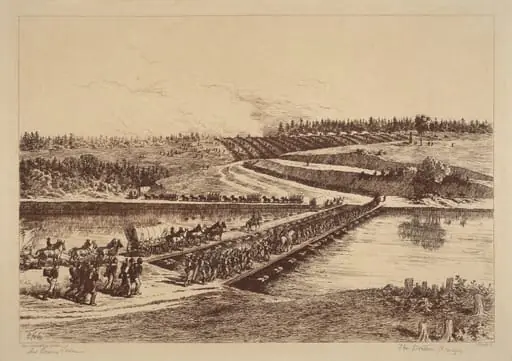 The Pontoon Bridges
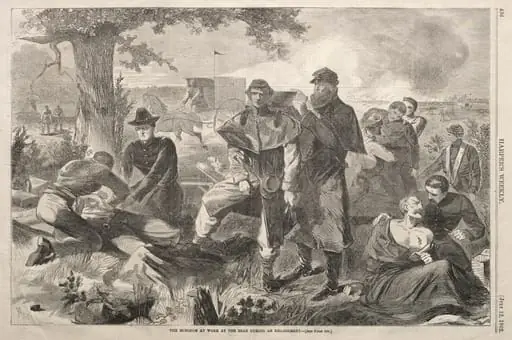 The Surgeon at Work at the Rear during an Engagement
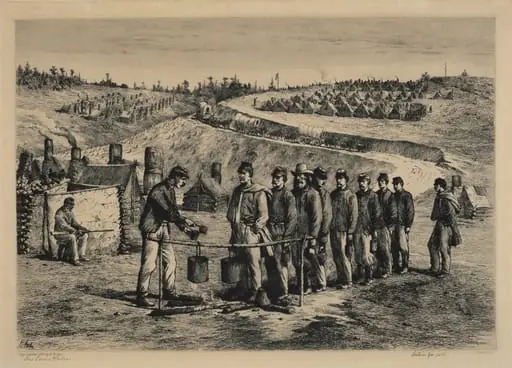 Fall in for Soup
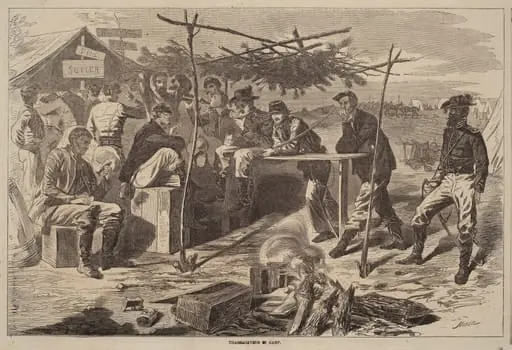 Thanksgiving in Camp
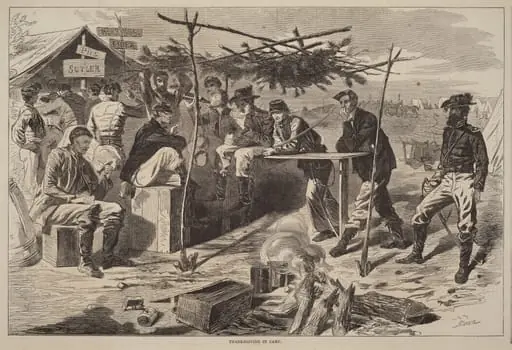 Thanksgiving in Camp
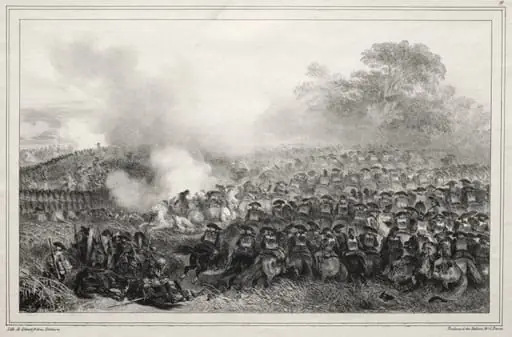 Album for 1835: Carré enfoncé...
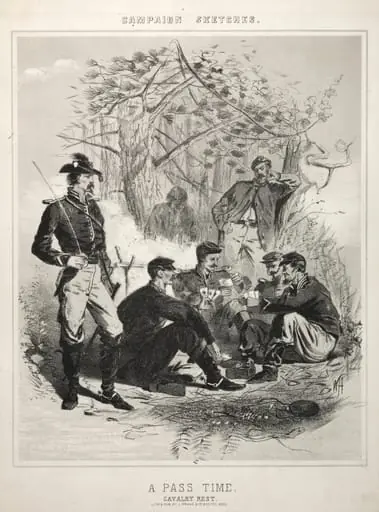 Campaign Sketches: A Pass Time
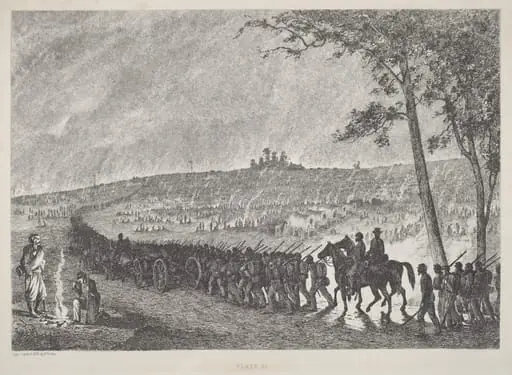 Going Into Camp at Night
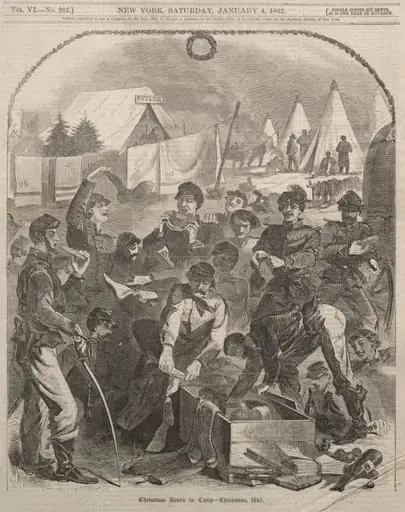 Christmas Boxes in Camp - Christmas, 1861
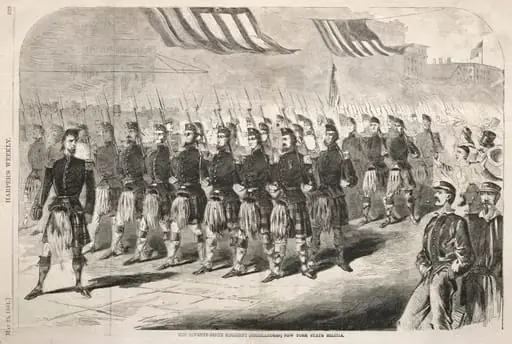 The Seventy-Ninth Regiment (Highlanders) New York State Militia
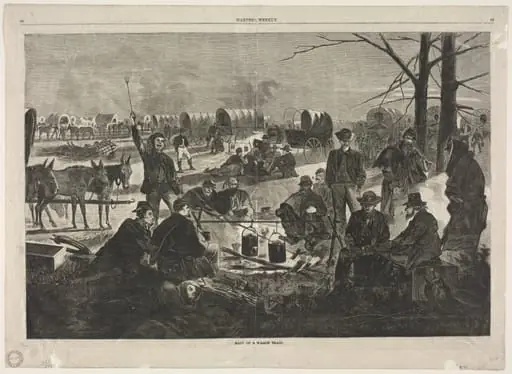 Halt of the Wagon Train
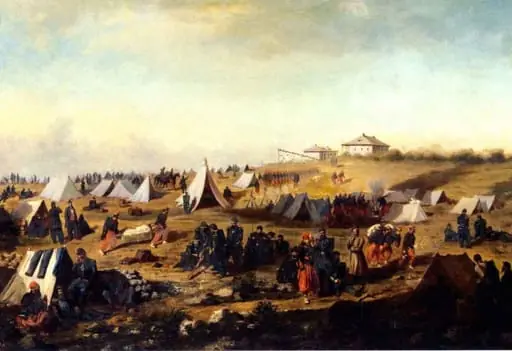 Vânători și zuavi în fața Sevastopolului