Artwork
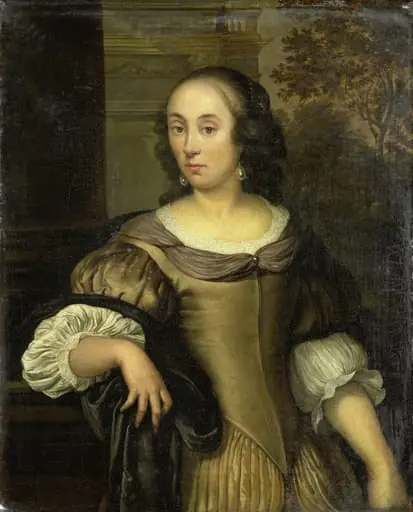
Portrait of a young woman
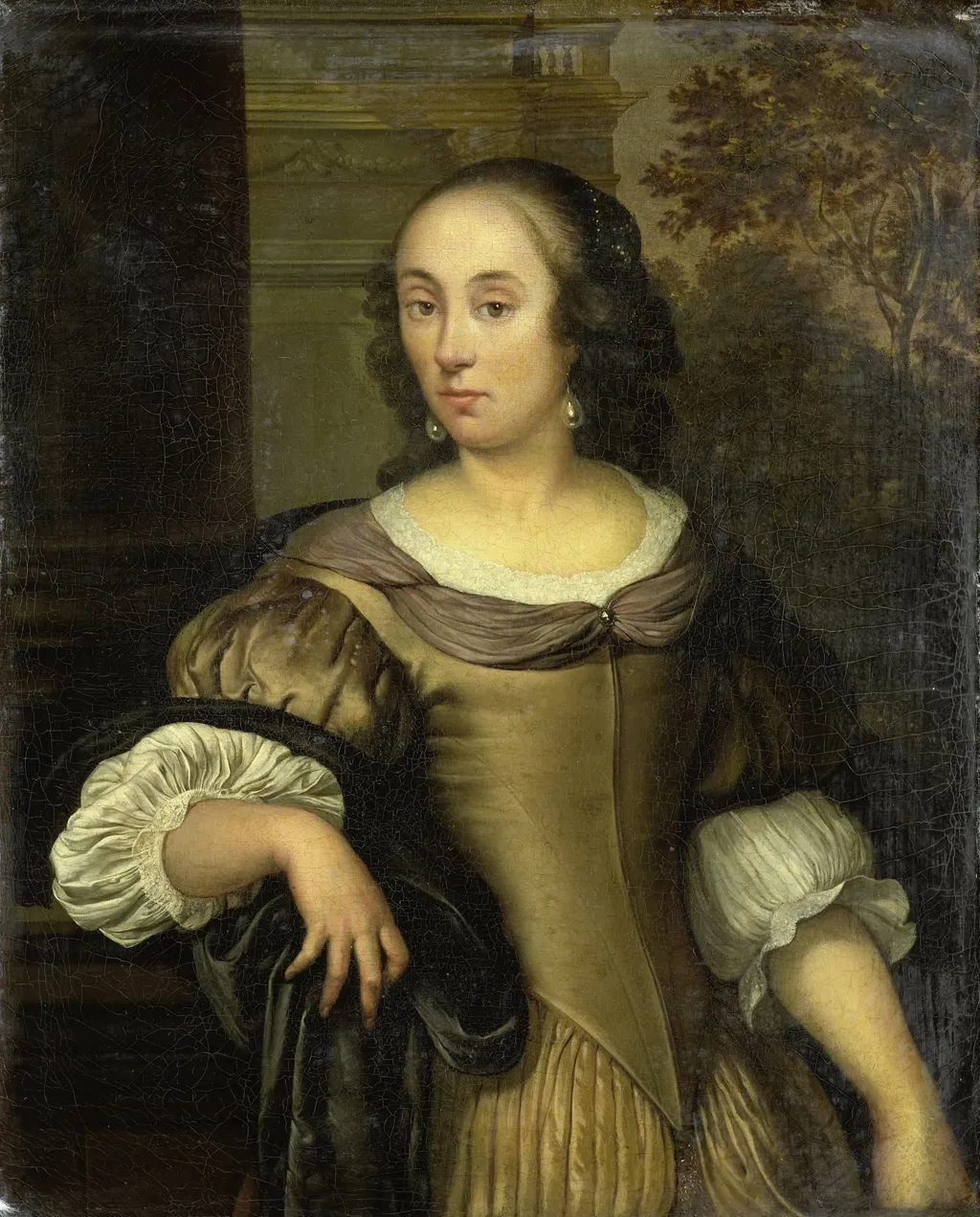
Portrait of a young woman is an oil painting by the Dutch Golden Age artist Eglon van der Neer. It dates from 1650 and is held in the collection of the Rijksmuseum.
About this work
Overview
Eglon van der Neer’s oil portrait, painted circa 1650, presents a young woman in the refined manner typical of Dutch Golden‑Age portraiture. The work, now part of the Rijksmuseum collection, exemplifies the period’s focus on elegant, individualized representation, offering a glimpse into contemporary fashion and social conventions.
Subject & Meaning
The sitter is shown in modest 17th‑century attire: a brown dress with a white lace collar, a shawl over her right shoulder, and pearl earrings. Her pose—right arm resting on a dark cloth, left elbow bent with hand near the hip—combined with a slight rightward gaze, conveys a calm, composed demeanor that reflects the era’s ideals of modesty and poise.
Technique & Style
Van der Neer employs a subtle chiaroscuro, using delicate contrasts of light and shadow to model the figure’s features and the folds of her clothing. The muted brown background and the faintly rendered tree on the right create a restrained setting that emphasizes the sitter’s form while demonstrating the artist’s skill in rendering texture and atmosphere.
History & Provenance
Created during the height of the Dutch Golden Age, the portrait entered the Rijksmuseum’s holdings as part of its Dutch 17th‑century collection. Its attribution to van der Neer aligns with his known output of portraiture and genre scenes, confirming his role as a painter of fashionable subjects in mid‑17th‑century Holland.
Artist & collection
Artist
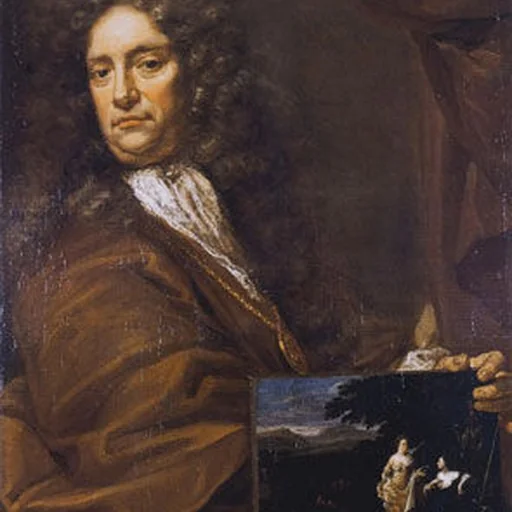
Eglon van der Neer (1635/36 – 3 May 1703) was a Dutch painter of historical scenes, portraits and elegant, fashionable people, and later of landscapes.