Artwork
Henry Eichholtz Leman
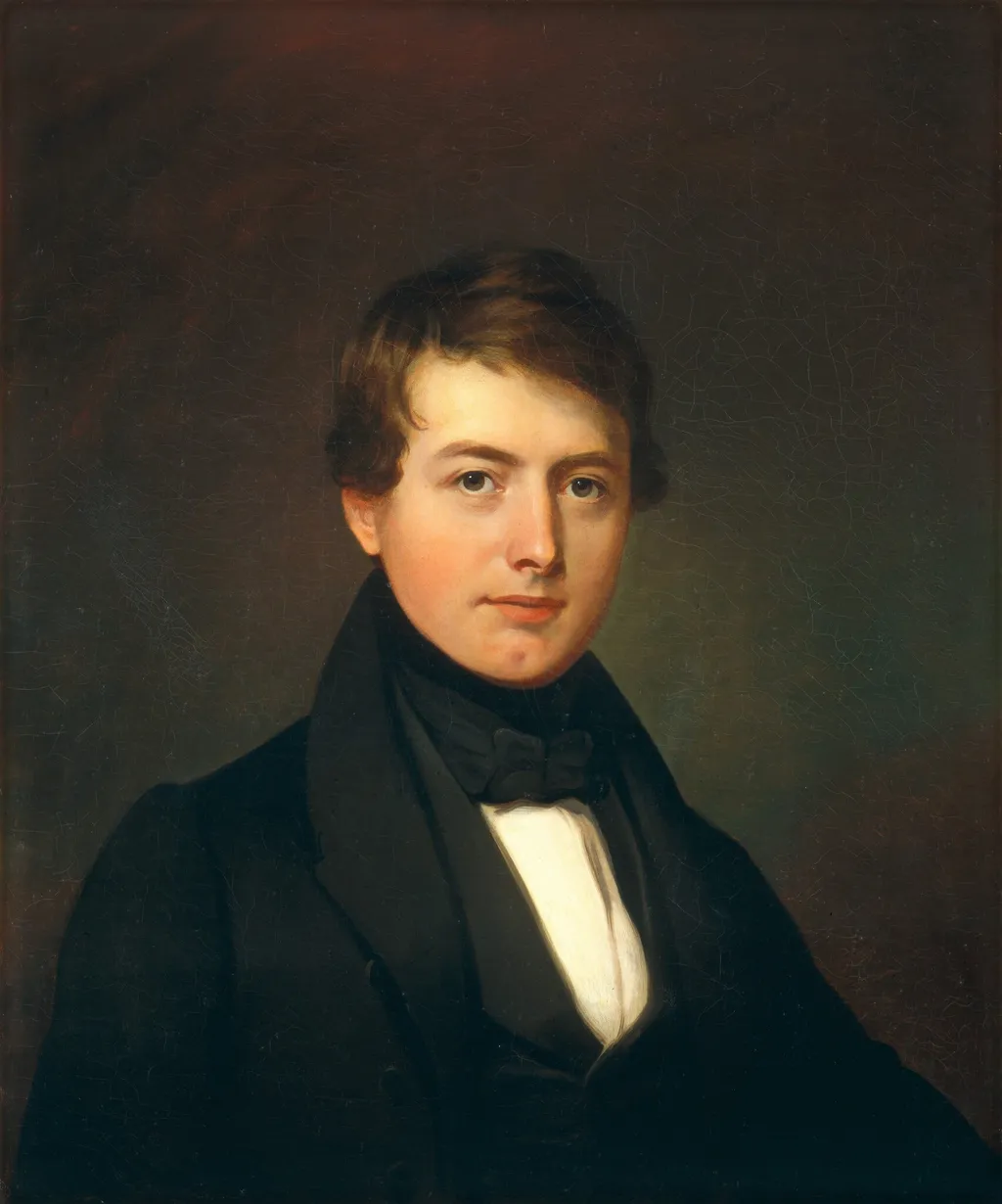
Henry Eichholtz Leman is an oil painting by the American Folk Art artist Jacob Eichholtz. It dates from 1835 and is held in the collection of the National Gallery of Art.
About this work
If you're interested in learning more about this style of painting, you might want to look up movement: Romanticism.
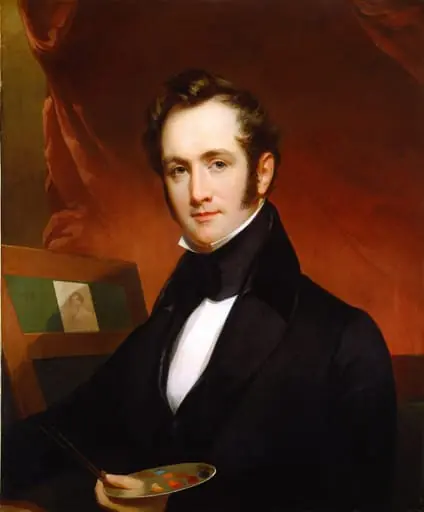
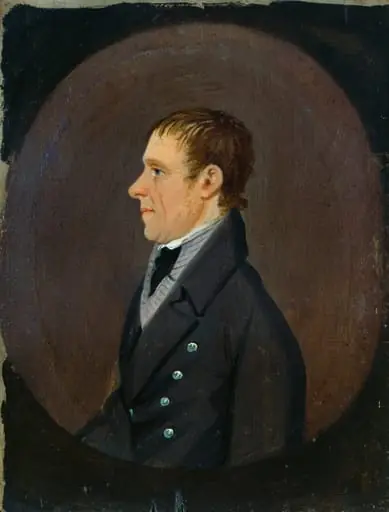
The painting shows a young man in a black suit with a white shirt and black bow tie. He has short brown hair and is looking directly at the viewer.
The man's attire suggests a formal portrait, likely from the 19th century. The painting's style and subject matter are consistent with the Romanticism movement.
If you're interested in learning more about this style of painting, you might want to look up movement: Romanticism.
Overview
Created around 1835, this oil on canvas portrait by Jacob Eichholtz depicts a young man dressed in a black suit, white shirt and black bow tie. The sitter’s short brown hair and direct eye contact give the work a formal, individualized presence typical of early‑19th‑century portraiture.
Subject & Meaning
The figure’s attire and pose suggest a genteel, possibly middle‑class individual presented in a conventional manner. The straightforward gaze engages the viewer, emphasizing personal identity over narrative content, a common aim of portraiture in this period.
Technique & Style
Executed in oil, the painting employs a restrained palette of dark fabrics against a neutral background, allowing the subject’s features to stand out. The handling of light and the emphasis on emotional immediacy align the work with Romantic‑era sensibilities, while retaining the realism of American portrait practice.
History & Provenance
Attributed to Jacob Eichholtz, a noted portraitist active in Pennsylvania, the work dates to the artist’s early career. Its title, "Henry Eichholtz Leman," likely reflects the sitter’s name, though further documentation of ownership remains limited.
Own this work as a print
Artist & collection